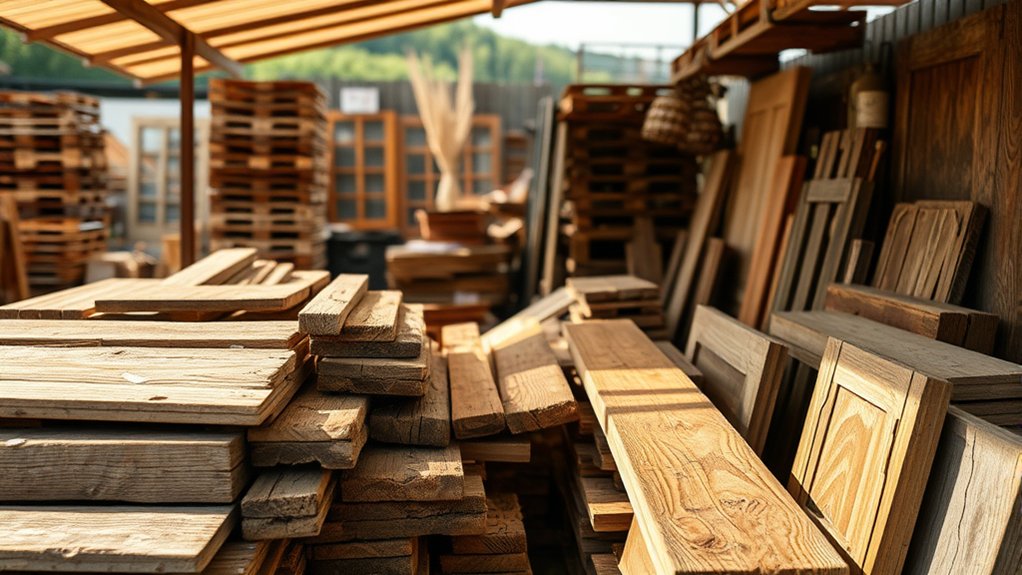
Where Can I Find Reclaimed Wood: Best Sources
You can find reclaimed wood from trusted local suppliers and architectural salvage yards. There, you can inspect quality firsthand and support eco-friendly practices.
Online marketplaces offer convenience but require careful vetting and detailed descriptions. For budget-friendly options, consider salvaging wood from old barns, construction sites, or free local listings.
Each source offers unique benefits in cost, character, and sustainability. Keep exploring to uncover tips on buying safely and finding rare, custom pieces near you.
What to Know Before Buying Reclaimed Wood
Before you buy reclaimed wood, take time to verify the supplier’s reputation to confirm you’re getting authentic, high-quality material. When you purchase reclaimed wood, always verify the supplier’s history to avoid unscrupulous dealers. Not all reclaimed wood suppliers maintain ethical standards, so this step is essential.
You should inspect reclaimed wood carefully for signs of pest infestation or damage. Ask about the wood’s treatment history, including proper drying and pest control, to guarantee safety and durability.
Keep in mind the disadvantages of reclaimed wood: it often costs more, may not come in standard sizes, and inconsistent quality can affect your project.
Being thorough lets you make an eco-conscious, practical choice that benefits both your work and the environment.
Find Local Reclaimed Wood Suppliers Near You
Finding local reclaimed wood suppliers means you can check out the materials yourself, making sure they’re high quality and authentic.
Plus, you get to talk to experts who can guide you in picking the perfect wood for your project.
On top of that, buying nearby helps cut down on environmental impact.
It’s also a great way to support your community and boost local sustainability efforts.
Benefits Of Local Suppliers
When you choose local reclaimed wood suppliers, you benefit from faster lead times and lower shipping costs thanks to their close connections with nearby salvage sources like barns and warehouses.
Local suppliers offer a unique inventory of reclaimed wood, including antique beams that carry regional character and history.
By sourcing locally, you support regional economies and help reduce construction waste and transportation emissions. This makes your project more eco-conscious and better for the environment.
These suppliers bring valuable expertise, often specializing in specific wood types, so you can find the perfect match for your needs.
Plus, local reclaimed wood provides quality and stability because you can often inspect materials in person.
Choosing local suppliers isn’t just practical; it’s a smart, sustainable way to add authentic, durable wood to your project.
It’s a win-win for you and your community.
Inspection And Quality Assurance
Although reclaimed wood offers unique charm, verifying its quality requires thorough inspection. This is much easier when you work with local suppliers. Local reclaimed wood suppliers let you inspect pieces firsthand, checking for integrity and defects before buying.
Many specialize in kiln drying, which stabilizes the wood and eliminates pests, boosting its overall quality. When sourcing from nearby suppliers, you can also get guidance on the best wood types for your project’s needs.
This hands-on approach reduces surprises and guarantees you’re selecting durable, eco-friendly materials. Plus, local sourcing means faster turnaround and lower shipping costs, making your project more sustainable and cost-effective.
Prioritizing inspection and quality through trusted local partners verifies your reclaimed wood truly meets your expectations.
Expert Advice Availability
Working with local reclaimed wood suppliers doesn’t just let you check quality in person. It also connects you to valuable expert advice tailored to your project. These local suppliers help you select the right type of wood by considering your budget and style.
Their diverse inventory offers unique finds you won’t see with national sellers. Plus, building good relationships opens better sourcing opportunities and gives you access to exclusive reclaimed wood products.
| Benefit | Emotion Evoked |
|---|---|
| Personalized expert advice | Confidence |
| Unique, diverse inventory | Excitement |
| Better sourcing opportunities | Trust |
| In-person quality checks | Assurance |
Tap into local expertise and uncover eco-friendly materials perfect for your needs.
Explore Architectural Salvage Yards for Unique Wood
Since architectural salvage yards source wood from historic buildings, you’ll find reclaimed materials rich with character and history. These yards offer unique reclaimed wood that adds authenticity to any design renovation.
By visiting local salvage yards, you can inspect quality materials firsthand, making sure they meet your project’s needs. Keep in mind, reclaimed wood often requires cleaning and drying before use, so plan accordingly.
Architectural salvage yards also carry complementary elements like doors and moldings, which help you achieve a cohesive look. Prices vary depending on rarity and condition, but investing time searching here can lead to some exceptional finds.
Plus, choosing wood from these sources supports eco-conscious building practices by reusing materials instead of contributing to deforestation or landfill waste. It’s a great way to give new life to old wood while being kind to the planet.
Buy Reclaimed Wood Safely on Online Marketplaces
When you’re buying reclaimed wood online, it’s a good idea to check out the supplier’s credibility first.
Take some time to look at reviews and ratings carefully — they can tell you a lot about who you’re dealing with.
Also, don’t hesitate to ask questions about the wood’s condition.
Find out how it’s been treated and dried to make sure it’s safe for your project.
A smart move is to start with smaller purchases.
This way, you can build trust with the supplier before committing to larger quantities.
Verify Supplier Credibility
How can you confidently buy reclaimed wood online without falling prey to low-quality or misrepresented products? First, verify supplier credibility by researching the supplier’s history and reputation. A reliable supplier means transparency about the wood’s provenance, including treatment methods and sustainability certifications.
Always check customer reviews on platforms like Yelp or Google to learn about others’ experiences.
When you buy reclaimed wood, request detailed product descriptions covering kiln drying and pest treatments to confirm safety and authenticity. Be wary of prices that seem too good to be true because they often signal compromised quality or misrepresented material.
By thoroughly vetting the supplier, you not only guarantee you’re getting genuine reclaimed wood but also support eco-conscious practices that make your project truly sustainable.
It’s worth taking the time to do this right!
Assess Wood Condition
Although buying reclaimed wood online offers convenience and variety, you need to carefully assess the wood’s condition to avoid surprises. When buying reclaimed or authentic reclaimed wood through online marketplaces, always request detailed photos to verify the salvaged lumber’s quality and wood species.
Check seller reviews and ratings to guarantee reliability and product authenticity. Don’t hesitate to ask about any treatments the wood has undergone. Untreated wood may carry pests or chemicals, which can affect safety.
Be wary of listings lacking specific measurements or clear descriptions because they can signal poor quality or misrepresentation. Finally, confirm return policies so you can address any issues if the reclaimed wood doesn’t meet your expectations.
Taking these steps helps you confidently assess wood condition and choose sustainable materials wisely.
Salvage Wood From Old Barns and Industrial Buildings
Salvaging wood from just one old barn or industrial building can provide you with unique, weathered materials full of character and history.
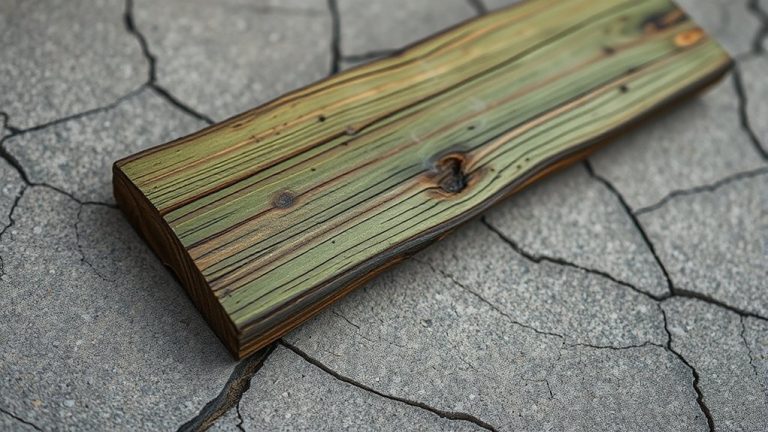
Old barns often offer durable barn wood made from hardwoods like oak and pine, aged to enhance both strength and beauty.
Barn wood from old structures, often oak and pine, gains strength and beauty through natural aging.
Industrial buildings contribute large beams and planks ideal for flooring, furniture, or architectural features, blending rustic charm with modern style.
When you pursue salvage wood from these structures, remember to secure permits and prioritize safety, as hazards may be present.
The reclaimed wood you gather usually requires thorough cleaning, drying, and treatment before use.
Discover Free and Low-Cost Reclaimed Wood Sources
If you want to source reclaimed wood without breaking the bank, exploring free and low-cost options in your community is a smart approach. You can find reclaimed wood for free by checking classifieds like Craigslist or visiting construction sites to salvage discarded timber with permission.
Local farms might let you dismantle old barns, while some grocery stores give away wooden pallets perfect for DIY projects.
| Source | Emotion | Benefit |
|---|---|---|
| Old Barns | Nostalgia | Authentic reclaimed timber |
| Construction Sites | Opportunity | Abundant free wood scraps |
| Wooden Pallets | Creativity | Versatile for DIY projects |
| Local Classifieds | Surprise | Unexpected free finds |
These sources help you save money and reduce waste, making your projects eco-friendly and unique.
It’s a win-win for both your wallet and the environment!
Find Custom Reclaimed Wood Pieces Nearby
You can find a variety of custom reclaimed wood pieces nearby by exploring local salvage yards and specialty lumber suppliers.
Local salvage yards often offer unique old wood, including architectural elements and salvaged pine, perfect for custom furniture projects. Specialty lumber yards usually have dedicated reclaimed wood sections featuring beams, paneling, and flooring materials.
Don’t overlook online platforms like Facebook Marketplace for local listings, but always verify the wood’s condition and authenticity before buying. Community forums and DIY groups can also connect you with individuals or businesses offering surplus reclaimed wood.
Furthermore, check nearby farms or construction sites where you might salvage custom wood pieces with distinct histories.
These sources provide eco-conscious options that blend sustainability with creative potential.
Frequently Asked Questions
How Do I Identify the Type of Wood in Reclaimed Pieces?
You can identify reclaimed wood by closely examining wood characteristics like grain patterns, wood color, and texture differences.
Use identification techniques such as checking moisture content and looking for age determination signs like weathering or nail marks.
Feeling the wood’s weight and noting color variations helps too.
Combining these clues lets you confidently recognize species while staying eco-conscious and practical in reusing quality materials.
What Tools Are Best for Working With Reclaimed Wood?
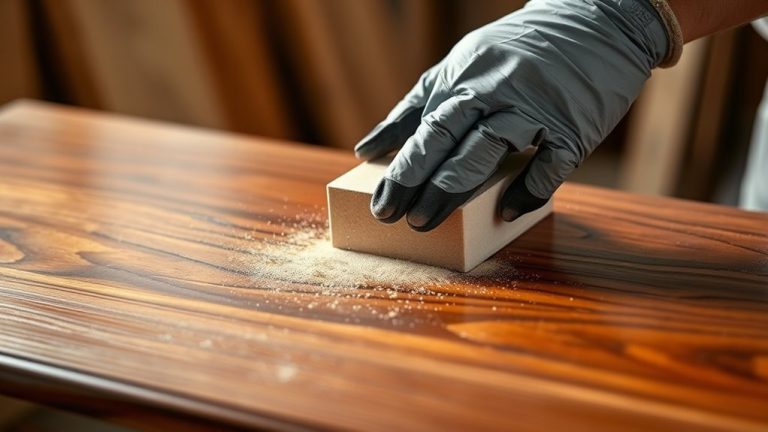
For working with reclaimed wood, you’ll want a solid tools overview: a circular saw for precise cutting techniques, a jigsaw for curves, and an orbital sander to refine sanding methods.
Use a drill with auger bits for joinery options and chisels for detail work. Don’t forget finishing tools like brushes or sealants.
Always wear safety equipment, and follow maintenance tips. Keep blades sharp and sanders clean to guarantee eco-conscious, practical results every time.
It really makes a difference when you take care of your tools and work safely.
How Can I Ensure Reclaimed Wood Is Pest-Free?
Don’t let pests crash your reclaimed wood party! Start with thorough pest inspection techniques.
Look for signs of infestation like tiny holes or wood dust.
Choose local suppliers who use effective wood treatment options such as kiln-drying or heat treatments.
Keep wood dry to prevent moisture-loving pests.
Embrace wood preservation methods and restoration tips to maintain sustainability benefits while protecting your wood.
This practical approach helps you enjoy eco-friendly, pest-free reclaimed wood confidently.
What Finishes Work Best on Reclaimed Wood Surfaces?
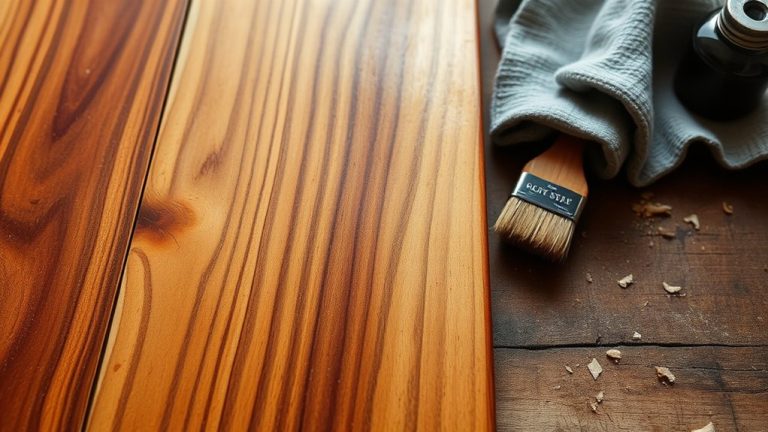
For reclaimed wood, finishing techniques like natural oils and polyurethane finishes work best. Natural oils deeply nourish and preserve character, while polyurethane offers durable protection, especially on floors.
Use wood stains to enhance color without hiding the wood’s unique features. Wax applications provide a soft sheen, perfect for furniture but need more upkeep.
Combining these finishes thoughtfully helps you highlight beauty, protect the wood, and keep your project eco-friendly and practical.
It’s all about finding the right balance that suits your style and needs.
Can Reclaimed Wood Be Used Outdoors Safely?
Yes, you can use reclaimed wood outdoors safely if you focus on outdoor durability and weather resistance.
Choose species with natural decay resistance and apply treatment options like pressure washing, kiln drying, and an exterior-grade sealant for UV protection.
To minimize moisture absorption, design with proper ventilation and drainage.
Follow maintenance tips like regular resealing and cleaning to preserve its aesthetic appeal and structural integrity.
Doing this not only keeps your wood looking great but also makes your project eco-conscious and practical.
Conclusion
So, ready to become a reclaimed wood detective? You don’t have to hunt ancient forests or rob pirate ships. Just check out local suppliers, salvage yards, or even that old barn down the road.
Buying reclaimed wood isn’t just trendy. It’s a smart, eco-friendly move that saves trees and adds character.
With a little effort, you’ll find unique wood that tells a story. Plus, you’ll be saving the planet one plank at a time.