Where Can I Buy Cedar Wood: Best Sources And Buying Tips
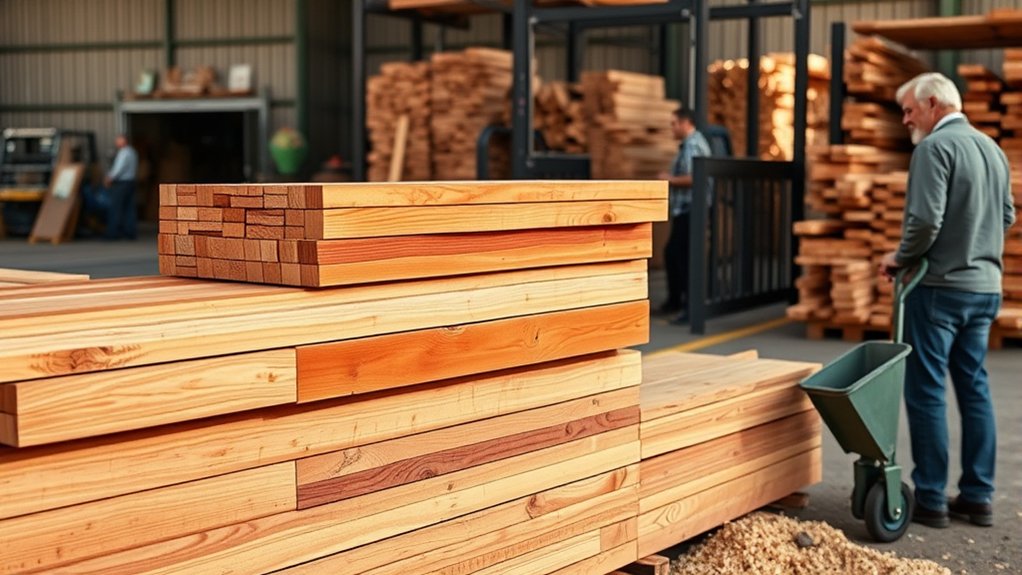
You can buy cedar wood from local lumber yards, big box stores, specialty suppliers, or online retailers, each offering distinct benefits. Local yards provide personalized service and inspection opportunities, while big box stores offer convenience and consistent quality.
Specialty suppliers focus on rare species and custom sizes. Online options may offer competitive pricing and bulk discounts with delivery.
Knowing how to spot quality and compare prices guarantees you get the right cedar for your project. More insights will help you make the best choice.
Key Takeaways
- Local lumber yards offer personalized service, better inspection opportunities, and negotiation options for quality cedar wood.
- Big box stores provide convenient access to a wide selection of near-perfect cedar lumber for DIY projects with tight timelines.
- Specialty cedar suppliers and online retailers offer rare species, custom sizes, and sustainable sourcing with competitive pricing and delivery options.
- Bulk purchases at local yards or online can yield significant discounts and savings on cedar wood prices.
- Inspect cedar lumber for quality by checking for kiln-dried boards, minimal knots, proper grading, and redness in Western Red Cedar.
Choosing the Right Cedar Wood for Your Project
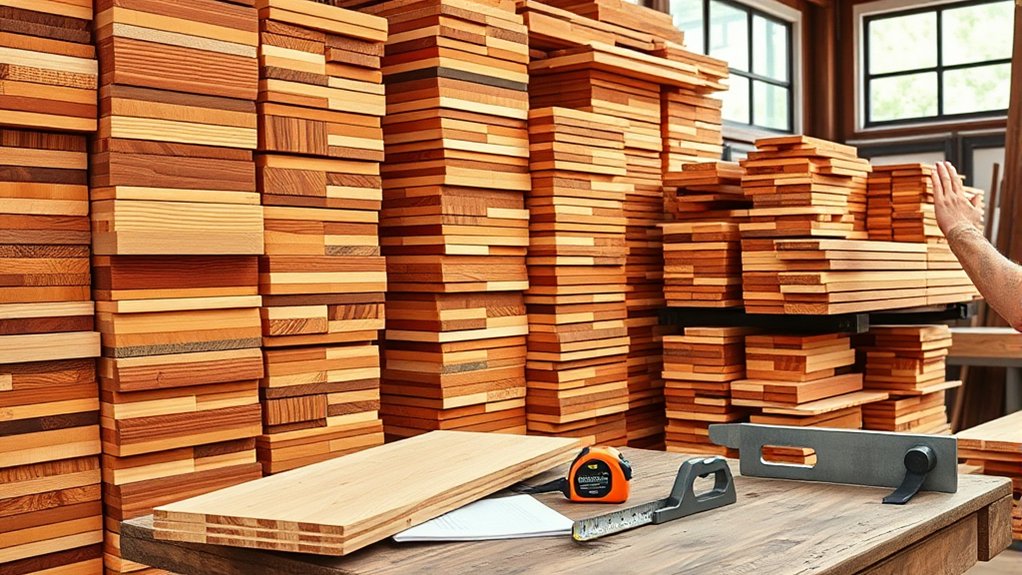
When selecting cedar wood for your project, you’ll want to match the type to its intended use. Aromatic Cedar Lumber is commonly used for closets and storage because it naturally repels insects.
On the other hand, Western red cedar lumber is great for outdoor furniture thanks to its superior rot resistance.
Pay attention to the lumber grade and choose kiln-dried cedar boards for interior projects to help minimize warping.
Western red cedar’s pale yellow hue and stability make it easy to work with, especially if you have architectural needs.
When you buy cedar lumber, take a close look for knots and defects. Some knots add character, but too many can make your work more complicated.
Also, buying from a local lumber yard often means better options and pricing, so you’ll get quality cedar lumber tailored for your specific application.
Local Lumber Yards vs. Big Box Stores: Where to Buy Cedar Wood
Although both local lumber yards and big box stores supply cedar wood, your choice depends on project requirements and priorities.
Local lumber yards offer personalized service and allow price negotiation, which is ideal for tailored cedar wood needs and larger projects. You can also leverage seasonal sales or bulk discounts.
Local lumber yards provide personalized service and price negotiation, perfect for customized cedar needs and bigger projects.
Plus, local yards let you inspect lumber closely for defects or warping.
On the other hand, big box stores provide a wide selection of cedar lumber in near-perfect condition. This means you get instant availability and convenience, especially if you’re working on a DIY project with a tight timeline.
However, big box stores generally lack flexible pricing and personalized guidance.
Whichever you choose, always inspect the cedar wood carefully to make sure it meets your quality standards.
Balancing convenience, cost, and customization will help you find the best source for your cedar wood purchase.
Specialty Cedar Suppliers and Unique Varieties
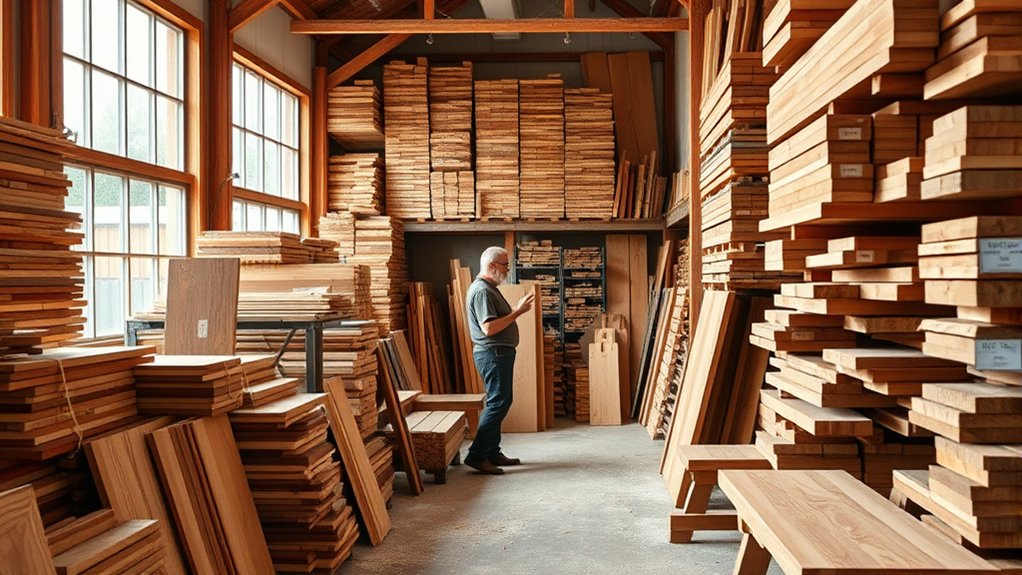
When you choose specialty cedar suppliers, you get access to some pretty unique species, like Spanish Cedar. It’s well-loved for its fine grain and wonderful aroma.
These suppliers don’t just offer any lumber—they provide high-grade pieces that are perfect for specific uses, such as architectural projects that call for FAS-1 grade.
On top of that, they often have rare products and custom sizes available.
Unique Cedar Species
Since specialty cedar suppliers focus on unique varieties, you can find species like Spanish cedar. It’s prized for its subtle fragrance and is ideal for fine furniture and humidors.
Aromatic cedar, also known as Eastern Red Cedar, offers natural insect-repellent properties. That makes it perfect for closet liners. Western red cedar is valued for its stability and rot resistance, so it suits outdoor applications well.
Choosing sustainably harvested cedar supports cedar sustainability. This helps ensure these unique species remain available for the future.
| Cedar Species | Key Characteristics |
|---|---|
| Spanish Cedar | Subtle fragrance, fine furniture, humidors |
| Aromatic Cedar | Insect-repellent, closet liners |
| Western Red Cedar | Stable, rot-resistant, outdoor use |
| Grading | High grades for architecture, lower for outdoor furniture |
Selecting the right species and grade really maximizes durability and function.
Specialty Supplier Benefits
Specialty cedar suppliers focus on providing unique varieties like Spanish Cedar and Aromatic Cedar that big box stores rarely stock.
When you buy from these suppliers, you gain access to higher-grade cedar lumber tailored for fine furniture or high-end cabinetry, ensuring superior quality. They offer a broad range of dimensions and styles, accommodating both small-scale and commercial projects.
Their knowledgeable staff can guide you in selecting the best cedar type for your specific application, enhancing performance and aesthetics.
Plus, many specialty suppliers emphasize sustainability practices by sourcing timber responsibly. This supports environmental stewardship and long-term resource availability.
Choosing specialty suppliers not only guarantees access to rare cedar types but also aligns your project with eco-conscious procurement standards.
That way, you boost both material value and your environmental impact.
Rare Cedar Products
Although rare cedar varieties can be challenging to find, specialty suppliers stock options like Spanish Cedar. This wood is prized for its subtle fragrance and durability in fine furniture and humidors.
You’ll also find aromatic cedar veneer sheets in various sizes. These are perfect for enhancing woodworking aesthetics. These suppliers often provide kiln-dried cedar, which offers dimensional stability and low moisture content—both vital for interior projects.
If you need high-grade cedar, such as FAS-1, specialty sources are your best bet, especially for architectural uses. Many prioritize sustainably sourced cedar, ensuring quality while supporting environmental responsibility.
When selecting rare cedar products, understanding proper Cedar Care is essential. This helps maintain the wood’s integrity and fragrance over time.
Specialty suppliers combine quality, variety, and sustainability, making them ideal for your unique cedar needs.
Buying Cedar Wood Online: Tips and What to Expect
When you buy cedar wood online, you benefit from competitive pricing and convenient bulk shipping options. Often, this includes free delivery within the continental U.S.
To guarantee a successful purchase, focus on these key points:
- Verify detailed product descriptions, including wood grades, dimensions, and species like Western Red Cedar. This is critical for cedar sustainability and project suitability.
- Examine supplier reviews and ratings to assess reliability and customer service. These can vary widely among vendors.
- Confirm estimated delivery times and prepare for possible shipping delays. These delays might happen due to the careful handling requirements of cedar wood.
How to Compare Prices for Cedar Lumber
When you’re comparing cedar lumber prices, it’s a good idea to check out both local lumber yards and big box stores. Local yards often let you negotiate prices, which can be a real advantage.
On the other hand, big box stores usually have a wider selection to choose from.
Also, don’t forget to look for bulk purchase discounts. These can really help bring down the cost per board foot, especially if you’re working on a large project.
And keep an eye on seasonal price changes, too. Timing your purchase around promotions and sales can save you quite a bit of money.
Local Vs Big Box
Since pricing for cedar lumber varies widely, comparing local lumber yards and big box stores requires attention to several key factors.
Your sourcing strategies should weigh convenience, price flexibility, and product quality carefully. Here’s what to evaluate:
- Price Negotiation: Local yards often let you negotiate, possibly securing better deals than the fixed prices at big box stores.
- Selection and Quality: Big box retailers provide consistent, high-grade cedar in large quantities. This is ideal if you need near-perfect lumber right away.
- Specialty Boards: Local suppliers may offer unique or harder-to-find cedar pieces at lower prices. This can add value for specialized projects.
Bulk Purchase Savings
Although bulk purchases often require a larger upfront investment, they usually offer significant savings by lowering the price per board foot or linear foot.
To maximize bulk purchase savings, compare prices between local lumber yards and big box stores. Local suppliers often allow negotiation on large orders, which can work in your favor.
Try discount strategies like requesting volume discounts or bundling different cedar grades.
Don’t overlook online retailers, but make sure to factor in shipping costs so you can accurately assess total expenses.
Always inspect the cedar’s quality before committing. Lower grades might reduce costs but can affect durability and appearance.
Seasonal Price Fluctuations
Beyond considering bulk purchase savings, you’ll want to monitor seasonal price fluctuations to optimize your cedar lumber budget. Price trends show demand spikes in spring and summer, raising costs for outdoor projects.
To compare prices effectively, focus on these strategies:
- Track local lumber yards and online retailers regularly to identify off-peak seasons when prices drop. This gives you a better chance to negotiate and save.
- Watch for seasonal sales and promotions at big box stores. They often offer competitive pricing that matches market demand shifts.
- Combine bulk purchase discounts with seasonal timing to maximize savings. Many suppliers provide consistent reductions on large orders no matter the season.
Spotting Quality Cedar Lumber: What to Look For
A key factor in selecting quality cedar lumber is understanding its grading and drying process. You want kiln-dried boards to reduce warping and maintain ideal moisture levels. This is essential for effective cedar maintenance.
Check for the FAS-1 grade if your project demands architectural precision. Lower grades work well for outdoor furniture.
Look for a reddish hue with random streaks in Western Red Cedar. Avoid excessive knots or defects.
| Attribute | What to Look For |
|---|---|
| Drying | Kiln-dried for stability |
| Grade | FAS-1 for architectural, lower for outdoor |
| Visual Quality | Reddish hue, minimal knots |
This way, you ensure you choose durable, stable cedar that fits your specific application.
Bulk Buying Cedar Wood: How to Save Money
When you buy cedar wood in bulk, you can greatly lower your overall costs by leveraging negotiable prices at local lumber yards and qualifying for bulk discounts.
Sustainable sourcing is also achievable by selecting reputable suppliers committed to eco-friendly practices.
To maximize savings and guarantee quality, consider these strategies:
To maximize savings and ensure quality, explore direct purchases, seasonal sales, and group buying opportunities.
- Purchase directly from manufacturers or wholesalers to avoid retail markups and access specialty cedar varieties at better prices.
- Take advantage of seasonal sales at specialty wood suppliers to stock up on different cedar grades affordably.
- Join woodworking clubs or online forums for group buys, which reduce shipping costs and secure bulk pricing.
These methods help you save money while promoting sustainable sourcing.
That way, your cedar wood projects are both cost-effective and environmentally responsible.
Shipping and Delivery Options for Cedar Wood Purchases
Three primary delivery methods dominate cedar wood purchases: fast nationwide shipping, in-store pickup, and local delivery. Many suppliers ship cedar wood within 1-2 business days from distribution hubs like Phoenix, ensuring efficient delivery timing across the contiguous 48 states. Free shipping is frequently included, enhancing value.
In-store pickup offers a reliable alternative, with orders typically ready within 24 hours at lumber outlets. This allows immediate collection to meet urgent project deadlines.
Local delivery services further expedite access, providing doorstep convenience without compromising delivery timing.
When ordering online, verify return policies for easy exchanges within 30 days. This helps safeguard your investment.
Frequently Asked Questions
How Should I Store Cedar Wood to Maintain Its Quality?
To maintain cedar wood quality, use proper storage solutions by keeping it in a cool, dry place away from direct sunlight.
Elevate boards on pallets or spacers for air circulation and to prevent moisture absorption.
If humidity is high, run a dehumidifier to avoid mold growth.
Wrap cedar in breathable materials like burlap for long-term storage.
Make sure to regularly inspect for pests or decay.
These steps help guarantee your cedar stays stable and durable over time.
Can Cedar Wood Cause Allergic Reactions or Skin Irritation?
Yes, cedar wood can cause allergic reactions and skin irritation because of its strong aromatic compounds. If you’re sensitive or allergic, you might notice rashes, nasal congestion, or even some respiratory discomfort.
To minimize allergic reactions, it’s a good idea to wear protective gear like masks and gloves when handling cedar. This is especially important if you’re cutting or sanding it.
Taking these precautions helps reduce your exposure to cedar sawdust, which is the main irritant behind these symptoms.
What Are the Environmental Impacts of Harvesting Cedar Wood?
You’d love it if harvesting cedar wood magically left forests untouched, right? Unfortunately, it often causes deforestation, soil erosion, and disrupts ecosystems.
The irony is that without sustainable practices like selective logging and replanting, cedar forests lose their carbon sequestration power, worsening climate change.
To combat this, look for certified sources that guarantee responsible harvesting. This helps maintain forest health and biodiversity while still providing you with quality cedar wood.
It’s all about making choices that support both the environment and your needs.
How Long Does Untreated Cedar Wood Typically Last Outdoors?
Untreated cedar wood typically lasts outdoors between 5 to 15 years.
Durability factors like environmental exposure, moisture levels, and local climate greatly influence its lifespan. Areas with high humidity or frequent rain can reduce durability closer to five years.
You can extend its life by ensuring proper ventilation and drainage to minimize moisture retention.
Regular maintenance, such as sealing or staining, is essential to enhance cedar’s natural resistance and overall durability outdoors.
Taking these steps really helps your cedar wood stand up better to the elements over time.
Are There Any Special Tools Needed for Working With Cedar Wood?
You don’t need special tools for cedar wood, but sharp blades and drill bits are essential to avoid splintering and tear-out.
Tool recommendations include a miter saw or table saw for precise cuts, and a jigsaw for curves.
Sanding with 120-220 grit paper enhances smoothness without damaging the wood.
Use non-toxic finishes to preserve cedar’s aroma.
Staying precise with these tools guarantees clean, professional results when working with cedar.
It’s really about keeping things sharp and steady to make your project shine.
Conclusion
Whether you opt for the convenience of big box stores or the specialty variety from niche suppliers, knowing where and how to buy cedar wood sharpens your project’s success. Local yards let you check the quality up close, while online sources offer more variety and often better prices.
It’s all about balancing these options. Comparing prices carefully and spotting good quality helps you get the best cedar wood without overspending.
In the end, making informed choices turns raw lumber into lasting craftsmanship.