Can You Recycle Wood: Easy Ways To Dispose And Reuse Wood Properly
You can recycle wood by sorting it into untreated, lightly painted, or treated categories. Make sure to remove any nails and clean the wood thoroughly before recycling.
Untreated wood is perfect for donation or DIY projects like garden beds or furniture. On the other hand, treated and painted wood needs careful disposal because of the chemicals involved. These types should be taken to specialized facilities or hazardous waste sites.
Many local centers accept clean, untreated wood to recycle it into mulch or biomass fuel. It’s worth exploring more steps to maximize wood reuse and ensure disposal is safe and eco-friendly.
Which Wood Can You Recycle and Reuse?
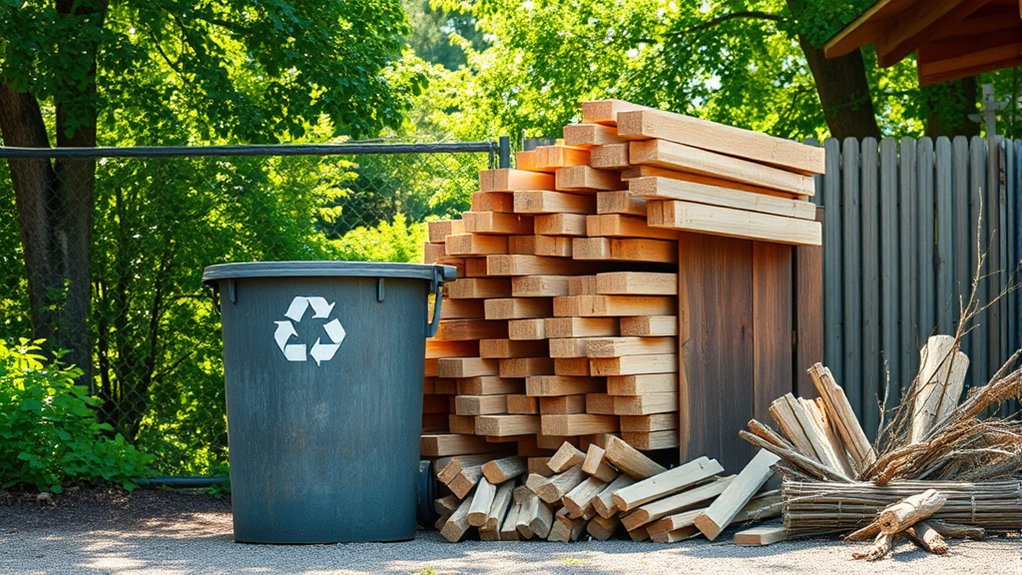
When deciding which wood you can recycle and reuse, it’s crucial to distinguish between untreated and treated wood.
Untreated wood is your best candidate for recycling because it lacks chemical coatings. That makes it safe for repurposing in DIY projects like garden beds or furniture.
Untreated wood is ideal for recycling, safe for DIY projects like garden beds and furniture.
On the other hand, treated wood often contains harmful chemicals that complicate disposal and recycling processes. It usually requires special handling.
Painted wood may also pose risks because of toxic substances in the paint, so you should handle it with care or avoid reusing it altogether.
Composite wood generally isn’t accepted at recycling centers, which limits your options.
Always check local regulations to make sure you’re following the right guidelines for wood disposal.
Sorting and Preparing Wood for Recycling
Because different types of wood require distinct handling, you should start by sorting them into untreated, lightly painted, and pressure-treated categories. This sorting is essential since each type has specific recycling or disposal protocols.
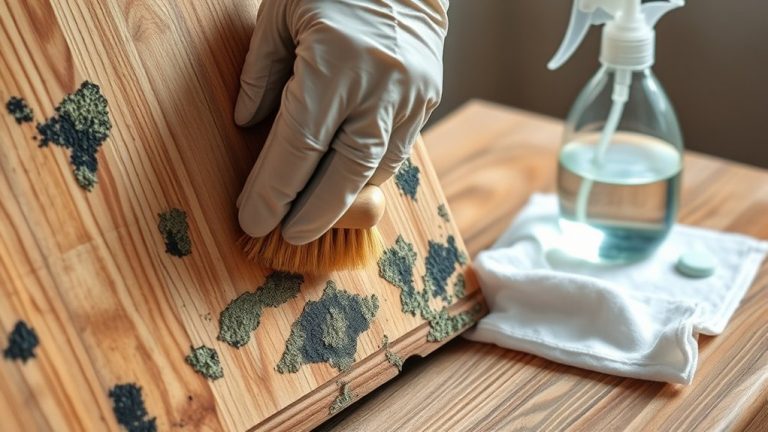
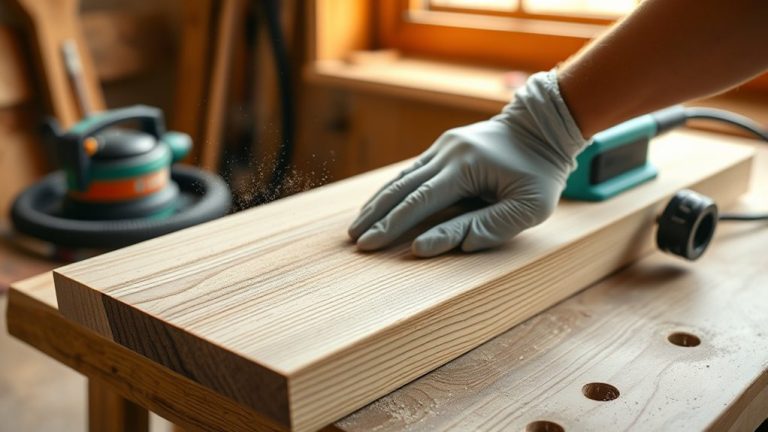
Next, remove any non-wood materials like nails, screws, or metal fasteners to prevent contamination during processing. Focus on preparing clean wood by thoroughly eliminating dirt, grease, or chemicals. Most recycling centers accept only untreated, clean wood.
Use a measuring tape to verify the size and condition, making sure the wood meets local facility requirements. Always check your local regulations because some centers restrict treated or painted wood.
Where to Donate or Drop Off Usable Lumber
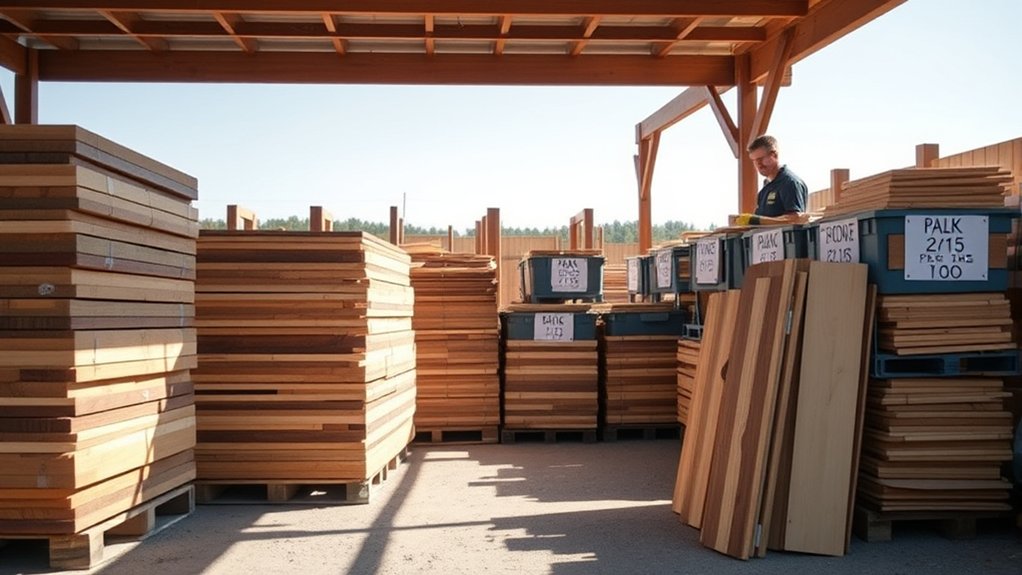
You can donate usable lumber to places like Habitat for Humanity ReStore or local woodworking clubs.
They often use the wood for community projects and DIY activities. Just make sure the wood is untreated and clean because many places won’t accept pieces that are painted or chemically treated.
If donating isn’t an option, you might want to check with your local municipal waste authorities.
They usually have drop-off facilities that handle recyclable wood properly, so that’s another good way to get rid of your lumber responsibly.
Donation Locations Overview
Although finding the right place to donate usable lumber may seem challenging, numerous options exist to guarantee your wood gets a second life. Donation locations like Habitat for Humanity ReStore, local woodworking clubs, and community centers readily accept untreated, clean wood.
These organizations prioritize sustainability and community benefit, ensuring your lumber is properly disposed of by repurposing it for building projects or DIY use.
Avoid donating wood with paint, stain, or chemicals, as these are typically rejected. Furthermore, many municipalities provide designated drop-off points for leftover lumber, simplifying responsible recycling for homeowners and contractors.
To identify the best donation locations near you, contact local waste authorities or check online resources.
Taking these steps helps reduce landfill waste while supporting community needs efficiently and responsibly. It’s a win-win for you and your community!
Drop-Off Facility Options
When looking to recycle usable lumber, identifying the right drop-off facility can really streamline the process and make sure your wood gets repurposed effectively.
Here are four key options for wood recycling:
- Construction and demolition recycling centers often accept untreated wood to help reduce landfill waste.
- Habitat for Humanity ReStore welcomes usable lumber donations, supporting community projects.
- Community centers and woodworking clubs may offer programs to repurpose excess wood sustainably.
- Always verify your wood is untreated and free of paint or chemicals, since treated wood is usually rejected.
Before you drop off your wood, check if there are any disposal fees or local guidelines to avoid surprises.
Proper sorting makes recycling more efficient and helps keep your efforts environmentally responsible.
Creative Ways to Repurpose Scrap Wood at Home
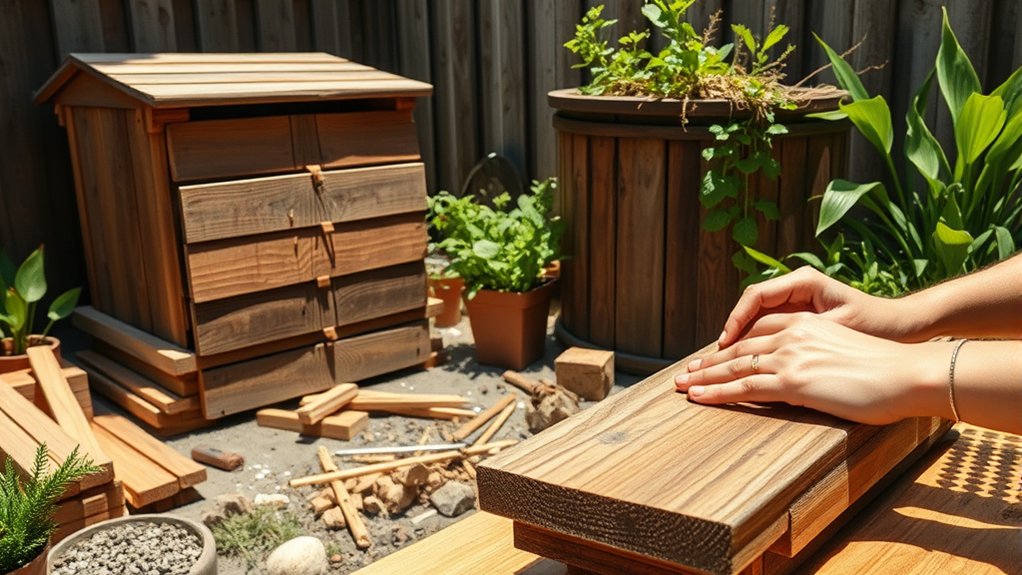
You can easily turn scrap wood into functional garden beds. Not only does this help your plants thrive, but it also cuts down on waste.
Plus, building DIY furniture like benches or shelves is a great way to personalize your space using sustainable materials.
And if you’re feeling crafty, making small decorative or practical items is a fun way to get the most out of your wood while supporting eco-friendly projects at home.
Garden Projects Ideas
Since scrap wood offers versatile possibilities, repurposing it for garden projects both conserves resources and enhances your outdoor space.
Using untreated wood lets you recycle used materials safely, avoiding chemical risks in soil and plants.
Consider these practical ideas:
- Build raised garden beds from untreated scrap wood to improve soil drainage and plant health while efficiently recycling used wood.
- Construct compost bins to manage organic waste and create nutrient-rich soil amendments.
- Create planter boxes with reclaimed wood, ideal for flowers and herbs without chemical contamination.
- Craft garden trellises to support climbing plants, optimizing vertical space and adding visual interest.
These projects maximize sustainability and functionality.
Plus, they make sure your garden benefits from thoughtful reuse of scrap wood.
DIY Furniture Builds
Repurposing scrap wood doesn’t have to stop at garden projects; it offers a wealth of opportunities to create functional and stylish furniture for your home. By embracing recycling, you can transform untreated wood or lightly painted scraps into benches, tables, or sawhorses. This way, you reduce waste while adding unique, personalized pieces to your space.
Using untreated wood is especially important when crafting furniture for food-related or outdoor use because it minimizes exposure to harmful chemicals. For example, planter boxes made from reclaimed untreated wood not only support sustainability but also provide a safe environment for growing edible plants.
Plus, converting old pallets into coffee tables or seating really shows off the versatility and eco-friendliness of recycled materials. It’s a great way to combine creativity with responsible material reuse.
Creative Craft Uses
Explore innovative ways to transform scrap wood into creative craft projects that enhance your home’s charm and functionality. Instead of tossing wood scraps into a recycling bin, consider repurposing this renewable resource for practical and decorative uses.
Here are four ideas to get you started:
- Build planter boxes or garden beds from untreated wood for safe outdoor use.
- Craft rustic shelves or small furniture pieces that add character and utility indoors.
- Create pet enclosures or birdhouses, promoting sustainability and wildlife support.
- Make decorative items like picture frames, wall art, or candle holders from small scraps, reducing waste.
Give these ideas a try and see how a few scraps of wood can turn into something both useful and beautiful around your home!
Safe Disposal of Treated and Painted Wood
Although treated and painted wood may seem suitable for reuse, you must handle their disposal with care due to potential health hazards.
Treated wood is commonly used outdoors and can release harmful dust, so it shouldn’t be repurposed indoors. Instead, you should dispose of it at municipal dumps or specialized facilities designed to manage such materials safely.
Painted wood may contain toxic substances like lead, so testing is essential before reuse or disposal. To avoid contamination, handle painted wood carefully and either discard it with regular garbage if allowed or use designated hazardous waste sites.
Never burn treated or painted wood, as this releases toxic emissions.
Always check local regulations since proper disposal methods for these materials often vary and are legally mandated to protect public health and the environment.
Local Wood Recycling Pickup and Junk Removal Services
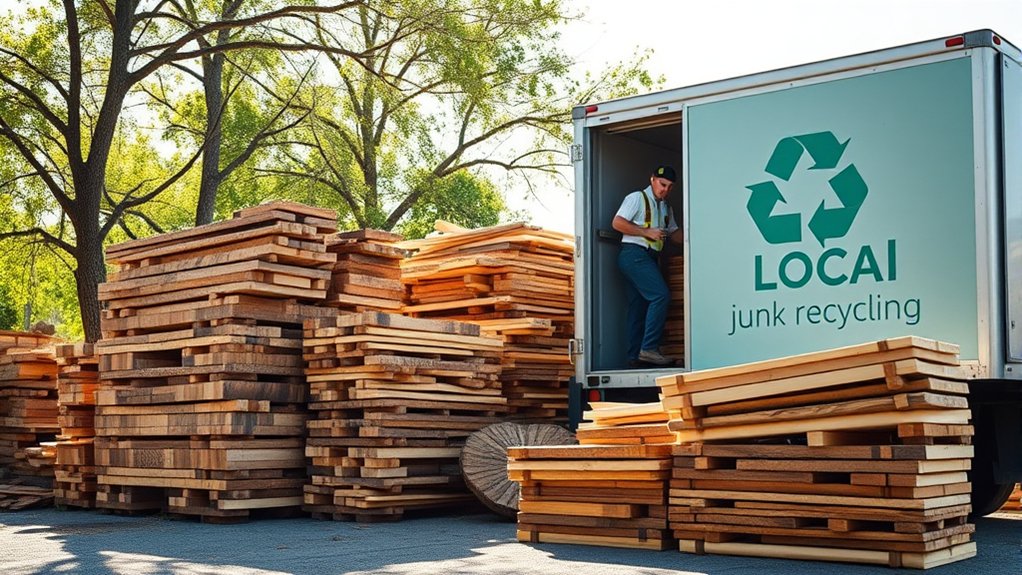
When you need to dispose of wood waste but don’t have a way to transport it yourself, many municipalities offer curbside bulk pickup services.
These services handle both untreated and treated wood, following local regulations. Using local waste options helps you stay compliant and be environmentally responsible.
Plus, junk removal services provide a convenient and professional way to get rid of wood waste.
Here’s how you can make the most of these resources:
- Schedule curbside bulk pickups through your municipality for easy local waste disposal.
- Reach out to junk removal companies like 1-800-GOT-JUNK to handle wood waste responsibly, including donation or recycling.
- Drop off untreated wood at local wood recycling or construction and demolition facilities if you have larger amounts.
- Pick junk removal services that sort wood properly to boost recycling rates and cut down landfill waste.
These options make wood disposal simpler and support sustainable waste management.
What Happens to Wood After Recycling
Once you’ve arranged for local pickup or junk removal of wood waste, it’s good to know what happens next and how it impacts the environment.
After collection, the wood is shredded and any contaminants are removed to make sure it’s ready for reuse.
The processed wood usually gets turned into wood chips, which are great for mulch or ground coverings in landscaping.
Plus, recycled wood can be made into panel boards, plywood, or even biomass fuel.
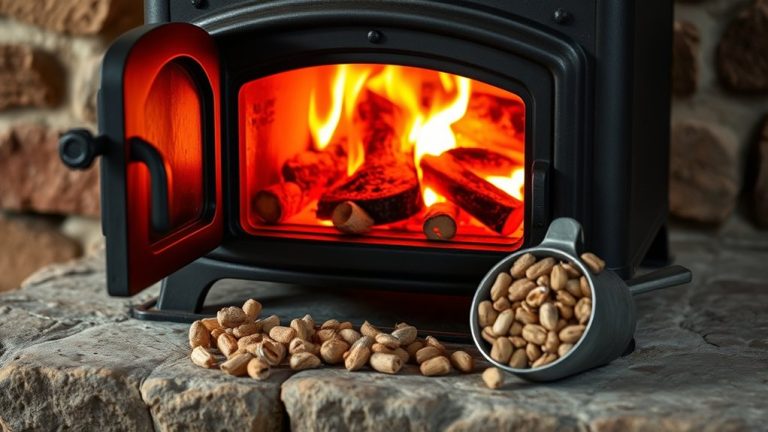
Interestingly, about 65% of recycled wood is used to fuel biomass applications, which helps generate renewable energy.
About 65% of recycled wood powers biomass energy, turning waste into renewable resources.
This whole process helps cut down on landfill waste and reduces the need for new timber.
So, by recycling wood properly, you’re really helping conserve resources and ease the strain on the environment.
It’s a simple step that makes a big difference!
Frequently Asked Questions
Can Wood Recycling Help Reduce Greenhouse Gas Emissions?
Yes, wood recycling can greatly reduce your carbon footprint by lowering greenhouse gas emissions.
When you recycle wood, you prevent methane release from decomposition in landfills and decrease demand for virgin timber, preserving forests that absorb carbon dioxide.
These sustainability benefits also include reduced energy consumption compared to processing new wood.
So, recycling wood is an effective way to minimize environmental impact and promote a more sustainable resource cycle.
It’s a simple step that can make a big difference.
Is Recycled Wood Suitable for Building Furniture Commercially?
Absolutely, recycled wood can be suitable for building furniture commercially.
You just need to make sure the furniture quality meets industry standards.
It’s important to carefully assess the structural integrity and check that any treatments don’t compromise safety.
The reclaimed look adds a unique charm that many eco-conscious consumers love.
By choosing recycled wood, you’re not only cutting costs but also embracing sustainable practices.
This way, your furniture ends up being both stylish and responsible.
How Long Does Recycled Wood Typically Last Compared to New Wood?
Recycled wood typically matches or even exceeds new wood in durability, especially in applications like furniture or outdoor structures. Its lifespan can range anywhere from 10 to 100 years. This depends on the type of wood, how it was treated before, and how well it’s maintained.
Hardwoods like oak tend to be more durable than softwoods, which is good to keep in mind.
When recycled wood is properly treated, it can handle environmental stress just as well as new wood.
Are There Any Health Risks Associated With Handling Recycled Wood?
Handling recycled wood can be like walking through a minefield if you ignore wood treatment and safety precautions. Treated or painted wood may contain toxic chemicals or lead, posing health risks through dust or direct contact.
You should always wear protective gear, guarantee proper ventilation, and test for lead before reuse.
Keep children and pets away, and dispose of hazardous wood properly to minimize exposure and stay safe while working.
It’s really important to take these steps seriously because the risks are real. Staying cautious helps you avoid health problems down the line.
Can Wood Pallets Be Recycled or Reused Safely at Home?
Yes, you can safely recycle and reuse wood pallets at home through pallet upcycling.
Start by checking for the “HT” stamp to confirm pallets aren’t chemically treated. Always wear gloves and a dust mask as safety precautions when handling or cutting pallets to avoid splinters and inhaling dust.
Clean pallets thoroughly before repurposing them into furniture or garden projects.
Following these steps helps you upcycle wood responsibly and safely. It’s a great way to give old pallets a new life without worrying about safety.
Conclusion
Recycling wood matters more than you might think. About 60% of wood waste can be repurposed or recycled, which really helps reduce landfill strain.
By sorting and preparing your wood correctly, you’re not just conserving resources—you’re also supporting sustainable practices. It’s a simple way to make a positive impact.
Whether you donate usable lumber or creatively repurpose scraps at home, you play a key role in closing the wood recycling loop. And when it comes to treated wood, proper disposal is important for safety. That way, your efforts are both effective and responsible.