Can I Use Rustoleum On Wood: Best Use Cases Explained
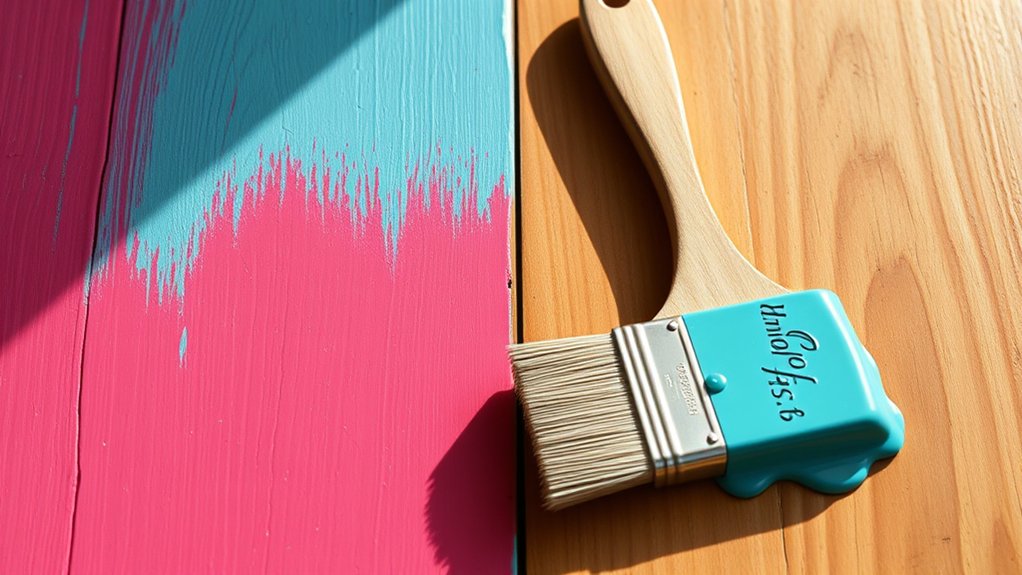
You can definitely use Rustoleum on wood, especially for outdoor furniture. It provides durable protection against rain and UV damage. Just make sure to start by cleaning and sanding the wood first.
Then, apply a primer like Zinsser Bulls Eye 1-2-3 to help the paint stick better. You can choose products like Varathane Wood Stain if you want to bring out the wood grain, or go with 2X Ultra Cover Spray Paint for a pop of color.
Finally, finish up with clear sealants to protect your work and make it last longer. There’s actually a lot more to learn about prepping and applying, so feel free to explore further!
When to Use Rustoleum on Wood?
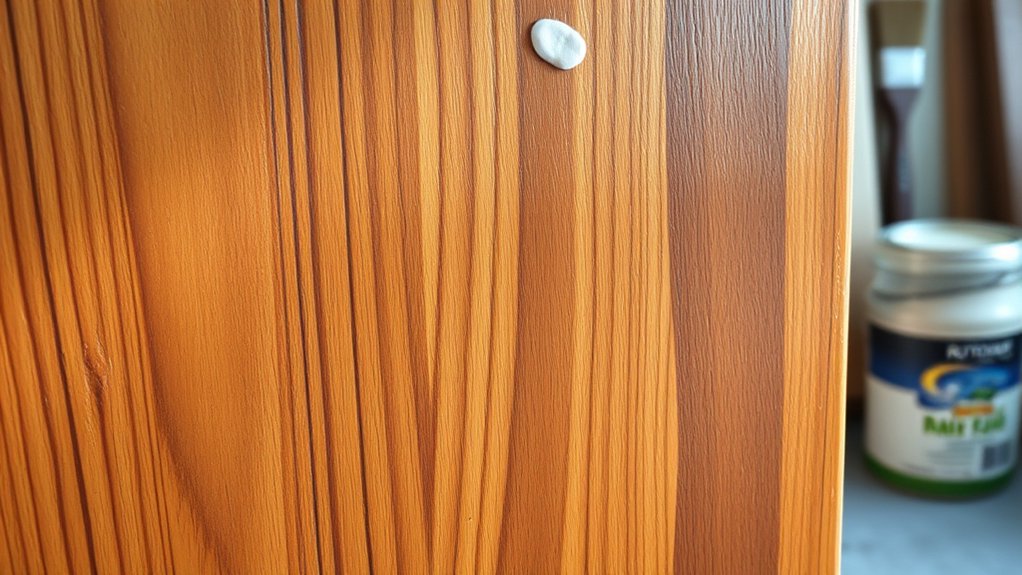
When should you use Rustoleum on wood? You’ll want to apply Rust-Oleum when you need durable protection, especially for outdoor furniture exposed to rain and UV damage. Its weather-resistant properties shield wood effectively, extending the life of your pieces.
Before applying Rust-Oleum, untreated wood benefits from a primer like Zinsser Bulls Eye 1-2-3. This helps improve adhesion and finish quality.
Untreated wood should be primed with Zinsser Bulls Eye 1-2-3 for better Rust-Oleum adhesion and finish.
If you want to highlight wood grain while adding color, Rustoleum’s Varathane Wood Stain is a great choice.
For projects needing a quick finish, the fast-drying Rustoleum 2X Ultra Cover Spray Paint saves you time without compromising coverage.
Whether you’re aiming for decorative appeal or protection, applying Rust-Oleum is a versatile solution that suits various woodworking projects.
Choosing the Best Rustoleum Products for Wood
When you’re picking out Rustoleum products for wood, the first thing to think about is the type of finish you want and whether it works well with your surface.
You’ve got options like spray paints, stains, primers, and topcoats, and each one has its own role depending on what your project needs.
Knowing these basics makes it way easier to choose the right product, so you end up with results that look great and last long.
Product Types Overview
Although wood surfaces vary widely, choosing the right Rust-Oleum product can make all the difference in achieving a durable, attractive finish. Rust-Oleum products offer several wood-friendly options tailored to your project needs.
For vibrant coverage, 2X Ultra Cover Spray Paints provide excellent adhesion and color variety. If you prefer enhancing natural grain, Varathane Wood Stain adds rich tones while protecting the wood.
For a vintage, ultra-matte look, the Chalked Paint line works perfectly on furniture and decor.
Don’t forget to use Zinsser Bulls Eye 1-2-3 Primer on bare or dark wood to improve paint adhesion.
Once painted, apply a Rust-Oleum clear coat, such as an acrylic sealant, to lock in color and add lasting protection.
Each product’s technique guarantees you get the best results on your wood project.
Surface Compatibility Guide
Selecting the right Rust-Oleum product for your wood surface depends on understanding the material’s condition and your desired finish.
If you’re working with bare wood or changing colors drastically, start with Zinsser Bulls Eye 1-2-3 Primer to guarantee proper adhesion and an even base.
For enhancing wood grain, Varathane Wood Stain offers rich hues that highlight natural beauty.
The 2X Ultra Cover Spray Paint provides a durable, quick-drying finish ideal for various wooden projects.
To achieve long-lasting protection, apply a polyurethane topcoat. You can choose water-based or oil-based depending on your preference to guard against wear, moisture, and UV damage.
By matching Rust-Oleum products to your wood surface’s specific needs, you’ll ensure both aesthetic appeal and durable results.
It’s all about picking what works best for your project!
How to Prepare Wood for Rustoleum Paint
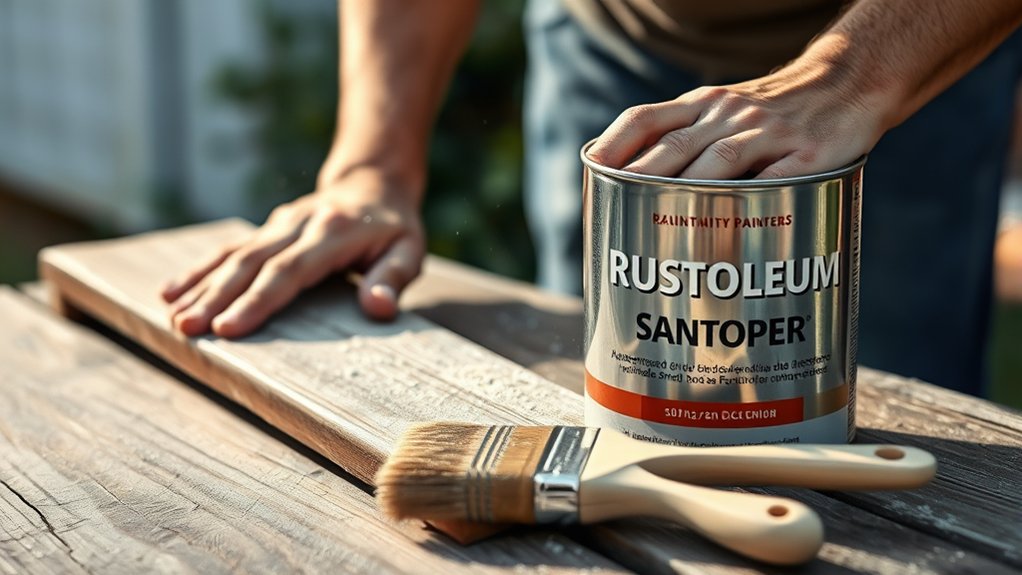
Before applying Rustoleum paint, you need to prepare the wood properly to guarantee the paint adheres well and lasts. Start with thorough preparation by cleaning the surface using a damp cloth and mild detergent to remove dirt and grime, which improves adhesion.
Next, sand the wood with medium-grit sandpaper to smooth imperfections and create a bondable surface. Wipe away all dust with a tack cloth or lint-free cloth to verify no residue interferes with the finish.
For bare wood or darker colors, apply a primer like Zinsser Bulls Eye 1-2-3 to enhance adhesion and provide a smooth base.
Finally, make sure the wood is completely dry before painting. Moisture can compromise both adhesion and the finish quality.
This preparation sets you up for a durable, attractive paint job. Taking these steps really pays off in the long run.
How to Apply Rustoleum for a Smooth Finish
Start by cleaning and sanding the wood thoroughly. This helps the surface get ready for the paint.
Next, apply a suitable primer—this step is important because it makes sure the paint sticks well.
Once your primer is dry, shake your Rustoleum can really well. When you spray, hold the can about 10-12 inches away and apply thin, even coats. Spraying too close or too thick can cause drips, so take your time.
After each layer, let it dry for about 20-30 minutes before adding another coat. Doing this will help you achieve a smooth, durable finish that looks professional.
Keep building up those layers until you’re happy with the coverage.
Surface Preparation Steps
Three key steps will set you up for a smooth Rustoleum finish on wood: cleaning, sanding, and priming. Surface preparation is essential to guarantee the paint adheres well and looks flawless.
Start by thoroughly cleaning the wood with a damp cloth and mild detergent to remove dirt and grease.
Next, use medium-grit sandpaper to smooth the surface, which enhances paint adhesion. After sanding, wipe away dust with a tack cloth for a clean application.
Finally, apply a primer like Zinsser Bulls Eye 1-2-3, especially on bare wood, to create a smooth base.
- Clean the wood surface thoroughly
- Sand with medium-grit sandpaper
- Remove dust with a tack or lint-free cloth
- Apply primer for even coverage and durability
Application Techniques Overview
Select the right application method, whether it’s a brush, roller, or spray, based on your project’s size and detail to guarantee a smooth Rustoleum finish.
For large, flat areas, use a foam roller to cover quickly and evenly. Synthetic brushes work best for detailed sections.
Spray application offers the fastest, most uniform coverage, but always test the nozzle first on cardboard to avoid drips.
Before applying, make sure your wood surface is clean and sanded to improve paint adhesion.
Apply Rustoleum in thin, even layers, letting each coat dry 20-30 minutes before adding the next.
This careful approach to application methods guarantees a professional finish, prevents uneven buildup, and enhances durability.
Following these steps helps you achieve a flawless, long-lasting Rustoleum coating on wood.
Drying And Coating Tips
Although applying Rustoleum paint might seem straightforward, paying close attention to drying and coating techniques is essential for a smooth, durable finish.
To get the best results, you should always let each coat dry completely before adding another. Applying thin, even layers not only prevents drips but also promotes better paint adhesion.
Avoid thick coats because they can cause uneven drying and ruin your finish. Before painting, use a tack cloth to eliminate dust after sanding. This helps ensure a sleek surface.
- Allow 20-30 minutes drying time between coats
- Spray from 10-12 inches for even coverage
- Apply thin, even layers instead of thick coats
- Use a primer on bare wood for better paint adhesion
Following these tips will help you achieve a flawless Rustoleum finish on wood. Give it a try and see the difference for yourself!
How to Seal and Protect Rustoleum Paint on Wood
Applying 2-3 coats of a clear acrylic sealant is key to protecting your Rustoleum paint on wood from scratches and moisture. To guarantee ideal protection, apply each layer evenly and allow adequate drying time between coats.
Apply 2-3 even coats of clear acrylic sealant with proper drying for lasting Rustoleum paint protection on wood.
You can choose between spray or roll-on clear coat methods depending on your project’s size and detail. Spray applications offer smooth, even coverage for intricate areas, while roll-ons work well for larger surfaces.
This clear coat acts as a durable barrier, preserving Rust-Oleum’s finish and enhancing longevity.
Remember, regular maintenance by reapplying a clear coat when you notice wear will keep your wood looking fresh and protected.
Following these steps guarantees your painted wood stays vibrant and well-shielded against everyday wear. It’s really all about keeping that finish looking great for the long haul!
Why Rustoleum Is Durable and Weather-Resistant on Wood
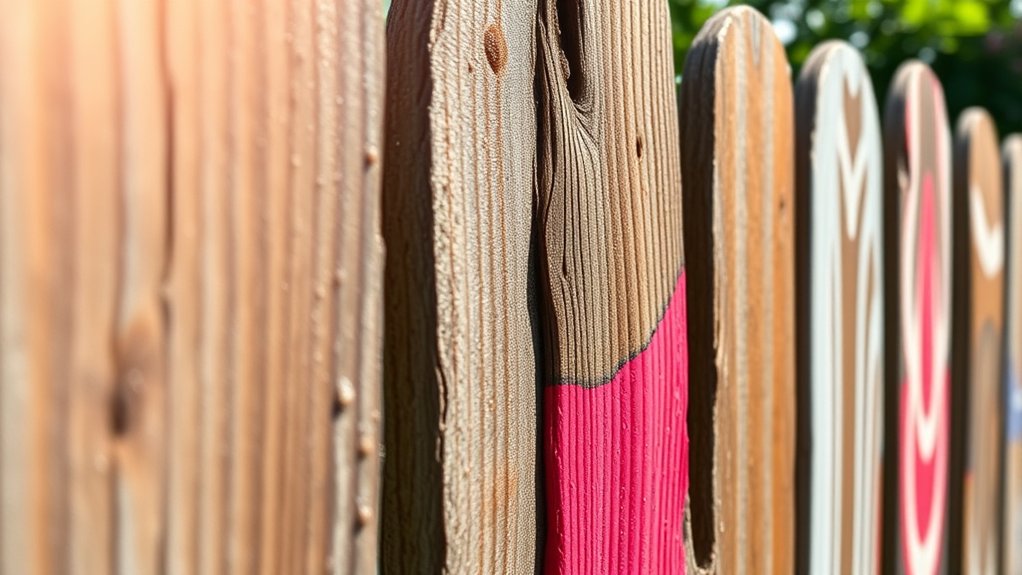
Because Rust-Oleum uses advanced oil-based formulas combined with UV protection and scratch-resistant additives, it delivers exceptional durability and weather resistance on wood surfaces.
When you apply Rust-Oleum, you benefit from its weather-resistant properties that shield wood from moisture and sun damage. This helps prevent rot and fading. Its durable finish stands up to everyday wear, making it perfect for outdoor furniture or decks.
Here’s why Rust-Oleum works so well on wood:
- Advanced oil-based formulas resist rust and moisture
- UV protection keeps colors vibrant longer
- Scratch-resistant additives reduce surface damage
- Optional polyurethane topcoats add extra durability
Using Rust-Oleum means your wood stays protected and looks great through all kinds of weather. It’s a smart choice for keeping your wood surfaces strong and attractive over time.
Troubleshooting Common Rustoleum Problems on Wood
Rust-Oleum offers strong protection and a lasting finish on wood, but you might still encounter a few common issues during or after application. To troubleshoot common Rustoleum problems on wood, first verify the surface is clean and sanded well to boost paint adhesion and prevent peeling.
Avoid painting in high humidity or low temperatures because this hampers drying and leaves the finish tacky. If you notice bubbling, it’s likely from applying too thick a coat. Try applying thinner layers and allow adequate drying time between coats.
Also, test the spray nozzle on cardboard before use to avoid uneven coverage and drips.
If your finish looks dull or uneven, applying a clear coat can restore its shine and provide extra protection. It’s a simple step that can make a big difference.
Safety and Cleanup Tips for Rustoleum on Wood
When working with Rustoleum on wood, you should always prioritize safety by guaranteeing good ventilation in your workspace. Open windows or use fans to keep fresh air circulating and reduce fume buildup. Following proper safety precautions helps protect you from harmful chemicals and guarantees a smooth project.
Always wear protective gear like gloves, safety glasses, and masks to avoid skin and eye contact.
Cleanup tips are essential; handle spills immediately and dispose of waste correctly to prevent environmental harm. Remember to read product labels for any specific guidelines.
- Work in a well-ventilated area to minimize fume inhalation
- Wear gloves, safety glasses, and masks for protection
- Clean spills promptly with appropriate solvents
- Dispose of containers and rags according to local regulations
Frequently Asked Questions
Can Rustoleum Be Used on Painted or Stained Wood?
Yes, you can use Rust-Oleum on painted or stained wood, but surface preparation is key.
Clean the wood thoroughly to remove dirt and grease, then lightly sand the finish to improve paint adhesion.
If you’re covering a dark stain, applying a primer helps guarantee even coverage. Proper prep boosts finish durability, so you get a smooth, long-lasting result.
Always test a small area first to confirm compatibility and achieve your desired look. It’s a simple step that can save you a lot of hassle later on.
How Long Does Rustoleum Take to Fully Cure on Wood?
Like waiting for paint to set like morning dew drying in the sun, Rustoleum takes about 24 hours to fully cure on wood. Your application techniques matter. Applying thin, even coats speeds drying times.
Don’t skip surface preparation. Sanding and cleaning guarantee better adhesion.
Is Rustoleum Safe for Children’s Wooden Toys?
Yes, you can use Rustoleum on children’s wooden toys, but only if you choose non-toxic finishes designed for children’s safety.
You’ll want to pick water-based options with durable coatings that minimize harmful chemicals.
Make sure the paint is fully cured before giving the toy to your child to avoid any risk of paint transfer.
It’s always a good idea to regularly inspect the toy to maintain safety and ensure the finish stays intact over time.
That way, you keep the toys looking great and safe for play!
Can I Mix Rustoleum Colors for Custom Shades?
Yes, you can mix Rustoleum colors for custom color mixing, but you need to pay attention to color compatibility.
Stick to the same product type, like spray paint, to keep texture and drying times consistent. Use proper spray paint techniques by thoroughly stirring and testing small batches first.
This way, you’ll avoid surprises and get even, personalized shades that match your project’s needs perfectly.
It’s all about experimenting a little and seeing what works best for you. Just take your time, and you’ll be happy with the results.
Does Rustoleum Prevent Wood From Rotting or Warping?
Of course, Rust-Oleum won’t magically stop wood from rotting or warping if you just slap it on without care. Effective wood preservation techniques demand proper wood surface preparation. That means cleaning, sanding, and priming.
Follow Rust-Oleum application methods closely, applying its oil-based formulas evenly for moisture and UV barrier protection.
Regular maintenance and reapplication keep wood strong and stable. This way, your piece becomes a weather-resistant asset rather than a warped disappointment.
Conclusion
You can confidently choose Rustoleum for wood projects, creating fascinating, colorful, and consistently clean results. By preparing properly, applying attentively, and sealing securely, you’ll safeguard your surfaces against weather wear and weariness.
Remember, Rustoleum’s durable design delivers dependable defense, making your woodwork wonderfully weather-resistant. Troubleshoot thoughtfully, work with care, and clean up carefully to complete your craft.
With these steps, your wood will wow with lasting, lively looks every time.