
Can You Use Vinegar On Wood: Safe Cleaning Guide
You can use vinegar on sealed wood by diluting it 1:1 with water to avoid damaging the finish. Always test on a hidden spot first and apply with a soft microfiber cloth.
Avoid vinegar on unfinished or waxed wood, as its acidity can warp, strip oils, or remove wax. For those surfaces, stick to pH-neutral cleaners instead.
Proper preparation and drying after cleaning help protect your wood. Keep exploring for tips on effective vinegar cleaning and wood care.
Using Vinegar Safely on Wood Surfaces

When using vinegar on wood surfaces, you should always dilute it with water in a 1:1 ratio to avoid damaging the finish. This vinegar and water cleaning solution effectively dissolves dirt and grime without compromising the protective coating.
Before applying it widely, test the solution on a small, hidden area to guarantee no adverse reaction occurs.
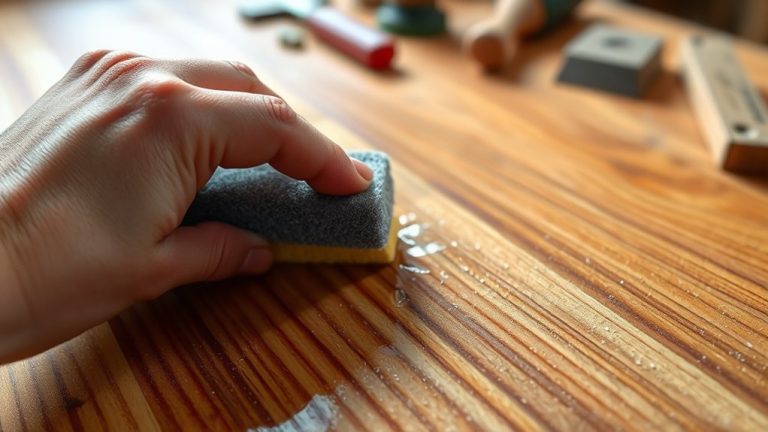
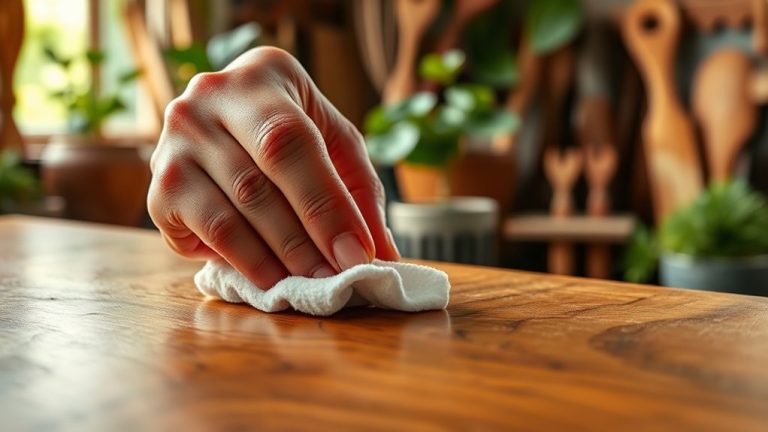
Use a soft microfiber cloth to apply the cleaning solution gently. This helps you avoid scratching the wood surface. Never apply undiluted vinegar, as its acidity can strip finishes over time.
When to Avoid Vinegar on Unfinished or Waxed Wood
You should avoid using vinegar on unfinished wood because its acidity can damage the fibers and cause warping.
Plus, vinegar strips wax from waxed wood, which dulls the finish and leaves the surface vulnerable to damage.
Risks With Unfinished Wood
Although vinegar is a popular natural cleaner, you should avoid using it on unfinished or waxed wood because it can cause damage. Unfinished wood doesn’t have a protective seal, so it’s very porous and can soak up moisture from acidic solutions like vinegar. This soaking can lead to warping, swelling, and staining, which might cause long-term structural problems.
The acidity in vinegar also strips away natural oils that are important for keeping the wood strong and healthy.
When you’re thinking about cleaning unfinished wood, it’s best to stick with gentle, non-acidic cleaners. If you really want to try vinegar, test it first on a small, hidden spot to see if it causes any issues.
Knowing these risks helps you pick safer cleaning methods. That way, you can keep the wood looking natural and beautiful without causing any lasting damage.
Waxed Wood Damage
Vinegar’s acidic nature doesn’t just affect unfinished wood; it can also harm waxed wood surfaces by stripping away the protective wax layer. This causes waxed wood damage, resulting in dullness and possible discoloration.
When cleaning wood treated with wax, the acidity in vinegar may react with the wax, leaving a sticky residue that’s tough to remove.
Using vinegar can degrade the finish, exposing the wood beneath to moisture and further damage. To avoid this, don’t apply vinegar directly on waxed surfaces. Instead, opt for pH-neutral cleaners formulated for wax finishes.
Always test any cleaning solution on a hidden spot first, making sure it doesn’t compromise the wood’s appearance or protection.
Being cautious prevents unnecessary waxed wood damage during your cleaning routines. It’s better to be safe than sorry when it comes to keeping your wood looking great!
Alternative Cleaning Options
Since unfinished and waxed wood require gentle care, choosing the right cleaning products is essential to avoid damage. Vinegar’s acidity can harm unfinished wood fibers and strip wax from waxed surfaces. So, it’s better to skip vinegar and go for alternative cleaning options like a pH-neutral cleaner designed specifically for wood care.
These cleaners help maintain the wood’s finish without causing discoloration or dullness. Remember to use minimal moisture on unfinished wood to prevent swelling and warping. It’s a simple step, but it really makes a difference.
Also, always test any cleaner on a small area before you use it on the entire surface. That way, you can be sure it won’t cause any unwanted effects.
| Concern | Solution |
|---|---|
| Unfinished wood | Use pH-neutral cleaner |
| Waxed wood | Avoid acidic cleaners |
| Excess moisture | Wipe with damp cloth |
| Protect finish | Test on small area first |
Getting Your Wood Ready for Vinegar Cleaning
Before you start applying vinegar, make sure to get rid of all the dust and debris on the wood. A dry microfiber cloth works great for this.
Also, double-check that the wood surface is properly sealed—this helps protect it from any moisture damage.
Doing these little things first will make sure your cleaning process goes smoothly and safely.
Dust Removal Techniques
Although cleaning wood with vinegar is effective, you need to start by removing dust thoroughly. Use a dry microfiber cloth to capture dust particles without scratching the wood surface. Always dust in the direction of the wood grain to protect the finish.
For larger dust accumulations, consider a dust mop or vacuum with a soft brush attachment to avoid damage. If dust is stubborn, lightly dampen your microfiber cloth but make certain it’s not wet enough to cause moisture harm.
Proper dust removal is essential to prepare your wood for vinegar cleaning, guaranteeing a clean wood surface that allows the vinegar solution to work effectively.
Regular dusting maintains your wood’s appearance and prevents buildup, keeping your surfaces ready for safe and efficient cleaning.
Sealing Wood Surfaces
When you prepare to clean wood with vinegar, you must confirm the surface is properly sealed to prevent damage. Unsealed wood absorbs moisture, leading to stains and warping. Sealing wood with polyurethane, varnish, or lacquer forms a protective barrier against liquids and dirt, making vinegar-based wood cleaner safer to use.
Before applying your vinegar solution, test it on a small, hidden area to confirm compatibility with the sealant. Allow the wood cleaner solution to sit briefly for effective cleaning but avoid prolonged exposure.
Regularly inspect the sealant’s condition. If you notice wear or damage, re-seal the surface to maintain protection.
Proper sealing of wood surfaces helps your furniture stay durable and keeps vinegar cleaning safe and efficient.
The Best Vinegar-to-Water Ratios for Wood Cleaning

Since the effectiveness of vinegar depends on its concentration, using the right vinegar-to-water ratio is essential for cleaning wood without causing damage. For general cleaning, mix 1 cup of white vinegar with 6 cups of water to create a safe vinegar solution.
If you use a refillable spray mop, combine 3 teaspoons of vinegar with 16 ounces of warm water for daily cleaning. For deeper cleaning or baseboards, try ½ cup of vinegar in 1 gallon of warm water, but avoid this for routine use.
Always test your vinegar solution in an inconspicuous area. Remember, only white vinegar is safe to clean your wood; avoid brown vinegar.
Adding 2-3 drops of essential oils is optional but use with care if you have pets.
Cleaning Hardwood Floors With Vinegar
While vinegar is a popular natural cleaner, you should be cautious using it on hardwood floors because its acidity can dull and damage the protective finish over time.
If you choose to use vinegar for cleaning hardwood floors, dilute 1 cup of vinegar in 6 cups of water and always test the solution on a hidden spot first.
Vinegar can effectively remove pet stains and odors, but avoid frequent use to prevent erosion of the finish.
For regular maintenance, opt for a hardwood floor cleaner that’s pH-neutral and specifically designed for wood surfaces.
Combine this with daily sweeping and microfiber mopping to maintain your floor’s appearance.
Using Vinegar Safely on Wood Furniture

If you want to clean sealed wood furniture effectively, mixing vinegar with water in equal parts provides a gentle yet powerful solution that breaks down dirt and grime without harsh chemicals.
When using vinegar, it’s safe to use this diluted mixture, but never apply undiluted vinegar, as it can damage the finish. Always test the solution on a hidden spot first.
Avoid using vinegar on unsealed, waxed, or oiled wood surfaces to prevent harm.
Use a soft microfiber cloth to apply the mixture to clean hardwood floors without scratching or dulling the finish.
Mix vinegar and water 1:1 for safe use
Test on an inconspicuous area first
Don’t use undiluted vinegar
Avoid unsealed or waxed wood
Apply with a soft microfiber cloth
Alternatives to Vinegar for Cleaning Wood Floors
Although vinegar is a popular choice for cleaning wood floors, you might want to explore alternatives that protect your floor’s finish while still providing effective cleaning.
pH-neutral cleaners formulated specifically for hardwood maintain the wood’s shine without causing damage. When you use a mop, opt for these gentle solutions instead of vinegar to clean, which can be too acidic for some finishes.
Bona Hardwood Floor Cleaner is a trusted pH-neutral option that cleans without harsh chemicals. Alternatively, a mild soap solution, just a few drops of dish soap in warm water, offers gentle cleaning suitable for regular use.
If you prefer chemical-free methods, a steam mop can sanitize sealed hardwood floors effectively.
These alternatives guarantee your wood floors stay clean and well protected without the risks associated with vinegar. It’s all about keeping your floors looking great while using products that are kind to the finish.
Give one of these options a try and see the difference for yourself!
How to Protect Wood After Vinegar Cleaning
Once you’ve cleaned your wood surfaces with vinegar, you need to take steps to protect and restore the finish. Since water and vinegar can be mildly acidic, it’s essential to neutralize their effects and prevent moisture damage.
Start by ensuring the wood is completely dry before applying any protective products.
Then, use a quality wood polish or conditioner to restore shine and nourish the surface. After application, buff the wood with a microfiber cloth to enhance the finish and add a protective layer.
For ongoing care, consider sealants or wax to guard against stains and damage.
- Dry wood thoroughly before protection
- Apply a quality wood polish or conditioner
- Buff with a microfiber cloth for shine
- Use sealants or wax for extra protection
- Maintain regularly with a pH-neutral cleaner
Frequently Asked Questions
Can Vinegar Remove Old Stains From Wood Surfaces?
Yes, vinegar can remove some old stains from wood surfaces thanks to its mild acidity.
When using stain removal techniques, you should always test vinegar on a small area first to avoid damage.
While vinegar works well for light stains, it mightn’t remove stubborn ones.
In those cases, consider wood care products or alternative cleaners designed specifically for tough stains. This helps protect your wood’s finish and keeps it looking great.
Does Vinegar Cleaning Affect Wood’s Natural Scent?
Did you know that over 60% of wood’s natural scent comes from its oils? When you clean with vinegar, it breaks down these natural wood oils, which reduces the wood’s aroma.
To keep that lovely scent around, it’s best to limit how often you use vinegar. Instead, focus on wood preservation techniques like using pH-neutral cleaners.
These methods help protect the wood’s finish and preserve its natural fragrance. That way, your wood stays beautiful and aromatic for a longer time.
How Often Can I Use Vinegar to Clean Wood?
You should limit vinegar use for wood care to occasional deep cleaning, ideally every 1 to 3 months. This depends on how often you clean and how much dirt the wood is exposed to.
Overusing vinegar can dull finishes or leave residue, so don’t rely on it regularly.
Instead, use alternative cleaners with a neutral pH for routine maintenance. This helps protect your wood’s finish and natural scent.
Always test vinegar on a small area first to make sure it’s safe.
Can Vinegar Damage Wood Finishes Over Time?
About 70% of wood finishes show noticeable wear after frequent vinegar use. Yes, vinegar can damage wood finishes over time because it gets absorbed and breaks down those protective layers.
This wear reduces the longevity of the finish, making surfaces look dull and more vulnerable.
To keep your wood looking great, try using alternative cleaning solutions like mild soap and water or specialized wood cleaners.
These options clean just as well without harming your wood’s durability or appearance. It’s a simple switch that can make a big difference in preserving your wood furniture and floors.
Is Vinegar Safe for Antique Wood Furniture Cleaning?
Yes, vinegar can be safe for antique wood furniture cleaning if you follow proper antique preservation techniques. You should always dilute vinegar with water and test it on a hidden spot first.
Use it sparingly as part of your wood care tips to avoid damaging finishes.
If you’re cautious, vinegar offers a gentle way to clean. But also consider cleaning alternatives like specialized wood cleaners for long-term preservation.
It’s all about finding the right balance to keep your antique furniture looking great.
Conclusion
You might hesitate to use vinegar on your wood surfaces, but when you mix the right ratio and test a small spot, you’ll find it cleans effectively without damage. Just as a gentle breeze avoids rough branches, vinegar works best on sealed wood, not unfinished or waxed pieces.
By prepping your wood and rinsing thoroughly, you protect its natural beauty. So, with careful steps, vinegar becomes a safe, natural ally in your cleaning routine.