What Can Wood Ash Be Used For: Practical Uses Guide
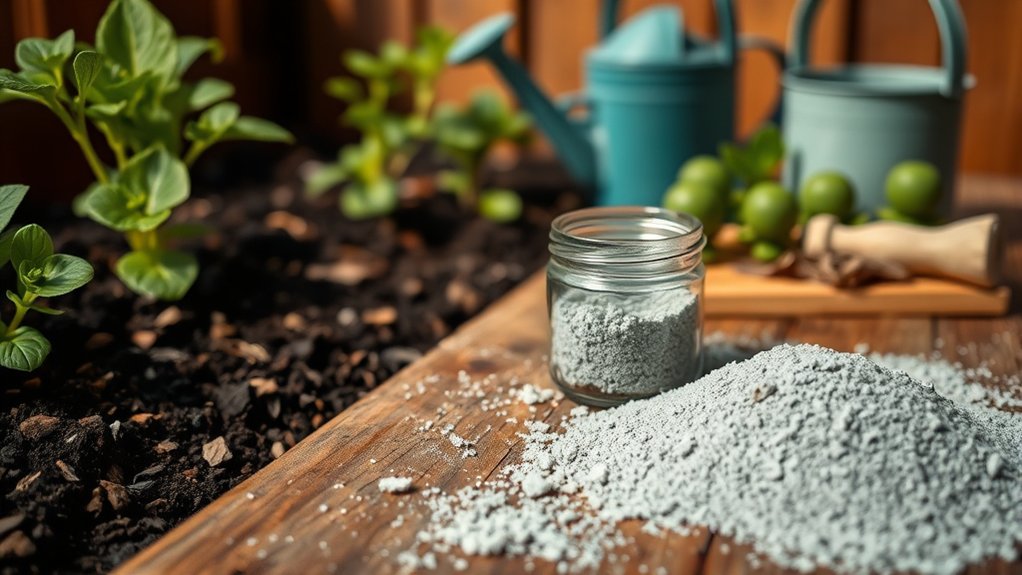
You can use wood ash to enrich your garden soil by supplying calcium, potassium, and magnesium while adjusting acidity for healthier plants. It acts as a natural pest barrier against slugs and ants, reducing chemical use.
Wood ash also cleans tough stains, neutralizes odors, and freshens laundry. Beyond practical uses, you can utilize it in soap making and crafting. Understanding its safe handling and storage helps you maximize benefits.
Explore further to uncover more detailed applications. You’ll be surprised at how versatile wood ash can be!
Wood Ash Benefits for Garden Soil and Plants
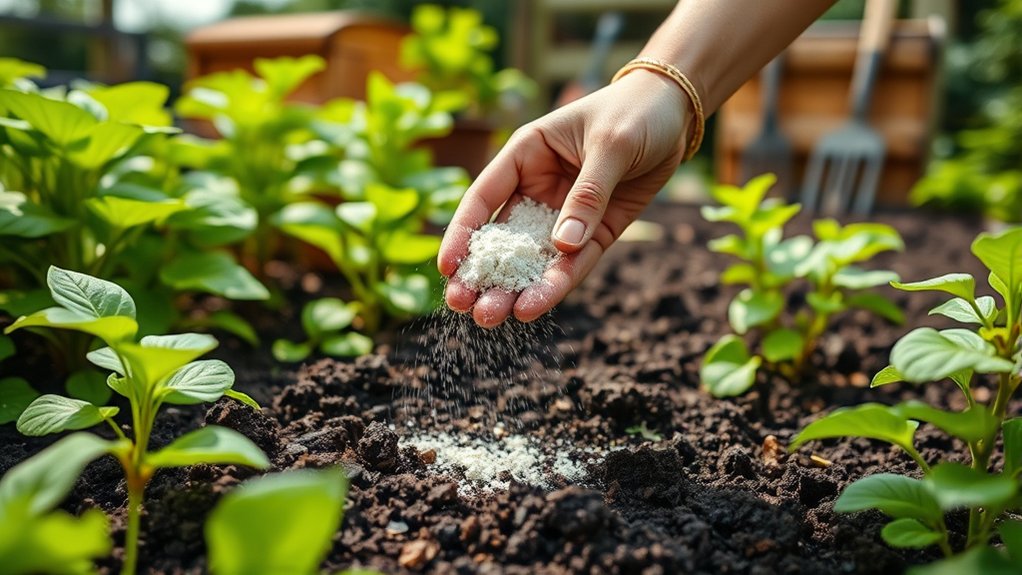
Although wood ash is often overlooked, it offers valuable nutrients like calcium, potassium, and magnesium that can greatly improve garden soil fertility. When you apply wood ash to soil, it raises soil pH, making it especially beneficial for acidic soils. This adjustment enhances nutrient availability, promoting healthier plant growth.
In vegetable gardens, wood ash supplies calcium and potassium, which are essential for robust development. Importantly, adding wood ash can prevent blossom end rot in crops like tomatoes and peppers by reliably supplying calcium.
However, you should use wood ash cautiously around acid-loving plants such as blueberries and potatoes, since it may raise pH beyond their preferred range.
Applying about 5 gallons per 1,000 square feet balances nutrient benefits without overwhelming the soil. This helps optimize soil conditions for diverse garden plants.
Just keep an eye on your soil’s needs, and you’ll see the benefits wood ash brings to your garden.
Wood Ash for Natural Pest Control and Plant Protection
When you sprinkle wood ash around your plants, it creates a non-toxic barrier that effectively deters pests such as slugs, snails, and ants. This helps you maintain a healthier garden ecosystem.
Wood ash offers a natural defense by disrupting pest life cycles and reducing reliance on chemical pesticides. It also improves soil health by adding calcium and potassium, which can raise soil pH and address calcium deficiency in certain plants.
Wood ash naturally disrupts pests and enriches soil with calcium and potassium for healthier plants.
To optimize pest control, just reapply wood ash after rain to keep that protective barrier working.
Key benefits include:
- Non-toxic pest control against slugs, snails, and ants
- Disrupts harmful insect life cycles
- Enhances soil health with essential nutrients
- Raises soil pH for non-acid-loving plants
- Provides a sustainable, natural defense mechanism
Using wood ash is a practical and eco-friendly way to manage pests and protect your plants naturally.
Cleaning Your Home Naturally With Wood Ash
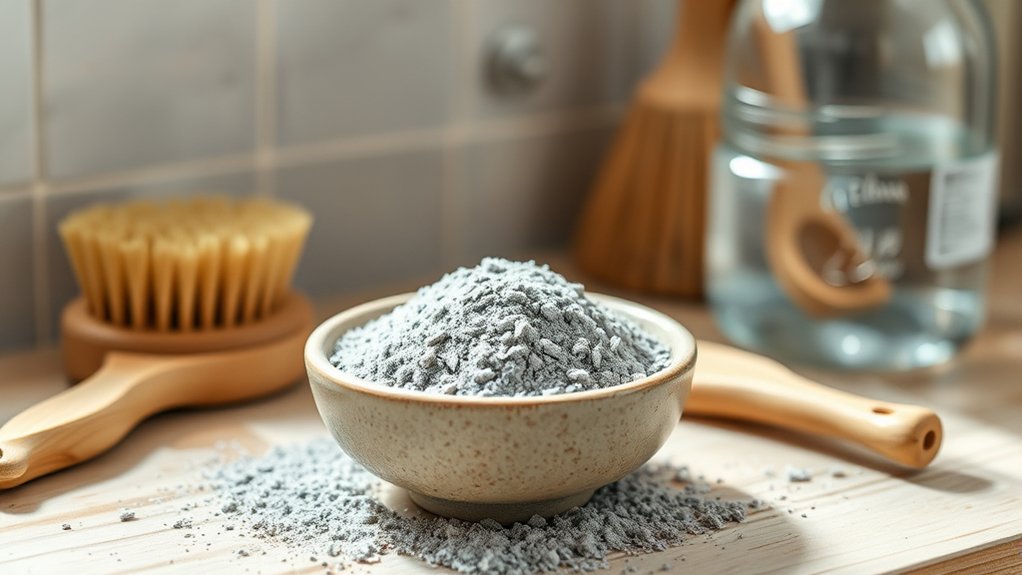
You can use wood ash as a gentle abrasive cleaner to scrub pots, pans, and surfaces without relying on harsh chemicals.
Just mix it with a little water, and you get a paste that works wonders on tough stains.
Plus, because wood ash is alkaline, it helps absorb and neutralize odors in places like trash cans and refrigerators.
It’s a simple, natural way to keep things fresh and clean!
Natural Abrasive Cleaner
A natural abrasive cleaner like wood ash offers an effective way to tackle stubborn stains without relying on harsh chemicals. This non-toxic, natural cleaner leverages the mildly abrasive texture of wood ash to clean various surfaces while being environmentally friendly.
When mixed with water, wood ash forms a paste that enhances scrubbing power. To maximize its effectiveness, sift the ash first to remove larger particles.
Key benefits include:
- Removes tough stains on pots, pans, and glass
- Cleans metal tools and outdoor furniture safely
- Acts as a non-toxic alternative to commercial cleaners
- Minimizes environmental impact compared to chemical options
- Versatile use across multiple household surfaces
Using wood ash as a natural abrasive cleaner provides a precise, eco-conscious method for maintaining a clean home.
It’s a simple trick that’s easy to try and good for the planet too.
Odor Absorption Benefits
Although many commercial products claim to eliminate household odors, wood ash offers a natural and effective alternative. Its odor absorption properties make it a versatile natural deodorizer for various spaces. When sprinkled in trash cans, compost bins, or pet areas, wood ash neutralizes smells and helps eliminate odors at the source.
You can also place it in your refrigerator or freezer as a long-lasting, eco-friendly solution instead of commercial air fresheners. Its alkaline composition enables wood ash to absorb moisture, which reduces dampness-related odors in musty areas.
Plus, using wood ash in laundry or sprinkling it in shoes effectively neutralizes odors, providing non-toxic freshness.
Using Wood Ash as a Natural Deodorizer and Moisture Absorber
You can use wood ash to naturally absorb odors in places like your refrigerator, trash bins, and pet areas.
Because it’s alkaline, it works well to control moisture and neutralize smells in musty spots like basements and cupboards.
For the best results, just put the ash in open containers so it can do its job absorbing odors and moisture effectively.
Odor Absorption Benefits
When you want to neutralize unpleasant odors without relying on synthetic chemicals, wood ash provides an effective natural solution. Its alkaline nature enhances odor absorption, making it a reliable natural deodorizer. You can use wood ash to absorb unpleasant odors in trash cans and compost bins.
It also works great to neutralize smells in refrigerators, often outperforming baking soda. Plus, it helps reduce pet area odors while keeping the environment fresh.
Another bonus is that wood ash can act as a moisture absorber to prevent mold growth in basements and cupboards.
You can even freshen clothes by eliminating musty smells during laundry. Wood ash’s ability to absorb moisture complements its deodorizing properties, effectively reducing conditions that promote mold growth.
This dual function makes it a versatile, eco-friendly option for maintaining freshness and controlling humidity in various indoor spaces.
Ideal Application Areas
Wood ash serves as a versatile natural deodorizer and moisture absorber, making it ideal for various household applications. You can use wood ash around your trash cans as an effective deodorizer, neutralizing unpleasant odors without chemicals.
Similarly, placing a bowl of wood ash in your refrigerator helps eliminate food odors naturally. Its hygroscopic nature makes wood ash a reliable moisture absorber, reducing humidity in musty areas like basements and closets.
To keep footwear fresh, sprinkle a little wood ash inside shoes to absorb moisture and odors.
Furthermore, incorporating wood ash in laundry acts as a natural whitener and enhances odor removal.
These practical applications make wood ash a sustainable and efficient choice for odor control and moisture management in your home. Give it a try—you might be surprised how handy it is!
Moisture Control Tips
Although many commercial products claim to control moisture and odors, wood ash offers a natural and effective alternative for managing these issues in your home. Its practical uses extend to moisture control and odor reduction, making it a versatile solution.
Wood ash acts as an eco-friendly deodorizer and helps absorb excess moisture, which can prevent mold growth.
You can use wood ash to:
- Sprinkle in trash cans or compost bins to neutralize smells
- Place in refrigerators to reduce odors naturally
- Apply in musty basements or cupboards to absorb moisture
- Use in pet areas to maintain freshness and reduce odors
- Add to laundry to freshen clothes without harsh chemicals
It’s a simple way to keep your home fresh without relying on harsh chemicals or expensive products.
Give it a try and see how wood ash can make a difference!
Fun DIY Crafts You Can Make With Wood Ash
Five creative DIY crafts utilize ash as a versatile and natural material to enhance both functionality and aesthetic appeal.
In natural soap making, you can extract lye by boiling wood ash with soft water, which is essential for traditional soap recipes.
When making DIY candles, incorporating wood ash adds texture and a rustic home decor element that really elevates visual interest.
For art projects, ash serves as a natural dye, imparting earthy tones to fabric and paper.
You can also create exfoliating scrubs by blending wood ash with other natural ingredients, taking advantage of its mild abrasive properties.
Overall, ash is a natural resource that offers practical and decorative uses.
It’s pretty amazing how something as simple as wood ash can be so useful in various craft applications.
Plus, using wood ash sustainably makes these projects even better for the environment.
Safety Tips for Handling and Applying Wood Ash
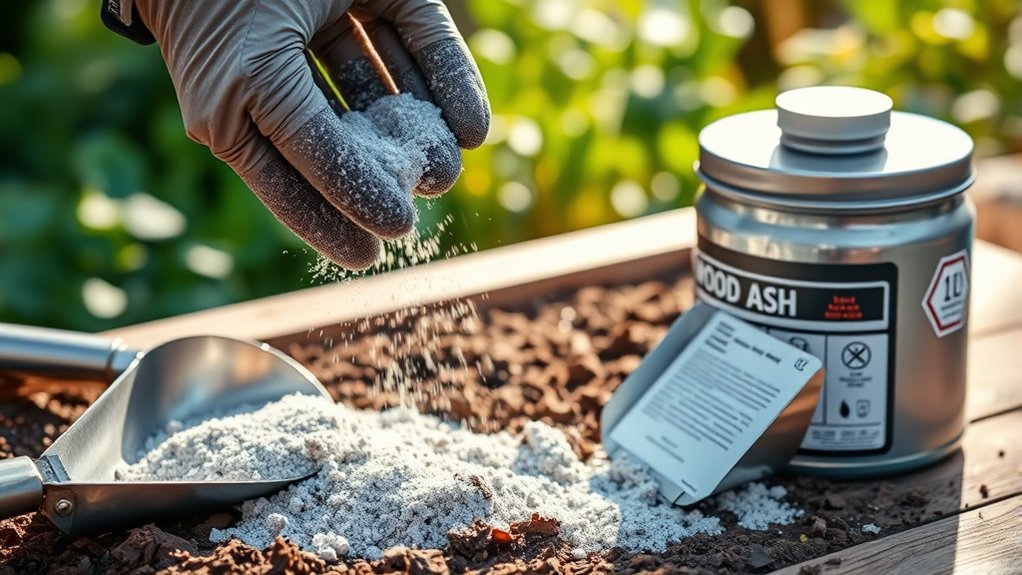
Handle wood ash with care to prevent irritation and keep things safe. Its alkaline nature can cause skin, eye, or respiratory discomfort if you’re not careful. So, it’s important to follow some basic safety tips when applying wood ash.
First, make sure to wear protective clothing like gloves, goggles, long sleeves, and a dust mask. Always sift the wood ash to get rid of any large pieces or active embers before you use it.
Testing your soil’s pH beforehand is a smart move, so you know how the ash will affect its alkalinity.
Try to avoid applying wood ash near plants that love acidic soil — you don’t want to accidentally harm them.
Also, if it’s windy, it’s best to limit your exposure to reduce the chance of inhaling ash particles.
Taking these precautions will help you use wood ash safely and effectively.
Storing and Preparing Wood Ash for Best Results
To get the best results from wood ash, store it in a dry, airtight container. This helps preserve its mineral content and prevents moisture absorption that causes clumping.
Before using, sift the ash to remove large pieces and any active embers. This makes sure you have a fine consistency, which is easier to apply.
Always test your soil’s pH before applying wood ash. It can raise alkalinity quite a bit, which might affect your plants’ health.
Apply wood ash in moderation—limit it to 15-20 pounds per 1,000 square feet each year. Too much can overload nutrients and harm plants that prefer acidic soil.
For a balanced nutrient boost, mix wood ash with compost. Compost helps neutralize the ash’s alkalinity while enriching your garden.
Proper storage and preparation of wood ash will maximize its benefits without risking soil imbalance or plant damage.
Frequently Asked Questions
Can Wood Ash Be Used to Melt Ice on Driveways?
Yes, you can use wood ash to melt ice on driveways, though its ice melting effectiveness is moderate compared to commercial products.
Wood ash advantages include being environmentally friendly, non-toxic, and safe for pets.
For better results, apply it before or during ice formation and combine it with sand for traction.
It’s a cost-effective alternative ice treatment, but always follow safety precautions to avoid slipping and excessive ash buildup while monitoring environmental impact.
Is Wood Ash Safe for Indoor Plants?
Wood ash can be a bit of a double-edged sword for indoor plants. It provides nutrients like potassium and calcium, which are great.
But it can also raise the soil’s alkalinity, changing the pH balance.
So, it’s important to use it cautiously as a soil amendment. Keep in mind that some indoor plant varieties are sensitive to pH shifts. It might help with seed germination and even deter pests.
Just make sure to store the ash properly to avoid contamination. Always test your soil’s pH before adding wood ash.
And when you do apply it, go easy—using too much could harm your plants.
How Does Wood Ash Affect Composting Speed?
Wood ash can speed up composting by providing a carbon source that balances nitrogen interaction, which is essential for microbial activity. Its minerals boost compost nutrient content, while its alkaline nature affects pH balance.
You need to keep an eye on the pH to avoid slowing down decomposition.
Wood ash also improves aeration, which helps oxygen flow better and supports thermal properties that speed up the breakdown process.
Just be sure to use it carefully as a soil amendment to get the best results without messing up microbial efficiency.
Can Wood Ash Be Used to Make Homemade Toothpaste?
You can absolutely use wood ash to make homemade toothpaste, but don’t expect a miracle. Its natural abrasives offer effective whitening properties and support dental hygiene by gently scrubbing plaque.
Wood ash’s pH balance helps neutralize acids, which enhances toothpaste benefits. However, sourcing quality ash is essential to avoid contaminants. When combined properly, it minimizes environmental impact.
Just be sure to use it sparingly to protect your enamel. This way, you get a safe, eco-friendly alternative in your dental care routine.
Does Wood Ash Have Any Uses in Animal Care?
Yes, wood ash benefits animal care by improving animal bedding through moisture absorption and odor control. This helps enhance livestock health by keeping their living areas dry and fresh.
It also acts as a natural pest control in chicken coops, reducing mites and other pests.
Plus, wood ash serves as a mineral supplement, providing trace elements essential for animal well-being.
Moreover, it can neutralize acidic waste and function as a soil amendment around enclosures. This promotes a cleaner, healthier environment for your animals.
Conclusion
Think of wood ash as a versatile toolkit, each grain a tool ready to enrich your garden, protect plants, clean surfaces, or freshen your home. Like a skilled craftsman selecting the right instrument, you apply it carefully, respecting safety and preparation.
By understanding its diverse functions and handling it properly, you reveal wood ash’s full potential. It transforms what’s left behind into practical solutions that nurture, protect, and refresh your living space.