Can You Burn Pellets In A Wood Stove: Compatibility Guide
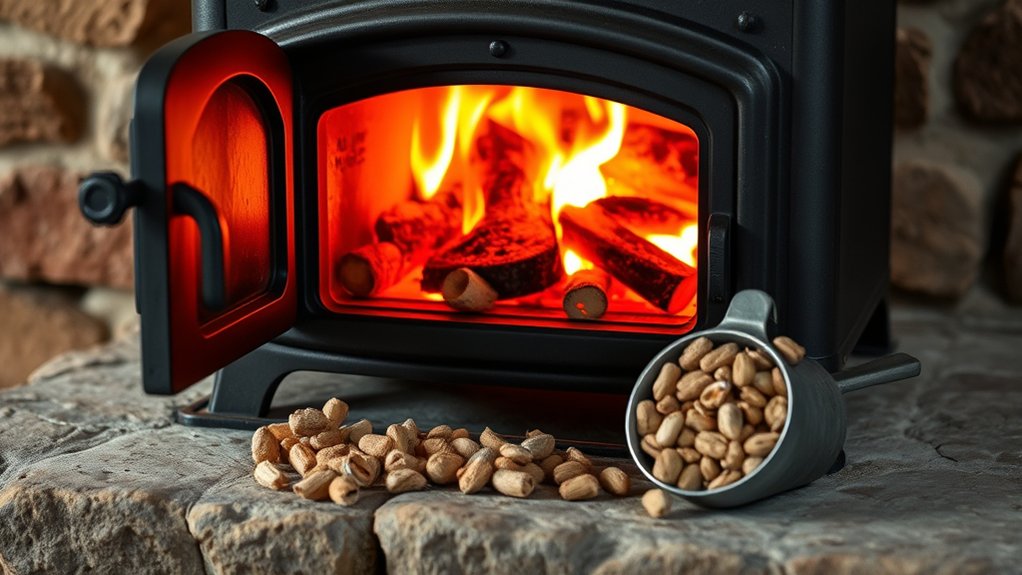
You shouldn’t burn wood pellets in a traditional wood stove without caution. Wood stoves aren’t designed for pellet combustion, which needs precise airflow and specialized chambers. Using pellets can cause overheating, increased smoke, and dangerous emissions. This risks stove damage and fire hazards.
If you want to use pellets, check your stove’s guidelines and consider professional conversion kits for safe operation. Understanding these factors helps you manage risks and improve performance effectively.
Explore how to adapt and maintain your stove properly for pellet use. It’s all about keeping things safe and working smoothly.
Can You Burn Wood Pellets in a Wood Stove?
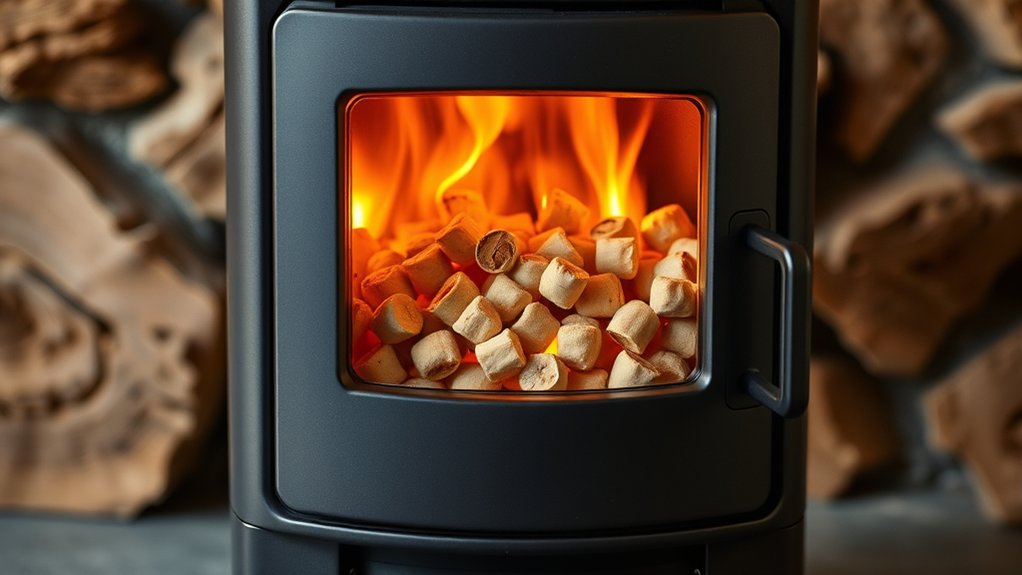
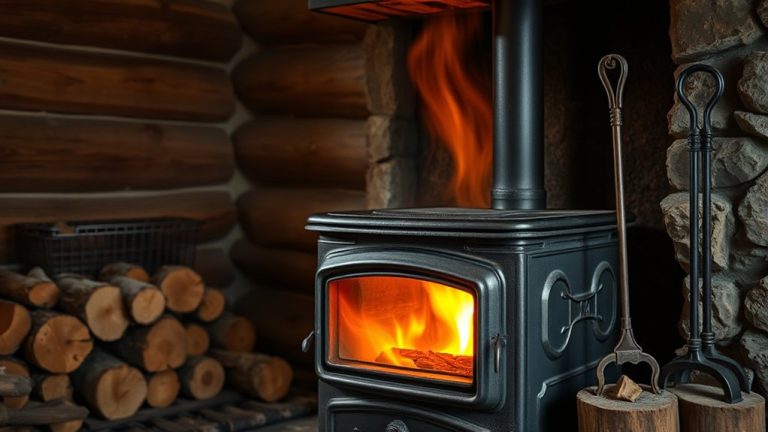
Can you safely burn wood pellets in a wood stove? Generally, no. Wood stoves are engineered specifically for log combustion, and they differ a lot from pellet stoves when it comes to combustion technology and ventilation needs.
Burning wood pellets in a wood stove can cause overheating and incomplete combustion. This leads to more smoke and increases the risk of flue blockages.
Burning wood pellets in a wood stove risks overheating, incomplete combustion, increased smoke, and potential flue blockages.
Some people try using wire baskets to burn pellets in wood stoves, but this usually lowers both efficiency and safety. Pellet stoves have controlled feed systems and airflow designed just for pellets, which wood stoves don’t have.
Before you try burning wood pellets in your wood stove, it’s a good idea to check the manufacturer’s guidelines. Compatibility can vary, so it’s better to be safe.
Using the right appliance will keep you safe and make sure your stove works well.
Understanding Wood Pellets: Composition and Combustion
You’re working with wood pellets made from compressed sawdust and wood waste. These materials are formed under high pressure into uniform cylinders, which makes them perfect for burning efficiently.
Because of their unique composition, wood pellets have a high energy density. This means they burn cleaner, producing less ash and smoke compared to traditional logs.
Knowing how these pellets burn is really important if you want to get the most out of your wood stove. When you understand their combustion traits, you can maximize both the efficiency and performance of your stove.
It’s all about making the most of what these pellets have to offer.
Pellet Composition Details
Wood pellets consist primarily of compressed sawdust and wood waste, engineered to deliver a consistent energy output of around 5 kWh per kilogram. When considering burning pellets in a wood stove, understanding their composition is essential. Here’s what you need to know:
Pellets are made from sawdust and other wood residues, making them an environmentally friendly fuel source. Their uniform size and shape facilitate efficient handling, storage, and feeding compared to traditional firewood.
High-quality pellets, often ENplus® A1 certified, guarantee low moisture content and reduced emissions. Unlike logs, pellets require specific airflow conditions in a pellet stove for ideal combustion, impacting stove compatibility.
Knowing these details helps you assess if your wood stove can effectively burn pellets without compromising performance.
Combustion Characteristics Explained
Although pellets burn more efficiently than traditional logs, their combustion characteristics demand specific conditions to optimize performance. When you burn pellets in a wood stove, you must guarantee proper airflow and ventilation. Pellets ignite quickly and produce hotter, cleaner flames with minimal ash.
Standard wood stoves often lack the design to handle these traits. This can risk overheating and incomplete combustion. So, understanding these combustion characteristics is vital for safe, efficient pellet use.
| Aspect | Wood Pellets Characteristics |
|---|---|
| Composition | Compressed sawdust and wood waste |
| Energy Value | ~5 kWh/kg |
| Flame Temperature | Higher than logs |
| Ash Production | Minimal |
| Airflow Requirement | Precise ventilation needed |
Adjust your wood stove accordingly to optimize pellet combustion. It’s worth the effort to get it right!
Key Differences Between Wood and Pellet Stove Designs
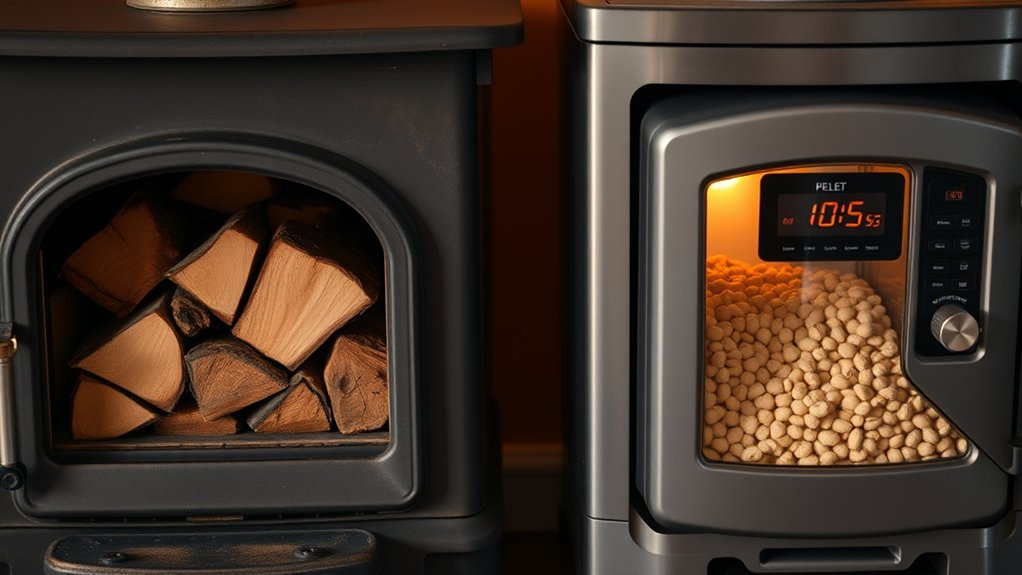
Because pellet stoves burn compressed wood pellets, their design incorporates specialized combustion chambers and ventilation systems that differ fundamentally from those of wood stoves, which are built to handle logs.
When comparing wood stoves and pellet stoves, consider these key differences:
- Combustion Chambers: Pellet stoves have chambers optimized for consistent pellet combustion, while wood stoves accommodate larger logs and variable burn rates.
- Ventilation Systems: Pellet stoves use controlled airflow to maintain efficient, clean burns; wood stoves rely on simpler, passive ventilation.
- Heat Distribution: Wood stoves generate heat mainly from the bottom, which can risk hotspots if you try burning pellets in them. Pellet stoves maintain steady temperatures through controlled combustion.
- Emission Profiles: Pellet stoves produce cleaner emissions thanks to engineered combustion processes, unlike wood stoves that aren’t optimized for burning pellets.
Understanding these distinctions is really important when you’re thinking about burning pellets in wood stoves.
It helps you avoid issues and get the best performance from your stove.
Risks of Burning Pellets in Traditional Wood Stoves
Understanding the fundamental differences between wood and pellet stove designs highlights why burning pellets in a traditional wood stove can pose significant risks.
Wood stoves are engineered for log combustion, not the intense, concentrated heat pellets produce. Burning pellets in wood stoves can cause overheating, increasing the chance of damage or fire hazards.
You’ll also encounter increased smoke production, which raises the risk of flue blockages and compromises safety. Incomplete combustion often occurs, releasing harmful emissions and reducing stove efficiency.
Furthermore, pellets elevate the risk of gas explosions inside the stove, especially in modern high-efficiency wood stoves.
Using pellets in wood stoves is like misfuelling a diesel vehicle. It jeopardizes your stove’s safety and performance, making this practice strongly inadvisable.
When to Consider Converting Your Wood Stove for Pellets
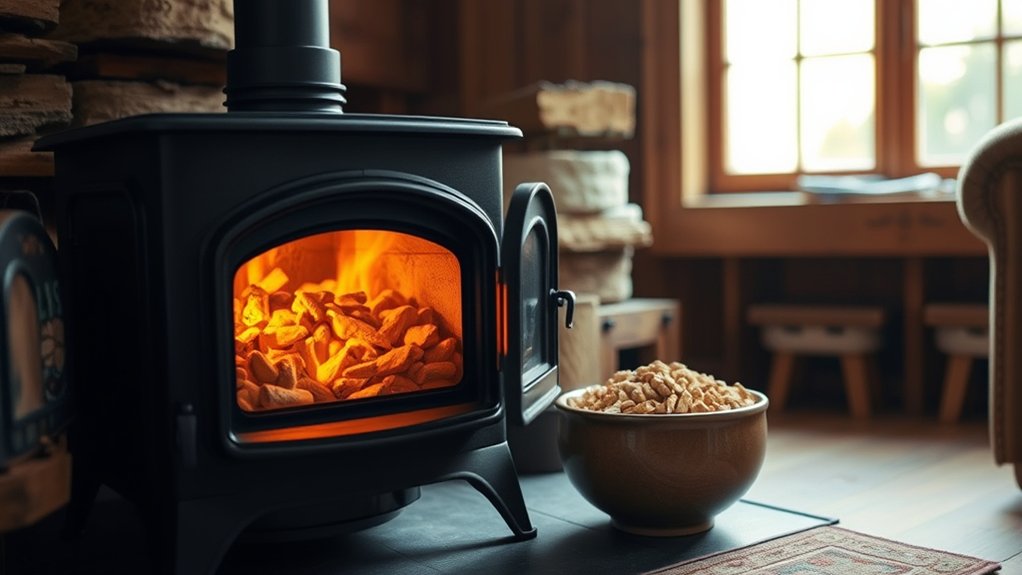
If you want to burn pellets in your existing wood stove, you’ll need to carefully evaluate whether alteration is feasible and safe. Not every stove can handle pellet combustion without adjustments. So, it’s important to consider a few things before you convert your wood stove operation.
First, check the manufacturer’s guidelines to see if your stove supports pellet use or if you’ll need a specialized conversion kit. You might also need a pellet basket or insert to optimize combustion and airflow, since pellets burn differently than wood.
Make sure your ventilation is up to the task and be prepared for more frequent cleaning because pellet ash and residue are different.
It’s a good idea to consult a professional for installation and safety checks. This helps prevent risks like overheating or gas buildup.
Following these steps will help you use your stove safely and efficiently when adapting it to burn pellets.
Safe Use of Pellets in Wood Stoves: Essential Tips and Accessories
You’ll want to have the right accessories on hand, like wire baskets or pasta strainers, to help optimize airflow and make sure your pellets burn efficiently in your wood stove.
Proper ventilation is really important because these stoves aren’t actually made for pellets, and without it, you could end up with overheating or incomplete burning.
It’s also a good idea to keep a close eye on how clean your chimney is to avoid any blockages that could cause problems.
And of course, always follow the manufacturer’s guidelines to keep everything running safely.
Pellet Burning Accessories
Enhancing pellet combustion in your wood stove often requires the right accessories to guarantee ideal airflow and efficient burning.
To improve your setup when you burn wood pellets, consider these pellet burning accessories:
- Use a wire basket or pellet tray to elevate pellets. This promotes better airflow and reduces smoke.
- Employ Eco Bricks or similar elevation tools to help air circulate, which is essential for efficient combustion.
- Try a DIY 8-quart pasta strainer as a pellet holder. It’s a simple way to improve burning without needing specialized gear.
- Regularly clean ash and maintain proper ventilation. This prevents flue blockages and overheating.
These accessories help your pellet stove perform effectively. They ensure clean, sustained burning and boost overall stove efficiency.
Ensuring Safe Combustion
Because wood stoves are designed for traditional firewood combustion, burning pellets in them demands careful attention to safety and performance.
To burn pellets safely and efficiently, verify proper ventilation to prevent smoke buildup and flue blockages. Without adequate airflow, incomplete combustion and overheating can occur, risking stove damage.
Using wire baskets or improvised tools like pasta strainers can improve pellet ignition and airflow, which helps enhance burn efficiency.
Regularly monitor and clean your chimney to avoid residue buildup that can impair safe operation. Before burning pellets, always check your wood stove’s manufacturer guidelines and seek professional advice to confirm compatibility.
Following these steps will help you maintain a safe and efficient pellet burn while minimizing potential hazards that come with using non-traditional fuel.
It’s all about keeping things safe and working smoothly.
Alternatives to Burning Pellets Directly in Wood Stoves
Although wood stoves are primarily designed for logs, several effective methods allow you to burn pellets without feeding them directly onto the grate.
To achieve a better experience burning pellets in your wood stove, consider these alternatives:
- Use a wire basket or pasta strainer to hold pellets, improving airflow and heat distribution.
- Mix pellets with cord wood to maintain a stable fire and benefit from pellets’ higher heat output.
- Place a pellet tray or basket inside the stove to guarantee ideal combustion and reduce smoke.
- Rake coals forward and sprinkle pellets on top to enhance ignition and fire performance.
These methods help you safely integrate pellets with traditional cord wood, enhancing heat while protecting your stove.
Give them a try and see which one works best for your setup!
Maintaining Your Stove When Experimenting With Pellets
When experimenting with pellets in your wood stove, maintaining the stove’s condition becomes an essential part of the process. Regularly inspect and clean the flue and chimney to prevent blockages from increased smoke production caused by pellets.
Keep an eye on the stove’s temperature because pellets generate heat differently than wood, which can lead to overheating. Using a wire basket or pellet tray helps improve airflow and combustion efficiency when burning pellets.
Make sure to stick to a consistent cleaning routine to manage ash buildup. Even though pellets produce less ash than wood, it still affects how well your stove works.
Always keep a fire extinguisher nearby and ensure your space is well-ventilated to reduce any risks of gas explosions.
Frequently Asked Questions
How Do Wood Pellets Compare to Other Biomass Fuels in Energy Efficiency?
Wood pellets offer clear wood pellet advantages over other biomass fuel types, boasting efficiency comparisons that favor them greatly. You’ll find wood pellets deliver over 90% combustion efficiency, surpassing traditional firewood and other fuels that vary widely due to moisture content.
Their uniform density and low moisture enable consistent, high heat output with minimal ash and smoke.
If you want peak energy efficiency, wood pellets outperform many biomass fuel types in both performance and environmental impact. They’re a reliable choice if you’re looking for clean, efficient heating that doesn’t compromise on power.
What Is the Environmental Impact of Producing Wood Pellets?
The environmental impact of producing wood pellets is like a well-oiled machine, thanks to rigorous sustainability practices and efficient production processes.
You’ll find that lifecycle analysis shows reduced carbon emissions compared to fossil fuels, since pellets use recycled wood and minimize waste.
By prioritizing sustainable sourcing and clean manufacturing, pellet production supports forest preservation and lowers greenhouse gases.
It’s an eco-conscious energy choice with a considerably smaller environmental footprint.
Can Pellet Ash Be Used as Fertilizer or for Other Purposes?
Yes, you can use pellet ash as a fertilizer because its ash composition analysis shows high levels of potassium and calcium.
These nutrients offer great benefits for enhancing your soil, improving fertility, and helping plants grow better.
Since pellet ash is alkaline, it can help neutralize acidic soils.
Just be sure to apply it in moderation to avoid causing nutrient imbalances.
Also, make sure the pellets were made from untreated wood.
This way, you avoid introducing harmful chemicals and get the most positive impact on your soil health.
Are There Any Health Concerns From Pellet Stove Emissions?
Oh sure, you can ignore emission standards and pretend pellet stove emissions pose zero health risks.
But in reality, even though pellets burn cleaner and improve indoor air quality compared to traditional logs, they still release particulate matter that can affect respiratory health, especially if you have pre-existing conditions.
You’ve got to keep your stove well-maintained and ventilated to minimize those risks.
Otherwise, you might end up paying the price with your lungs.
How Do Pellet Prices Fluctuate Seasonally or Regionally?
Pellet prices fluctuate mainly due to seasonal demand and regional supply variations. During colder months, you’ll see prices peak as demand for heating rises sharply.
Regions with limited pellet production or supply chains often experience higher costs, while areas with abundant resources maintain lower prices.
Price trends also respond to raw material availability and transportation issues, causing spikes. You should anticipate paying between $200 to $400 per ton, depending on your location and season.
Conclusion
You might be tempted to toss pellets into your traditional wood stove, but that’s a gamble not worth taking. Pellets burn differently and need specific airflow and feed systems, unlike your trusty wood stove. Think of it like trying to run a Model T on jet fuel.
Instead, consider proper pellet stoves or certified conversions to guarantee safety and efficiency. Always prioritize maintenance and use the right accessories to keep your heating system reliable and long-lasting.