Can You Burn Wood In A Gas Fireplace: Safety Guide
You shouldn’t burn wood in a gas fireplace because it damages components designed specifically for gas combustion and risks fire hazards from intense heat and creosote buildup. Wood smoke can clog burners, impair ventilation, and cause dangerous gases like carbon monoxide to accumulate indoors.
Gas fireplaces rely on sealed systems that aren’t compatible with wood’s byproducts. Instead, consider safe alternatives like gas log sets or bioethanol fuels. Understanding these risks and options will help you protect your home effectively.
Why You Should Never Burn Wood in a Gas Fireplace
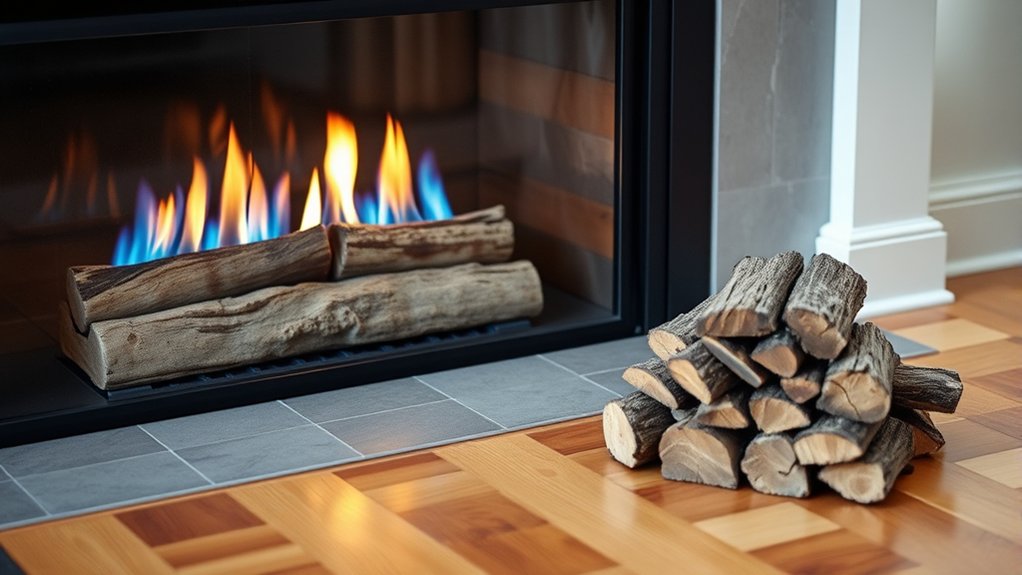
Although it might seem convenient, you should never burn wood in a gas fireplace because these units are engineered exclusively for gas combustion.
Burning wood generates excessive heat that can damage internal components, compromising the gas fireplace’s structural integrity. Wood fires produce smoke and creosote buildup, which obstruct gas burners and ventilation pathways.
This increases the risk of harmful gases backdrafting into your home. That smoke infiltration poses serious health hazards due to toxic inhalation.
Plus, the intense heat from wood fires can ignite surrounding insulation, creating severe safety hazards and elevating the risk of house fires.
Using wood also violates manufacturer guidelines, which voids warranties and undermines designed safety features.
Gas Fireplace Design for Safe Use
Because gas fireplaces are engineered specifically for burning natural gas or propane, their design incorporates sealed combustion systems that maximize efficiency and safety.
Gas fireplaces are designed to burn gas only, featuring burners and safety mechanisms incompatible with wood combustion. Their sealed systems reduce safety risks by preventing the release of harmful gases and often eliminate the need for a traditional flue or chimney, especially in ventless models.
Gas fireplaces burn gas only, with sealed systems that enhance safety and often remove the need for a chimney.
When you follow manufacturers guidelines, you maintain peak function and safety. Burning wood in these units introduces soot and excessive heat that gas fireplaces aren’t built to handle, increasing hazards and risking damage.
To use your gas fireplace safely, adhere strictly to its intended fuel type and maintenance schedule.
Make sure it operates within its technical design parameters and minimizes potential safety risks. Stick to using natural gas or propane, and keep up with regular maintenance. This way, you keep your fireplace safe and efficient for years to come.
Dangers of Burning Wood in Gas Fireplaces
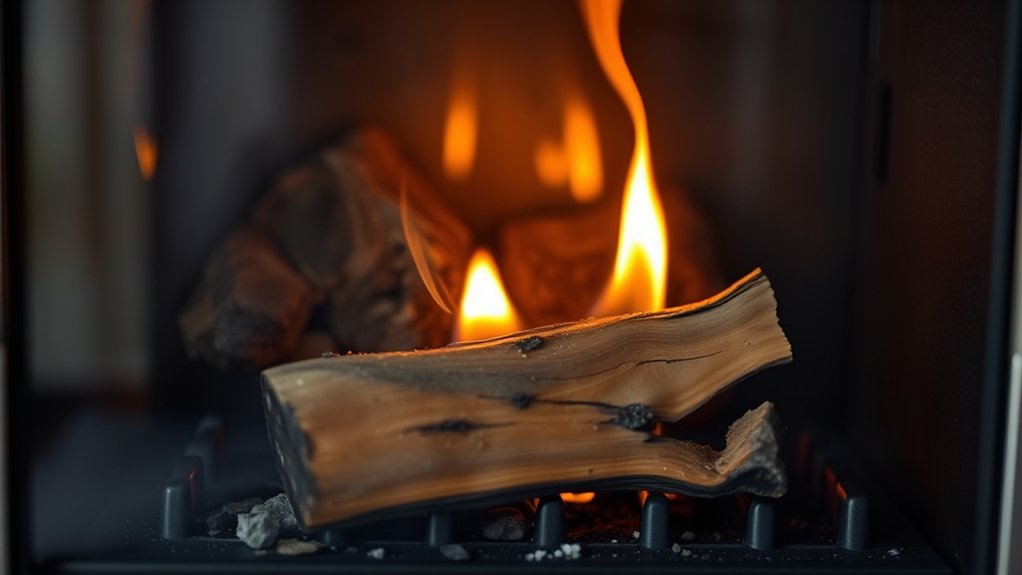
When you burn wood in a gas fireplace, you risk generating excessive heat that damages components engineered solely for gas combustion. Wood burning produces soot and smoke that clog burners, which impedes burning gas efficiency and increases fire risks. Creosote buildup from wood fires accumulates rapidly in these systems, heightening chimney fire hazards.
Also, inadequate ventilation causes smoke backup. This compromises indoor air quality and causes serious safety issues.
| Hazard | Impact |
|---|---|
| Excessive Heat | Damages gas-specific components |
| Creosote Buildup | Raises chimney fire risk |
| Soot and Smoke | Obstructs burners; increases fire risks |
| Poor Ventilation | Degrades indoor air quality; health hazards |
Damage Caused by Burning Wood in Gas Fireplaces
Burning wood in a gas fireplace causes significant damage to its internal components, which are designed exclusively for gas combustion. The excessive heat from wood fire deteriorates gas burners and surrounding materials, risking structural damage and voiding warranties.
Wood combustion produces heavy smoke and creosote buildup, obstructing the gas system and increasing fire hazards. Soot accumulation clogs ventilation paths, compromising air quality and posing health risks from smoke inhalation.
This damage not only threatens your fireplace’s integrity but also your home’s safety. To prevent costly repairs and health issues, adhere strictly to safety tips that prohibit burning wood in gas fireplaces.
Maintaining the intended gas fuel use guarantees peak operation, longevity, and a safe environment free from wood-related fire damage and health hazards. It’s really important to stick to what the fireplace is designed for—you’ll save yourself a lot of trouble in the long run.
Why Ventilation Is a Problem When You Burn Wood in a Gas Fireplace
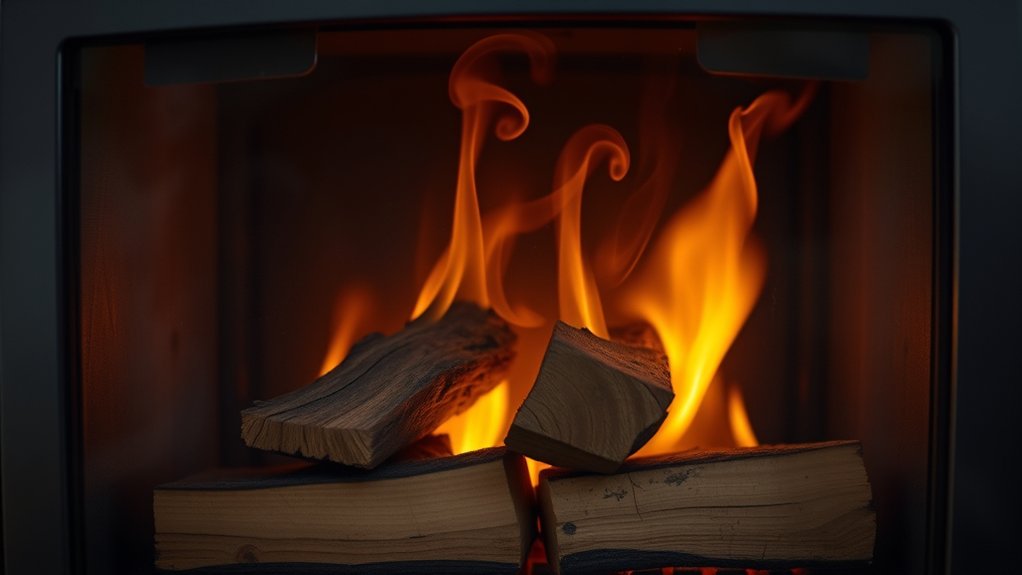
Although gas fireplaces are engineered for clean gas combustion, introducing wood as fuel disrupts their ventilation capabilities. Gas and wood-burning fireplaces differ greatly. Wood combustion produces soot, creosote, and intense heat, which can overwhelm ventilation systems not designed for it.
This leads to smoke buildup and carbon monoxide accumulation, posing serious health risks. Without proper ventilation, smoke backdrafts into your home, compromising air quality and safety. Carbon monoxide detectors are essential but not a substitute for adequate ventilation.
| Issue | Gas Fireplace | Wood Burning |
|---|---|---|
| Ventilation | Engineered for gas | Insufficient for wood |
| Smoke Emission | Minimal | High |
| Heat Intensity | Moderate | Intense |
| Byproducts | Clean | Soot, creosote |
| Health Risks | Low | Serious health |
You must never burn wood in a gas fireplace to operate safely and efficiently. It’s just not built for that kind of fuel. Stay safe and stick to the right fuel for your fireplace.
Alternatives to Wood for Gas Fireplaces
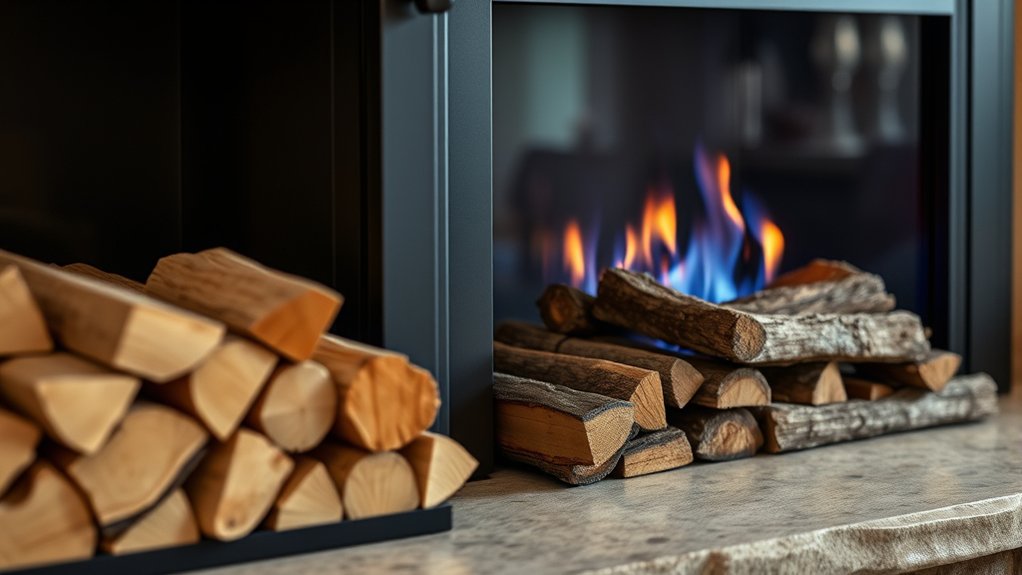
Since wood is unsuitable for gas fireplaces, you should consider alternatives that maintain safety and efficiency. Gas log sets are engineered to replicate wood’s appearance while burning cleanly with gas, eliminating soot and ash.
Gas log sets mimic wood’s look while burning cleanly and safely in gas fireplaces.
Ceramic logs offer another realistic visual option without the hazards associated with burning actual wood.
Ventless gas fireplaces provide an efficient combustion system designed for gas fuel, delivering warmth and the ambiance of a fire without requiring wood or ventilation.
Moreover, some gas fireplaces support bioethanol fuel, an eco-friendly, low-emission alternative to wood.
These alternatives to wood preserve the traditional fire experience while ensuring compliance with safety standards and operational efficiency in gas fireplaces.
Choosing these options helps you enjoy a fire’s comfort without compromising indoor air quality or risking damage.
Maintaining Your Gas Fireplace Safely
Choosing the right fuel alternative for your gas fireplace is only part of guaranteeing its safe and efficient operation. Proper maintenance is critical to prevent hazards and extend the unit’s lifespan.
You need to regularly inspect gas lines, burners, and safety mechanisms to make sure they’re working correctly.
Cleaning the vents and combustion chamber is important too. It prevents blockages that can mess with gas flow and cause dangerous buildup.
It’s a good idea to schedule annual inspections with a certified professional. They can catch potential issues early and help you stay on top of safety standards.
Also, don’t forget to install carbon monoxide detectors in your home. These will alert you if there are any leaks.
Key maintenance actions include:
- Inspecting gas lines for leaks or damage
- Cleaning vents and combustion chambers
- Testing safety mechanisms regularly
- Scheduling annual professional inspections
Following these steps helps guarantee your fireplace runs safely and reliably.
Options If You Want a Wood-Burning Fireplace
If you’re looking for that genuine wood-burning experience, you’ll want a traditional fireplace.
Just keep in mind it needs proper venting and regular chimney maintenance to keep things safe.
On the other hand, if you’re open to alternatives, there are gas inserts that can be retrofitted into your existing wood fireplace.
Or, you might consider electric models that mimic the look of flames without any actual combustion.
Either way, it’s a good idea to check out local regulations and maintenance needs before making your final choice.
That way, you can pick the best option for your home and enjoy it worry-free.
Traditional Wood Fireplace
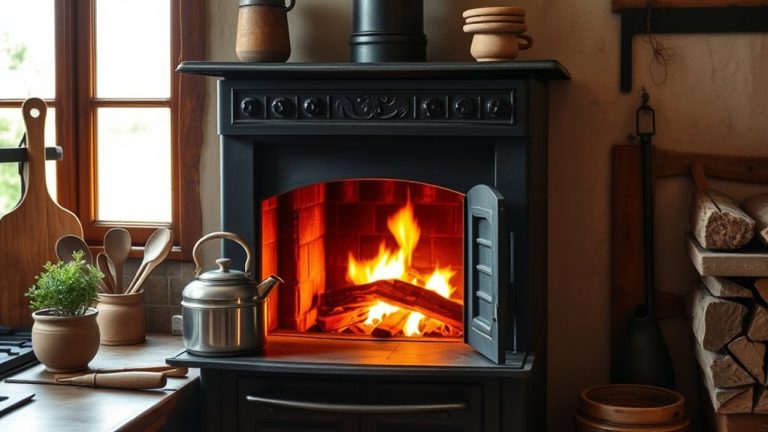
One of the most authentic ways to enjoy a wood fire is by installing a traditional wood-burning fireplace. It requires a properly constructed chimney and flue system to operate safely. This type of fireplace is designed specifically to burn wood.
It provides homeowners seeking genuine ambiance with an unmatched, nostalgic fire experience. If you choose this option, make sure to follow this safety guide carefully to prevent hazards.
Key considerations include:
- Ensuring the chimney and flue meet building codes for proper venting
- Scheduling regular chimney inspections and cleanings
- Using EPA-certified stoves or inserts to improve efficiency and reduce emissions
- Maintaining ash removal and firebox cleanliness after each use
Wood Fireplace Alternatives
While traditional wood-burning fireplaces deliver unmatched ambiance, they require significant maintenance and proper venting systems. If you want a wood-burning option without the challenges of an open hearth, consider wood-burning inserts.
These fireplace inserts retrofit into existing masonry fireplaces, improving combustion efficiency and reducing the risk of structural damage by optimizing smoke venting.
Alternatively, gas log sets offer the visual appeal of real wood flames but operate on gas, eliminating ash and creosote buildup.
Fireplace inserts designed for home heating enhance energy efficiency while maintaining aesthetics. Each alternative balances authenticity with safety and convenience, allowing you to enjoy the warmth and charm of wood fires without the inherent drawbacks of traditional fireplaces.
Choose wisely to protect your home’s structure and maximize heating efficiency.
Frequently Asked Questions
Can Burning Wood in a Gas Fireplace Void My Warranty?
Yes, burning wood in a gas fireplace can void your warranty because of warranty rules tied to using the wrong fuel type.
Manufacturers set clear guidelines to make sure safety standards and proper maintenance are followed.
Using fuels like wood that aren’t authorized can cause damage. Plus, your insurance mightn’t cover any problems that come from it.
To keep your warranty intact and stay on the right side of safety laws, you need to stick to the manufacturer’s instructions.
Avoid making any changes that could mess with how your fireplace works or break legal requirements.
How Can I Tell if My Fireplace Is Gas or Wood-Burning?
You can instantly identify your fireplace type by scrutinizing its features like a detective.
Gas fireplaces flaunt ceramic logs, gas valves, and ignition switches.
Wood-burning ones show traditional fireboxes and chimneys.
Fuel types differ, gas versus wood, and that impacts safety regulations and installation differences.
Maintenance tips vary too. Wood fireplaces demand chimney cleaning, while gas ones require valve checks.
Efficiency comparisons usually favor gas.
But knowing your fireplace type guarantees safe, compliant use and peak performance.
It’s always good to be sure!
Are There Any Gas Fireplace Models That Allow Wood Burning?
Yes, some gas fireplace types, specifically combination inserts, allow wood burning while maintaining fireplace safety features.
These models blend gas vs wood functionality with optimized fireplace efficiency ratings.
However, you must guarantee proper installation and ventilation to avoid hazards.
If you want wood burning alternatives, consider dedicated wood fireplaces or alternative heating methods designed for solid fuels.
Always consult professionals to match your heating needs with safe, efficient systems.
It’s important to get expert advice to make sure your fireplace works safely and effectively.
What Should I Do if I Accidentally Burn Wood in My Gas Fireplace?
If an accidental fire sparks in your gas fireplace, act fast. Time is money when it comes to safety measures, so immediately extinguish the fire.
Then, assess the damage carefully by checking burners and components for soot or signs of overheating.
Make sure to follow cleanup tips carefully to avoid any lingering hazards. It’s important to document the damage for insurance claims.
After that, consult a professional technician for a thorough inspection.
To prevent future incidents, always use your fireplace as it was designed. Never burn wood unless the manufacturer specifically says it’s okay.
Staying safe is the priority!
How Often Should a Gas Fireplace Be Inspected by a Professional?
You should schedule gas fireplace maintenance with a professional inspection at least once a year. This follows safety standards and guidelines to make sure your fireplace runs safely and efficiently.
Regular inspections help spot common issues like gas leaks, soot buildup, and vent blockages.
Getting these checks done has big benefits. It helps prevent hazards and keeps your warranty valid.
Plus, it’s a good idea to plan inspections before the heating season starts. That way, you can be confident your fireplace will work reliably and safely when you need it most.
Conclusion
So, sure, go ahead. Ignite a log in your gas fireplace and watch your warranty go up in smoke. You’ll quickly master the art of costly repairs and dangerous fumes, all while ignoring basic design and ventilation principles.
But if you prefer safe, efficient heating, stick to gas or upgrade properly. Remember, your fireplace isn’t a campfire. Don’t treat it like one unless you enjoy risking damage and disaster.