Can Pressure Treated Wood Be Used Indoors: Safety And Usage Guide
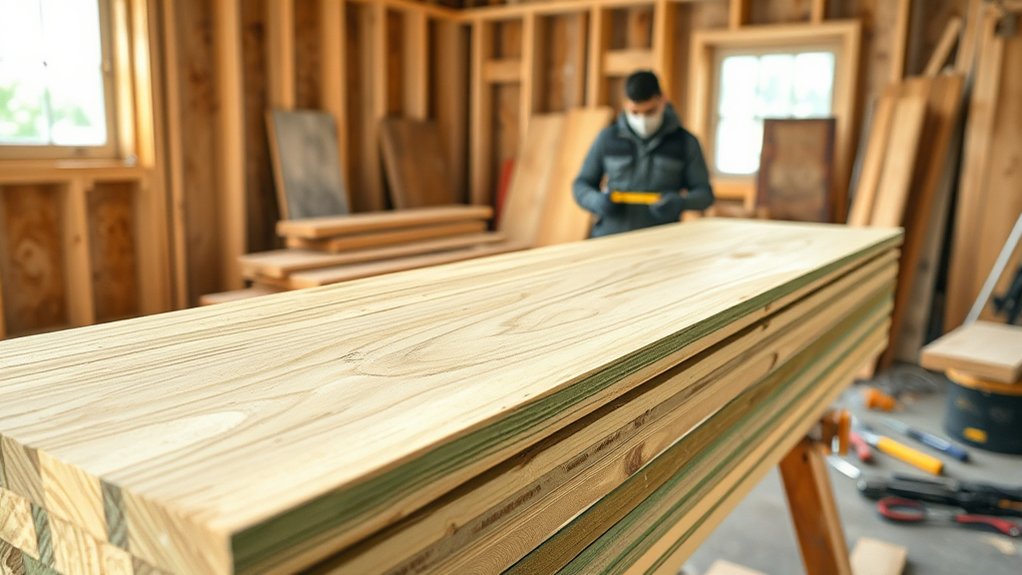
You can use pressure treated wood indoors, but only with careful precautions. It’s treated with chemicals that protect against decay but may emit harmful compounds. Make sure to install it in well-ventilated areas like subfloors or sill plates, never where food contacts, and always follow local codes.
Wear protective gear and seal it properly to reduce risks. If you want to understand safe applications and maintenance tips, there’s more to take into account for your project’s success and safety. Just keep these points in mind to make sure you’re using it the right way indoors.
Key Takeaways
- Pressure treated wood can be used indoors in structural areas like bathroom subfloor panels with proper ventilation and protective sealing.
- Avoid using pressure treated wood in high-moisture indoor environments unless thoroughly sealed and maintained.
- Do not use pressure treated wood for food contact surfaces due to harmful chemical leaching risks.
- Wear personal protective equipment and ensure good ventilation during installation to minimize exposure to chemicals and VOCs.
- Regular maintenance, including sealing and inspection, is essential to prevent moisture damage and maintain indoor air quality.
What’s Pressure Treated Wood, and How Is It Made?
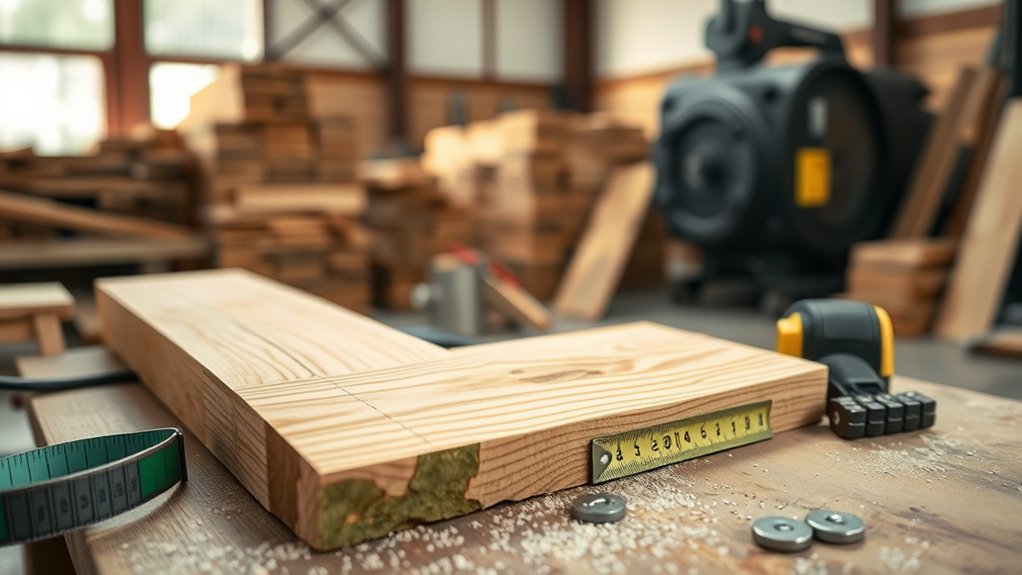
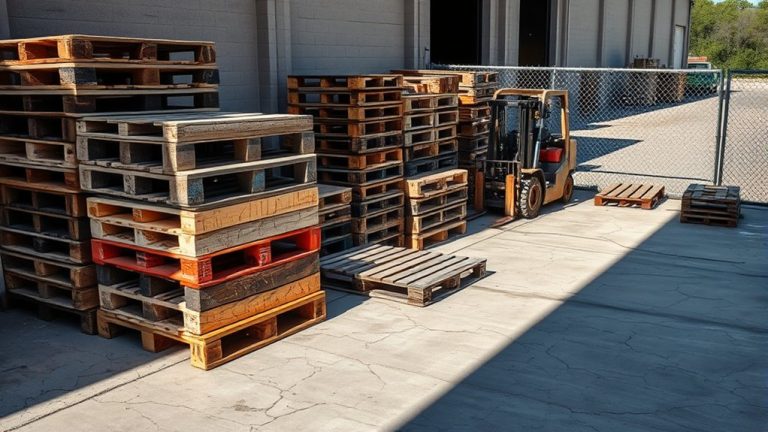
Pressure-treated wood is wood that’s been infused with chemical preservatives under high pressure to protect it from decay, insects, and fungi. During the treatment process, the wood is submerged in a pressure vessel, forcing chemical preservatives deep into the wood fibers. This guarantees long-lasting resistance against decay and insect damage.
Pressure-treated wood is infused with preservatives under pressure to ensure lasting defense against decay and insects.
Today, the most common preservatives are alkaline copper quat (ACQ) and copper azole (CA). These are preferred because they’re safer alternatives to older, arsenic-containing treatments.
Southern yellow pine is the most frequently treated species, primarily used for outdoor projects due to its durability.
Understanding this process helps you recognize why pressure-treated wood is so effective in resisting environmental threats. That said, you should carefully consider its intended use before deciding where to install it.
Key Conditions for Using Pressure Treated Wood Indoors
Although treated wood offers strong resistance to decay and pests, you should use it indoors only under specific conditions. Pressure treated wood indoors is safe to use mainly in structural areas like bathroom subfloor panels or sill plates, especially in termite-prone regions.
You must guarantee proper ventilation during installation to limit exposure to chemicals used in the treated lumber. These chemicals can affect indoor air quality, so it’s important to keep the air moving.
Avoid placing pressure treated wood in high-moisture environments unless it’s sealed and maintained regularly. Using borate-treated lumber can enhance durability where moisture is a concern.
Always check local building codes, as they often restrict indoor use to certain applications. By following these guidelines, you can safely incorporate pressure treated wood indoors while minimizing risks linked to moisture and chemical off-gassing.
What Are the Health Risks of Using Pressure Treated Wood Indoors?
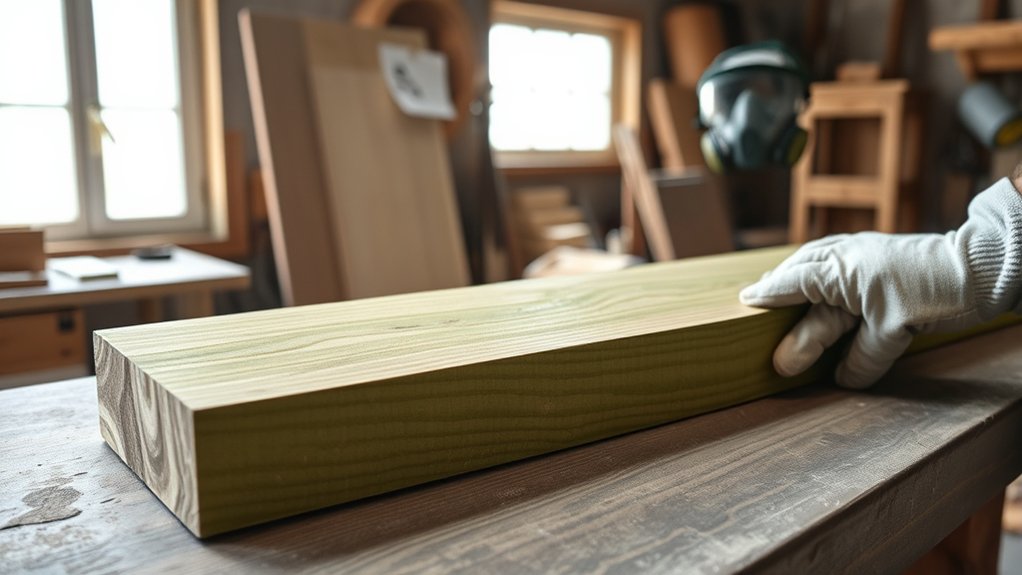
When you bring treated wood indoors, you expose yourself to chemicals like chromium, copper, and arsenic that can pose health risks.
Pressure-treated wood releases these substances through direct contact and off-gassing, which may cause skin irritation and respiratory issues. The chemical exposure compromises indoor air quality, especially when the wood is new.
Prolonged exposure can trigger allergic reactions and breathing difficulties, making indoor use risky.
Building codes often restrict pressure-treated wood indoors to prevent these health concerns. You should consider safe alternatives that don’t emit harmful toxins.
Avoid burning or improperly disposing of pressure-treated wood, as this releases dangerous fumes.
Being cautious about chemical exposure helps protect you and your family from the health risks associated with pressure-treated wood in indoor environments.
Indoor Applications to Avoid With Pressure Treated Wood
You should never use pressure-treated wood for food contact surfaces like countertops or cutting boards. That’s because harmful chemicals can leach into your food, which is definitely something you want to avoid.
Also, it’s a good idea to steer clear of installing it in poorly ventilated indoor spaces. Why? Because it can release volatile organic compounds that mess with your indoor air quality.
Food Contact Surfaces
Since pressure-treated wood contains chemical preservatives that can leach over time, you should never use it for food contact surfaces like cutting boards or countertops. The health risks from chemical leaching, even with modern treatments, make pressure-treated wood unsafe for indoor use where food is prepared or served.
The EPA advises against it due to potential exposure to harmful substances. Even sealed surfaces can wear down, increasing chemical exposure risk.
Instead, opt for untreated hardwoods or bamboo, which provide safer, durable alternatives without chemical concerns.
| Surface Type | Safety Recommendation |
|---|---|
| Pressure-treated wood | Avoid for food contact surfaces |
| Untreated hardwoods | Safe and durable option |
| Bamboo | Natural resistance, safe choice |
Poorly Ventilated Spaces
Although pressure-treated wood offers durability for outdoor use, it poses significant risks in poorly ventilated indoor spaces. When used in enclosed areas, pressure-treated wood can emit volatile organic compounds (VOCs) that degrade indoor air quality. Poor airflow traps these chemicals, increasing health risks from prolonged exposure.
Also, moisture retention in tight spaces like small rooms or attics can worsen structural decay and promote chemical leaching. This leaching is especially concerning near food storage or preparation areas.
Many building codes restrict pressure-treated wood indoors where ventilation is inadequate, reflecting these safety concerns.
To protect your health and comply with regulations, avoid installing pressure-treated wood in poorly ventilated spaces. Make sure there’s proper airflow to minimize exposure to harmful substances. It’s better to be safe and keep the air clean.
Safer Alternatives to Pressure Treated Wood for Indoor Use
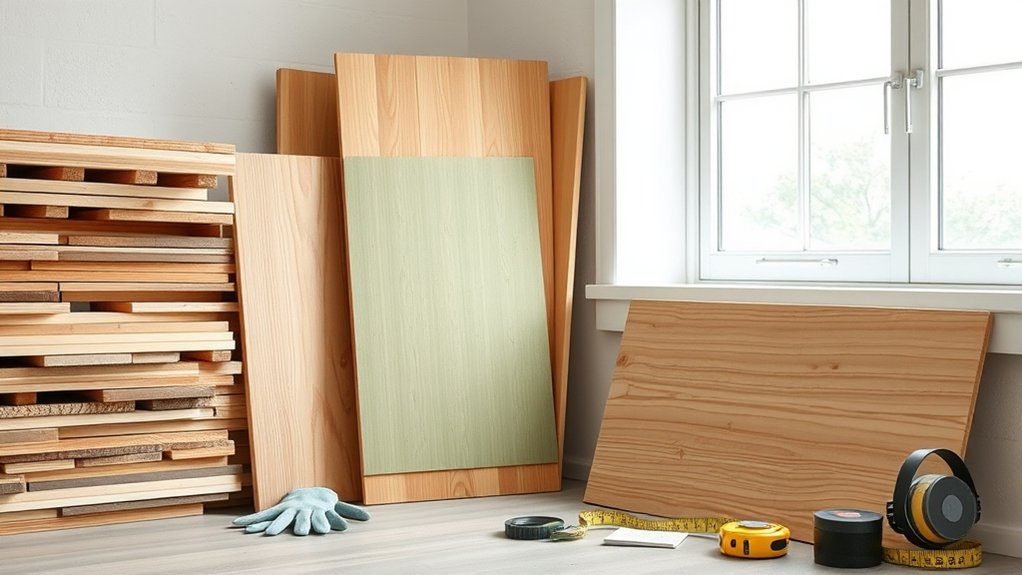
When choosing wood for indoor projects, opting for safer alternatives to pressure treated wood can greatly reduce your exposure to harmful chemicals.
Cedar and redwood naturally resist moisture and decay, making them excellent for indoor use without the risks linked to treated wood.
Untreated hardwoods like oak and maple offer durability and a refined look, especially when protected with non-toxic sealants that minimize VOC emissions.
Composite wood products provide moisture resistance and stability, serving as a safe choice for cabinets and furniture.
While MDF isn’t moisture-resistant, it works well indoors if properly sealed with water-based finishes.
Selecting these materials guarantees your indoor projects remain safe and durable, avoiding the health concerns associated with pressure treated wood.
Prioritizing non-toxic sealants further enhances safety and longevity.
How to Safely Handle and Install Pressure Treated Wood Indoors
Choosing safer wood alternatives reduces health risks, but sometimes pressure-treated wood is still necessary for indoor projects. When you’re handling pressure-treated wood, make sure to always wear personal protective equipment like gloves and masks. This helps minimize chemical exposure and keep you safe.
During installation, it’s important to guarantee good ventilation. This way, you avoid inhaling volatile organic compounds (VOCs) that could be harmful. Also, use screws instead of nails. Screws provide a more secure assembly and resist corrosion better.
After installation, don’t forget to apply a protective sealant. This will shield the wood from moisture and help extend its lifespan indoors.
| Step | Action | Reason |
|---|---|---|
| Handling | Wear PPE (gloves, mask) | Minimize chemical exposure |
| Installation | Guarantee ventilation | Reduce VOC inhalation risk |
| Post-Installation | Apply protective sealant | Prevent moisture damage |
Following these guidelines will help keep your indoor project safe and durable when using pressure-treated wood.
How to Maintain Pressure Treated Wood for Indoor Projects
Maintain pressure-treated wood indoors by regularly inspecting it for signs of wear like cracking or swelling. This helps you catch issues early and preserve its integrity in indoor applications.
After installation, apply a protective finish or sealant once the wood is fully dry to minimize moisture penetration and extend durability. Schedule annual maintenance for resealing to prevent mold growth and protect against damage.
When cleaning, use gentle cleaners and soft cloths to avoid compromising the wood’s treatment. Always guarantee proper ventilation during installation and maintenance to reduce exposure to any chemical preservatives.
How to Choose the Right Wood for Indoor Use Instead of Pressure Treated Wood
Although pressure-treated wood offers durability, selecting the right type of wood for indoor use can improve both safety and aesthetics.
You should consider untreated softwoods like pine or fir, which are affordable and suitable for framing or furniture when properly sealed.
Durable hardwoods such as oak and maple provide enhanced longevity and a refined look. They’re ideal for cabinetry, even though they tend to be more expensive.
Engineered wood products like plywood and MDF offer stable, smooth surfaces that are perfect for trim and detailed work.
Natural options like cedar and teak resist moisture and decay naturally, making them excellent for indoor decorative elements.
If you must use treated wood indoors, make sure it’s sealed with non-toxic finishes. This helps minimize VOC emissions and keeps your home safer overall.
Frequently Asked Questions
Can Pressure Treated Wood Be Painted or Stained Safely Indoors?
Yes, you can safely paint or stain pressure-treated wood indoors if you follow proper painting techniques and surface preparation.
Make sure the wood is fully dry and sanded smooth before applying water-based stains or paints to reduce environmental concerns.
Choose color options that suit indoor applications and enhance aesthetics.
Finish durability improves with quality sealants or varnishes, protecting against moisture.
Always ventilate well to minimize fumes and keep things safe during your project.
How Long Does Pressure Treated Wood Typically Last Indoors?
Pressure-treated wood typically lasts 10 to 40 years indoors, depending on factors like moisture resistance and how well the wood was treated.
The indoor environment plays a big role in how long it holds up.
You can extend its lifespan by following some simple maintenance tips, such as sealing it annually, especially in humid areas.
Controlling moisture indoors is super important to keep the wood from deteriorating.
Also, think about the environmental impact by choosing wood that’s been treated responsibly and try to avoid unnecessary waste.
With proper care, you can ensure the wood stays safe and lasts a long time inside.
Does Moisture Affect the Safety of Pressure Treated Wood Indoors?
Yes, moisture retention affects the safety of pressure-treated wood indoors. High humidity levels can increase chemical leaching, which can compromise indoor air quality and cause wood decay.
You need to follow strict ventilation requirements and safety precautions to minimize these risks.
Proper sealing and controlling moisture exposure reduce hazards. But without these measures, moisture can make pressure-treated wood unsafe by promoting chemical emissions and structural damage.
Can Pressure Treated Wood Be Used Near HVAC Systems Inside?
Using pressure-treated wood near HVAC systems indoors is like walking a tightrope, so you need balance. You can use it, but make sure to prioritize ventilation systems to protect indoor air quality and avoid chemical exposure.
Keep the wood from touching HVAC insulation directly. Also, maintain humidity levels to prevent moisture damage.
Regular wood maintenance and checking safety regulations help you stay compliant and safe.
Always seal the wood with a non-toxic finish to reduce emissions effectively. It’s all about taking the right steps to keep everything running smoothly and safely indoors.
What Are the Signs of Chemical Off-Gassing From Pressure Treated Wood?
You’ll notice chemical exposure symptoms like headaches, dizziness, or respiratory irritation if off-gassing occurs from pressure-treated wood. This happens because the pressure treatment process releases volatile compounds that impact indoor air quality.
Poor ventilation makes these effects worse, so it’s really important to keep the air flowing properly.
Be cautious with safe handling practices, and think about using alternative materials to reduce long-term health effects.
Also, regularly check for unusual odors to catch any issues early and protect your health. It’s better to stay alert and proactive when dealing with pressure-treated wood.
Conclusion
When bringing pressure treated wood indoors, picture the chemical barrier it carries. It’s protecting the wood but can be potentially harmful. You’ll want to handle it with care by wearing gloves and making sure your space is well-ventilated to stay safe.
Avoid using pressure treated wood where skin contact is frequent or where fumes might linger. Instead, it’s better to choose safer, untreated woods that breathe naturally. This way, you keep your indoor environment healthier.
By following these precautions, you’ll create a lasting, healthy space. It’s all about balancing durability with peace of mind.