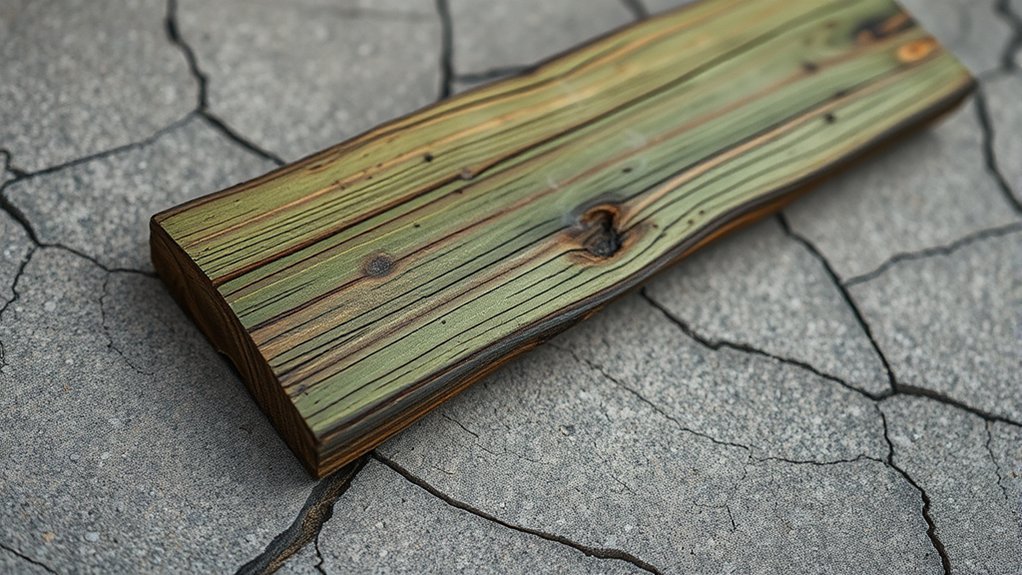
Can You Burn Pressure Treated Wood: Safety Warning
You shouldn’t burn pressure-treated wood because it releases toxic chemicals that can harm your health and the environment. Burning this wood produces hazardous smoke and ash containing substances like arsenic. These can cause respiratory issues and soil contamination.
It’s illegal in many areas, and you could face serious fines or penalties if you ignore the rules. Instead, dispose of it properly at approved sites. You might also want to consider safer alternatives like kiln-dried firewood.
Keep going to learn how to handle treated wood safely.
Identifying Pressure Treated Wood Safely
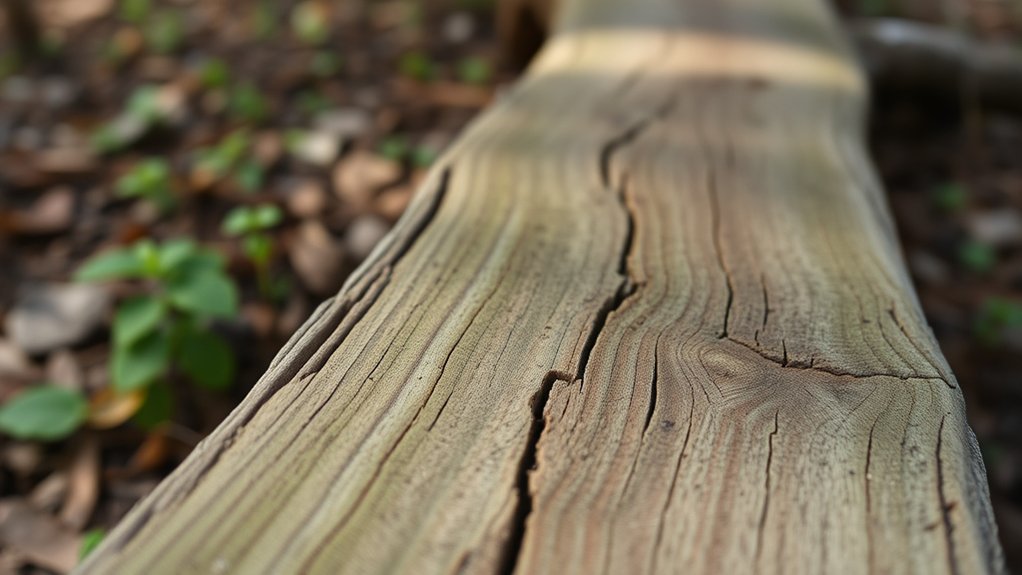
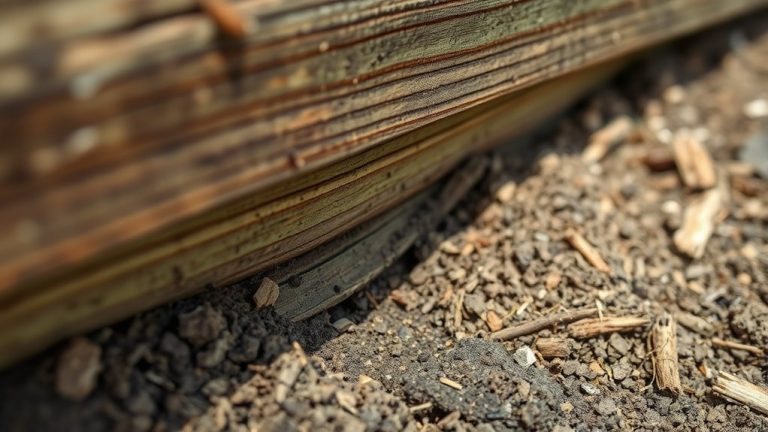
When working with wood outdoors, it’s important to identify pressure-treated wood accurately to avoid health risks. Pressure treated wood is chemically treated to resist decay and insects, often giving it a distinctive greenish or grayish tint.
To confirm if wood is pressure treated, look for stamps or tags marked “treated” or “PT.” These markings indicate the presence of chemicals used during the treatment process, which help preserve the wood but can be harmful if mishandled.
If you’re unsure whether wood is treated, don’t burn it, as the chemicals used can release toxic fumes. Always follow local guidelines for identifying and disposing of pressure treated wood to protect yourself and the environment from potential hazards.
Health Risks of Burning Pressure Treated Wood
Although it might seem convenient, burning pressure treated wood poses serious health risks you shouldn’t ignore. When burned, this wood releases hazardous waste, including toxic chemicals like arsenic. These chemicals can be lethal even in small amounts.
Here are key health risks you face:
- Exposure to toxic smoke can cause headaches, fatigue, and nosebleeds.
- Inhalation of ash and fumes may lead to hair loss and severe respiratory issues.
- Sensitive individuals, such as children or those with lung conditions, are at higher risk.
- Handling or inhaling the hazardous ash can result in long-term health complications.
Environmental Impact of Burning Treated Lumber
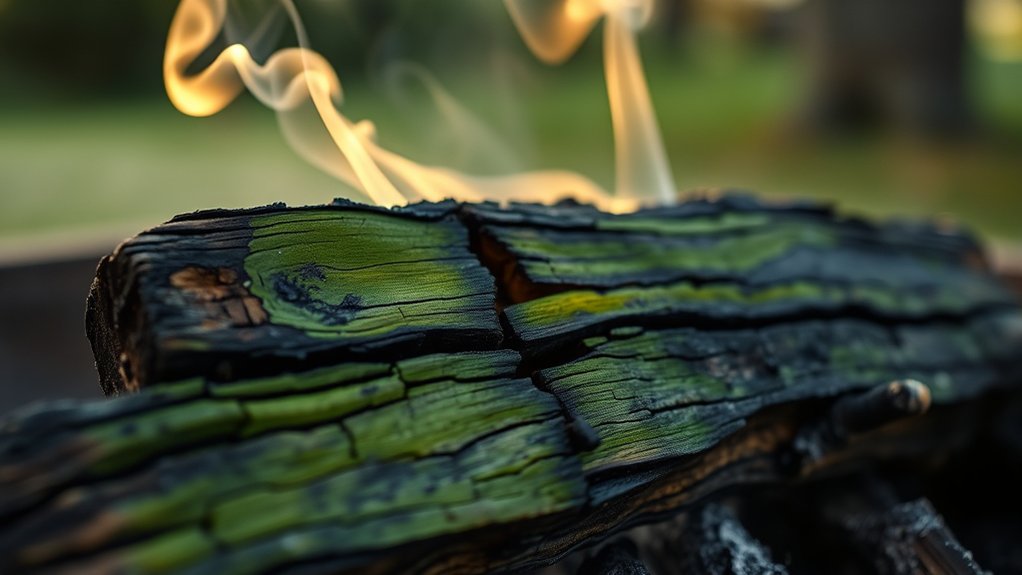
When you burn treated lumber, it releases toxic chemicals like arsenic into the air. This can seriously harm local ecosystems.
And these pollutants don’t just disappear—they end up contaminating the soil and water. That contamination disrupts plants, animals, and aquatic life.
Toxic Chemical Release
Because burning pressure treated wood releases toxic chemicals like arsenic and carcinogens, you expose yourself and the environment to serious health risks.
When you burn treated lumber containing chromated copper arsenate (CCA), these harmful substances don’t vanish; they linger in the air and ash, threatening your health and local surroundings.
Here’s what you risk by burning treated wood:
- Inhaling toxic fumes that cause respiratory problems and neurological damage.
- Spreading carcinogenic smoke that contaminates the air you breathe.
- Depositing hazardous ash that pollutes soil and water.
- Contributing to long-lasting environmental toxins that enter the food chain.
So, avoid burning treated lumber.
It’s really important to follow proper disposal guidelines to protect yourself and the environment from these dangerous chemical releases.
Ecosystem Disruption Effects
Several harmful effects occur when you burn pressure-treated wood, considerably disrupting local ecosystems. When you burn treated wood, it releases toxic chemicals like arsenic and chromium into the air, contaminating soil and water sources.
These toxins accumulate over time, posing long-term risks to plants and animals. The fumes can impair respiratory health in wildlife and lead to declines in fish and bird populations.
Burning treated wood also disrupts food chains, threatening agricultural systems that depend on balanced ecosystems. Additionally, toxic runoff from contaminated sites can reach coastal waters, damaging marine habitats and harming aquatic life.
Understanding these ecosystem disruption effects highlights why you shouldn’t burn treated wood. Doing so causes lasting environmental damage that’s difficult to reverse.
Legal Consequences of Burning Pressure Treated Wood
Although pressure treated wood may seem like convenient fuel, burning it carries serious legal consequences you need to be aware of. This wood contains harmful chemicals like arsenic that, when burned, release toxic fumes posing health and environmental dangers.
Laws strictly prohibit burning such materials, and violating these rules can lead to significant penalties.
Here are key legal consequences you face if you burn pressure treated wood:
- Heavy fines imposed by local authorities.
- Potential legal actions for endangering public health.
- Criminal charges in severe violation cases.
- Mandatory cleanup and remediation costs.
Warning tags on treated wood clearly advise against burning. Ignoring these warnings not only risks your safety but also puts you at serious legal risk.
Safe Disposal Methods for Pressure Treated Wood
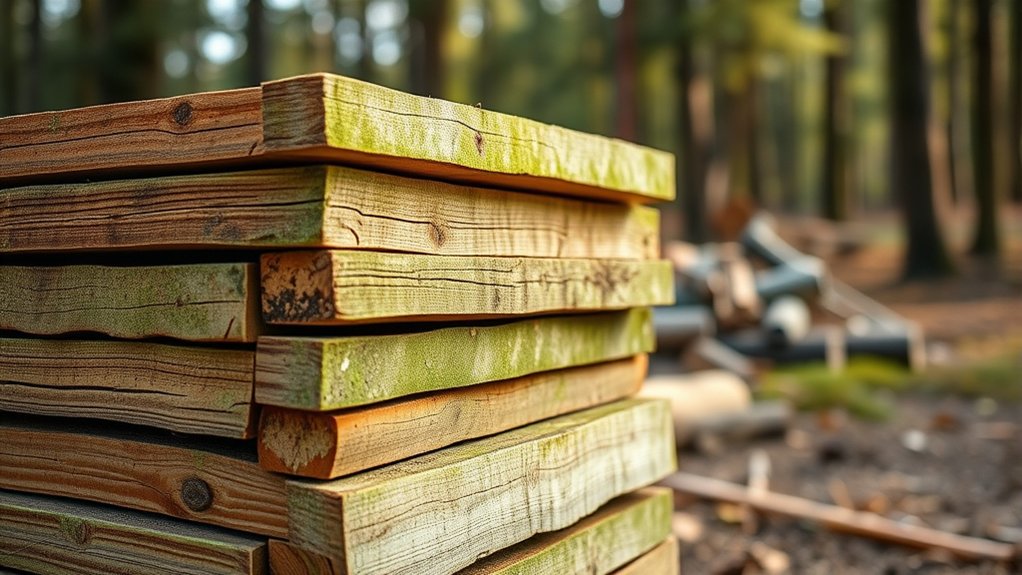
Since burning pressure treated wood is illegal and hazardous, you need to focus on proper disposal methods to protect your health and the environment.
Always take treated wood to approved construction debris disposal sites to avoid releasing toxic chemicals. Check with your local government for designated drop-off areas or curbside pickup options for treated wood debris.
Avoid cutting or sanding treated wood yourself, as this can generate harmful dust. Instead, consult local waste management authorities for guidance on safe disposal practices.
Following these steps guarantees compliance with regulations and minimizes health risks associated with improper disposal.
Handling treated wood responsibly prevents environmental contamination and protects you and your community from exposure to dangerous substances.
It’s really worth taking these precautions to keep everyone safe and sound.
Safe Heating Alternatives to Burning Treated Wood
When you need to heat your home, choosing untreated hardwoods like oak, maple, or ash can provide effective warmth without exposing you to toxic chemicals found in treated wood.
To protect your health and the environment, consider these safe heating alternatives:
Use kiln-dried firewood for a hotter, cleaner burn with less smoke. It’s a simple switch that makes a big difference. You’ll enjoy better heat and fewer pollutants in the air.
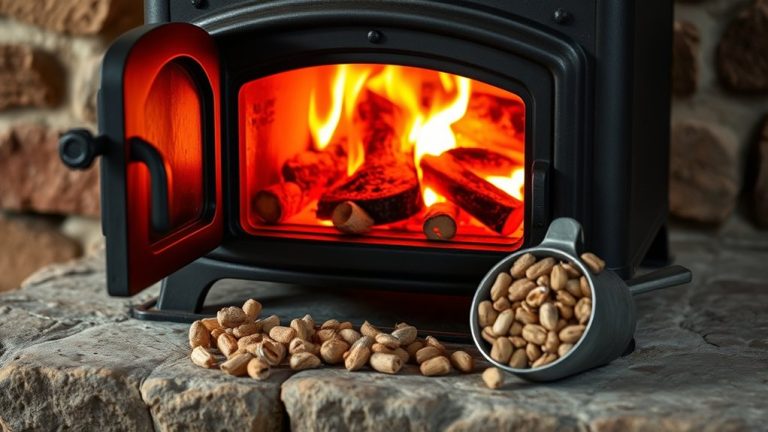
Switch to compressed wood pellets, an eco-friendly, sustainable option. These pellets burn efficiently and create less waste. Plus, they’re easy to store and handle.
Opt for electric or gas heating appliances to avoid wood burning risks altogether. They offer convenience and consistent heat without the smoke. This might be a good choice if you want a low-maintenance solution.
Explore biofuels like biodiesel or ethanol in specialized heaters for renewable energy. These options are gaining popularity for being cleaner and better for the planet. It’s worth checking if they fit your heating needs.
Finding Quality Kiln-Dried Firewood Near You
You’ll want to choose kiln-dried firewood because it burns cleaner and produces less smoke—thanks to its low moisture content.
It’s a great option if you’re looking for efficient, hassle-free burning.
Try checking out local suppliers, co-ops, or farmers’ markets. They often have certified kiln-dried wood, which helps guarantee both quality and safety.
And if you’re not sure where to start, online tools can be super helpful.
They’ll show you nearby sources offering properly dried, chemical-free firewood, making your search easier.
Benefits Of Kiln-Dried
Although choosing the right firewood might seem straightforward, opting for kiln-dried wood offers distinct advantages that improve your heating experience.
Kiln-dried firewood has a moisture content of 20% or less, ensuring it burns cleaner and produces less smoke. This means you’re not only protecting your lungs but also reducing environmental impact.
Here are four key benefits of kiln-dried firewood:
- Burns more efficiently, providing greater heat output and warmth.
- Produces up to 50% less smoke, making it safer for indoor use.
- Resists pests and mold, promoting a healthier environment.
- Easier to light and maintain, saving you time and effort.
Choosing kiln-dried wood means a safer, warmer, and cleaner fire every time.
Where To Buy
Where can you find quality kiln-dried firewood that meets safety and efficiency standards? Start by exploring local suppliers who specialize in kiln-dried wood. This type of wood has low moisture content, which means it burns cleaner and more efficiently.
You can also check online marketplaces and local classifieds. Just make sure to verify the seller’s reputation to confirm the wood’s quality.
Many lumberyards and home improvement stores stock kiln-dried firewood. It’s a good idea to ask about their drying processes and where they source their wood for peace of mind.
Don’t overlook local farmers or agricultural co-ops either. They often provide kiln-dried wood and can offer valuable insights on its quality.
Before you buy, inspect the wood carefully. Look for dryness, proper storage, and make sure it’s free from chemicals.
Taking these steps helps you avoid unsafe burning and ensures you get reliable, local kiln-dried firewood.
Don’t Burn Pressure Treated Wood: Here’s Why
Because burning pressure-treated wood releases harmful chemicals like arsenic and chromium, you should never use it as firewood.
Burning pressure-treated wood can cause serious health risks to you and those around you. The toxic fumes it emits don’t just threaten your health. They also harm the environment and wildlife.
Here’s why you must avoid burning pressure-treated wood:
- Toxic chemicals released can cause fatigue, headaches, and nosebleeds.
- Even small amounts of ash pose acute health dangers.
- Burning treated wood is illegal and can result in fines.
- Pollutants from the smoke damage local ecosystems.
Always dispose of pressure-treated wood at designated sites to protect your health and the environment.
It’s really important to follow these guidelines for your safety.
Frequently Asked Questions
Can Pressure Treated Wood Be Recycled Instead of Disposed?
You can’t recycle pressure-treated wood using conventional recycling methods because it contains harmful chemicals that pose serious environmental impact risks.
Many facilities won’t accept it, and improper handling can contaminate soil and water.
Instead, you should follow local regulations and dispose of it at designated construction debris sites.
Avoid burning or repurposing it without proper safety measures to protect yourself and the environment.
It’s definitely best to be cautious with pressure-treated wood to keep both you and the planet safe.
How Long Does Pressure Treated Wood Remain Toxic After Treatment?
Imagine you find a deck built 20 years ago with pressure treated wood. You might think the toxic chemicals have faded, but they haven’t.
Pressure treated wood remains toxic for decades, often 30 years or more, because those harmful substances don’t break down easily.
You should be cautious since the health risks persist long after treatment. Exposure to these chemicals can cause serious problems.
Are All Pressure Treated Woods Equally Hazardous When Burned?
No, not all pressure-treated woods are equally hazardous when burned because their chemical composition varies.
Some contain arsenic-based compounds like CCA, which release highly toxic smoke and ash. Others use less harmful chemicals like ACQ.
However, no matter the specific treatment, burning pressure-treated wood always releases harmful toxins and carcinogens.
Can Pressure Treated Wood Be Safely Used in Composting?
Would you want toxic chemicals seeping into your garden while waiting for wood decomposition? You shouldn’t use pressure treated wood for composting.
Composting guidelines clearly advise against it because harmful substances in the wood don’t break down safely and can contaminate your soil.
Instead, stick to untreated wood or organic materials to keep your compost healthy and safe for plants.
Always follow proper composting rules to protect your environment. It’s better to be safe than sorry when it comes to what you add to your compost!
What Are Common Alternatives to Pressure Treated Wood for Outdoor Projects?
You can choose cedar lumber or composite materials as safer alternatives to pressure treated wood for outdoor projects.
Cedar lumber naturally resists decay and insects, making it ideal for decks and fences.
Composite materials, made from recycled wood fibers and plastic, offer low maintenance and durability without harmful chemicals.
Both options reduce health risks and environmental impact, so you’ll want to prioritize them when planning your outdoor construction.
Conclusion
Don’t burn pressure treated wood. It’s like playing with fire in more ways than one. When you burn it, toxic chemicals are released, harming your health and the environment.
Besides, it’s often illegal and could land you in trouble. Instead, dispose of it safely or choose kiln-dried firewood for heating. Staying informed and cautious protects you and those around you.
So always handle treated wood responsibly and avoid unnecessary risks.