
Can You Put Wood In Microwave: Risks Explained
You shouldn’t put wood in the microwave because it can warp, crack, and trap moisture that promotes bacteria growth. Microwaves heat wood unevenly, creating steam pressure that damages the structure and may release harmful chemicals from finishes or glues.
This not only risks your bowl’s durability but also your health. Using safer alternatives like glass or ceramic is best. If you want to understand more about the risks and how to care for wooden bowls, keep exploring the details.
Risks of Microwaving Wooden Bowls

Although wooden bowls might seem microwave-safe, using them in the microwave can cause warping and cracking because wood absorbs moisture and heats unevenly.
When microwaving wooden bowls, internal steam pressure builds up, threatening the structural integrity and increasing the risk of cracks or even fire hazards. Uneven heating creates hot spots that may char the wood, further damaging it.
Moreover, many wooden bowls have finishes that release volatile organic compounds when heated, posing health risks like respiratory irritation.
Cracks formed during microwaving can trap moisture and promote bacterial growth or mold, making the bowl unsafe for future use.
Overall, microwaving wooden bowls compromises their durability and safety, so it’s best to avoid heating them in the microwave to prevent warping, cracking, and potential health hazards.
It’s really not worth the risk when there are safer options out there.
How Microwaves Heat Wood Inside
When you microwave wood, the energy excites its water molecules, making them vibrate and generate heat inside the material. It’s kind of like how your microwave heats food, but with wood, things get a bit more complicated.
How much the wood heats up and how evenly it does so really depends on its moisture content and density.
So, if the wood is wetter or denser, it might heat differently compared to drier or lighter wood.
Knowing this helps explain why microwaving wood can sometimes cause uneven heating and even damage.
It’s not always a smooth process inside that piece of wood.
Microwave Heating Mechanism
Because microwaves cause water molecules inside wood to vibrate through dielectric heating, they generate heat by dipolar polarization and ionic conduction. Microwave heating depends heavily on wood moisture content. Wetter wood absorbs energy more effectively but reduces penetration depth, usually between 1 to 5 cm.
Due to wood’s hygroscopic nature, uneven moisture distribution often creates significant temperature gradients, sometimes over 50°C, between the surface and core. This difference can cause internal moisture to vaporize rapidly, generating steam pressure that risks structural damage like cracking and warping.
Irregular shapes further complicate uniform heating, increasing these risks. Understanding how microwave energy interacts with wood’s internal moisture and structure is vital.
If heating isn’t done right, it can lead to irreversible damage and failure.
Wood Moisture Interaction
As you microwave wood, the moisture trapped inside plays an essential role in how heat develops and spreads. Wood moisture interaction drives microwave heating through dielectric heating, where microwaves cause water molecules to vibrate, generating heat.
Since wood is hygroscopic, its moisture content varies, leading to uneven heating and temperature gradients between the surface and core. This uneven heating can exceed 50°C, stressing the wood’s structural integrity.
Rapid vaporization creates steam pressure and internal pressure buildup, which risks cracks or warping.
Grain orientation and wood density further influence how microwaves penetrate, affecting moisture distribution and heating patterns. Understanding these factors is key to recognizing why microwaving wood can damage its structure.
How Microwaving Affects Wood Finishes

Although wood may seem durable, microwaving can seriously damage its finishes. When you microwave wooden bowls, the intense heat often exceeds the thermal tolerance of common wood coatings, causing finishes to crack or peel.
Moisture trapped inside the wood generates steam pressure, which further risks damage to both the finish and the wood itself.
If the wood is treated, heating may release volatile organic compounds (VOCs), contaminating food and posing health risks. Many finishes, such as polyurethane varnishes, need to be fully cured to be food-safe; microwaving can compromise their safety.
Plus, the heat can break down wood’s natural oils, altering food flavor and aroma.
Health and Safety Concerns With Wooden Bowls in Microwaves
You should be careful when microwaving wooden bowls because the heat can cause them to crack or warp.
It’s not just about the shape changing—sometimes the finishes or glues used in the bowl can release harmful chemicals when heated.
That means those chemicals might end up in your food.
Chemical Emissions Risks
When you microwave wooden bowls, especially those treated with finishes like varnishes, you risk releasing volatile organic compounds (VOCs) such as formaldehyde and phthalates. These chemical emissions increase at elevated temperatures, raising health concerns due to chemical exposure.
Harmful phthalates from finishes can contaminate food, and older wooden bowls might contain banned substances that worsen microwaving risks. Prolonged microwave radiation can further accelerate VOC release, so it’s important to be cautious when using wooden bowls in microwaves.
| Factor | Chemical Emission | Health Concern |
|---|---|---|
| Wooden Bowls | VOCs like formaldehyde | Respiratory, endocrine risks |
| Finishes | Harmful phthalates | Food contamination |
| Elevated Temperatures | Increased VOC release | Higher chemical exposure |
| Older Bowls | Banned substances | Enhanced microwaving risks |
| Microwave Radiation | Accelerates chemical release | Prolonged exposure risks |
Structural Damage Hazards
Beyond the chemical risks, wooden bowls face physical challenges in microwaves that affect both safety and durability. When microwaving, the moisture content in wood heats unevenly, causing structural damage like cracking and warping. Over time, this compromises the bowl’s integrity and increases health risks due to possible VOC emissions from treated wood.
Here’s what you should know:
- Uneven moisture heating creates internal steam pressure, leading to fractures.
- Prolonged microwaving can cause overheating, raising fire hazard concerns.
- Wooden bowls aren’t designed for repeated heat exposure, violating kitchen safety guidelines.
To avoid these risks, it’s best not to microwave wooden bowls. Doing so protects your health and preserves the bowl’s structural soundness.
Safe Alternatives to Wooden Bowls for Microwaving

Although wooden bowls aren’t suitable for microwaving, several safe alternatives can meet your reheating needs effectively.
Glass bowls are microwave-safe, nonporous, and bacteria resistant, making them ideal for reheating food and easy to clean.
Glass bowls resist bacteria and heat, making them perfect for safe, easy reheating and cleaning.
Silicone containers, especially BPA-free and food-grade types, offer a flexible, heat-resistant, and durable option.
Ceramic bowls labeled microwave-safe also withstand high temperatures without leaching harmful chemicals.
To guarantee safety, always check labels for microwave-safe certification and choose trusted brands.
Avoid plastic containers that aren’t microwave-safe, as they may release harmful microplastics during heating.
Caring for Wooden Bowls to Prevent Microwave Damage
Choosing the right materials for reheating food is important, but if you use wooden bowls regularly, proper care can extend their life and maintain their appearance.
To prevent microwave damage and maintain integrity, follow these steps in caring for wooden bowls:
- Always wash by hand with mild soap and warm water, then dry immediately to prevent warping and moisture absorption.
- Regularly apply a food-safe wood conditioner like mineral oil to keep the wood hydrated and prevent brittleness or cracks.
- Transfer food safely by heating in microwave-safe containers first, avoiding direct exposure of wooden bowls to high temperatures that cause structural damage.
Also, inspect for cracks frequently and store bowls in cool, dry places to preserve their durability and prevent warping over time.
Taking these simple steps really helps keep your wooden bowls looking great and lasting longer.
Repairing and Repurposing Damaged Wooden Bowls
When your wooden bowl develops minor cracks, you can often repair it effectively using food-safe wood glue. This helps maintain its safety and usability.
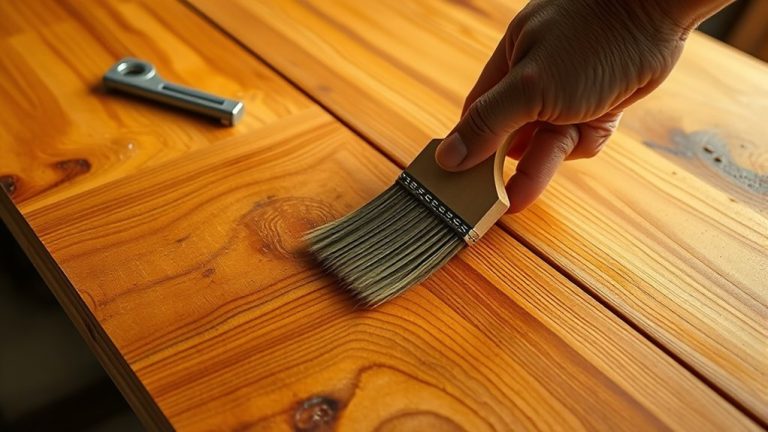
After repairing, apply a food-safe finish like mineral oil or beeswax to restore the bowl’s appearance and protective qualities.
Apply a food-safe finish such as mineral oil or beeswax to enhance and protect your wooden bowl after repairs.
Regular maintenance, including applying a wood conditioner, prevents damage and extends the life of wooden bowls. This reduces the need for future repairs. It’s a simple step that goes a long way.
Always assess the structural integrity before use. If the damage is extensive or the bowl shows significant warping or deep cracks, avoid using it for food to minimize health risks.
Instead, consider repurposing damaged wooden bowls creatively. You could turn them into planters or decorative items, giving them new life beyond the kitchen. It’s a great way to keep something useful instead of tossing it out.
Frequently Asked Questions
Can Wooden Utensils Be Safely Microwaved if Wet?
You shouldn’t microwave wooden utensils if they’re wet because wood moisture causes steam buildup, which can lead to cracks and warping.
Wet wood absorbs heat unevenly, which reduces the durability of your utensil and causes some spots to retain more heat than others.
Different types of wood react differently, but overall, having moisture in the wood can release harmful compounds that might contaminate your food.
So, it’s really best to avoid microwaving wet wooden utensils.
To keep your utensils in good shape, make sure to dry them thoroughly before microwaving.
Also, try to limit the microwave time, especially if the wood is treated.
Taking these simple steps helps protect your wooden utensils and keeps them lasting longer.
Does Microwaving Wood Affect Its Natural Color?
Yes, microwaving wood affects its natural color. Heat absorption and moisture content cause wood color changes, especially with longer microwave duration.
Different wood types react uniquely due to grain structure and dye reactions.
Surface finishes can discolor, and exceeding temperature thresholds risks charring. To minimize damage, consider safety precautions like short heating times and monitoring.
How Long Can Wood Stay in the Microwave Without Damage?
You should limit the heating duration of wood in the microwave to 10–30 seconds to avoid damage.
Microwave safety depends on wood properties like moisture content, wood density, and wood type. Treated wood or finishes can worsen risks.
Be aware of temperature thresholds and watch for damage signs such as warping or cracking.
Microwave design also matters, so monitor closely to prevent overheating and maintain wood integrity.
Just keep an eye on it while it’s heating to be safe.
Are Certain Types of Wood Safer for Microwaving?
You might think hardwood vs softwood makes a difference, but neither guarantees wood type safety in microwaving.
Wood density effects and moisture content impact how wood reacts, often causing warping or cracking. Grain orientation and resin presence issues add unpredictability.
Treated wood concerns and finish types comparison reveal chemical risks. Sourcing safe wood is tricky, and microwave wattage considerations only increase hazards.
Can Microwaving Wooden Items Cause Sparks or Fires?
Yes, microwaving wooden items can cause sparks or fires because of wood properties like moisture content and material reactions.
Untreated wood might trap steam, which leads to uneven heat distribution and potential fire hazards.
Sparks can happen if there are metal components embedded in the wood.
So, it’s really important to check how the wood is treated and follow any user precautions.
Microwave designs can vary a lot, so it’s best to avoid microwaving wood unless it’s specifically labeled microwave-safe.
That way, you minimize risks and keep yourself safe.
Conclusion
You might’ve heard that microwaving wooden bowls is harmless, but the truth is, wood doesn’t heat evenly and can crack or warp. Plus, finishes might degrade, risking chemicals leaching into your food.
For your safety and the bowl’s longevity, it’s best to avoid microwaving wood. Instead, use microwave-safe alternatives like glass or ceramic.
Taking care of your wooden bowls by keeping them out of the microwave helps preserve their beauty and function longer.