Can You Microwave Wood Bowls – Safety Facts You Must Know
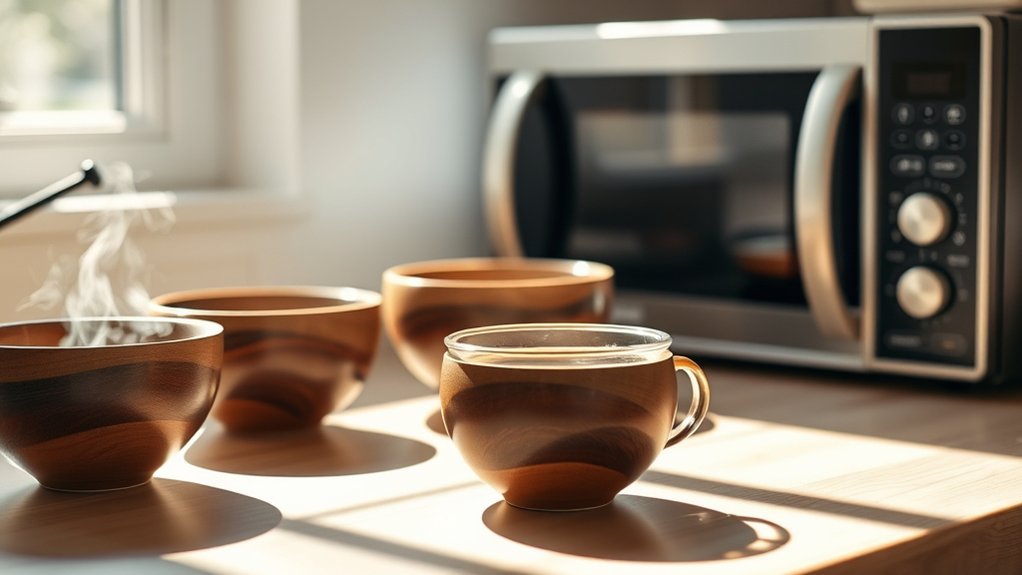
You shouldn’t microwave wooden bowls due to several risks. Rapid heat can crack or warp the wood, compromising its structural integrity. Overheating might even cause fire hazards and release harmful fumes from degraded finishes.
Signs of damage include visible cracks, discoloration, and a burnt smell. Instead, consider using glass, ceramic, or microwave-safe plastic as safer options.
Proper care and maintenance are essential for wooden bowls, and we’ll explore effective strategies to preserve their quality and longevity.
Why You Shouldn’t Microwave Wooden Bowls
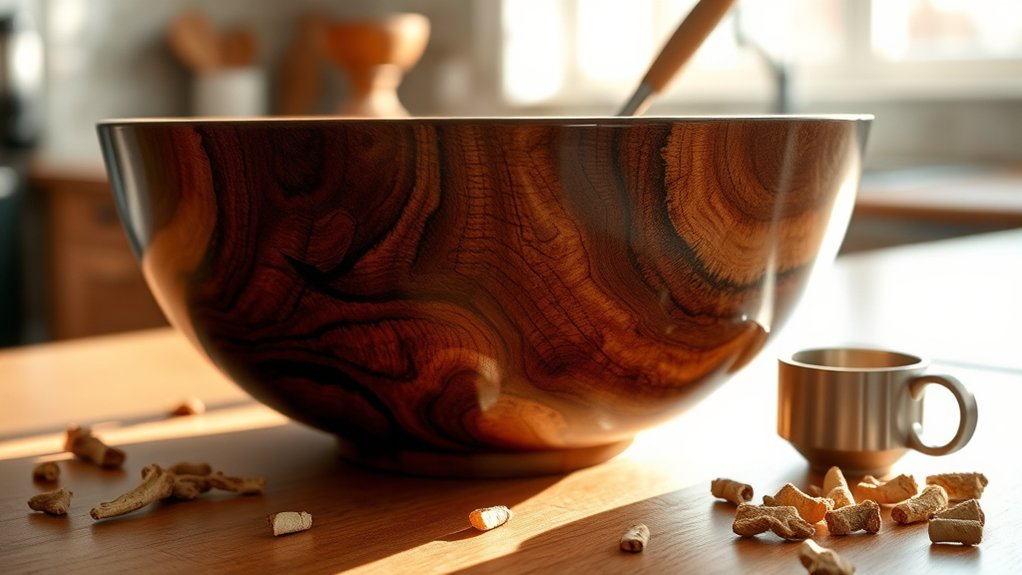
Although it might seem convenient to pop your wooden bowl into the microwave for a quick heating solution, you should think twice before doing so.
Microwaved wooden bowls are prone to damage from rapid heat exposure, which can lead to cracking and warping. This damage compromises the structural integrity of the bowl, and the protective finishes may also degrade, releasing harmful fumes.
Cracks and warped surfaces can harbor bacteria, posing significant food safety risks. Plus, wooden bowls can become a fire hazard, as high temperatures might ignite them if overheated. So, it’s really not worth the risk.
Regularly microwaving your wooden bowl speeds up brittleness and deterioration, ultimately shortening its lifespan.
For your safety and the longevity of your bowl, it’s best to reconsider using it in the microwave.
The Risks of Microwaving Wooden Bowls
Microwaving wooden bowls can be pretty risky, mainly because of heat causing cracks.
When the wood goes through quick temperature changes, it might warp and crack, which weakens the bowl’s structure.
On top of that, if the temperature gets too high, there’s a chance the wood could actually catch fire.
Heat-Induced Cracking Risks
When you microwave wooden bowls, the rapid heat can lead to problems that are often overlooked. The microwaved wood undergoes heat-induced drying, which quickly reduces moisture levels and increases the risk of cracking.
This drying can also cause significant warping, ultimately compromising the bowl’s structural integrity.
Plus, exposure to high temperatures may damage protective finishes, making the wood more prone to stains and odors.
Cracks that form can harbor harmful bacteria, posing serious food safety risks. You mightn’t notice these issues right away, but over time, the consequences add up.
This can lead to weakened bowls that not only look bad but might also be unsafe for use in your kitchen.
Fire Hazard Concerns
It’s essential to recognize that microwaving wooden bowls carries significant fire hazard concerns. When you use a microwave with these bowls, the intense heat can lead to rapid overheating, causing warping and cracks.
These issues not only compromise the structure of the bowls but could also ignite dry wood, posing a severe fire risk.
Consider the following risks:
- Cracks could harbor bacteria, jeopardizing food safety.
- Overheating can dry out wood, making it brittle and prone to damage.
- Varnishes and adhesives may release fumes, leading to health hazards.
- A sudden ignition can create an unnecessary emergency.
- Warping can render the bowl unusable.
To protect yourself and your kitchen, it’s best to avoid microwaving wooden bowls altogether. It’s just not worth the risk.
Signs Your Wooden Bowl Is Damaged
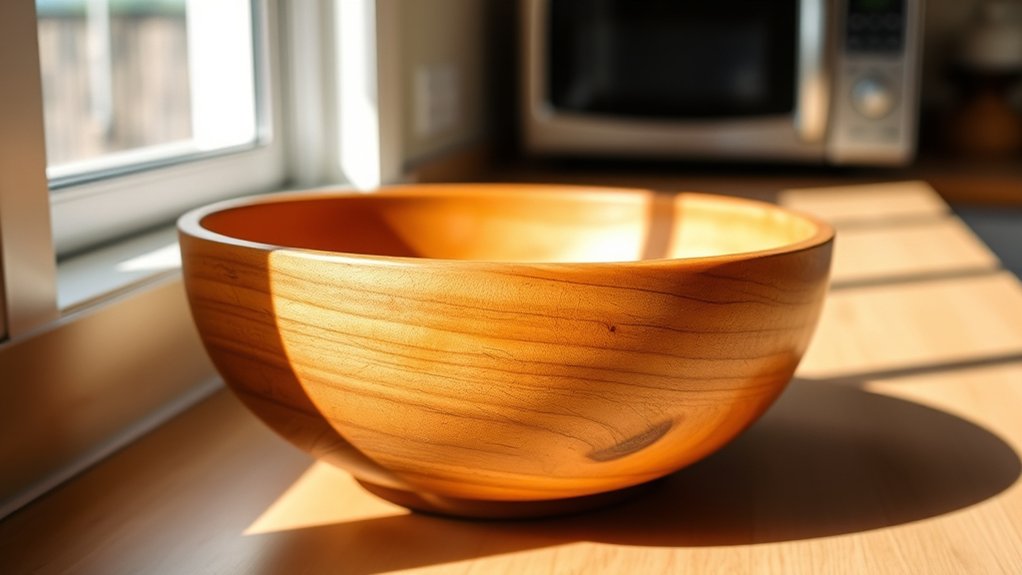
Recognizing signs of damage in your wooden bowl is essential for maintaining its longevity and safety. Regular inspections can help identify issues that might compromise food safety.
| Signs of Damage | Indicators |
|---|---|
| Cracks and Warping | Visible cracks indicate heat and moisture loss. |
| Discoloration | Changes in color or texture suggest compromised finish, leading to bacterial growth. |
| Brittleness | Splintering and brittleness occur from excessive heat, weakening the bowl’s integrity. |
Also, if your bowl emits a burnt smell while heated, it’s likely overheated and damaging its adhesives or finishes. Keep an eye out for signs of moisture absorption too. This can lead to further degradation and increase food safety risks.
Stay vigilant to make sure your wooden bowl stays in great shape!
Explore Alternatives to Microwaving Wooden Bowls
While wooden bowls may not be the best choice for microwaving, several alternatives offer safe and effective solutions for reheating food. Consider these options to guarantee you avoid health risks and retain your food’s quality.
Glass bowls distribute heat evenly and don’t absorb food odors.
Ceramic bowls are great too—just look for microwave-safe labels to make sure they’re durable and resistant to cracking.
Microwave-safe plastic containers can work, but always check for leaching microplastics to avoid health concerns.
Food-grade silicone is another option. It’s versatile, heat-resistant, and won’t melt or react with your food.
Also, avoid metallic paint on any containers. Make sure there are no metallic coatings to prevent sparks in the microwave.
Choosing these alternatives keeps your food safe and delicious, while also sticking to safety tips about microwaving wooden bowls.
Essential Tips to Maintain Wooden Bowls
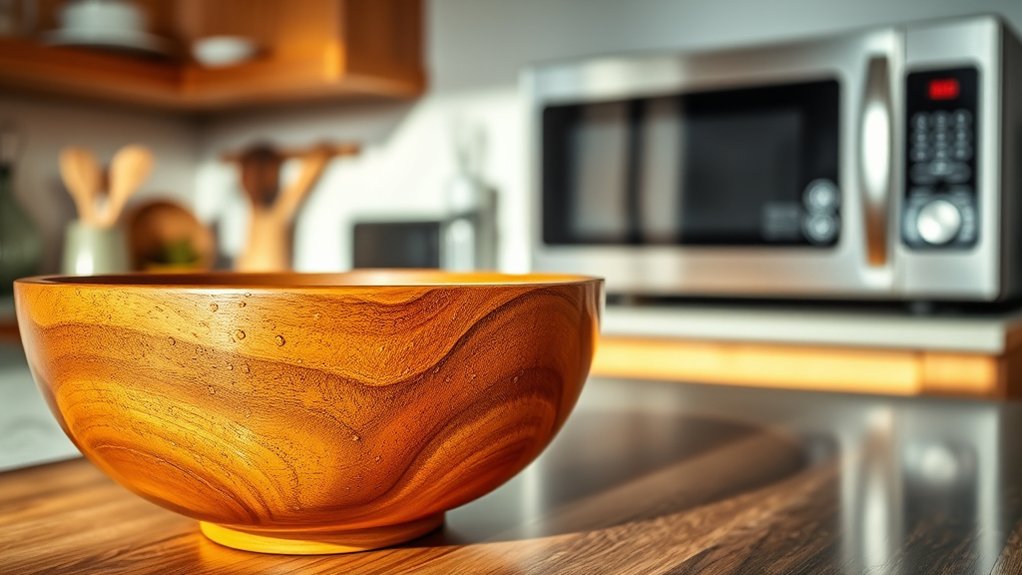
To keep your wooden bowls in ideal condition, consistent maintenance is essential. Follow these tips to guarantee longevity.
| Action | Details |
|---|---|
| Hand wash | Use mild soap and warm water; avoid dishwasher. |
| Dry immediately | Use a soft cloth to prevent moisture absorption. |
| Inspect for damage | Check regularly for cracks or warping. |
| Apply conditioner | Use food-safe mineral oil to maintain moisture. |
| Store properly | Keep in a cool, dry place with good air circulation. |
Taking care of your wooden bowls isn’t hard, but it does take a little effort. Just remember to wash them gently and dry them right away. This prevents any water damage or warping.
Also, keep an eye out for any cracks or other damage. If you treat them well and condition them regularly, they’ll last you for years. Storing them in a cool, dry spot with good airflow helps too.
Is It Safe to Microwave Bamboo Bowls?
Have you ever wondered if it’s safe to microwave your bamboo bowls? Generally, it’s not recommended. Similar to wooden bowls, bamboo can suffer from heat damage, which can compromise their structural integrity.
Here are some key concerns:
- Risk of warping and cracking
- Potential release of harmful fumes from adhesives
- Degradation of the bowl material under high temperatures
Also, there are limited options when it comes to microwave-safe labeled bamboo fiber bowls.
There are safer alternatives like glass or ceramic. While some bamboo bowls may be marketed as microwave-safe, it’s really important to check each product carefully.
For your safety and to preserve your dishes, it’s best to choose more reliable materials when microwaving food. Avoid the risks associated with bamboo to keep your kitchen experience enjoyable and worry-free.
How to Care for Microwave Alternatives
When you choose to use glass, ceramic, or microwave-safe plastics, caring for these alternatives properly guarantees their longevity and effectiveness.
Always select containers labeled as microwave-safe to guarantee even heat distribution and avoid damage.
For plastics, opt for BPA-free options designed specifically for microwaving as not all types can handle the heat.
Food-grade silicone is another versatile choice, but make certain it’s marked as safe for microwave use.
Regularly inspect your containers for signs of wear or damage, as these could compromise safety.
Moreover, avoid using items with metallic paints or finishes, as they can create safety hazards by sparking in the microwave.
Proper care helps you maintain safe and efficient cooking practices.
Taking a few simple steps means your containers will last longer and keep your food safe every time.
Understanding the Impact of Heat on Wooden Materials
Although you might consider wooden bowls a charming addition to your kitchen, it’s important to understand how heat affects their structure and usability. This knowledge is essential for keeping them in good shape.
Microwaving wooden bowls can cause several problems. For one, it leads to rapid moisture loss, which makes the wood brittle and more likely to crack. Also, if the exposure to heat lasts too long, the bowls can warp and lose their structural integrity.
Another issue is that wooden bowls tend to absorb food odors. This means the flavors of your future dishes might get altered. Plus, heat can damage the finishes and sealants on the wood, which might release harmful fumes into the air.
There’s also a higher fire risk when wooden bowls are exposed to intense microwave heat over time. Knowing these risks helps you take better care of your wooden kitchenware and keeps your cooking safe and enjoyable.
Being informed means you can make smarter choices about what you use in your kitchen. It’s all about preserving your wooden materials while having a great culinary experience.
Frequently Asked Questions
Can I Soak My Wooden Bowl in Water?
You shouldn’t soak your wooden bowl in water, as too much moisture can damage it. Instead, focus on maintaining your bowl with proper wood care.
Use damp cloths when sanitizing and avoid soaking, since soaking can weaken the wood over time. After cleaning, make sure to dry your bowl thoroughly to remove all moisture.
To keep your wood protected, regularly apply food-safe mineral oil. This helps keep moisture in balance and extends the life of your seasoned bowls and wood finishes.
Taking these steps will keep your wooden bowl looking great for years to come.
How Can I Tell if a Bowl Is Microwave-Safe?
To determine if a bowl is microwave-safe, check the bowl labels for clear indications of microwave materials.
Look for heat resistance ratings and confirm the design doesn’t include wood finishes that could cause issues.
Also, examine the bowl for cracks or damage, as these affect safety.
Verify it adheres to temperature limits and user guidelines.
And don’t forget to consider moisture retention properties to avoid compromising food safety during heating.
It’s always better to be cautious!
Are There Specific Wood Types Safer for Microwaving?
There aren’t any specific wood types that guarantee microwave safety. All wooden bowls, no matter the wood finish, can have heat resistance issues that might cause cracks or warping.
Microwaving can mess with the bowl’s construction because of rapid temperature changes and moisture loss. So, it’s really tricky to keep wooden bowls safe in the microwave.
For the best care and food safety, it’s a good idea to just avoid microwaving wooden bowls altogether.
Always check and follow the user guidelines to keep your kitchenware in good shape.
What Happens if I Accidentally Microwave a Wooden Bowl?
If you accidentally microwave a wooden bowl, you’ll likely face wood bowl damage. The heat can cause the bowl to warp or even ignite, which is a serious hazard in the microwave.
Plus, as the wood loses moisture, it might become brittle and crack. These cracks can be a problem because they can trap bacteria, making your food unsafe.
So, it’s really important to check your bowl for any damage after heating it.
To keep your bowls in good shape, think about using materials that handle heat better. This way, you can avoid these risks and keep things safe in the kitchen.
Can I Use Wooden Bowls for Hot Food or Liquids?
You shouldn’t use wooden bowls for hot food or liquids because of food safety and the care your bowl needs. Heat can make the wood absorb liquids, which might cause cracking and warping. This can really affect how long your bowl lasts.
Instead, try using microwave-safe bowls when heating food.
When it comes to cleaning, always wash your wooden bowls gently with safe methods. Avoid exposing them to extreme temperatures to keep them in good shape.
Taking care of your wooden utensils this way helps them last longer. Plus, it keeps them safe for everyday use. So, a little care goes a long way!
Conclusion
To sum up, while it might seem convenient to microwave wooden bowls, the risks far outweigh the benefits. You could inadvertently damage your cherished bowl or compromise its integrity, leading to potential health hazards.
Instead, explore safer alternatives and invest time in proper care for your wooden kitchenware. Treating your wooden bowls with respect not only prolongs their life but also enhances your cooking experience.
Embrace this mindful approach and enjoy the beauty of your wooden pieces for years to come. It’s definitely worth the effort!