Can You Burn Pallet Wood – What You Need To Know First
You can burn pallet wood, but it’s essential to identify safe options first. Look for pallets stamped with ‘HT’ (heat-treated) or ‘KD’ (kiln dried) and avoid those marked ‘MB,’ as they can release toxic chemicals. Always inspect for contaminants and remove any nails before burning.
Be aware of local regulations regarding pallet disposal. Implementing best practices not only guarantees safety but minimizes environmental harm. There’s much more to take into account if you want to burn pallets wisely.
Identifying Safe Pallet Wood for Burning
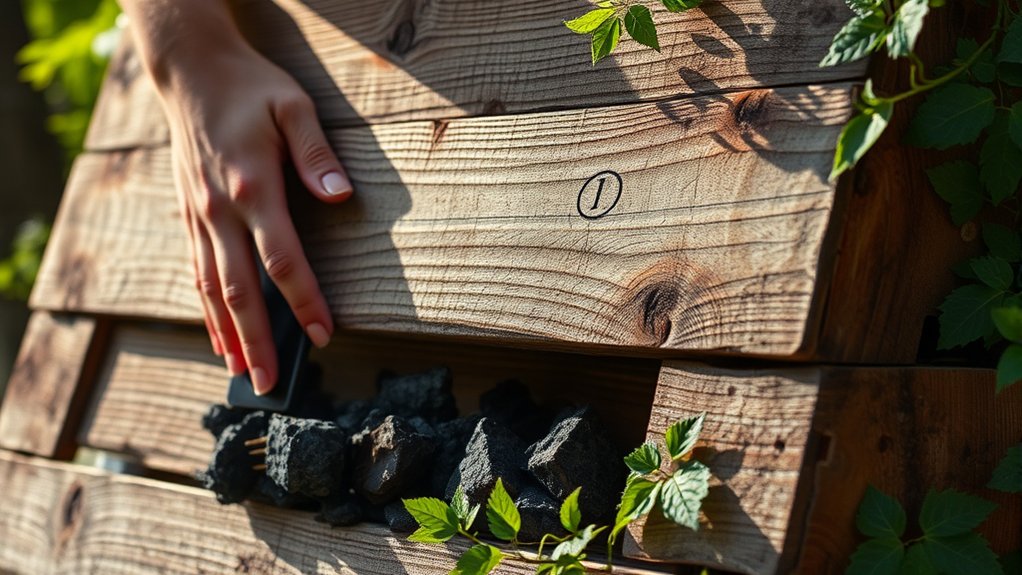
When you’re looking to burn pallet wood, it’s important to identify safe options to avoid health hazards.
Start by looking for pallets stamped with ‘HT’ (heat-treated) or ‘KD’ (kiln dried), as these indicate safer burning choices. Avoid pallets marked ‘MB’ since they’re treated with potentially toxic chemicals.
Look for pallets marked ‘HT’ or ‘KD’ for safer burning; avoid ‘MB’ as it may contain toxic chemicals.
Unpainted and unstained wood is preferable. Painted or stained pallets can release harmful gases when burned.
Always inspect for dirt, oil, or spills, and remove any nails or metal pieces.
Remember that burning treated wood can release dangerous particulates, which can be harmful to vulnerable groups like children and individuals with asthma.
Finally, check your local regulations before burning pallets, as many areas restrict this practice due to pollution concerns.
Understanding Types of Pallet Wood
Although many people may not realize it, understanding the types of pallet wood can greatly impact both safety and functionality in various applications.
There are key distinctions you should note:
- Block Pallets: Sturdier and longer-lasting, often made from oak.
- Stringer Pallets: Cheaper but less durable, usually constructed from pine, which is more likely to be treated.
- Chemical Treatments: Pallets can be heat-treated (‘HT’), kiln-dried (‘KD’), or marked with an ‘MB,’ indicating they’re treated with potentially toxic chemicals.
Recognizing these factors is essential for your safety.
Untreated pallet wood is generally safe for burning, while treated wood can release harmful toxins. So, it’s really important to identify the type before you use it.
Always prioritize safety when working with pallet wood. It’s better to be cautious than sorry!
The Risks of Burning Treated Pallet Wood
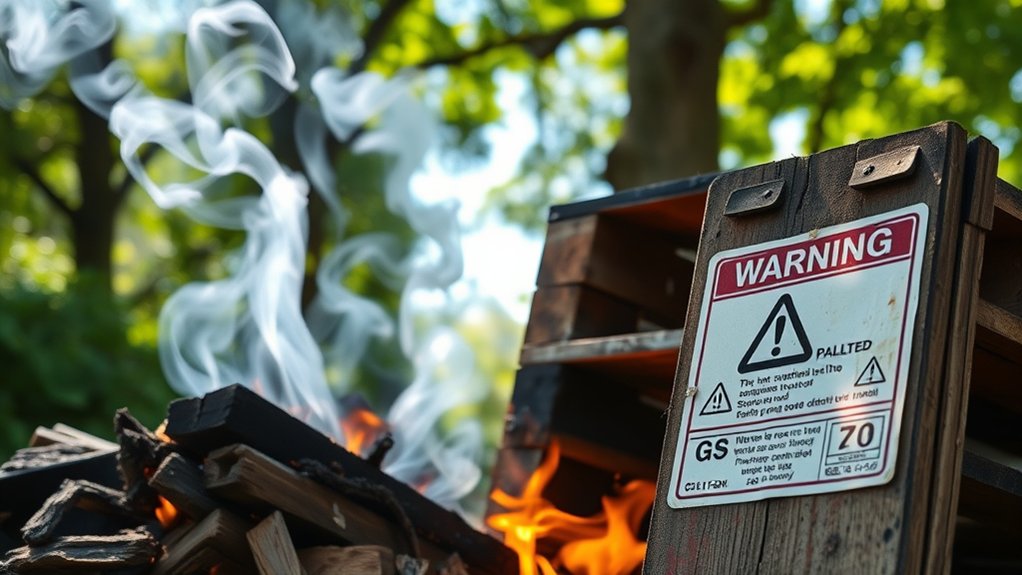
Burning treated pallet wood poses significant health risks because of the toxic chemicals released when it burns.
Pallets treated with methyl bromide, for example, emit harmful substances like dioxins and volatile organic compounds (VOCs). Breathing in the smoke from these pallets can cause respiratory issues, dizziness, and even long-term health problems.
This is especially concerning for kids and people who already have breathing problems. The chemicals used to treat the pallets make them really dangerous when burned since they release harmful gases and tiny particles.
Plus, many local rules say you can’t burn treated wood, including pallets, to protect the environment and avoid fines.
Best Practices for Burning Pallets
When you’re burning pallets, safety should always come first. Make sure all pallets are properly marked and free of any harmful treatments. It’s really important to check this before you start.
Also, don’t forget to follow your local regulations. This helps you avoid penalties and protects the environment, which is a win-win.
Before you get to the fire, take some time to remove any nails and metal pieces from the pallets. It makes the whole process safer and smoother.
One more thing—try burning the pallets in small pieces. This way, you can control the fire better, lower the risk of accidents, and get the most out of your burn.
Safety First Always
Ensuring safety should be your top priority before burning pallets. Improper practices can lead to serious health and environmental risks. So, always follow these best practices to keep things safe.
First, check for chemical treatment stamps. Only burn pallets marked “HT” (heat-treated) or “KD” (kiln dried). Avoid pallets marked “MB” because they can be harmful.
Next, remove all nails and metal pieces. This helps prevent hazards and protects your stove or fireplace from damage.
Also, wear proper personal protective equipment (PPE) like masks and eye protection. This will guard you against wood dust and potential injuries while handling the pallets.
Comply With Regulations
Before setting your pallets ablaze, it’s important to comply with local regulations that govern outdoor burning. Many areas prohibit burning pallets due to pollution risks, and violations can lead to fines as high as $5,000. So, make sure you know the rules before you start.
Make sure your pallets are heat-treated (‘HT’) or kiln-dried (‘KD’) and free of harmful chemicals. Avoid pallets marked with ‘MB’ since they can be dangerous to burn. Also, always remove nails and metal pieces to prevent hazards.
Keep a close eye on the fire because burning pallets produce intense heat and rapid flames. Staying alert helps you avoid accidents and keep things under control.
| Regulation Aspect | Importance | Action Required |
|---|---|---|
| Local Laws | Prevent pollution | Check local guidelines |
| Pallet Condition | Toxic fume reduction | Confirm heat-treated status |
| Fire Safety | Avoid hazards | Remove metal and monitor flames |
Following these best practices guarantees a safe burning experience.
Proper Preparation Techniques
Proper preparation is essential for safely burning pallets. Follow these best practices to guarantee a safe and efficient burn:
First, inspect pallet wood for stamps. Look for ‘HT’ (heat-treated) or ‘KD’ (kiln dried). Avoid pallets stamped with ‘MB’ because they may contain toxic treatments.
Next, remove all nails and metal components. This helps prevent injury and protects your stove from damage.
Make sure to clean the pallets thoroughly. Get rid of any dirt, oil, or spills since these can release harmful substances when burned.
Also, cut pallets into smaller pieces. This makes them easier to handle and gives you better control over the burn rate.
And don’t forget to always comply with local regulations about outdoor burning. This will help you avoid fines and reduce pollution issues.
Legal Considerations for Burning Pallet Wood?
When considering burning pallet wood, it’s vital to understand the legal landscape surrounding this practice. Many states impose restrictions because of the environmental hazards posed by harmful chemicals and particulate matter.
So, always check local regulations since rules vary quite a bit between regions.
For instance, pallets marked with “MB” indicate they’ve been treated with Methyl Bromide. These are illegal to burn due to serious health risks.
Also, there are specific regulations for burning pallets on National Forest System lands, and breaking these rules can lead to fines up to $5,000.
Following these legal considerations is really important. It helps you avoid legal trouble and ensures you’re burning wood safely.
Bottom line: always make sure you understand the laws in your area before you go ahead.
Environmental Impact of Burning Pallet Wood
When you burn pallet wood, you’re letting harmful pollutants into the air, which can lower air quality and create serious health problems.
Plus, if those pallets have been treated, the chemicals released can harm wildlife and disrupt ecosystems.
So, instead of burning them, it’s a good idea to think about recycling or repurposing pallets.
This way, you help cut down on pollution and make better use of resources.
Pollution Risks and Hazards
Although burning pallet wood may seem like a convenient way to get rid of unwanted materials, it actually poses some serious pollution risks and health hazards.
For starters, burning treated pallet wood can release harmful chemicals like dioxins and volatile organic compounds (VOCs). These substances aren’t something you want floating around in the air.
Also, pallets marked with the ‘MB’ stamp contain Methyl Bromide, which adds to the toxicity when burned.
On top of that, burning leaves behind hazardous materials like nails, which can be dangerous for both wildlife and humans.
These pollutants can really mess with air quality and cause long-term environmental damage. People who are especially vulnerable, like kids and those with asthma, face even greater health risks.
Because of all this, local rules often restrict burning pallet wood, and breaking these rules can lead to hefty fines.
Recycling and Resource Conservation
Recycling pallet wood not only minimizes environmental harm but also conserves valuable resources that can be reused in various applications.
When you choose to recycle wood pallets instead of burning them, you help prevent the release of toxic chemicals and particulate matter that contribute to air pollution.
Burning treated pallets, especially those marked ‘MB,’ poses even greater risks by introducing hazardous materials into ecosystems.
By opting for recycling, you contribute to lower landfill waste and support sustainability efforts. Plus, this choice helps create jobs in local communities.
With 400 million new wood pallets produced annually in the U.S., sustainable disposal methods are essential.
Creative Ways to Repurpose Pallet Wood
Repurposing pallet wood offers a sustainable and innovative way to create functional and aesthetically pleasing items for your home. By using pallets, you can craft various projects that enhance both indoor and outdoor spaces.
Consider these creative ideas:
- Furniture: Build coffee tables or bookshelves that provide eco-friendly alternatives to conventional materials.
- Outdoor Items: Transform pallets into garden benches or planters, boosting your outdoor living experience.
- Storage Solutions: Create wall-mounted shelves or storage crates to maximize space and organize clutter effectively.
These options not only utilize pallet wood efficiently but also contribute to a sustainable lifestyle.
By repurposing pallets, you can produce unique items that reflect your personal style while promoting resource conservation.
Repurposing pallets allows for unique creations that showcase your style and support sustainable living.
It’s a great way to add character to your home and feel good about reducing waste at the same time.
Why not give it a try?
Frequently Asked Questions About Burning Pallet Wood?
When considering burning pallet wood, you likely have questions about safety and regulations. It’s essential to understand which pallets are safe to burn, as certain treatments can be harmful.
| Type of Pallet | Safety to Burn | Recommendation |
|---|---|---|
| HT (Heat-Treated) | Yes | Safe for wood stove |
| KD (Kiln Dried) | Yes | Safe for wood stove |
| MB (Methyl Bromide) | No | Avoid entirely |
Always check local regulations before you burn pallets. Some areas prohibit this practice due to pollution concerns. Also, remember to remove any nails or metal pieces for safety.
While you may want to burn pallets, consider repurposing them instead. It’s a great way to support sustainability and decrease landfill waste.
Frequently Asked Questions
How Can I Effectively Store Pallets Before Burning Them?
To effectively store pallets before burning them, focus on moisture control and proper pallet storage.
Keep pallets in a dry, well-ventilated area to prevent mold and enhance burning efficiency.
Stack them off the ground to improve airflow and minimize moisture contact.
Cover them with a tarp or store them in a shed to protect from rain and snow.
Make sure to regularly inspect for deterioration or contamination.
This helps ensure they’re safe for burning.
Taking these steps will make your burning process more efficient and safer overall.
Can Burning Pallet Wood Affect Indoor Air Quality?
Burning pallet wood can greatly affect indoor air quality. Did you know that untreated wood can emit harmful chemicals, including dioxins and volatile organic compounds (VOCs)?
When you burn treated pallets, you’re releasing even more toxic pollutants into your space. This can lead to respiratory issues and other health problems.
Always prioritize adequate ventilation or, better yet, avoid indoor burning altogether. It’s the best way to safeguard your air quality and protect your health.
What Tools Are Best for Cutting Pallet Wood?
For cutting pallet wood, a radial arm saw is your best choice for precision and handling thicker materials.
Use a reciprocating saw for quick cuts in tight spaces. If you need cleaner cuts, opt for a circular saw with a fine-toothed blade.
Always prioritize safety precautions. Make sure to wear safety goggles and gloves to guard against sharp nails and dust.
It’s better to be safe than sorry.
A miter saw is excellent for angled cuts. It helps ensure your projects fit perfectly with precise measurements.
Is It Safe to Burn Pallet Wood in a Fireplace?
Burning pallet wood in your fireplace can be as risky as playing with firecrackers indoors. You need to guarantee pallet wood safety first; only use HT or KD marked pallets, as others may contain harmful chemicals.
Always remove any metal pieces to prevent damage.
Also, check local fireplace regulations, since some areas prohibit burning pallets because of pollution.
Keep an eye on the fire closely, because pallet wood burns hot and fast. This could lead to an overfired situation if you’re not careful.
How Long Does It Take for Pallet Wood to Ignite?
Pallet wood typically ignites within minutes. Smaller pieces often catch fire in under a minute because of their low moisture content and size.
The ignition time can vary based on several factors. This includes whether the wood is treated or untreated, and the burning conditions like airflow.
For the best fire safety, make sure you stack pallets properly.
Do this in a well-ventilated area to maximize airflow, which helps speed up the ignition process.
Conclusion
In conclusion, while burning pallet wood can be tempting, it’s essential to prioritize safety and legality. You wouldn’t throw caution to the wind, so make sure you know which pallets are safe to burn. By understanding the risks and regulations, you can enjoy your fire responsibly.
If you’re unsure, consider repurposing instead; the possibilities are endless. Remember, informed choices lead to safer practices, so think twice before you ignite that wood!