Where Can I Sell Wood Pallets Near Me: Best Places And Tips
You can sell wood pallets near you by connecting with local hardware stores, construction firms, landscaping businesses, and retailers who often need pallets. Listing them online with clear descriptions and keywords also attracts buyers quickly.
Focus on Grade A or B pallets, clean and repair them for better value, and offer competitive pricing. Building strong buyer relationships and staying organized will help you sell faster and profitably.
Explore trusted strategies and top local markets to maximize your pallet sales success. It’s all about making the right connections and presenting your pallets in the best way possible.
Key Takeaways
- Connect with local hardware stores, construction companies, and landscaping businesses for direct wood pallet sales and partnerships.
- List pallets online using detailed descriptions and keywords like “used wooden pallets” to attract serious buyers nearby.
- Sell Grade A pallets for higher prices, while Grade B pallets offer budget options; know local market pricing for competitive rates.
- Inspect, clean, and repair pallets before selling to enhance quality and attract more buyers quickly.
- Use social media, local networking, and bulk discounts to market pallets effectively and build customer loyalty.
Where to Find Local Buyers for Wood Pallets
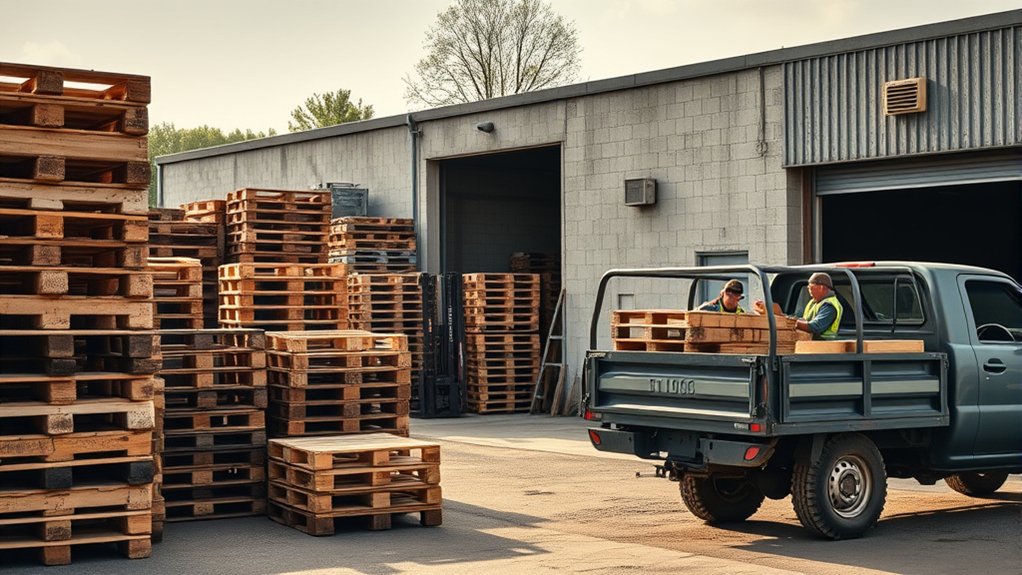
Wondering where to find local buyers for your wood pallets? Start by connecting with local hardware and home improvement stores. They often discard pallets and might welcome a collection partnership.
Construction companies are another great resource. They usually have extra pallets from material deliveries, so networking with them can provide a steady supply.
When you want to sell used pallets, consider landscaping businesses as well since they frequently need pallets for various projects. Building relationships with these local businesses not only helps you find buyers but also promotes consistent sales.
Effective pallet management means knowing who regularly needs to buy pallets nearby and establishing trust.
Selling Pallets Through Online Marketplaces
- Use clear, specific keywords such as “used wooden pallets” or “pallets in bulk” in your listings.
- Provide detailed descriptions including size, condition, and price to attract serious buyers.
- Respond promptly to inquiries and update listings regularly to keep interest high.
These steps help you sell pallets efficiently while negotiating directly with buyers.
It makes the process smooth and effective.
Top Local Businesses That Buy Wood Pallets
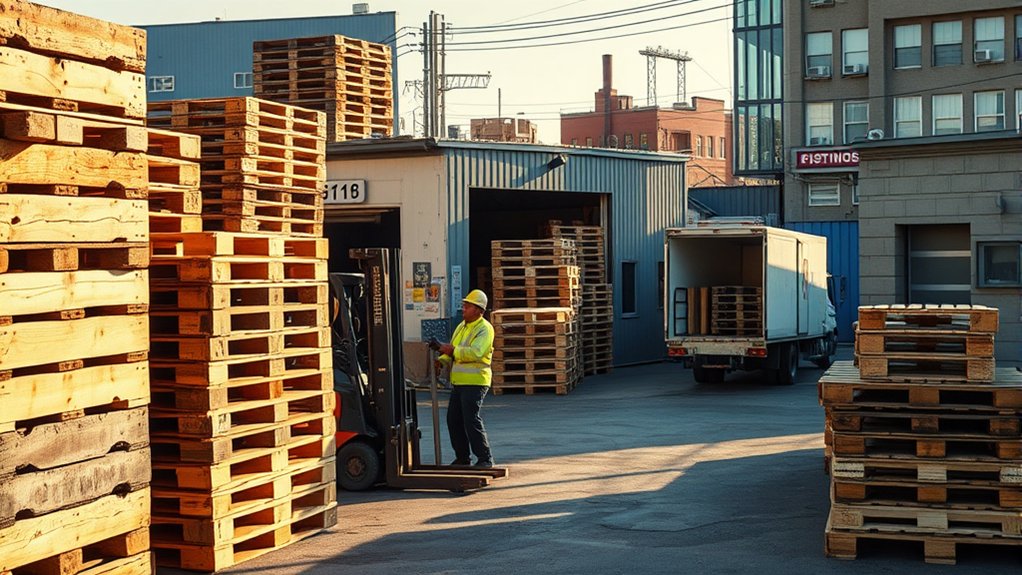
Although selling pallets online can reach a wide audience, tapping into local businesses often offers quicker and more reliable sales. If you want to sell pallets, targeting local pallet buyers like construction companies or landscaping businesses can be very effective.
These buyers frequently need used wood pallets for various projects and shipping needs. Retail stores and manufacturers also make great contacts, as they often buy in bulk. Even woodworking schools may want pallets for creative uses.
Here’s a quick look at top local pallet buyers:
| Business Type | Reason They Buy Pallets |
|---|---|
| Construction Companies | Transport and store materials |
| Landscaping Businesses | Affordable project materials |
| Retail Stores | Resale and storage |
| Furniture & Woodworking Schools | Creative and educational projects |
| Manufacturers | Shipping and logistics |
Connecting with these buyers helps you sell pallets faster and more reliably. It’s definitely worth reaching out to them locally.
Which Wood Pallets Sell Best and Why
The best-selling wood pallets combine quality, size, and purpose to meet specific industry demands.
Top wood pallets blend quality, size, and purpose to fulfill diverse industry needs.
When you decide to Sell Your Pallets, focus on these top types:
- Grade A pallets: These wooden pallets stand out for their high quality and structural integrity. They’re perfect for transport and tend to fetch higher prices.
- Grade B pallets: Though reconditioned and with minor defects, these pallets offer buyers a budget-friendly choice. This keeps demand steady.
- Standard 48” x 40” GMA pallets: Their universal size suits most shipping and storage needs. Because of this, they remain highly sought after.
Choosing the right pallet type helps you attract buyers quickly and maximize your returns.
Understanding these differences guarantees you Sell Your Pallets smartly and efficiently.
How Pallet Grading Affects Your Selling Price
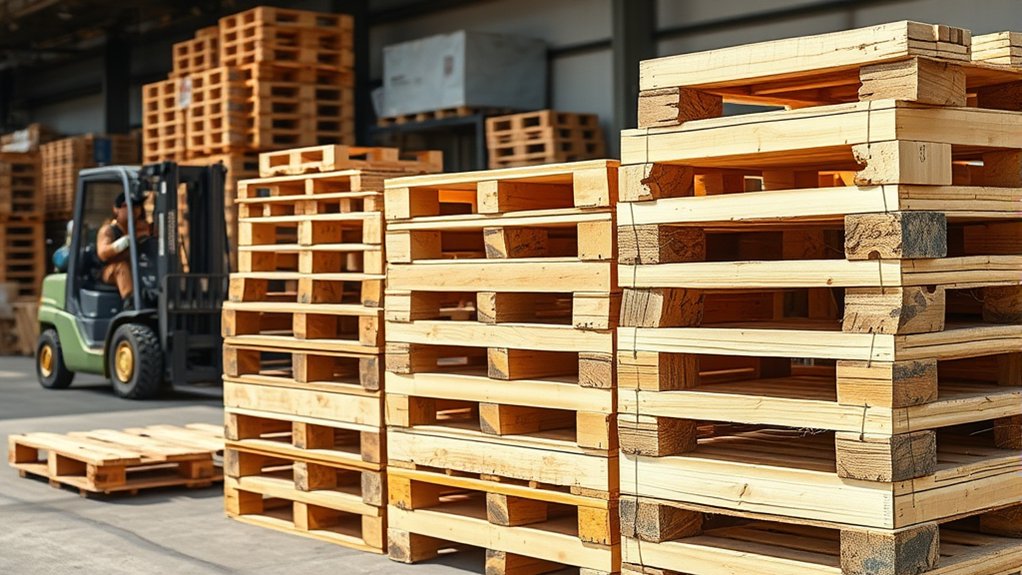
When you understand how pallet grading works, you can better gauge the selling price of your wood pallets. Pallet grading focuses on structural integrity and appearance. Grade A pallets, being new and certified, fetch the highest prices.
Damaged pallets or reconditioned Grade B pallets sell for less but still hold value. Knowing the fair market price helps you set competitive rates and maximize profit, especially when selling in bulk.
| Pallet Grade | Condition | Price Impact |
|---|---|---|
| Grade A pallets | New, certified | Highest price (base) |
| Grade B pallets | Reconditioned, minor wear | 30-50% less |
| Damaged pallets | Repairable damage | Lower, but salvageable |
Accurate grading attracts buyers focused on quality and sustainability. It’s a smart way to boost your sales and keep customers coming back.
How to Prepare Pallets for Faster Sales
Understanding pallet grading gives you a solid foundation, but preparing your pallets properly can speed up their sale even more.
Knowing how to grade pallets is essential, but proper preparation helps sell them faster and at better prices.
When you’re ready to sell used or reconditioned pallets, follow these steps to make them more attractive to buyers:
- Inspect each pallet carefully for structural damage, mold, or decay. Removing or repairing damaged pallets guarantees buyers see value in your stock.
- Clean the pallets thoroughly to remove dirt and debris. A neat pallet looks more professional and sells faster.
- Repair minor damages using basic tools like hammers and nails. Fixing small issues boosts the pallet’s quality and resale price.
Scheduling Pallet Pickups and Drop-Offs for Selling Pallets
You’ll want to coordinate pickup schedules with local companies to make sure your pallets get collected on time and you get a good price.
It’s a good idea to also think about drop-off options at nearby plants. If you have a lot of pallets, using drop trailer programs can help keep things running smoothly and efficiently.
Checking out these different choices can really help you manage your pallet sales without any hassle and save money on transportation costs.
Coordinating Pickup Schedules
Although coordinating pickup schedules might seem like a small detail, it plays an essential role in maintaining a smooth flow of pallet sales. When you’re selling scrap pallets or working with a pallet company, efficient pickup logistics guarantee you maximize your time and profits.
Here’s how to coordinate effectively:
- Set regular pickup times with local businesses handling pallets near you to secure a steady supply.
- Use a calendar or scheduling app to keep track of pickups and avoid missed appointments.
- Communicate clearly with buyers about timing and quantities to streamline the process.
Drop-Off Location Options
Several drop-off location options make selling pallets easier and faster for your business. Local pallet companies often provide designated drop-off locations where you can bring your surplus pallets for quick assessment and sale. For example, Kamps Pallets offers drop-off programs at their plants, allowing on-site sorting and competitive pricing.
You can also use drop trailer programs that let you load pallets into trailers left at your facility. This approach streamlines pallet management and minimizes downtime.
Furthermore, companies like PalletOne offer bulk pickup scheduling, so you can handle large pallet volumes without disrupting operations.
Staying in regular contact with local pallet companies helps you establish reliable drop-off schedules. These options simplify how you sell excess pallets while keeping your workflow efficient. It really makes the whole process smoother and less time-consuming.
How to Build Long-Term Relationships With Pallet Buyers
When you keep in regular touch with your pallet buyers, you build a foundation of trust that encourages them to come back.
Building long-term relationships means focusing on the key things that meet your buyers’ needs and show you’re reliable.
Here are three ways to make those connections stronger:
- Quality Assurance: Always inspect and repair pallets to make sure you’re maintaining high standards in pallet recycling. This helps boost your reputation.
- Flexible Pricing: Offer competitive rates and discounts for bulk orders. This makes your deals more attractive and encourages buyers to purchase larger quantities.
- Feedback Loop: Actively ask for buyer feedback so you can improve your service. It also shows you care about their satisfaction.
Frequently Asked Questions
Can I Sell Damaged or Broken Wood Pallets?
Yes, you can sell damaged or broken wood pallets by exploring repair options that local buyers often appreciate.
Many buyers offer fair pricing strategies based on the pallet’s repairability, so don’t assume they’re worthless.
Check online marketplaces too; they connect you with buyers who specialize in refurbishing pallets.
Being transparent about the condition helps you get accurate quotes and maximize your returns.
Plus, promoting sustainability through recycling programs is a great bonus.
What Paperwork Is Needed to Sell Wood Pallets Legally?
You’ll need a business license or permit, plus a sales tax permit if your state requires it, to sell wood pallets legally.
Keep detailed records of transactions to support your pricing strategies and local market research. This paperwork helps you stay compliant while exploring pallet sourcing options.
Also, use buyer networking tips to connect with the right customers, making your sales smoother and boosting your pallet business success.
How Do Environmental Regulations Affect Pallet Selling?
Think of environmental regulations as the modern-day Robin Hood, steering you toward pallet recycling benefits and sustainable sourcing practices.
They shape how you sell by pushing eco-friendly alternatives and ensuring you meet standards that protect ecosystems.
Staying sharp on local market trends helps you comply while boosting your appeal to green-conscious buyers.
Embracing these rules not only keeps you legal but also positions you as a leader in responsible, profitable pallet sales.
Are There Seasonal Trends in Wood Pallet Demand?
Yes, you’ll notice pallet demand shifts with market fluctuations tied to seasonal sales. Retailers ramp up pallet orders during holidays, while construction needs spike in spring and summer.
Agricultural sectors also drive demand during harvest seasons.
These patterns affect the supply chain, so you can time your sales to match peak periods. Understanding these trends helps you optimize inventory and pricing, ensuring you make the most from seasonal pallet demand.
Can I Lease Wood Pallets Instead of Selling Them?
Have you considered pallet leasing options instead of selling your wood pallets? Leasing offers benefits like lower upfront costs, maintenance services, and flexible inventory management.
When you compare costs, leasing can save you money on storage and repairs.
However, be aware of potential risks like contract restrictions or long-term commitments that mightn’t suit your needs.
You should weigh the pros and cons carefully to decide if leasing fits your business goals and budget.
It really depends on what works best for you.
Conclusion
Coincidentally, the perfect buyer for your wood pallets might be just around the corner or a click away online. You just have to know where to look.
By understanding pallet grading, prepping your pallets properly, and connecting with local businesses or marketplaces, you’ll sell faster and for a better price. Keep building those relationships and scheduling pickups smartly.
You’ll turn what’s often overlooked into a steady, rewarding opportunity.