Can Wood Be Recycled: Eco Friendly Options Explained
You can recycle most untreated wood easily by sorting, cleaning, and removing hardware to prevent contamination. Treated or painted wood poses challenges due to chemicals and paints, requiring special handling or disposal.
Recycling wood greatly cuts landfill waste, lowers carbon emissions, and saves energy. It also boosts local economies through job creation and cost savings.
Exploring proper recycling methods and eco-friendly alternatives guarantees you maximize these benefits and navigate obstacles smoothly. More insights await to help you make informed choices.
Can Wood Be Recycled? Types of Wood You Should Know
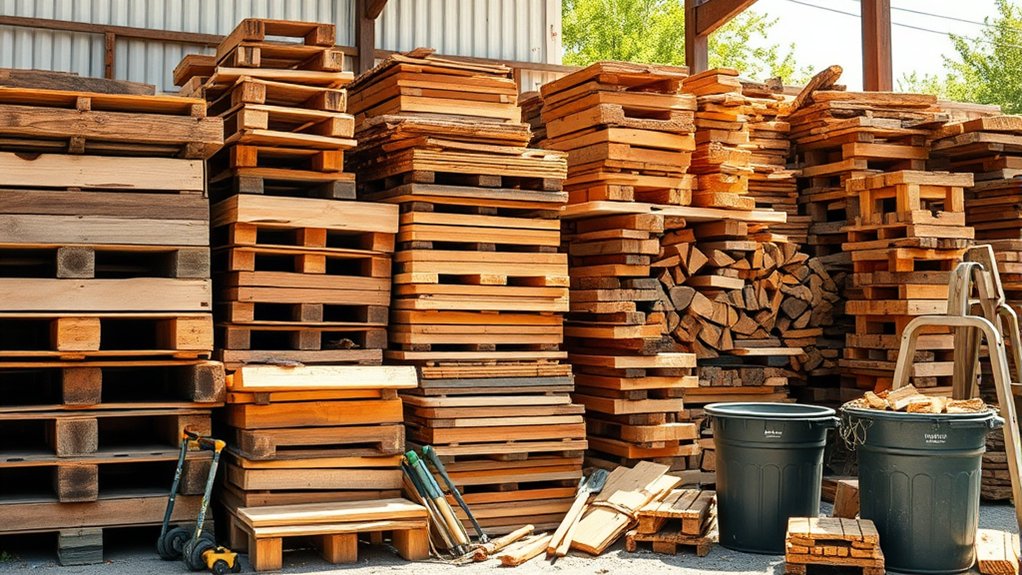
Although not all wood is equally recyclable, you can recycle many types of wood if you understand their characteristics. Untreated wood is the most recyclable and can easily be repurposed into mulch, furniture, or biomass fuel.
Not all wood is equally recyclable, but untreated wood is highly versatile for repurposing.
When recycling wood, you should differentiate between types like hardwood, softwood, plywood, chipboard, and Medium Density Fiberboard (MDF). Each type has different levels of recyclability.
Treated wood makes recycling more complicated because it may contain chemical contaminants. This kind of wood requires testing before it can be reused.
Painted wood can be stripped for recycling, but it’s considered lower grade than untreated wood. That limits where it can be used.
Contaminated wood, which often has varnish or plastics, usually isn’t suitable for recycling. It typically ends up in landfills for proper disposal.
Knowing these distinctions helps you make smarter decisions about recycling wood effectively.
How Wood Recycling Works: The Process Explained
When you recycle wood, the process begins with collecting and sorting materials based on type and condition. Untreated wood is prioritized because it’s easier to recycle and more valuable.
The wood recycling process classifies wood into grades: A (clean), B (mixed waste), C (contaminated), and D (hazardous).
Grades A through C usually undergo cleaning to remove contaminants like paint, varnish, and plastics. These things make recycling more complicated. Untreated wood, which is free from harmful chemicals, is easier to repurpose and is often turned into products like panel boards or furnishings.
Advanced sorting technology helps separate wood by quality, which makes the whole process more efficient and boosts product value.
Treated wood needs testing because of the chemicals it contains, so it’s handled differently. Understanding this structured recycling process helps make sure wood waste is managed responsibly and recycled effectively.
How to Prepare Wood for Recycling: Sorting and Cleaning
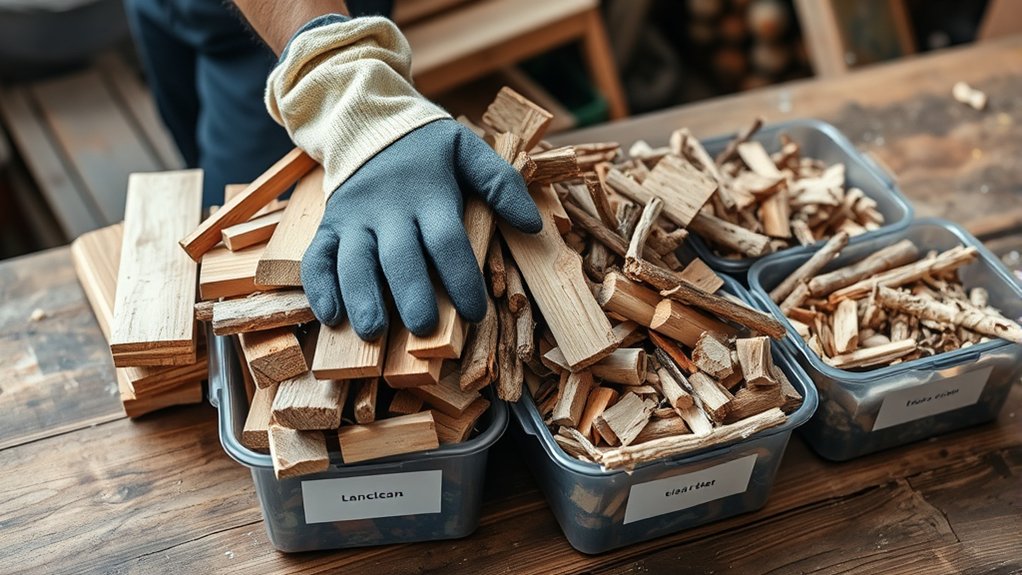
Since proper preparation directly affects recycling efficiency, you should start by removing all nails, screws, and hardware from the wood. This step guarantees the wood can be recycled safely and prevents damage to equipment at recycling facilities.
Next, focus on sorting the wood into categories. Untreated wood is the most recyclable, while painted or treated wood may need additional handling.
Cleaning the wood surfaces by eliminating contaminants like varnish, paint, or plastics is vital because these impede the recycling process. Recycling facilities often use advanced sorting technologies to classify wood by quality, which helps optimize reuse potential.
Finally, check local recycling guidelines since regulations vary on accepted wood types and preparation methods. Proper sorting and cleaning maximize the environmental benefits of wood recycling.
Can Treated or Painted Wood Be Recycled Safely?
You should know that treated wood often has chemicals in it, so it usually needs to be tested before it can be recycled. Some treatments can be hazardous, which is why this step is important.
When it comes to painted wood, it can be recycled too, but most of the time, the paint needs to be removed first. This helps make sure the recycling process is safe and works well.
Because of these extra steps, recycling treated or painted wood is more complicated and expensive than recycling untreated wood.
Challenges With Treated Wood
Although treated and painted wood might seem like straightforward recycling candidates, they present significant challenges because of their chemical coatings and contaminants.
Treated wood often contains chemical treatments like chromated copper arsenate, which can leach harmful substances. This makes its recycling risky and complicated.
Many recycling centers refuse to accept treated wood since processing it safely requires specialized handling and adds costs.
Painted wood makes recycling even trickier because the paint has to be removed to avoid contamination. This removal process often results in lower-grade recycled material.
Contaminated wood, especially when chemically treated, usually can’t be recycled at all. Instead, it’s often designated for combustion as fuel.
Regulations for recycling treated wood vary locally, so it’s a good idea to check your local guidelines before disposal.
Paint Removal Techniques
Dealing with painted wood requires effective paint removal to improve its recyclability and reduce contamination risks. Paint removal techniques play an important role in preparing wood, especially treated wood, for recycling processes.
Removing contaminants like paint guarantees higher-quality recycled material and prevents harmful substances from entering the recycling stream.
Common methods include chemical strippers, which are efficient but may introduce hazardous chemicals. Sanding is a mechanical removal method that avoids chemicals but creates dust.
Heat guns loosen paint for easier scraping but risk damaging wood fibers.
Treated wood often demands specialized testing because chemical treatments complicate recycling. Proper identification and separation of painted, treated, and untreated wood help optimize recycling processes while minimizing contamination.
Using appropriate paint removal techniques is vital for safely recycling painted wood and reducing environmental impact.
Recycling Safety Considerations
When recycling wood, safety considerations become vital, especially with treated or painted materials that contain chemicals posing environmental risks. Treated wood is often infused with chemicals that can leach toxins, making standard recycling processes more complicated.
Painted wood needs paint removal to avoid contamination, but this raises processing costs. Because of these hazards, many facilities reject such wood. Local regulations often dictate specific disposal methods. So, it’s really important to know what type of wood you have for safe recycling.
| Wood Type | Issues | Recycling Outcome |
|---|---|---|
| Treated with chemicals | Toxic leaching | Often non-recyclable |
| Painted wood | Paint contamination | Requires paint stripping |
| Varnished/plastic-contaminated | High contamination risk | Usually landfilled |
Always check local guidelines to make sure you handle recycled wood properly.
Challenges in Wood Recycling and How to Avoid Them
Since wood recycling involves various types of materials, you need to correctly identify and sort them to prevent contamination and processing challenges. Misidentifying treated wood or mixing it with untreated lumber makes the recycling process more complicated and can introduce harmful contaminants.
Paint, varnish, and plastics also reduce wood’s recyclability. Many facilities reject contaminated materials because dealing with them adds extra costs.
To avoid these issues, focus on separating treated wood from untreated wood and verifying treatment compatibility. Make sure to remove nails, screws, and surface contaminants before recycling.
Also, check local regulations to comply with specific disposal guidelines. Doing these things can really help make the recycling process smoother and more effective.
Environmental Benefits of Wood Recycling
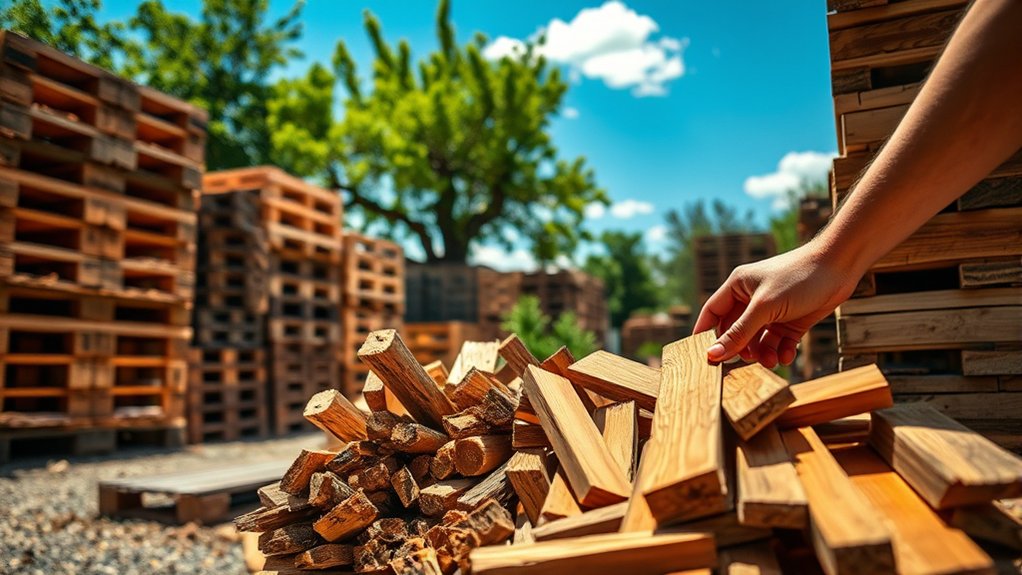
Although wood recycling might seem like a simple process, its environmental benefits are substantial and measurable. By choosing recycled wood, you greatly reduce landfill waste, cutting carbon emissions by up to 78% by 2050 and minimizing methane release from decomposition.
Every ton of recycled wood saves about 1.1 tons of CO₂, directly supporting climate change mitigation.
Using recycled wood also lessens the demand for logging, preserving forests that act as essential carbon sinks.
Plus, recycled wood serves as an environmentally friendly, sustainable building material and can be repurposed into products like affordable furniture and mulch. This promotes community landscaping efforts.
This approach conserves natural resources and reduces the environmental impact linked to harvesting virgin timber.
Economic Benefits of Wood Recycling
Because recycling wood cuts down the volume of waste sent to landfills, you can substantially reduce disposal costs tied to landfill fees.
Recycling wood products not only saves money but also stimulates local economies by creating jobs in collection, processing, and resale.
Plus, using recycled wood in manufacturing can lower production costs by up to 30%, making eco-friendly products more affordable and competitive.
The economic benefits extend further as energy savings from recycling reduce manufacturing expenses by up to 50%.
Here are key economic advantages of wood recycling:
- Minimizes disposal fees by reducing landfill waste volume
- Generates local employment opportunities in the recycling sector
- Cuts manufacturing costs through the use of recycled wood products
Where to Recycle Wood and Eco-Friendly Alternatives
Maximizing the economic benefits of wood recycling depends on knowing where and how to recycle different types of wood properly.
Untreated wood is accepted at specialized recycling centers, while treated wood requires careful disposal because of its chemical content.
Check with your local municipality, as many recycling programs accept wood during special collection events. If wood isn’t recyclable, consider eco-friendly alternatives like donating, reselling, repurposing for DIY projects, or using it as firewood.
Recycling wood reduces landfill waste and conserves natural resources, supporting sustainability and minimizing deforestation.
Plus, recycled wood often contributes to community landscaping by being converted into mulch, which improves soil quality and lowers the need for chemical fertilizers.
Frequently Asked Questions
Can Recycled Wood Be Used for Outdoor Projects?
Yes, you can use recycled wood for outdoor projects. It offers significant sustainability benefits by reducing waste and the demand for new lumber.
Just make sure to check that the wood is untreated or properly processed to avoid any contaminants.
Recycled wood also opens up a lot of design possibilities. It adds unique character to decks or garden structures, making your project stand out.
To keep your outdoor project durable, follow some simple maintenance tips like sealing the wood and doing regular inspections.
This way, your eco-friendly project will last longer and perform well.
How Long Does Recycled Wood Typically Last?
Recycled wood typically lasts between 20 to 100 years, depending on factors like wood type and treatment.
While new wood might seem fresher, reclaimed wood often has better density and longevity.
You can extend its life with simple maintenance like sealing and protecting it from moisture.
Plus, sourcing reclaimed lumber from old buildings adds a unique aesthetic appeal and ensures quality.
With proper care, recycled wood stays both beautiful and durable for decades.
It’s definitely worth considering if you want something that looks great and lasts long.
Are There Any Health Risks With Using Recycled Wood Indoors?
Yes, you should consider health concerns when using recycled wood indoors.
Chemical treatments like paints or pesticides can release harmful VOCs, which can impact air quality.
To minimize risks, focus on sourcing materials from reputable suppliers who test for contaminants.
Avoid wood with lead-based paint or unknown treatments.
Proper sealing can further reduce exposure to any leftover chemicals.
Can Wood Recycling Help Reduce Pests Like Termites?
You might think recycling wood invites more pests, but it actually helps with pest control and termite prevention.
Recycling includes thorough wood treatment, which removes contaminants and kills pests using high temperatures.
By using recycled wood, you cut down on untreated wood in the environment. That means fewer places for termites to live and thrive.
What Tools Are Best for Working With Recycled Wood?
You’ll want a circular saw and jigsaw for precise and intricate cuts in reclaimed wood. These are essential woodworking tools for shaping your pieces just right.
A planer helps smooth surfaces and ensures uniform thickness, which is really important for a professional finish.
A drill/driver is great for creating strong joints that hold everything together. Then, finish with a sander to prep the wood for painting or sealing. This step enhances durability and gives your project a polished look.
Don’t forget about tool maintenance. Keeping your blades sharp and your equipment clean makes working with reclaimed wood much easier and more efficient.
Plus, it helps you get the best possible results while staying eco-friendly.
Conclusion
Think of wood as a storybook. Each plank holds chapters of use and potential. By recycling wood, you’re not just discarding old pages; you’re preserving the narrative, reducing waste, and supporting a sustainable future.
Sorting and cleaning wood carefully guarantees its safe rebirth. Understanding its types and treatments helps you avoid pitfalls. It’s really about being thoughtful with what you have.
Embracing wood recycling is a practical step that benefits both the environment and economy. It turns what’s old into valuable new resources. So, why not give wood a second chance?