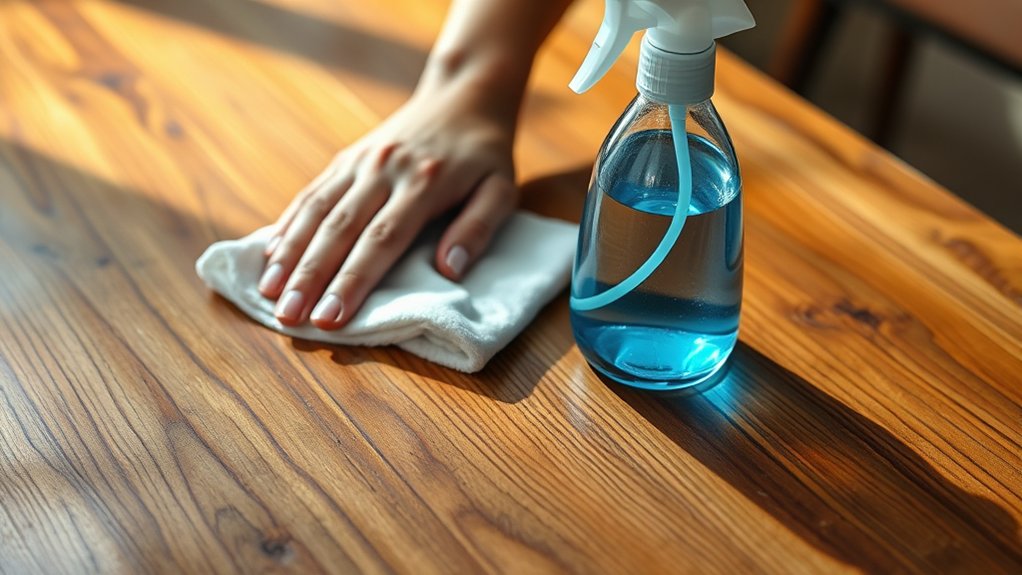
Can You Use Windex On Wood: Cleaning Tips
You can use Windex on sealed wood surfaces, but be careful. Its ammonia can damage finishes or warp untreated wood. Always test on a hidden spot first and dilute Windex with warm water.
Apply it with a soft cloth rather than spraying directly. Avoid using it on unfinished, waxed, or oil-finished wood. Also, try not to clean this way too often.
If you want tips on preventing damage and safer alternatives, there’s more to explore. Just take it slow and keep your wood looking great!
What Happens When You Use Windex on Wood Surfaces?
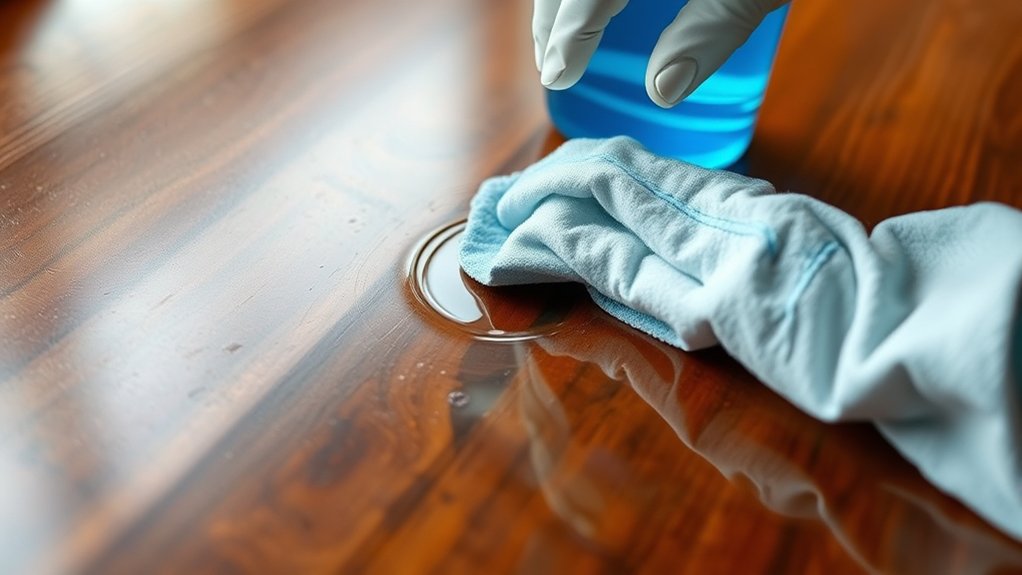
Using Windex on wood surfaces can give you mixed results, depending on the type of wood and finish you have. You need to be careful because Windex contains ammonia, which can strip protective coatings if it’s left on too long or used too often.
It can work well to remove grime and stains from sealed wood, but it’s not designed for heavy-duty cleaning.
If you apply Windex on untreated or unsealed wood, you risk warping and discoloration. To avoid damage, try diluting Windex with warm water and use a soft cloth to reduce moisture exposure.
Always test it first on a small, hidden spot to make sure the cleaner won’t harm your wood.
Safe Wood Finishes for Using Windex
Knowing which wood finishes can safely handle Windex helps you protect your surfaces while cleaning effectively.
You should only use Windex on wood with safe wood finishes that provide a protective barrier. These finishes prevent moisture and chemicals from penetrating and causing damage.
Here are some finishes compatible with Windex:
- Polyurethane, known for its durability and moisture resistance
- Hard glaze clear varnish, which forms a tough, protective layer
- Other sealed finishes that prevent absorption of liquids
- Any finish tested on a small, hidden area to confirm safety
Always avoid using Windex on unfinished or wax-coated wood.
It’s best to stick to safe wood finishes to maintain the wood’s appearance and integrity while cleaning.
How to Use Windex Safely on Wood Furniture
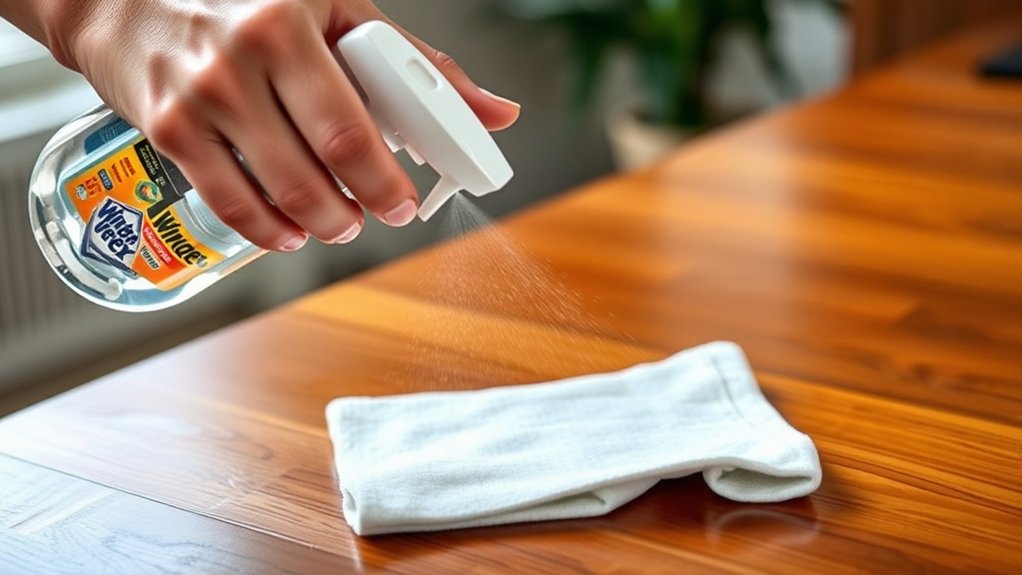
Although Windex can effectively clean wood furniture, you should only apply it on sealed surfaces to avoid damaging the finish.
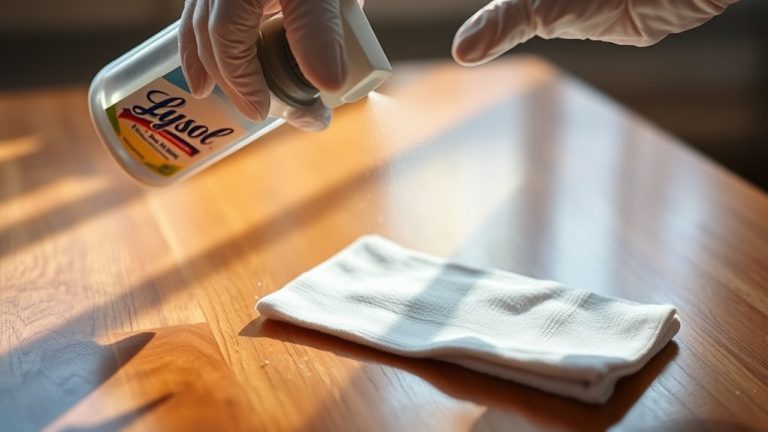
To use Windex safely, dilute the cleaning solution with warm water to reduce moisture and prevent warping. Instead of spraying directly, apply the diluted Windex with a soft cloth or paper towel, which helps control the amount used.
Always test this cleaning solution on an inconspicuous spot first to verify it works well without adverse effects.
Limit how often you use Windex on wood furniture, as frequent use can strip finishes over time.
When Should You Avoid Windex and Use Wood Cleaners Instead?
While Windex can be safe for sealed wood surfaces when used carefully, there are times you should avoid it altogether and choose wood-specific cleaners instead. You want to protect your wood’s finish and prevent damage.
So, here’s when you should skip using Windex:
First, don’t use it on unsealed or untreated wood because it can harm the finish and cause moisture problems. Also, if your wood has natural or oil finishes, you’ll want cleaners that preserve those protective qualities.
When you’re cleaning heirloom or antique furniture, gentle, specialized cleaners are the way to go to avoid damage.
And if your wood shows wear or previous damage, Windex could make things worse. In that case, it’s best to check with a professional.
Picking the right product means your wood stays beautiful and intact without risking damage from the wrong cleaning methods.
How to Remove Windex Damage From Wood Surfaces
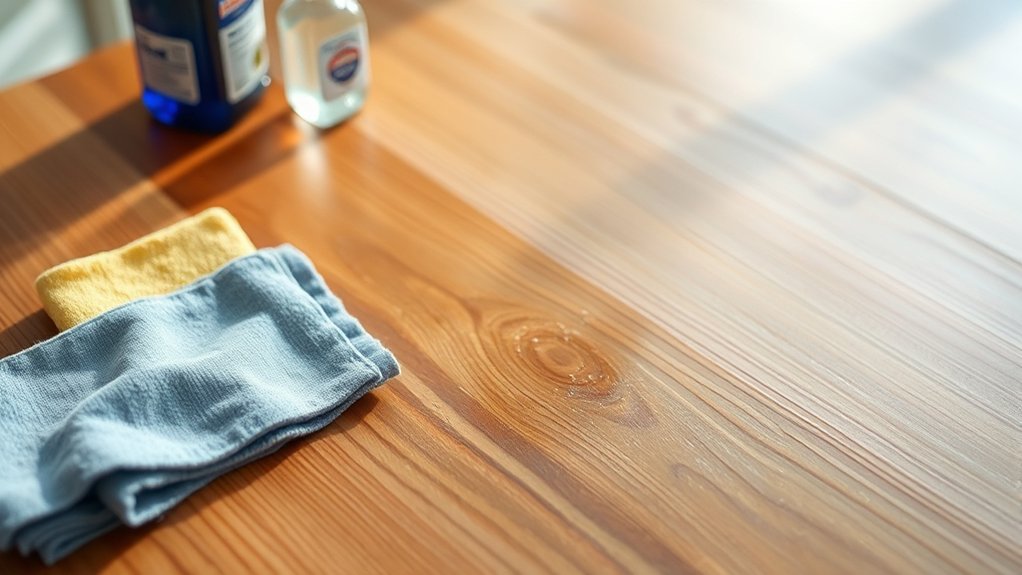
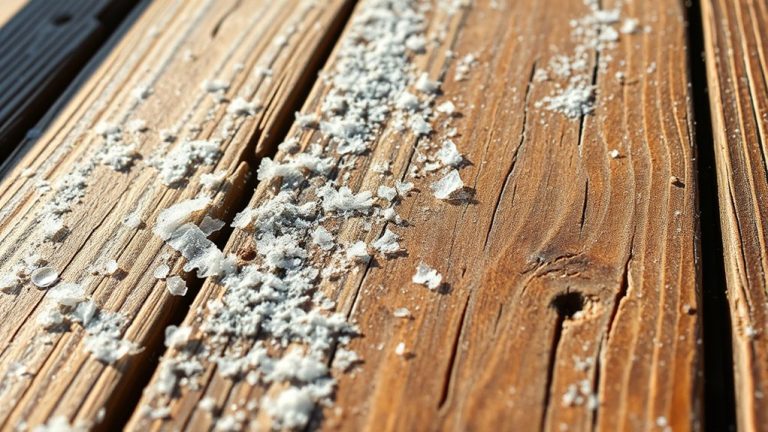
If you notice white spots or dull patches after using Windex on your wood surfaces, it’s important to act carefully to minimize further damage.
First, make sure to identify the finish type, whether it’s polyurethane or another sealant, since the treatment can vary. You can gently apply heat using a hairdryer or an iron set low, placed over a towel, to help evaporate trapped moisture causing the spots.
Before using any cleaning solution, be sure to test it on a hidden area to avoid making the damage worse.
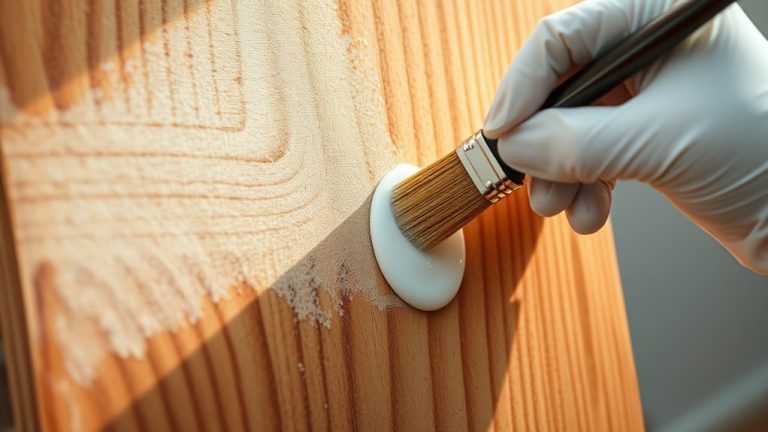
Once the spots start to reduce, apply a wood conditioner or polish to restore shine and protect the finish.
If the damage persists or the wood is valuable, it’s a good idea to consult a professional restorer who can safely address the issue. Better safe than sorry!
Safe Alternatives to Windex for Cleaning Wood Cabinets and Tables
When cleaning wood cabinets and tables, choosing the right product matters to avoid damaging the finish. Instead of Windex, consider these safe alternatives that effectively clean without harming wood surfaces.
Mix mild dish soap with water for a gentle, effective solution. Use microfiber cloths to clean without scratching and preserve shine.
You can also opt for eco-friendly, wood-specific cleaners that protect and maintain wood integrity.
Dust regularly with a soft cloth to prevent buildup and reduce the need for stronger cleaners. Always test any new cleaner on a small, hidden spot first to make sure it won’t damage the finish.
These safe alternatives help you maintain your wood’s beauty while minimizing risks associated with harsher chemicals like Windex. It’s all about keeping things clean and safe for your wood surfaces.
Maintaining Wood After Cleaning With Windex
After cleaning wood with Windex, it’s a good idea to immediately wipe the surface with a damp cloth. This helps remove any leftover residue and keeps the finish safe.
Then, try to apply a wood-specific conditioner or polish regularly. Doing this will keep the wood shiny and protect its protective layer over time.
Also, make sure the wood dries completely before putting anything back on it.
Keeping an eye on the humidity around the wood can really help prevent issues like warping or cracking down the line.
Post-Cleaning Care
Though Windex effectively cleans wood surfaces, you’ll want to let them dry completely to prevent moisture damage or warping.
Proper post-cleaning care guarantees your wood stays in excellent condition and retains its natural beauty over time.
After cleaning, follow these guidelines:
- Regularly apply a wood conditioner or polish to maintain the protective finish and enhance luster.
- Avoid exposing wood to direct sunlight to prevent fading and finish deterioration.
- Monitor humidity levels, keeping them stable to avoid cracking or splitting.
- Periodically inspect wood for wear or damage and reapply protective finishes as needed.
Protecting Wood Finish
Maintaining the wood’s finish after cleaning with Windex requires careful attention to prevent damage to the protective coatings. You should use Windex sparingly and only on sealed wood to avoid stripping finishes. Regularly inspect the surface for wear, and consider reapplying protective finishes to restore shine and shield against moisture.
Using coasters and mats helps prevent scratches and stains. Also, keep humidity levels stable to avoid warping or cracking. If you’re managing a new account with wood furnishings, these steps guarantee lasting protection.
| Action | Purpose |
|---|---|
| Use Windex sparingly | Prevent finish stripping |
| Inspect regularly | Detect early wear or damage |
| Reapply finish | Restore shine and protection |
| Use coasters/mats | Avoid scratches and spills |
| Maintain humidity | Prevent warping/cracking |
Frequently Asked Questions
Can Windex Cause Discoloration on Antique Wood Furniture?
Yes, Windex can cause discoloration on antique wood furniture, so you should be cautious. The ammonia in Windex may strip protective finishes, leading to color changes and damage over time.
For proper antique preservation, avoid harsh chemicals like Windex and use wood-specific cleaners instead.
Always test any product on a hidden area first.
Protecting the finish helps keep your antique wood looking its best and preserves its value and character. It’s definitely worth taking a little extra care!
Is It Safe to Use Windex on Wood Floors?
You might think using Windex on wood floors is quick and easy, but be cautious. It’s safe only if your floors are sealed, preserving the wood’s finish and avoiding damage.
To protect wood preservation, dilute Windex with warm water and apply it lightly with a soft cloth.
Avoid frequent use, as excess moisture can warp or dull your floors over time.
Always prioritize gentle cleaning to keep your wood floors lasting beautifully. It’s better to take it slow and steady when caring for wood. That way, your floors stay looking great for years to come.
Will Windex Strip Wax or Polish From Wood Surfaces?
Yes, Windex will strip wax or polish from wood surfaces, causing wax removal over time.
If you use it regularly, you’ll notice your wood losing its protective finish and shine.
To avoid damage, test Windex on a small, hidden spot first.
For routine cleaning, choose products made specifically for wood to preserve the finish.
If wax or polish is removed, you’ll need to reapply protection to restore the wood’s luster.
How Often Can Windex Be Used on Wood Without Damage?
When it comes to frequency guidelines, you shouldn’t use Windex on wood more than occasionally.
Think of it like walking on thin ice. Too often, and you risk damaging the finish.
Apply it sparingly, only on spots with grime, and wipe it off quickly.
For regular cleaning, stick to wood-specific cleaners to keep your wood looking its best.
This way, you won’t compromise the finish or cause dullness over time.
Can Windex Be Mixed With Other Cleaning Products for Wood?
You shouldn’t mix Windex with other cleaning products on wood, as it can cause harmful reactions or damage the finish.
Instead, stick to Windex alone or consider safer cleaning alternatives like diluted mild soap or vinegar solutions.
Always test any cleaning method on a small, hidden area first.
Using Windex sparingly and avoiding chemical combinations helps protect your wood’s integrity and keeps it looking its best without risking damage.
Conclusion
You might be surprised to learn that over 60% of wood damage from cleaners comes from using harsh chemicals like Windex improperly. While Windex can clean sealed wood safely, always test a small spot first.
Avoid it on unsealed or delicate finishes to prevent damage. Instead, opt for wood-specific cleaners when in doubt.
By following these tips, you’ll keep your wood furniture looking great and lasting longer without risking costly repairs. It’s all about being careful and choosing the right products for the job.