Can You Use Pressure Treated Wood Indoors: Safety Guide
You can use pressure treated wood indoors, but you need to be careful with chemical exposure and guarantee good ventilation. Some types, like ACQ and borate-treated wood, are safer for limited indoor use, while others with strong toxins shouldn’t be inside.
Always seal the wood properly and avoid areas with frequent moisture. Following safety precautions helps reduce health risks, especially if you’re sensitive to chemicals. Exploring the details will help you use treated wood safely and wisely indoors.
What Is Pressure Treated Wood?
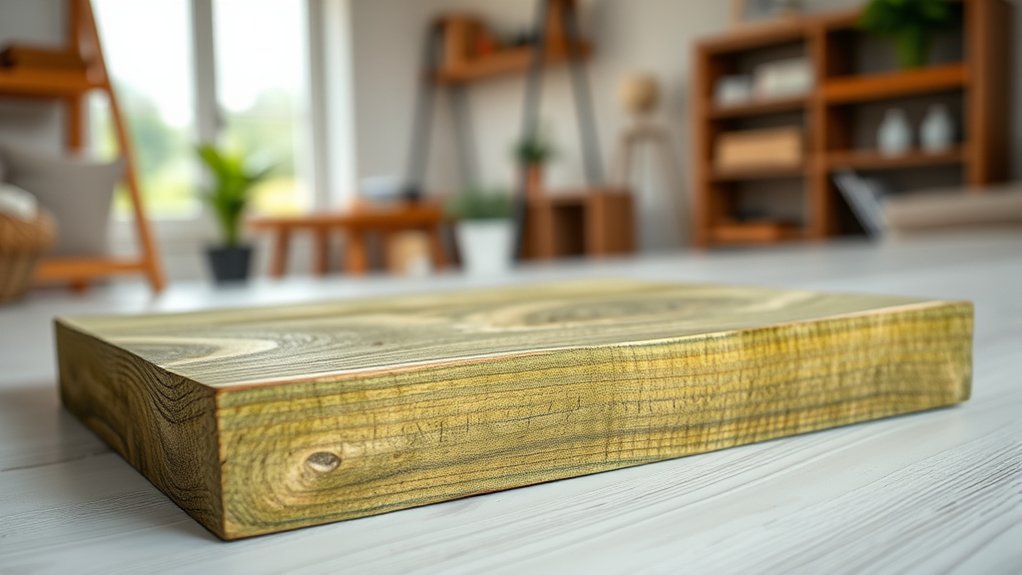
Pressure-treated wood is lumber that’s been infused with chemical preservatives to protect it from decay, rot, and insect damage. The pressure treatment process forces these preservatives deep into the wood fibers, ensuring lasting protection against moisture and pests.
Pressure-treated wood is infused with preservatives to protect against decay, rot, and insect damage.
While pressure-treated wood is mainly made for outdoor use, like decks or fences, using it indoors is a bit more limited and calls for careful thought.
Modern chemical preservatives are safer than older ones, which sometimes had harmful stuff like arsenic.
That said, you still want to handle and install pressure-treated wood carefully to keep exposure to any leftover chemicals as low as possible.
Knowing how the treatment works and what risks might be involved helps you figure out if pressure-treated wood is safe for indoor use and what precautions to take if you do decide to use it inside.
Identifying Types of Pressure Treated Wood
Wood treated for durability comes in several types, each defined by the chemicals used to protect it. When considering pressure-treated lumber installed indoors or for indoor furniture, it’s essential to identify the treatment type.
First up, there’s ACQ (Alkaline Copper Quaternary). This is a common water-based preservative that’s safer than older CCA treatments but can still off-gas some chemicals.
Then, you have borate-treated wood, which is designed for indoor use, especially in termite-prone areas. It has low toxicity and minimal off-gassing, making it a good choice for indoor projects.
Oil-based treatments, like Copper Naphthenate, are typically used outdoors. They can emit stronger chemical odors if used indoors, so you might want to avoid those for furniture or indoor structures.
Lastly, creosote-treated wood is rarely used indoors because it contains toxic compounds and gives off strong fumes.
Knowing these types helps you pick the right material while minimizing your exposure to chemicals that can off-gas in enclosed spaces. It’s all about choosing what’s safest and most suitable for your project.
Why Pressure Treated Wood Is Usually Not Recommended Indoors
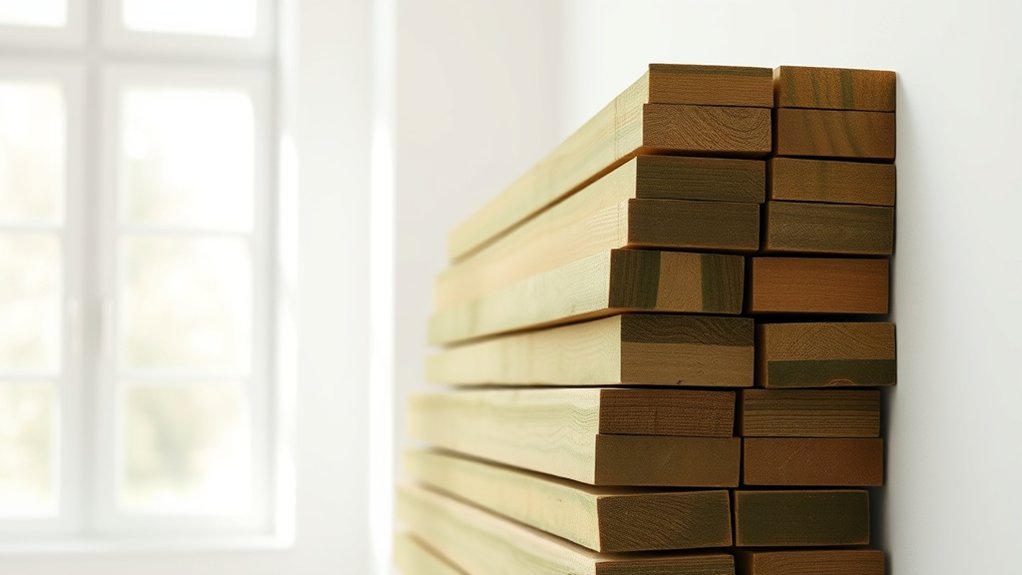
Because chemical preservatives in treated lumber can release volatile organic compounds (VOCs), you should be cautious about using pressure treated wood indoors.
These chemical preservatives, though safer than older arsenic-based treatments, still emit VOCs that may cause irritation or unpleasant odors when new.
Chemical preservatives, safer than arsenic-based types, still release VOCs that can cause irritation or odors when new.
Building codes often restrict pressure treated wood indoors, allowing it only in specific areas like sill plates in termite-prone zones.
Using it freely inside can increase health risks, especially in spaces where food is prepared or consumed, due to possible chemical leaching.
While regular sealing and maintenance can reduce some concerns, untreated wood or alternative materials are generally safer choices for indoor projects.
Health Risks of Pressure Treated Wood Indoors
You should be aware that the chemicals used in treated lumber can release volatile organic compounds (VOCs). These may cause irritation or unpleasant odors, especially when the wood is freshly installed.
Using pressure treated wood indoors carries health risks you need to evaluate carefully.
To minimize harm, keep in mind:
- VOCs released by new pressure treated wood can irritate your eyes, nose, and throat.
- Copper compounds and other chemicals may pose risks through inhalation or skin contact.
- Poor ventilation increases exposure, raising the chance of respiratory issues, especially for sensitive individuals.
- Proper sealing is essential to reduce chemical off-gassing and limit direct contact.
Avoid using pressure treated wood where it touches food or skin to further reduce health risks during indoor use.
It’s better to be cautious when bringing this material inside.
When Is It Safe to Use Pressure Treated Wood Indoors?
Although pressure treated wood is often avoided indoors due to health concerns, it can be safe in certain situations when used correctly. You should consider pressure treated wood for indoor use only where moisture resistance is essential, such as bathroom subfloor panels or sill plates in termite-prone regions.
Modern treatments like AC2 reduce chemical risks, making limited indoor applications safer. However, you must avoid using it in areas with regular dampness to prevent potential hazards.
Always check and comply with local building codes, as they often restrict pressure treated wood to specific scenarios indoors.
If your project requires moisture resistance and code approval, pressure treated wood can be a safe choice. Just make sure you apply it carefully and in the right conditions. It’s all about using it wisely and where it really makes sense.
Safer Wood Alternatives for Indoor Projects
When selecting wood for indoor projects, choosing safer alternatives to pressure treated lumber can greatly reduce health risks and improve air quality. Consider these options:
- Untreated hardwoods like oak and maple offer durability and aesthetic appeal without harmful chemicals.
- Softwoods such as pine and fir provide cost-effective, easy-to-work options for furniture and interior structures.
- Plywood is versatile and smooth, ideal for painting or finishing while avoiding toxic preservatives.
- Cedar’s natural oils resist rot and insects, making it a safer, attractive choice.
Additionally, opting for kiln-dried or sealed wood minimizes emissions, enhancing indoor safety.
Best Practices for Handling and Installing Pressure Treated Wood Indoors
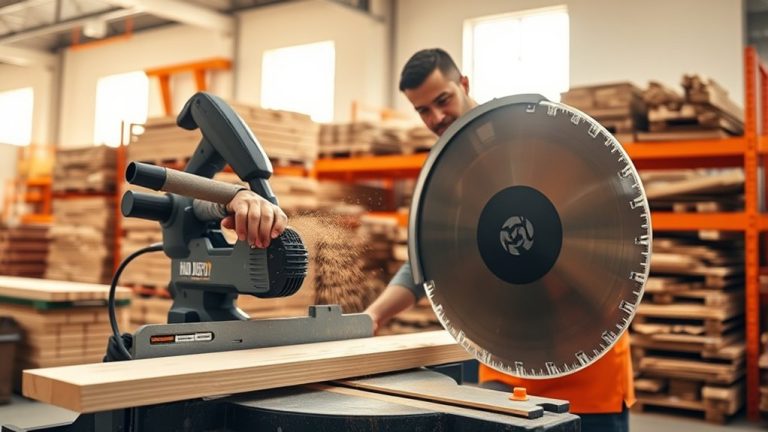
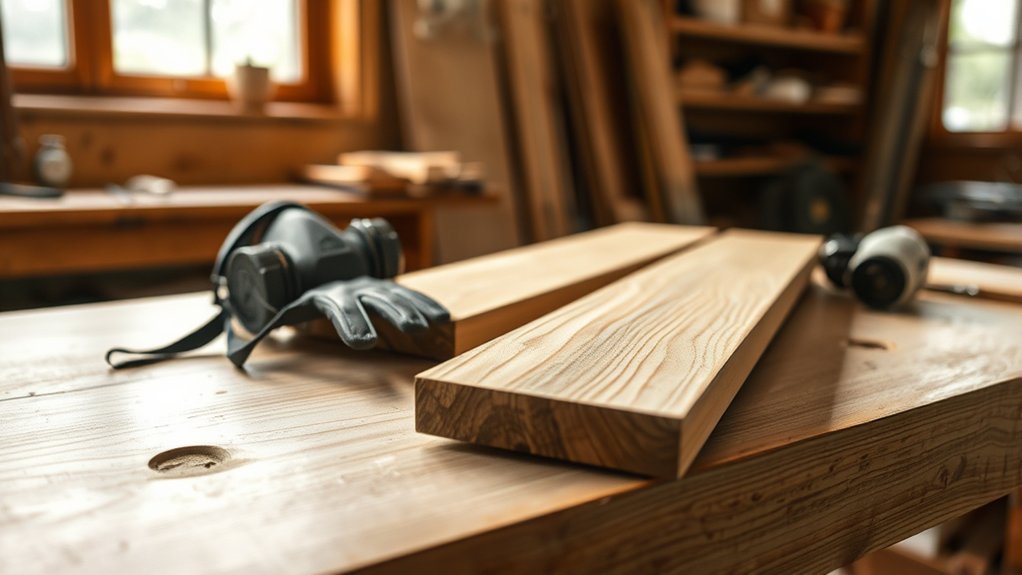
Since pressure treated wood contains chemicals that can pose health risks, you should always wear protective gear like gloves and masks during handling, especially when cutting or sanding.
Make sure there’s proper ventilation in the workspace to reduce inhalation of dust and any off-gassing during indoor installations.
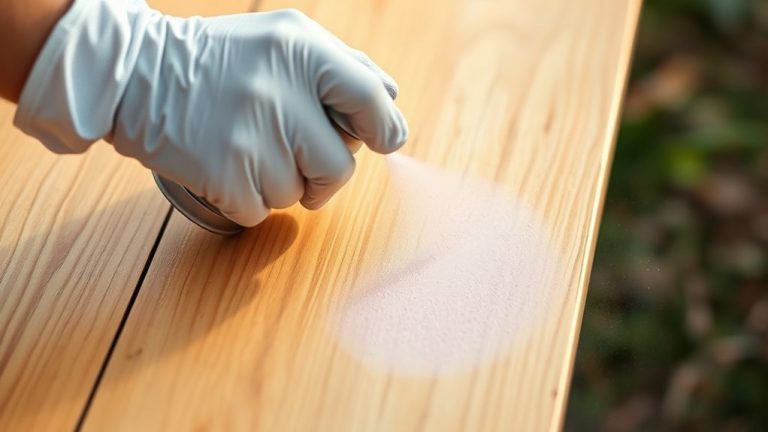
After installation, seal treated wood with a non-toxic sealant or paint to minimize chemical exposure indoors.
Avoid placing pressure treated wood in moisture-prone areas unless it’s specifically designed for those conditions, as dampness can cause deterioration.
Regularly inspect your indoor installations to maintain structural integrity and limit potential health hazards.
How to Dispose of Pressure Treated Wood Safely
Because pressure treated wood contains chemicals that can harm both your health and the environment, you need to dispose of it carefully.
Pressure treated wood contains harmful chemicals, so proper disposal is essential to protect your health and the environment.
To safely dispose of treated wood, follow these steps:
- Check local regulations to see if your pressure treated wood is classified as hazardous waste.
- Never burn pressure treated wood, as it releases toxic fumes that are harmful for indoor air quality and the environment.
- If it’s non-hazardous, dispose of treated wood in approved landfills or municipal trash according to the guidelines.
- Always wash your hands thoroughly after handling to minimize chemical exposure.
Frequently Asked Questions
Can Pressure Treated Wood Be Painted Immediately After Purchase?
You shouldn’t paint pressure-treated wood immediately after purchase because the wood treatment process leaves moisture that affects paint adhesion.
Skipping drying time requirements can cause paint adhesion issues like peeling or blistering.
Also, off-gassing of chemicals impacts indoor air quality, raising health safety concerns.
To guarantee a safe, durable finish, wait several weeks to let the wood dry and ventilate properly before priming and painting.
Always follow the manufacturer’s guidelines.
This way, you’ll make sure your paint job lasts and stays safe indoors.
Does Pressure Treated Wood Attract Pests Indoors?
When it comes to pest behavior, pressure-treated wood indoors usually doesn’t attract pests thanks to treatment chemicals like ACQ.
However, it’s not a silver bullet. Indoor applications can still face issues in damp environments.
You’ll want to keep an eye out and practice regular pest prevention.
If you’re worried, consider wood alternatives designed specifically for indoor use. This can help you avoid any unwanted surprises or infestations.
How Long Does Pressure Treated Wood Last Compared to Untreated Wood Indoors?
You’ll find that pressure-treated wood generally lasts longer indoors than untreated wood because it’s more durable thanks to the treatment process.
That said, how long it actually lasts depends a lot on how you use it inside and how well you maintain it, like keeping moisture under control.
Untreated wood, on the other hand, might warp or crack faster, especially in places with high humidity.
So if you’re dealing with damp indoor areas, treated wood usually holds up better.
Just keep in mind there’s the environmental impact and potential chemical exposure with treated wood.
It’s always a good idea to balance how long the wood lasts with safety and upkeep to get the best results indoors.
Can Pressure Treated Wood Be Used for Indoor Furniture?
Would you want pressure treated furniture in your living room knowing the indoor safety concerns? You shouldn’t, because chemical exposure risks from the wood’s treatment can harm indoor air quality.
Instead, choose alternative materials like cedar or teak that are naturally safe and attractive.
Even sealing pressure treated wood won’t fully eliminate risks, so it’s best to avoid using it indoors where your health could be compromised.
Is Pressure Treated Wood Resistant to Mold and Mildew Indoors?
Pressure-treated wood offers some mold resistance because of how it’s treated, but it’s not completely immune when used indoors. You still need to keep an eye on moisture since too much dampness can encourage mold to grow.
Using pressure-treated wood without sealing it properly might affect indoor air quality and could even go against health regulations.
So, it’s really important to maintain and seal the wood regularly.
This way, you can help keep your space dry and mold-free, making it safer for indoor use.
Taking these steps will give you better results and peace of mind.
Conclusion
You can use pressure treated wood indoors, but you need to weigh safety, health, and proper handling carefully. It’s important to avoid exposure to harmful chemicals and make sure there’s good ventilation.
Also, think about choosing safer alternatives when you can. Following the recommended guidelines for installation and disposal helps protect you and your family.
By staying informed and acting cautiously, you’ll create a safer indoor environment. Plus, you’ll still get to enjoy the wood’s durability and resistance.