Can You Use Bondo On Wood – Pros, Cons And Proper Use
Yes, you can use Bondo on wood for minor repairs. It cures quickly, provides strong adhesion, and smooths out dents or scratches effectively.
But, keep in mind that Bondo doesn’t flex with wood’s natural movements and can trap moisture, which might make rot worse. Also, it might not stain well, so you could end up with color mismatches.
For the best results, make sure to prep the surface properly. Apply thin layers and always prioritize safety. Discover the best practices and alternatives to get the job done right.
Why Choose Bondo for Wood Repairs?
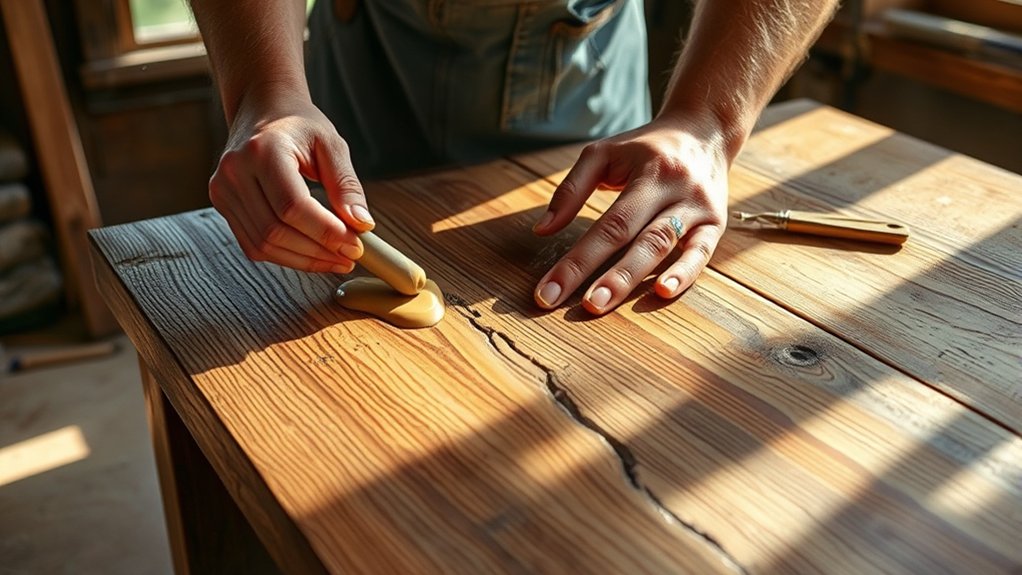
When you’re looking for an efficient solution for wood repairs, Bondo stands out as a top choice due to its quick curing time.
Bondo wood filler is specifically formulated to guarantee that repairs can be sanded and painted within hours, saving you valuable time. It’s used to repair small holes and surface imperfections, thanks to its strong adhesion properties that create a durable bond.
Plus, Bondo prevents shrinkage during curing, assuring your repairs maintain their shape over time. Its versatility makes it suitable for a range of materials, including metal and fiberglass, but it works great on wood.
The ease of application with common tools, like putty knives, makes Bondo an accessible option for both DIY enthusiasts and professionals alike.
It’s really straightforward to use, so you don’t need to be an expert to get good results.
Common Applications for Bondo in Wood Projects
You can easily use Bondo to fix minor dents and scratches on wood surfaces, giving you a quick and neat cosmetic repair.
When it comes to filling gaps and holes, Bondo works great because you can build it up in layers to create a smooth finish.
Just remember, though, while it’s awesome for cosmetic touch-ups, it’s not the best choice for structural repairs or filling large voids.
Minor Dents And Scratches
While minor dents and scratches can mar the appearance of wood surfaces, Bondo offers an effective solution for restoring aesthetic quality.
When you’re tackling wood repair, start by mixing a small batch of Bondo to prevent premature hardening. Apply Bondo in thin layers to guarantee proper adhesion and minimize cracking as the wood expands or contracts.
The quick drying time, about 15 to 30 minutes, allows you to sand and paint soon after application for a seamless finish.
Filling Gaps And Holes
Minor cosmetic repairs pave the way for addressing more significant issues like filling gaps and holes in wood projects. Bondo is an excellent solution for this task due to its strong adhesion and quick curing time. It typically sets in just 15 minutes.
For effective filling gaps, apply Bondo in thin layers. Make sure each layer cures properly before adding more. This method really enhances bonding and stability.
Remember to use it on clean, solid wood surfaces because it won’t perform well on unstable or rotting wood. After drying, you can sand Bondo smoothly, making it perfect for finishing and painting.
For larger gaps, combining Bondo with a wood hardener can provide added support. Just keep in mind, it’s not something you should rely on for structural repairs.
Cosmetic Surface Repairs
1. Filling small dents and scratches
Quickly restore the surface without having to replace the entire piece.
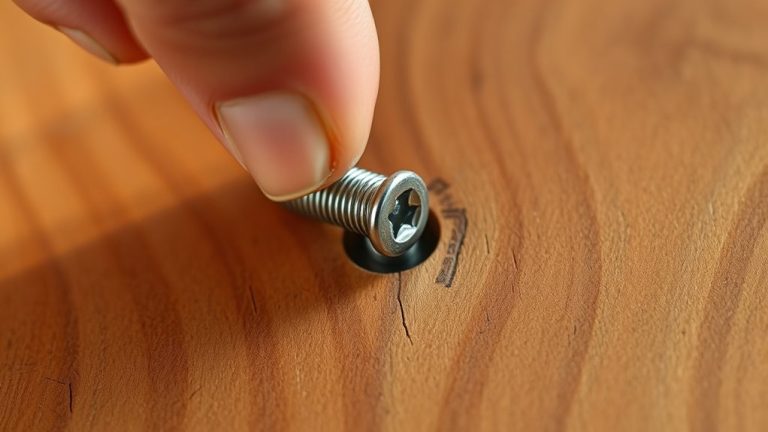
2. Covering drill holes or minor damage
Create a seamless look where hardware has been removed or mistakes have occurred.
3. Restoring chipped finishes
Smooth out chipped areas, making them paint-ready for a uniform appearance.
Bondo cures rapidly, letting you sand and paint within hours.
Just remember, it’s best suited for minor cosmetic fixes in the damaged area, not for structural issues.
It’s a handy solution when you want to get things looking good fast without a full replacement.
Recognizing Bondo’s Limitations
Though Bondo can be a convenient solution for filling gaps and cracks, recognizing its limitations is essential for effective wood repairs.
Bondo doesn’t move with the natural expansion and contraction of wood, which may lead to cracking and separation over time.
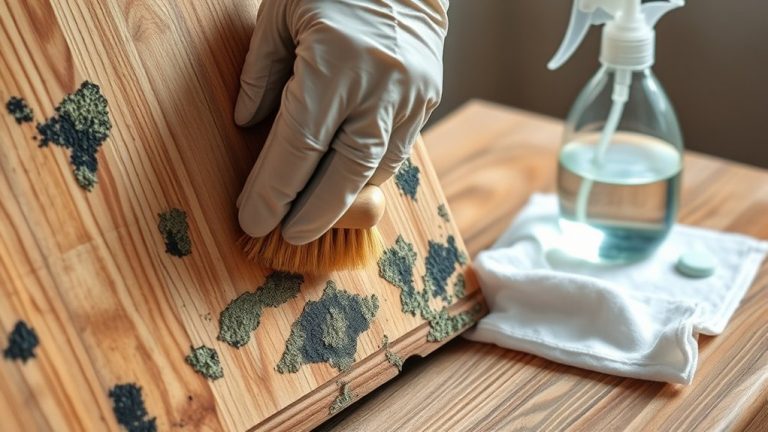
Also, it traps moisture beneath its surface, potentially worsening rot issues rather than providing a lasting fix.
Staining Bondo can be tricky, often resulting in unsightly color mismatches.
Its rigid composition limits effectiveness in dynamic wood applications, leading to the need for frequent reapplication.
For better adhesion and flexibility, consider alternatives like epoxy wood fillers.
These are specifically designed for wood and can offer more dependable results than Bondo in many situations.
Bondo vs. Specialized Wood Fillers: Key Differences
When you’re deciding between Bondo and specialized wood fillers, it’s really important to get a good grasp of what makes each one unique in terms of their ingredients and how they work.
You’ll notice that the way you apply them can be quite different too, which definitely affects how you go about fixing things.
And of course, thinking about how well they hold up over time matters a lot, since each product is designed to meet different needs depending on what kind of project you’re tackling.
Composition and Properties Comparison
While Bondo is known for its strong adhesion and quick curing times, it’s quite different from specialized wood fillers in both composition and performance. Here are three key differences to keep in mind:
First, the material composition. Bondo is a two-part polyester filler, but specialized wood fillers often use epoxy formulations. These epoxies bond better with wood fibers, which can make a big difference.
Next up is stain absorption. Bondo doesn’t soak up stains well, so you might end up with color mismatches. Wood fillers, on the other hand, are designed to accept stains and match natural wood colors much better.
Finally, there’s flexibility. Bondo is pretty rigid and can crack when the wood moves. Specialized wood fillers are made to flex and accommodate the natural expansion and contraction of wood.
Picking the right filler based on these properties can really improve your woodworking projects.
Application Techniques Differentiation
Understanding the application techniques for Bondo versus specialized wood fillers is essential for achieving the best results in your projects. Bondo products harden quickly, which means you often need to sand aggressively to get a smooth finish. On the other hand, wood fillers work better with thinner layers, allowing for superior adhesion.
Here’s a quick comparison to help you out:
| Feature | Bondo Products | Specialized Wood Fillers |
|---|---|---|
| Adhesion | Less effective with wood | Bonds well with wood fibers |
| Moisture Resistance | Can trap moisture | Allows moisture movement |
| Flexibility | Can crack under pressure | Accommodates wood movement |
Performance and Durability Factors
As you think about the performance and durability of Bondo compared to specialized wood fillers, it’s important to know that Bondo’s rigid nature can limit how well it adapts to wood’s natural movements. This can lead to problems like cracking and detachment over time.
Here are three key differences to keep in mind:
- Flexibility: Wood fillers, especially epoxy-based ones, move with the wood. That means they generally last longer and hold up better.
- Moisture Resistance: Specialized fillers help reduce moisture absorption, which keeps your repair looking good and lasting longer.
- Aesthetic Compatibility: Wood fillers usually offer better color matching and finishing options than Bondo, making repairs less noticeable.
How to Apply Bondo Effectively
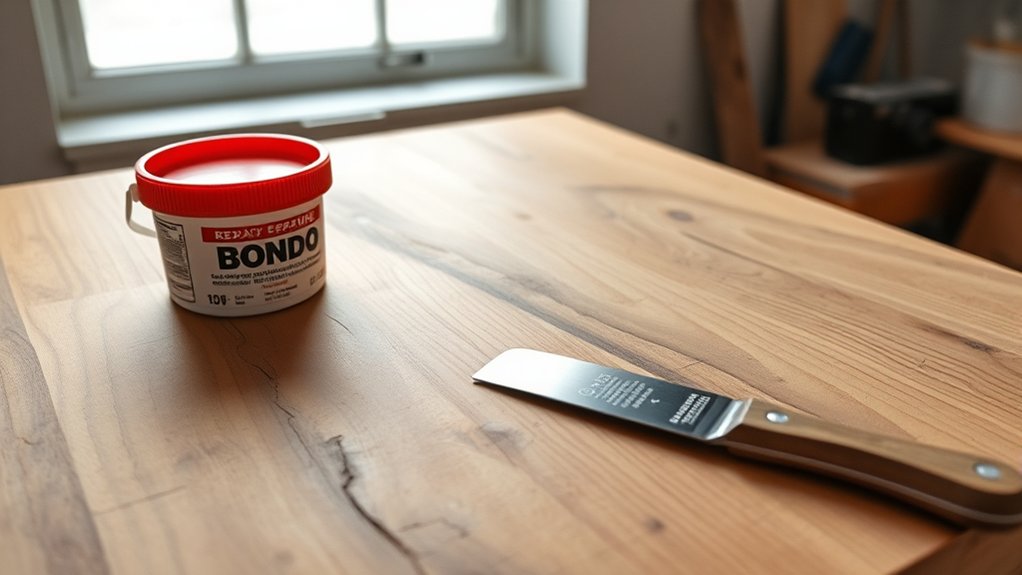
To achieve a successful application of Bondo on wood, start by thoroughly sanding and cleaning the damaged area. This guarantees proper adhesion.
Next, mix Bondo with the cream hardener in small batches to avoid premature hardening.
Mix Bondo with the cream hardener in small batches to ensure optimal working time and prevent early hardening.
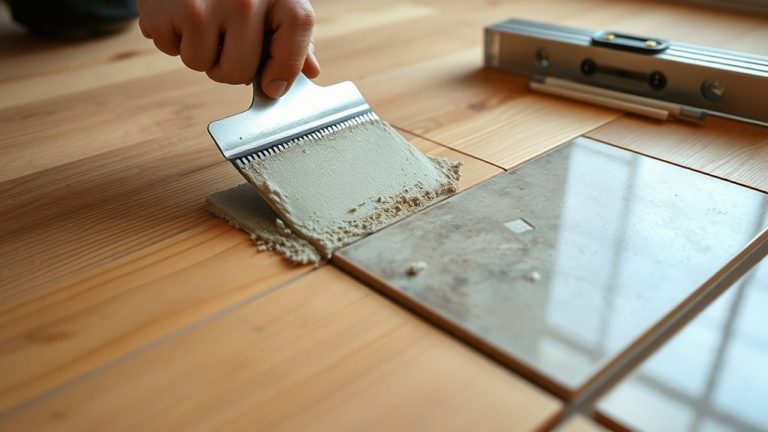
Use your putty knife to apply the mixture in thin layers, allowing each layer to cure fully before adding more. This technique promotes better bonding.
After the final layer has cured, sand the dried Bondo with 80-grit sandpaper for a smooth finish, making it ready for painting.
Always work in a well-ventilated area due to strong odors, and make sure to protect surrounding surfaces from dust during the sanding process.
Following these steps will lead to effective Bondo application. It’s pretty straightforward once you get the hang of it!
Stay Safe: Essential Bondo Tips
While applying Bondo can yield excellent results, safety shouldn’t be overlooked. To stay safe during your project, follow these essential tips:
- Work in a well-ventilated area: Bondo emits strong fumes that can cause nausea and headaches, so proper airflow is vital.
- Wear protective gloves: Direct contact with Bondo can lead to skin burns. Protect yourself by using gloves throughout the application process.
- Use a respirator mask indoors: If you’re sanding Bondo indoors, it’s important to avoid inhaling harmful dust particles that can damage your lungs.
Always remember to clean your work area thoroughly after use.
Also, make sure to follow the manufacturer’s instructions for mixing and application to guarantee peak performance and safety.
Top Alternatives to Bondo for Wood Repairs
When considering alternatives to Bondo for wood repairs, you’ll find several options that excel in providing strong adhesion and a more aesthetically pleasing finish.
Epoxy fillers like Abatron WoodEpox and Mohawk are specifically designed for wood. They allow for better color matching and can accommodate wood movement.
Minwax Two-Part Filler offers robust adhesion and can be sanded and painted seamlessly.
For durability, West System Epoxy is ideal for both interior and exterior repairs, especially in moisture-prone areas.
FamoWood Wood Filler dries quickly and can be easily stained or painted, giving a natural look.
And while Titebond III Wood Glue isn’t a filler, it’s excellent for bonding wood pieces during structural repairs where Bondo isn’t suitable.
Finishing Bondo Wood Repairs: Best Practices
Finishing your Bondo wood repairs effectively enhances both the durability and appearance of your project. Follow these best practices:
- Sanding: Always sand the cured Bondo with 80-grit sandpaper for a smooth finish. This step is essential before you apply any primer or paint.
- Priming: Use a high-quality primer to guarantee proper adhesion. This will promote a uniform color across the repaired area, especially over the filler.
- Painting: Choose paint designed for use over fillers to achieve a seamless final look. This helps to blend the repair with the surrounding wood seamlessly.
Frequently Asked Questions
Can Bondo Be Painted Over Immediately After Drying?
You shouldn’t paint over Bondo immediately after it dries. While it dries in about 15 to 30 minutes, allowing for adequate surface preparation is essential.
Wait at least 45 minutes for curing, then sand the dried Bondo to guarantee better adhesion and a smooth finish.
Applying a primer before painting can enhance durability and color consistency.
Is Bondo Waterproof Once Cured?
Bondo isn’t fully waterproof once cured; it’s more accurately described as water-resistant. While this means it can handle some moisture, it’s not meant to be soaked or exposed to water for long periods.
If water sits on it too long, its durability can take a hit.
For important Bondo jobs, especially outdoors, it’s a good idea to use it with waterproof sealants.
Or, you might want to look into Bondo alternatives that are made specifically for wet conditions. Doing this helps keep moisture from getting trapped under the filler, which protects the wood underneath from damage.
How Long Does Bondo Last on Wood Repairs?
Bondo’s durability on wood repairs can last several years, depending on your wood surface preparation and environmental conditions.
To maximize repair longevity, confirm the wood is clean and moisture-free before application. Proper techniques are essential.
If moisture gets trapped, it might lead to rot or reduced effectiveness. So, it’s really important to get that part right.
Regularly check your repairs for signs of wear and reapply if necessary. This is especially true in areas with fluctuating humidity.
Keeping an eye on things helps maintain structural integrity over time.
Can Bondo Be Used on Outdoor Wood Surfaces?
You can use Bondo on outdoor wood surfaces, but the outdoor durability isn’t great. To guarantee better results, properly prepare the wood by cleaning it and removing any loose debris.
Consider Bondo alternatives, like epoxy wood fillers, specifically designed for outdoor use. They provide superior resistance to moisture and expansion.
Remember, while Bondo dries quickly, it may not hold up long term in the elements compared to dedicated outdoor fillers.
What Tools Are Recommended for Applying Bondo on Wood?
For effective Bondo application, use a putty knife for smooth application and control.
Prepare the wood surface by cleaning it with a cloth. When mixing Bondo properly, utilize a plastic or paper plate to avoid contamination.
You’ll need sanding blocks or an orbital sander with 80-grit sandpaper to smooth the cured Bondo.
Don’t forget your safety goggles and mask to protect against dust and fumes during the entire process.
Taking these steps makes the job easier and safer. It’s all about working smart and staying protected!
Conclusion
To sum up, using Bondo on wood can yield impressive results if you tread carefully. Picture yourself transforming a worn-out tabletop into a smooth, revitalized surface. But beware, the key lies in knowing its limitations.
As you decide whether to reach for Bondo or opt for specialized wood fillers, remember each has its purpose. By mastering the application techniques and following safety guidelines, you’ll not only repair but also restore wood to its former glory. You can look forward to the final reveal with enthusiastic anticipation.