Can You Stain Over Painted Wood: What You Need To Know
You can stain over painted wood by using gel stains, which create a translucent glaze that lets the paint show through while adding color and depth. Lightly sanding with fine grit before applying helps the stain adhere better.
Applying multiple thin coats and allowing proper drying time prevents smudging and uneven color. Finishing with clear polycrylic protects your work.
If you want to achieve the best look and maintain durability, understanding the right techniques and common pitfalls is essential. It’s not too tricky once you get the hang of it!
What Staining Over Painted Wood Looks Like
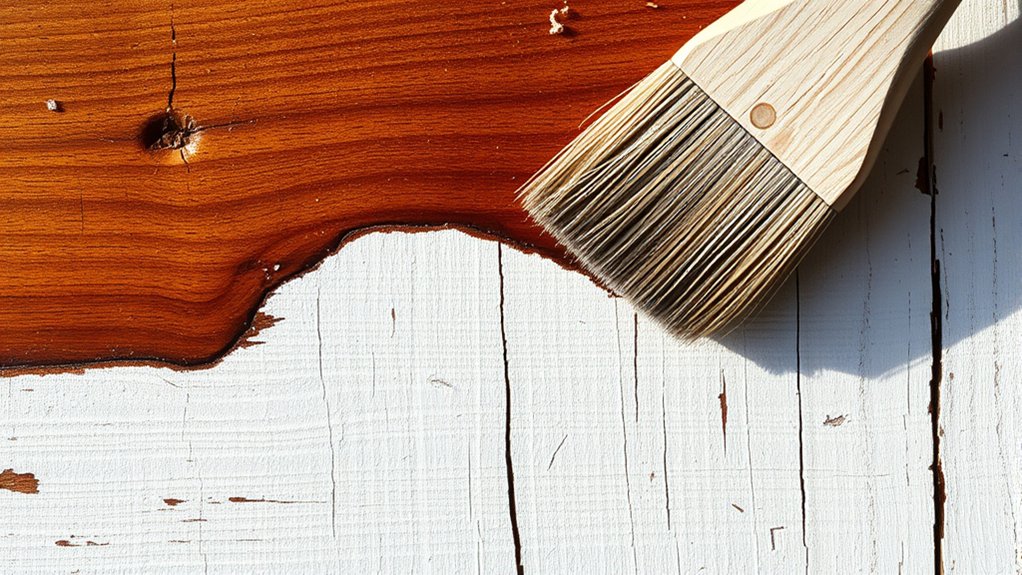
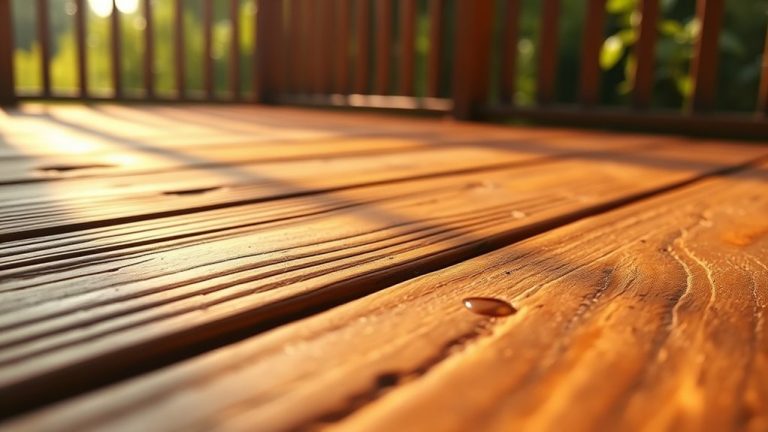
When you stain over painted wood, you don’t get the typical stained wood look. Instead, you create a colored glaze that adds depth and character to the surface. This technique gives a weathered or antiqued effect, which is perfect for vintage styles.
When applying the first coat, using a gel stain color is key because it sticks better to the painted surface than traditional stains. The original paint color influences the final hue, so expect some variations depending on your base.
You’ll probably need 2-4 coats to build richness and opacity, which really enhances the glaze’s depth.
It’s a good idea to test your chosen gel stain on scrap painted wood first. That way, you can get a feel for how it’ll look before committing to the whole project.
This approach transforms painted wood in a unique way, putting the focus on texture and tone rather than transparency.
Why Gel Stains Are Best for Painted Wood
You’ll find gel stains are perfect for painted wood because they enhance surface color without stripping the paint underneath.
They create a smooth, colored glaze that sticks well, giving you rich, even coverage.
Plus, this great adhesion helps your project look polished while protecting the finish you already have.
Surface Color Enhancement
Although traditional stains often fail to adhere properly to painted wood, gel stains work differently by building color on the surface rather than penetrating it. When you apply the stain, gel stain coats create a rich, consistent finish that enhances the underlying paint color without damaging it.
This surface-level color build-up lets you achieve various effects like a weathered or antiqued look, which is perfect for rustic furniture. To get the best results, test different gel stain colors on scrap pieces to see how they interact with your existing paint.
Applying multiple gel stain coats intensifies the color, giving you control over the final appearance while preserving the painted surface’s integrity.
Gel stains truly offer superior surface color enhancement for painted wood projects.
Superior Adhesion Benefits
Building on how gel stains enhance surface color, their superior adhesion qualities make them especially effective for painted wood.
Gel stain is designed to bond strongly with painted surfaces, so you don’t need primers or heavy prep. This guarantees a durable finish that lasts.
Here are the top three superior adhesion benefits of gel stain:
- Strong Bonding: Gel stains adhere firmly to paint, preventing peeling or flaking.
- Controlled Application: Their thick consistency reduces drips and unevenness.
- Versatile Use: You can apply multiple coats to customize color intensity while fully covering the original paint.
How to Apply Gel Stain Over Painted Wood
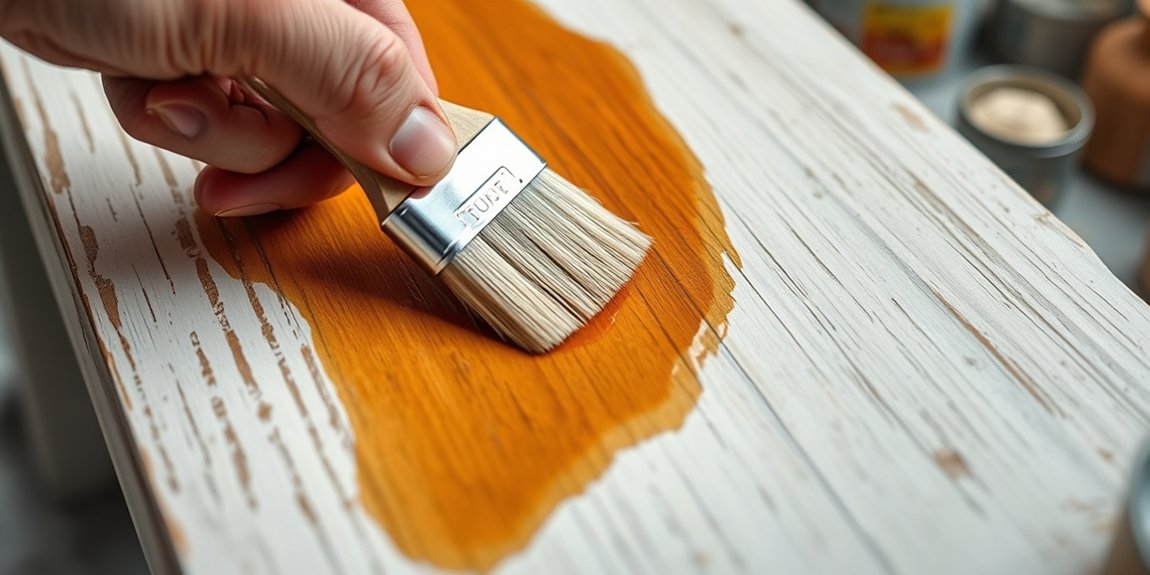
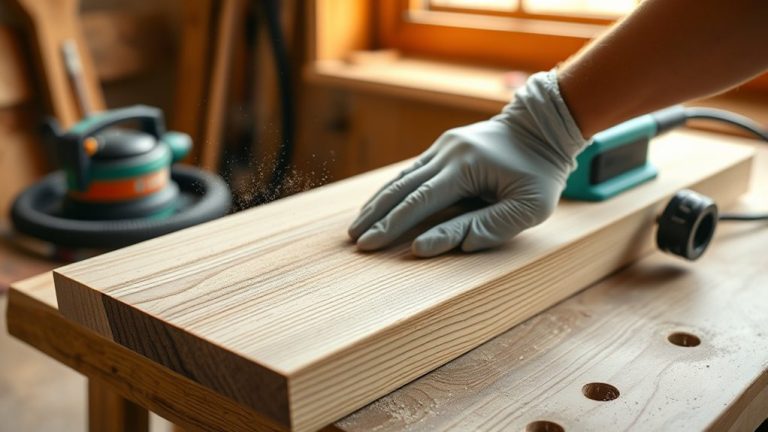
Start by lightly sanding the painted wood surface with fine-grit sandpaper (around 220 grit) to improve gel stain adhesion. When applying gel stain, use a foam brush and work with the wood grain to assure even coverage. Avoid thick layers, as gel stains build color on the surface rather than penetrating.
Let each coat dry for at least an hour before applying the next.
| Step | Tool/Material | Tip |
|---|---|---|
| Sand surface | 220-grit sandpaper | Light sanding only |
| Apply gel stain | Foam brush | Follow wood grain |
| Dry time | – | Minimum 1 hour between coats |
| Finish | Polycrylic top coat | Seals and protects stain |
This method guarantees better adhesion and a smooth, durable finish on painted wood.
How Many Gel Stain Coats Are Needed
You’ll usually need around four coats of gel stain to fully cover painted wood and get the opacity you’re aiming for.
Just be sure to let each coat dry for 4-5 hours before adding the next one.
Giving it that drying time between coats really helps the stain stick properly.
Plus, it makes your finish look rich and even, without any streaks.
Coat Quantity Guidelines
Applying gel stain over painted wood requires careful attention to the number of coats for the best results.
To get the ideal opacity and color depth, follow these coat quantity guidelines:
Apply 2-4 thin, even coats of gel stain, starting with a light and even first coat. If needed, lightly sand between coats to smooth the surface.
Make sure each coat dries thoroughly before adding the next one. This helps prevent streaking or uneven coverage.
For maximum durability and a great finish, consider applying 2-3 clear top coats after staining.
Most projects hit the perfect color after about 4 coats, especially when you’re darkening a light paint color.
Following these steps will give you a smooth, rich finish that really enhances your painted wood piece.
Drying Time Between
Although achieving the right opacity typically requires about four coats of gel stain, you need to allow each layer to dry fully. Usually, this takes 4 to 5 hours before adding the next.
When working on wood that’s already been painted, patience is key to avoid ruining your work. Make sure to dry in between coats to enhance adhesion and finish quality.
After the first coat, waiting at least an hour between additional layers is helpful.
Achieving Desired Opacity
When you want to achieve the right opacity over painted wood, plan on applying about four coats of gel stain. This guarantees the original paint is sufficiently covered, giving you the finish you want. Each coat needs 4-5 hours to dry fully before you apply the next.
For best results, use a foam brush, working with the wood grain for even coverage.
Here’s how to achieve desired opacity effectively:
- Test gel stain on a small area to estimate the number of coats needed.
- Apply each coat evenly, allowing proper drying time between applications.
- Finish with 2-3 coats of a clear top coat for durability and enhanced color depth.
Following these steps assures a rich, durable finish over your painted wood.
It’s really about patience and careful application to get the best look.
How to Distress Painted Wood for an Antiqued Look
If you want to give your painted wood an antiqued look, start by lightly sanding the surface with high-grit sandpaper to reveal hints of the underlying paint.
Focus on edges and raised areas where natural wear would occur to create a realistic distressed effect.
Once you’ve sanded those spots, apply gel stain in a darker shade to add depth and contrast.
Work in small sections, applying stain carefully and wiping off any excess quickly to prevent blotches and guarantee a uniform finish.
This technique highlights the distressed areas while complementing the base paint color.
Picking the Best Top Coat for Painted Wood
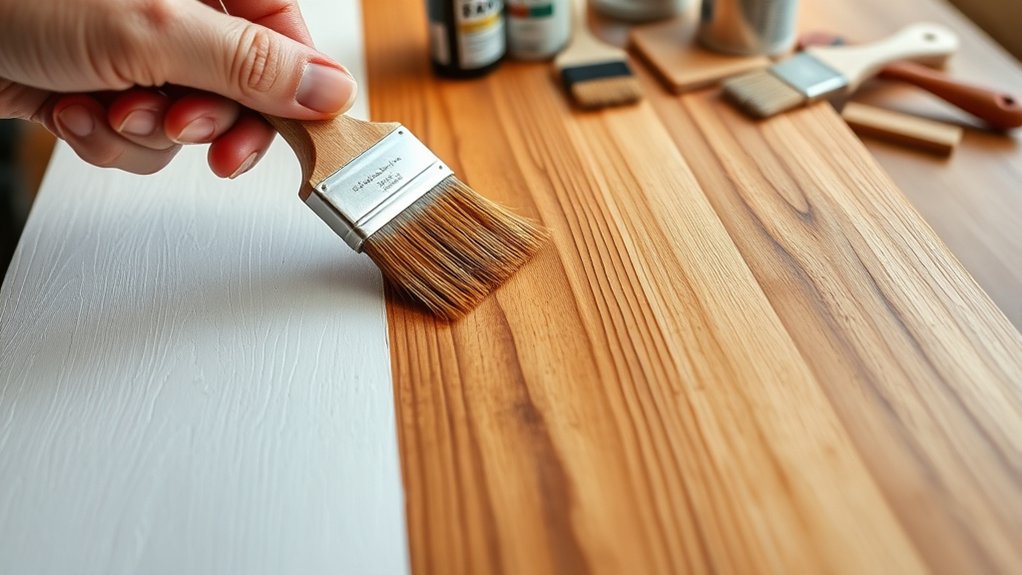
Choosing the right top coat can make all the difference in protecting and enhancing your painted wood project. When picking a top coat, consider these key factors:
Use a water-based polycrylic for a clear finish that won’t yellow over time, especially on light-colored surfaces. Opt for a semi-gloss or satin finish to provide durability and a smooth feel while subtly enhancing the gel stain beneath.
Always confirm that the top coat is compatible with the gel stain you applied; manufacturer guidelines guarantee the best results.
Apply the top coat with a foam brush for even coverage, allowing 30-60 minutes to dry between coats. For lasting protection, apply 2-3 layers, letting the final coat cure 24-48 hours before use.
This way, you’ll get the best look and durability out of your project.
Common Gel Stain Mistakes on Painted Wood
Although gel stains can transform painted wood with rich color and texture, many common mistakes can compromise the final result. You must clean wood thoroughly before applying gel stain to avoid poor adhesion. Skipping sanding with fine grit sandpaper also prevents proper stain bonding.
Using the wrong brush type or applying thick coats can cause uneven finishes and drips. Finally, rushing drying times between coats leads to smudging and blotches.
| Mistake | Effect |
|---|---|
| Dirty surface | Poor adhesion, uneven finish |
| No sanding with grit sandpaper | Stain won’t stick properly |
| Thick gel stain coats | Pools, drips, uneven coverage |
| Insufficient drying time | Smudging, patchy opacity |
Avoid these pitfalls for smooth, lasting stained painted wood. Just take your time and prep the surface right!
Tips to Protect and Maintain Your Stained Painted Wood
Maintaining stained painted wood requires a few simple but consistent habits to keep its appearance vibrant and durable. To protect and properly maintain your stained surfaces, follow these essential tips:
First, regularly dust with a soft, lint-free cloth to prevent dirt buildup and scratches. This simple step really helps preserve the finish and keeps your wood looking fresh.
Next, use coasters and placemats to shield the wood from heat and moisture. These can damage the stain and cause the finish to wear out sooner than it should.
Use coasters and placemats to protect wood from heat and moisture, preserving its stain and finish longer.
When it comes to cleaning, be gentle. Use mild soap and water, and avoid harsh chemicals that can strip away the stain.
Also, it’s a good idea to reapply a protective top coat every 1-2 years. This seals the finish and boosts durability, so your wood stays beautiful for longer.
Frequently Asked Questions
Can I Stain Over Any Type of Paint on Wood?
You can’t stain over every paint type on wood. Latex and oil-based paints create a barrier that prevents stain compatibility, so staining won’t soak in properly.
If you want to stain, you’ll need to strip or sand off the paint first.
Proper wood preparation, like thorough sanding, is essential to guarantee the stain adheres well.
Always test a small area to check how the stain reacts with the wood after preparation. It’s a good way to avoid surprises later on.
How Long Should I Wait After Painting Before Staining?
You should wait at least 24 to 48 hours for the paint curing time before staining. This guarantees the paint has properly dried and won’t peel when you apply stain.
Keep in mind, stain absorption factors vary depending on the paint type and wood condition.
For best results, focus on surface preparation tips like lightly sanding the painted wood to promote better stain adherence. This also helps remove any gloss that might block absorption.
Will Staining Over Painted Wood Affect Indoor Air Quality?
Staining over painted wood can impact indoor air quality if you’re not careful.
Poor stain adhesion often happens because of paint compatibility issues. This might cause peeling or off-gassing.
Off-gassing releases indoor air pollutants that could harm your health. To keep risks low, make sure the paint is fully cured and works well with the stain.
It’s also a good idea to use low-VOC or water-based stains. These help reduce harmful emissions and keep your indoor air quality better.
Can I Use Regular Wood Stain Instead of Gel Stain on Painted Wood?
You can use regular wood stain on painted wood, but it’s not ideal. Gel stain works better because it sits on top and sticks well to paint finishes.
Before applying any stain, you need to prepare the wood properly. That means sanding off any glossy paint and cleaning the surface. This helps the stain either soak in or stick the way it should.
How Do I Remove Gel Stain From Painted Wood if I Make a Mistake?
When gel stain seeps like an unwelcome shadow on painted wood, act quickly. For gel stain removal, gently scrape off excess with a plastic scraper.
Then use a rag dampened with mineral spirits or a gel stain remover. Test first on a small spot to avoid damage.
Staining mistakes can be fixed by patiently repeating this process, making sure you don’t strip the paint beneath.
Clean thoroughly and let it dry before reapplying any finish.
It might take a couple of tries, but don’t rush it. Taking your time helps keep the paint intact and gets rid of that unwanted stain.
Conclusion
So, you want to stain over painted wood because who wouldn’t want to turn their glossy, sealed surface into a rustic masterpiece? Gel stains make it surprisingly doable as long as you don’t expect paint to just soak it up like bare wood.
Remember, a little distressing and the right top coat can work wonders. Just avoid those common mistakes or you’ll end up with a patchy mess instead of charming antiqued wood.