
Can You Burn Wood In A Coal Stove: Safety Tips And Risks Explained
You can burn wood in a coal stove if it’s designed for multi-fuel use, but you must use seasoned, dry wood to avoid creosote buildup and hazardous smoke. Proper ventilation is vital to prevent carbon monoxide and fire risks.
Avoid treated or damp wood, as they release toxic chemicals and reduce efficiency. Regular maintenance, including chimney cleaning, is essential to safety.
If you want to get the full details on risks, stove adjustments, and safety gear, keep exploring these important considerations.
Assessing Safety When Burning Wood in a Coal Stove

Although coal stoves are primarily designed for burning coal, many models built for multi-fuel use can safely burn wood as well. When burning wood in these stoves, you must guarantee proper ventilation to prevent dangerous carbon monoxide buildup.
Multi-fuel stoves are designed to handle different combustion temperatures, but improper airflow or using damp wood can increase creosote buildup in the chimney. This raises fire risks, so it’s important to be careful.
To maintain safety, you should avoid burning unseasoned wood and schedule regular maintenance, including flue cleaning and thorough inspections. These steps help prevent hazards and extend your stove’s lifespan.
Key Design Differences Between Wood and Coal Stoves
You’ll notice that wood and coal stoves manage airflow a bit differently.
Wood stoves draw air mostly from above, while coal stoves need ventilation both at the top and bottom to burn properly.
Also, the firebox floor isn’t the same in each.
Wood stoves usually have flat floors, but coal stoves use ventilated grates. These grates help handle ash and keep the air flowing.
Airflow And Ventilation
When burning wood in a coal stove, understanding the differences in airflow and ventilation is essential for safety and efficiency.
Coal stoves require air from both above and below the fire for ideal combustion, whereas wood stoves supply air primarily from above. This affects how each stove manages heat and smoke.
Keep these points in mind for safe operation:
- Airflow direction: Coal stoves have ventilated grates to allow bottom airflow, unlike wood stoves, which rely on top ventilation.
- Combustion needs: Proper chimney draft is critical for coal stoves due to higher combustion temperatures, which is different from wood stoves.
- Safety concerns: Inadequate ventilation can cause incomplete combustion, risking smoke buildup and damage to the stove.
Recognizing these airflow and ventilation differences helps maintain safety and efficient burning when using a coal stove for wood.
It’s all about knowing how your stove works so you can use it the right way.
Firebox And Grate Design
Understanding airflow and ventilation differences sets the stage for recognizing how firebox and grate designs vary between wood and coal stoves. A coal stove features ventilated grates to enable airflow from below and above, which is essential for efficient coal combustion. In contrast, wood stoves have flat firebox floors and draw air primarily from above.
Coal stoves handle higher combustion temperatures and produce more ash, so they require robust grate design and regular maintenance. Only multi-fuel stoves can safely manage both fuels. Here’s a quick comparison:
| Feature | Wood Stove | Coal Stove |
|---|---|---|
| Firebox Floor | Flat | Ventilated grates |
| Airflow | Above fuel only | Above and below fuel |
| Combustion Temp | Up to ~1,600°F | 2,500°F to 3,500°F |
| Ash Volume | Low | High |
| Stove Type | Wood-specific or multi-fuel | Multi-fuel or coal-specific |
Choosing the Best Wood Types for Coal Stoves

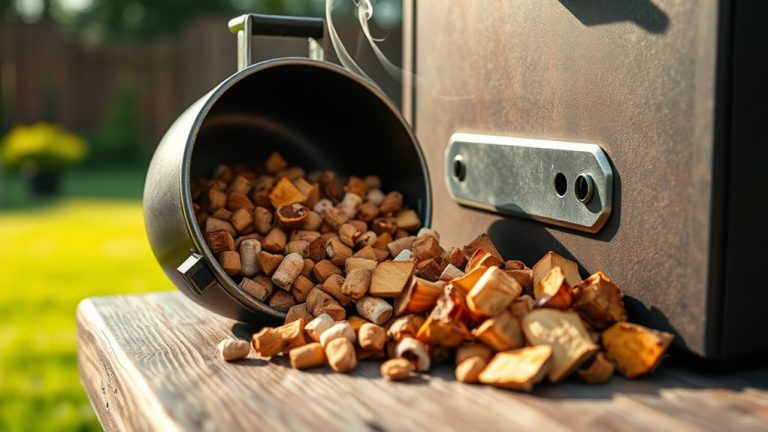
When you’re picking wood for your coal stove, it’s best to go with seasoned, dry wood. This helps keep the smoke down and reduces harmful emissions.
You definitely want to avoid damp or unseasoned wood because it doesn’t burn well and can cause more creosote to build up in your stove.
Oh, and never burn treated wood—those chemicals can be really dangerous for you and your family.
Seasoned Wood Benefits
Because seasoned wood contains less than 20% moisture after drying for at least six months, it burns more efficiently and safely in coal stoves.
Using seasoned wood improves your burning experience by reducing smoke and harmful emissions, which directly lowers creosote buildup and the risk of chimney fires.
It also minimizes carbon monoxide production, making your indoor environment safer.
When selecting wood for your coal stove, consider these benefits:
- Higher heat output: Hardwoods like oak and hickory provide longer-lasting, more intense heat.
- Reduced creosote: Less moisture means less creosote accumulation in your chimney.
- Safer indoor air: Properly seasoned wood produces fewer harmful gases, including carbon monoxide.
Storing wood in a dry, ventilated area preserves these advantages for safer, more efficient burning.
Just keep your wood protected and let it dry properly to get the best results.
Risks of Damp Wood
Although it might seem convenient, burning damp wood in your coal stove can cause serious safety and efficiency problems. Damp wood, with moisture over 20%, reduces combustion efficiency and produces excessive smoke. This smoke increases carbon monoxide levels, an odorless and potentially lethal gas.
Plus, burning damp wood generates more particulate matter, which worsens indoor and outdoor air quality.
| Issue | Impact |
|---|---|
| Damp Wood Moisture | >20%, lowers combustion efficiency |
| Carbon Monoxide Risk | Elevated levels, health hazard |
| Particulate Matter | Increased pollutants, poor air quality |
To protect your home and health, always choose seasoned wood with moisture below 20%. Seasoned wood burns cleaner, improves combustion efficiency, and lowers risks of chimney fires and air pollution.
It’s really worth taking the time to use properly seasoned wood — it keeps your stove running better and your air safer.
Avoid Treated Wood
Since treated wood contains chemicals designed to preserve and protect it, burning it in your coal stove can release toxic fumes that seriously endanger your health.
Treated wood emits toxic chemicals that pose severe health risks, including respiratory problems.
To keep your home safe and efficient, avoid burning treated wood and focus on seasoned wood instead.
Here’s why you should avoid treated wood:
- Toxic chemicals in treated wood produce harmful emissions during combustion.
- Health risks rise considerably due to inhaling these toxic fumes.
- Using seasoned wood improves combustion efficiency and reduces smoke.
Stick to dry, untreated seasoned wood for safer burning, better heat output, and minimized harmful emissions.
This approach protects both your health and your stove’s performance.
Dangers of Burning Treated Wood in Coal Stoves

When you burn treated wood in a coal stove, you risk releasing toxic chemicals like arsenic and formaldehyde into your home’s air.
These harmful pollutants contribute considerably to indoor air pollution, posing serious health risks to you and your family.
Treated wood contains substances that, when burned, emit carcinogens such as dioxins and furans.
This increases cancer risk with prolonged exposure. The high heat of a coal stove speeds up the release of these toxic chemicals, making them even more dangerous.
Because of these risks, it’s essential to never burn treated wood in coal stoves.
Avoiding treated wood protects your indoor environment and helps you stay compliant with safety standards designed to keep you healthy and safe.
Impact of Wood Burning on Chimney Safety and Maintenance
Beyond the chemical hazards of burning treated wood, you also need to evaluate how using wood in a coal stove affects chimney safety and maintenance.
Burning wood produces lower combustion temperatures than coal, which increases creosote buildup. This buildup means you’ll need to clean your chimney more often.
Wood burns cooler than coal, leading to more creosote and the need for frequent chimney cleaning.
Improper burning can raise smoke emissions, which risks clogs and fires. The changing combustion can also disrupt airflow. This disruption can worsen chimney liner wear caused by coal’s corrosive byproducts.
To keep your chimney safe, focus on a few key things. First, schedule regular chimney inspections to catch blockages and liner damage early.
Next, keep a close eye on smoke emissions to prevent dangerous creosote buildup. Finally, make sure there’s proper airflow to reduce fire risks and keep ventilation efficient.
Understanding these factors really helps you manage chimney safety when you’re burning wood in a coal stove. It might take a little extra care, but it’s worth it for your safety and your home.
Venting and Monitoring Your Coal Stove When Using Wood
Although coal stoves are designed for a specific type of fuel, you must adjust venting and monitoring practices if you burn wood to guarantee safety and efficiency. Proper venting is essential to confirm smoke exits through the chimney effectively and to minimize creosote buildup, which increases fire risk.
You need to closely monitor the chimney’s draft since wood requires different airflow than coal. Improper ventilation can cause dangerous carbon monoxide accumulation. Installing a carbon monoxide detector near your stove enhances safety by providing early warnings.
Regular inspection and cleaning of the chimney and flue prevent blockages and manage soot buildup.
Because wood produces less heat, adjusting the air supply helps maintain burning efficiency. This way, you can be sure your stove operates safely and effectively while using wood as fuel.
Essential Safety Gear and Precautions for Wood Burning
Adjusting your stove’s venting is just one part of staying safe when burning wood in a coal stove. You also need to wear heat-resistant gloves and safety goggles to protect against burns and flying embers.
Maintaining proper ventilation is essential to minimize smoke and carbon monoxide indoors.
Keep these key precautions in mind:
- Use a non-combustible fire screen to stop sparks from escaping and igniting nearby materials.
- Always have a fire extinguisher nearby, and check regularly to verify it’s fully charged and functional.
- Inspect and clean the chimney routinely to prevent dangerous creosote buildup that can cause chimney fires.
Following these steps helps you burn wood safely and reduces fire risks effectively. Just remember, a little extra care goes a long way when it comes to safety.
Frequently Asked Questions
Can Burning Wood in a Coal Stove Affect Indoor Air Quality?
Yes, burning wood in a coal stove can affect indoor air quality by increasing indoor pollutants and particulate matter.
You’ll notice reduced combustion efficiency compared to coal, which leads to higher smoke emissions.
Without proper ventilation, smoke and harmful gases build up, raising health risks like respiratory problems.
To minimize these effects, you must use well-seasoned wood and guarantee your stove’s ventilation requirements are met.
This helps keep your indoor air safer and cleaner.
How Does Wood Ash Disposal Differ From Coal Ash?
Imagine you’ve just cleaned your stove. Wood ash composition is mostly harmless minerals, making disposal simple. You can safely compost it or use it in your garden.
In contrast, coal ash toxicity is high due to heavy metals. This means you need to follow strict disposal methods to avoid environmental impact. Usually, you’ll have to follow local regulations for coal ash disposal. This often involves specialized recycling options or designated landfills.
Always think about health considerations before handling or disposing of either ash type. It’s better to be safe and informed.
Is It More Cost-Effective to Burn Wood or Coal in These Stoves?
When you weigh the cost comparison between wood and coal, coal usually wins due to higher fuel efficiency and heating value. This means longer burn duration and less frequent refueling.
However, wood might be cheaper if availability factors favor your area. You’ll need more storage space for wood because it’s less energy-dense.
Can Moisture Content in Wood Cause Damage to a Coal Stove?
Moisture in wood hits your coal stove like a stubborn raincloud, dampening fire efficiency and lowering combustion temperature.
This moisture impact causes incomplete burning, leading to flue buildup that demands extra stove maintenance.
Over time, you’ll see long term effects like corrosion and reduced performance.
To protect your stove, always use seasoned wood with low moisture.
Otherwise, you risk costly damage and unsafe conditions that could have easily been avoided.
Are There Environmental Benefits to Burning Wood Over Coal in These Stoves?
Yes, burning wood in your coal stove can offer environmental benefits. Wood is a renewable energy source, and its smoke emissions typically produce fewer pollutants than coal.
When you compare the carbon footprint, wood’s CO2 release is balanced by forest absorption, promoting sustainability practices.
However, you should consider forest management impacts to avoid deforestation. Using wood as an alternative heating option reduces reliance on fossil fuels, helping lower your overall environmental footprint cautiously.
Conclusion
When you burn wood in your coal stove, think of it as steering a delicate dance. Each step requires care and attention. The design differences and risks are shadows you can’t ignore.
Choosing the right wood and staying vigilant with chimney maintenance keep the flames from turning against you. With proper venting and safety gear, you’ll harness warmth without courting danger.
Always treat your stove like a trusted partner, not a wild card.