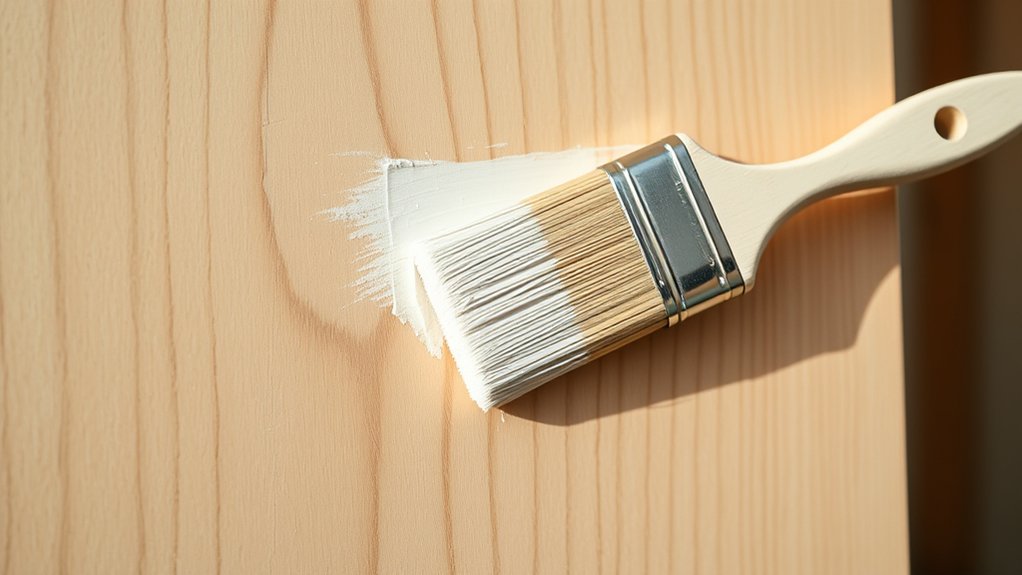
Can You Use Drywall Primer On Wood: What To Expect
You can use drywall primer on wood, but expect poor adhesion and an uneven finish that may peel or flake over time. Drywall primer is made for porous drywall, not dense wood, so it won’t seal tannins or prevent bleed-through effectively. It also lacks the flexibility needed for wood surfaces.
For best results, use a wood-specific primer designed to handle wood’s unique properties. Keep exploring to discover how to choose and apply the right primer for wood projects.
Can You Use Drywall Primer on Wood?
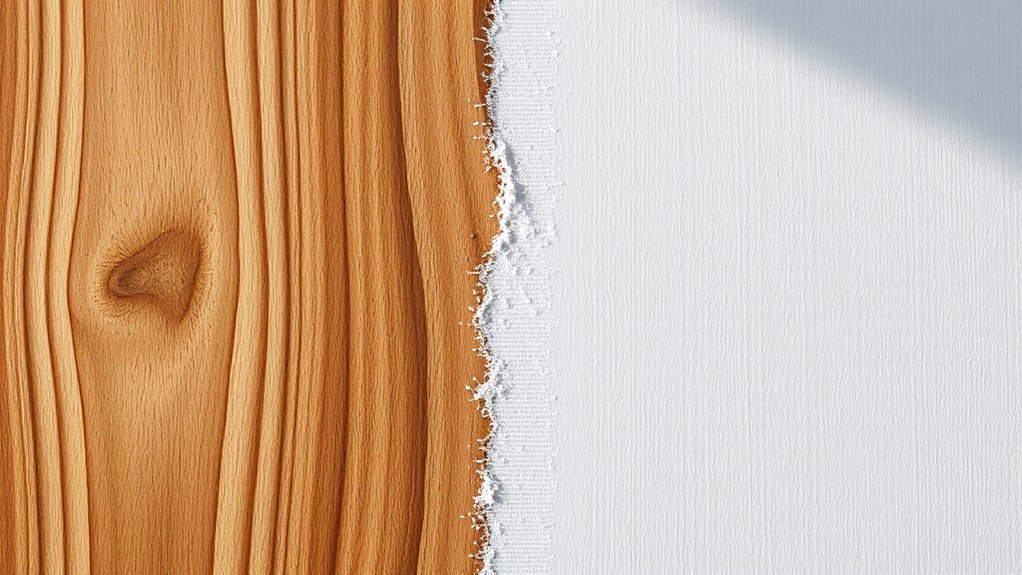
Why consider drywall primer for wood surfaces?
While drywall primer is formulated for porous materials like drywall, it doesn’t have the right chemical properties to stick properly to bare wood. Using drywall primer on wood often leads to poor adhesion and a rough finish. That can cause paint to peel or flake over time.
Instead, you should go with a wood primer made specifically for wood’s unique challenges, like tannins and uneven grain absorption. Wood primers provide better adhesion and durability, which are key for a professional-looking finish.
Some people say they’ve had occasional success using drywall primer on trim.
But pros strongly recommend using the right primer type to avoid messing up the longevity and quality of your paint job. It’s just a safer bet in the long run.
What Is Drywall Primer?
Drywall primer is designed to seal porous surfaces like fresh drywall. This helps create an even base for your paint to stick to.
Without it, the paint can absorb unevenly, leading to patchy spots.
By using the right primer, you make sure the paint goes on smoothly and stays put.
It’s a simple step that makes a big difference in getting a durable, professional-looking finish.
Purpose Of Drywall Primer
A drywall primer serves as a specialized preparatory coating designed to condition porous surfaces like fresh drywall, ensuring your paint adheres evenly and consistently. This primer is made to seal drywall’s variable absorption rates, preventing patchiness and promoting uniform paint coverage.
It effectively hides visible seams and uneven textures, providing a smooth, consistent base.
But here’s the thing: drywall primer is formulated specifically for drywall, not for wood. Applying it on bare wood often results in poor bonding and a rough finish because wood’s density and texture differ greatly from drywall.
Surface Preparation Benefits
Proper surface preparation guarantees your paint job achieves a smooth, uniform finish and long-lasting adhesion. When you use drywall primer, you create a sealed, consistent base, especially on surfaces that have never been painted or sealed. This prevents uneven absorption, which is critical for avoiding blotchy finishes.
A quality drywall primer, often latex primer, fills pores and helps hide seams and imperfections. This ensures topcoats apply evenly.
Although designed for drywall, applying drywall primer on wood can improve paint coverage and reduce the number of paint layers needed.
Using a quality drywall primer also saves you time and materials by promoting better paint adhesion and durability. By properly preparing your surface with drywall primer, you set the stage for a professional, long-lasting paint job.
It really makes a difference in the final look and how long your paint lasts.
Paint Adhesion Importance
Understanding the role of drywall primer is essential when preparing surfaces for painting. Drywall primer is designed specifically for porous materials like new drywall. It promotes even paint adhesion by sealing uneven absorption rates.
It creates a solid bond that prevents patchiness and guarantees a smooth, uniform finish. However, when applied to bare wood, drywall primer often fails to provide adequate paint adhesion because it lacks the bonding agents tailored for wood’s unique characteristics.
Wood surfaces present challenges like tannin bleed and variable porosity that drywall primer doesn’t address. To achieve a durable, flawless finish on wood, you need a dedicated wood primer formulated to enhance paint adhesion on bare wood.
Using the right primer assures long-lasting results and avoids peeling or rough textures. So, picking the right product really makes all the difference when you want a quality finish.
How Drywall Primer Differs From Wood Primer
Although drywall primer and wood primer may seem similar, they serve distinct purposes because of differences in formulation and surface requirements. Drywall primer is designed specifically for porous drywall surfaces. It helps paint stick well to the paper and joint compound on drywall.
Wood primer, on the other hand, tackles wood-specific issues like sap bleed and moisture absorption. Using drywall primer on wood can lead to an uneven texture and poor paint adhesion.
| Feature | Drywall Primer | Wood Primer |
|---|---|---|
| Surface Compatibility | Porous drywall | Bare wood with slick or oily surfaces |
| Special Additives | None | Tannin-blocking agents |
| Finish & Adhesion | May cause rough, uneven texture | Guarantees smooth finish and strong adhesion |
Picking the right primer is key to getting the best paint performance and lasting durability on each surface.
Why Drywall Primer Isn’t Ideal for Bare Wood
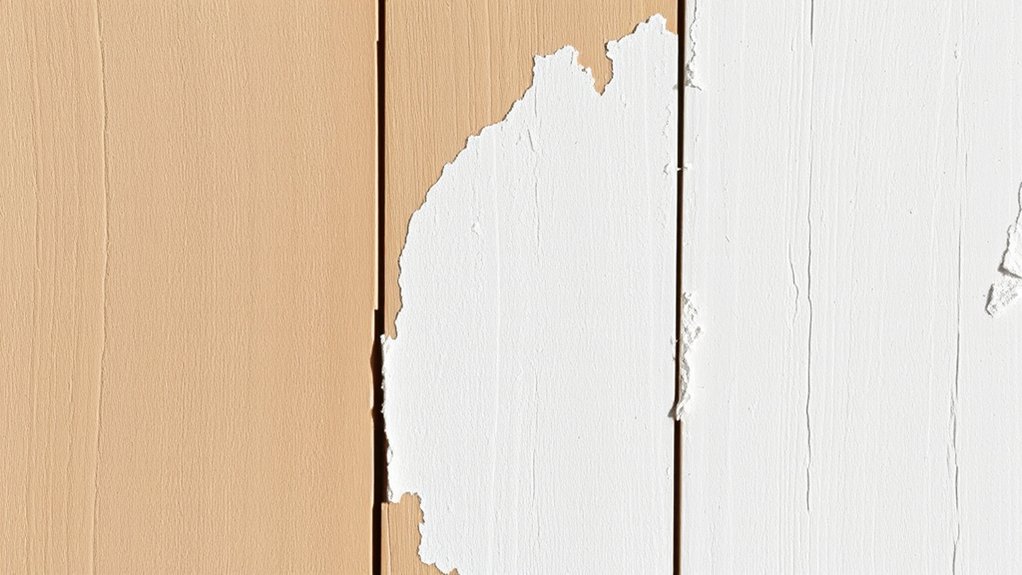
You can’t really count on drywall primer for bare wood because it’s not made to stick well to the wood’s surface fibers.
That mismatch causes poor adhesion and can leave you with a rough finish that won’t last long.
On top of that, the tannins in the wood can bleed through, leading to discoloration that drywall primer just can’t stop.
Primer Adhesion Challenges
When applying drywall primer to bare wood, you’ll likely encounter adhesion problems because the primer’s chemical formulation suits porous drywall surfaces, not smooth or tannin-rich wood.
Drywall primer relies on the porous, uneven texture of drywall to create a strong bond, but wood’s smoother grain and tannin content hinder effective bonding.
This mismatch results in primer adhesion challenges, such as poor grip and a rough, uneven texture that compromises paint durability.
Plus, drywall primer lacks the flexibility needed to accommodate wood’s natural expansion and contraction, which increases the risk of peeling or flaking.
To guarantee proper adhesion and a uniform finish, it’s essential to use primers specifically formulated for wood.
These primers are designed to bond securely to wood’s unique surface characteristics and prevent common adhesion issues.
Surface Compatibility Issues
Adhesion issues highlighted earlier stem largely from fundamental surface compatibility problems between drywall primer and bare wood.
Drywall primer is engineered for porous drywall surfaces, not the dense and tannin-rich composition of bare wood. This mismatch impacts surface preparation and adhesion quality, often causing peeling or flaking.
Here’s the thing: drywall primer’s chemical bonding isn’t really suited for wood’s unique texture, which can lead to rough finishes.
Plus, tannins in wood can bleed through the drywall primer and stain the topcoat.
If you don’t prepare the surface properly using drywall primer, it reduces paint durability on wood.
That’s why wood-specific primers, like oil-based or latex formulas, do a much better job managing adhesion and controlling tannins.
Bottom line: using drywall primer on wood compromises both adhesion and longevity.
It just isn’t the best choice for bare wood surfaces.
How Wood’s Porosity and Tannins Affect Primer Adhesion
Although drywall primer works well on porous materials like drywall, wood’s unique porosity and tannin content present specific challenges that impact primer performance.
Wood’s porous structure can cause uneven absorption, leading to an inconsistent finish if the primer doesn’t properly seal the surface.
Tannins naturally present in bare wood tend to bleed through standard primers, causing discoloration and staining on your topcoat.
Drywall primers aren’t chemically formulated to handle these tannins or the variable moisture content in wood, which compromises adhesion and durability.
When applying primer to wood, you need one designed to block tannin bleed and accommodate wood’s porosity.
Otherwise, you risk poor bonding and an uneven, less durable finish.
Choosing the right primer guarantees peak adhesion, color stability, and a smooth final surface.
Problems That Occur When Using Drywall Primer on Wood
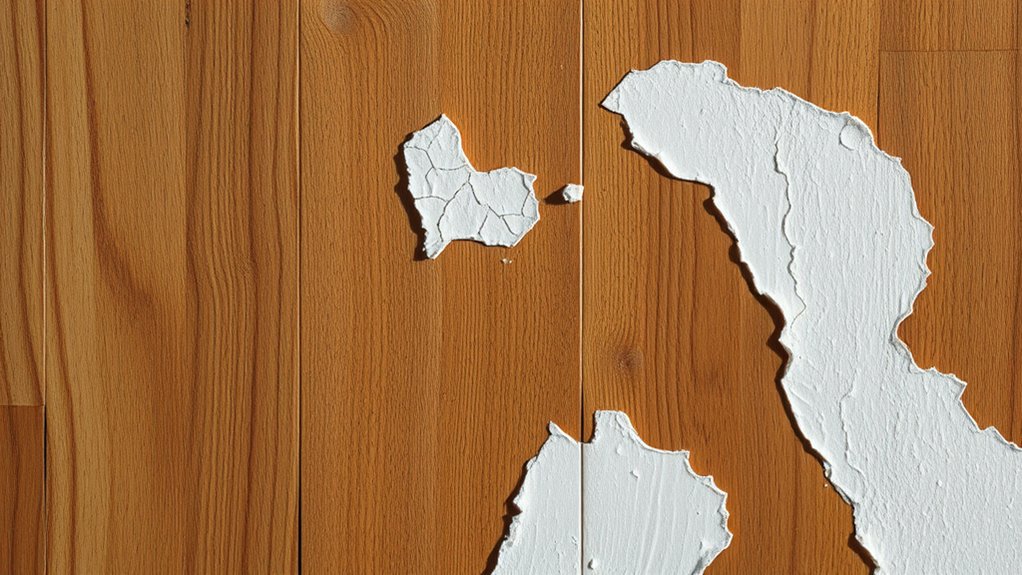
If you apply drywall primer to bare wood, you’ll likely encounter several issues that compromise the finish quality.
Drywall primer isn’t formulated for wood’s porosity and tannin content. This can lead to adhesion problems and surface defects.
Here are the main problems you can expect: poor adhesion due to drywall primer’s incompatibility with wood fibers. This increases the risk of paint peeling or chipping.
You might also notice a rough, uneven finish on wood trim, which detracts from a professional appearance.
Another issue is tannin bleed-through, causing discoloration and uneven paint coverage.
Plus, the chemical bonding isn’t as efficient, which reduces durability compared to a proper wood primer.
When Drywall Primer Can Work on Wood Surfaces
When working with wood surfaces that already have a sealed or painted layer, drywall primer can sometimes serve as a temporary solution, especially on less critical areas. In these cases, drywall primer may provide sufficient coverage and promote proper adhesion for subsequent paint layers without the risk of tannins or oils interfering.
That said, this approach is really only good for surfaces where appearance and durability aren’t top priorities.
Drywall primer isn’t made to handle the chemical properties of bare wood, which can mess with long-term bonding and finish quality.
If you want reliable results, especially on raw wood, it’s important to choose the right primer for your project.
Using drywall primer on wood should be an exception, not the rule, if you want to ensure the best performance.
Choosing and Preparing the Right Primer for Wood Projects
Selecting the right primer is essential for successful wood projects. Using drywall primer can actually compromise adhesion and finish quality. So, to make sure even the best primers and paints perform well, you need to use a primer specifically made for wood.
Choosing a wood-specific primer is crucial to ensure strong adhesion and a flawless finish.
Here are some key points to keep in mind when choosing and preparing your wood primer:
Opt for oil-based primers on bare wood. They help seal tannins and promote better adhesion.
On the other hand, latex primers dry faster and work well for most interior projects.
Don’t forget to prepare your surfaces properly. Clean and sand them to get a smooth, high gloss finish.
Also, match the primer properties to your project’s needs, like choosing moisture resistance for kitchens or bathrooms.
Frequently Asked Questions
How Long Should Drywall Primer Dry Before Painting Wood?
You should let drywall primer dry for at least 1-2 hours before painting wood to guarantee proper adhesion.
Drying time factors like humidity, temperature, and wood type can extend this period.
Using drywall primer benefits your finish by sealing the surface and promoting paint adhesion.
For ideal wood painting techniques, follow primer application tips such as applying thin coats and sanding lightly after drying.
This helps you achieve a smooth, durable finish.
Can Drywall Primer Seal Knots in Wood?
Drywall primer lacks knot sealing effectiveness because it doesn’t block tannin bleed-through or guarantee proper adhesion on wood knots. You’ll face primer compatibility issues if you rely on it alone.
Instead, use alternative sealers like oil-based wood primers designed for knot sealing.
Combine this with proper wood preparation techniques, such as sanding and cleaning, to maximize sealing and finish durability. This approach prevents discoloration and enhances paint adherence over knotted wood surfaces.
Is Drywall Primer Safe for Outdoor Wooden Surfaces?
Don’t even think about using drywall primer on outdoor wood if you want it to survive a hurricane! It lacks outdoor durability, moisture resistance, and UV protection, so your paint will peel fast.
For the best results, choose a wood-specific primer designed to handle weather extremes.
Apply it on clean, dry wood, and sand lightly for perfect adhesion.
These application tips guarantee your outdoor wood stays protected and looking great for years.
Can I Use Drywall Primer Over Previously Painted Wood?
You can use drywall primer over previously painted wood, but preparing the wood surface is really important. Lightly sanding the wood helps the primer stick better and reduces any paint compatibility problems.
Drywall primer isn’t made for smooth or glossy finishes, so if you skip proper prep, the durability mightn’t be great in the long run.
For the best outcome, think about using a bonding primer or one made specifically for wood. This will help the primer adhere better and protect against peeling, giving you a more consistent and durable finish on your painted wood.
Does Drywall Primer Affect the Texture of Wood Grain?
Yes, drywall primer affects wood grain by reducing texture enhancement and potentially masking natural patterns. Its formulation doesn’t guarantee ideal primer adhesion on wood surfaces, which can lead to uneven coverage.
To preserve wood grain texture, you need specific application techniques like sanding and using a wood-specific primer. This approach enhances adhesion and highlights the grain better than drywall primer.
Drywall primer is mainly designed for porous drywall rather than smooth wood surfaces, so it’s not the best choice for wood.
Conclusion
Using drywall primer on wood is like trying to fit a square peg in a round hole. It’s not made for the wood’s unique porosity and tannins. While it might work on sealed or painted wood, bare wood needs a primer that’s designed to bond and block stains effectively.
For lasting results, choose a wood-specific primer and prepare your surface carefully. This way, your project will stand strong, just like a well-forged tool does in skilled hands.