Can You Burn Moldy Wood: Safety Concerns Explained
You shouldn’t burn moldy wood because it releases harmful mold spores, allergens, and toxic compounds that seriously degrade indoor air quality. This can trigger respiratory issues like asthma, coughing, and flu-like symptoms.
Burning moldy wood produces more smoke and pollutants than dry wood, which increases health risks, especially for sensitive individuals. Handling moldy wood requires protective measures, and proper ventilation is essential during burning.
Knowing these concerns helps you make safer choices for your health and home environment. It’s better to avoid burning moldy wood whenever possible to keep your air clean and your family healthy.
Risks of Burning Moldy Wood
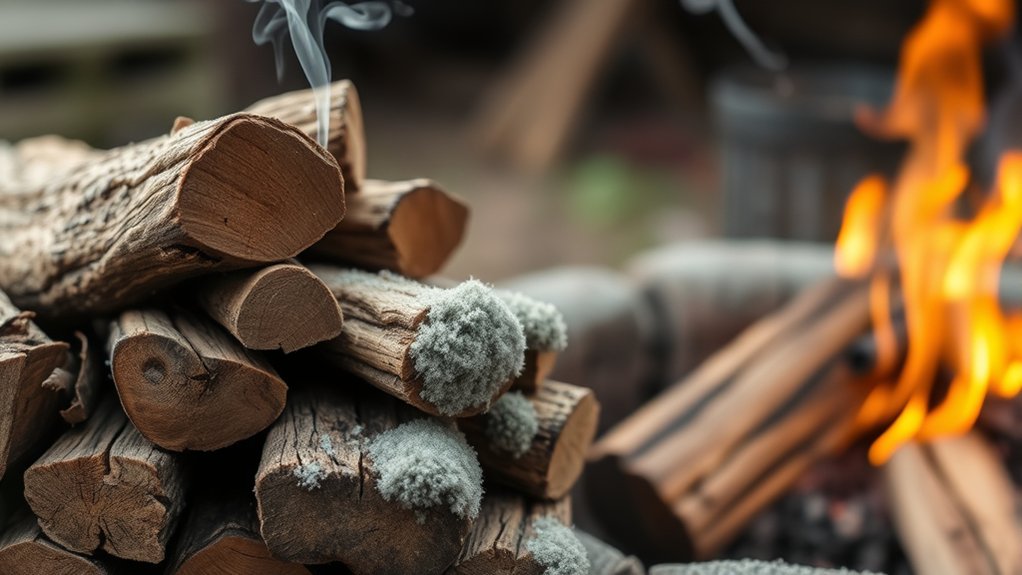
Although burning moldy wood might seem like a convenient way to dispose of it, you should be aware that doing so releases mold spores and allergens into the air. These can trigger respiratory issues such as asthma attacks and flu-like symptoms.
When you burn moldy wood, these spores disperse rapidly, posing heightened health risks, especially for sensitive individuals and pregnant women.
Moreover, moldy wood produces excessive smoke during combustion, which increases creosote buildup in chimneys. This buildup is a serious fire hazard.
If you decide to burn moldy wood, make sure you have proper ventilation and closely monitor for any signs of mold exposure, like coughing or wheezing.
Given these risks, it’s scientifically prudent to avoid burning moldy wood whenever possible. This helps protect both your respiratory health and home safety.
How Moldy Wood Affects Indoor Air Quality and Health
When you burn moldy wood indoors, it releases mold spores and allergens that considerably degrade air quality and pose serious health risks. These airborne contaminants aggravate respiratory systems and increase exposure to pollutants that irritate the eyes, nose, and throat.
You should know that mold spores can circulate extensively, affecting all household members, especially vulnerable groups like children and pregnant individuals.
Proper ventilation is essential to mitigate these hazards when burning any wood, but it’s especially important with moldy wood.
Proper ventilation is crucial to reduce health risks, especially when burning moldy wood indoors.
Key impacts include:
- Release of mold spores and allergens into indoor air
- Triggering respiratory irritations and potential asthma attacks
- Circulation of pollutants throughout living spaces
- Increased risk of infections due to compromised air quality
- Necessity for adequate ventilation to reduce exposure risks
Avoid burning moldy wood to maintain safe indoor air quality.
Symptoms From Exposure to Burning Moldy Firewood
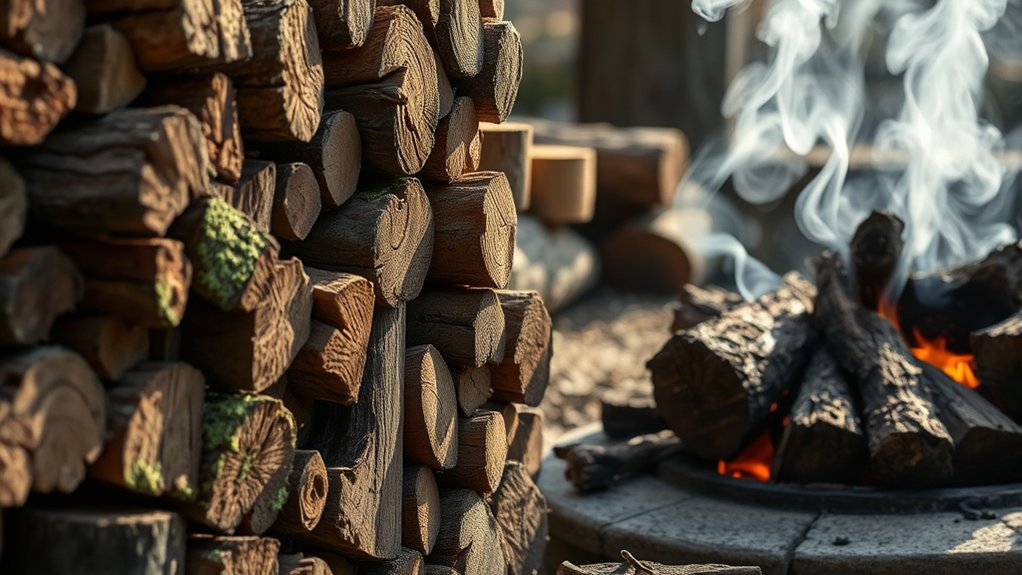
You might notice some respiratory irritation, like coughing or a scratchy throat, when you’re around smoke from burning moldy firewood.
Sometimes, people can have allergic reactions or even infections, especially if they’ve asthma or a weaker immune system.
Respiratory Irritation Signs
Since burning moldy firewood releases airborne mold spores, you may experience respiratory irritation even with brief exposure. These spores can provoke symptoms, especially if you have pre-existing respiratory conditions like asthma.
It’s critical to recognize early signs to prevent worsening health issues.
Watch for these respiratory irritation signs after burning moldy firewood:
- Nagging cough that doesn’t subside
- Throat irritation or scratchiness
- Shortness of breath or difficulty breathing
- Increased wheezing or chest tightness
- Persistent dryness or tickling sensation in the airways
If you notice these symptoms, limit exposure immediately and consult a healthcare professional, particularly if symptoms persist or escalate.
Pregnant individuals and vulnerable populations should exercise heightened caution due to increased sensitivity to poor air quality caused by mold spores.
Allergy And Infection Risks
Although burning moldy firewood may seem harmless, it releases mold spores and irritants that can trigger allergic reactions and respiratory infections, especially in sensitive individuals.
When you burn moldy wood, spores like Aspergillus enter the air, posing risks particularly for those with weakened immune systems. Exposure can cause symptoms such as persistent coughing, throat irritation, and respiratory distress.
Pregnant individuals may experience worsened effects. It’s essential to monitor for fever and worsening cough, which may signal a serious infection requiring medical intervention.
To protect your health, avoid burning moldy firewood whenever possible. If you experience symptoms after exposure, consult a healthcare professional promptly to reduce the risk of complications related to moldy wood smoke inhalation.
Safe Handling and Burning of Moldy Firewood
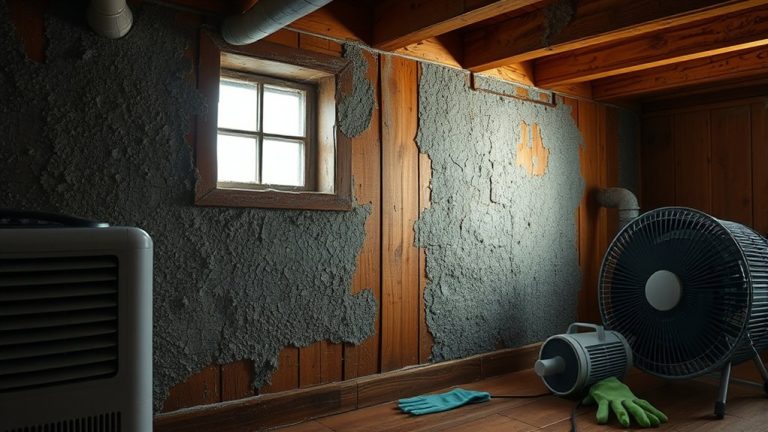
When handling moldy firewood, you should take precautions to minimize exposure to mold spores and allergens that can trigger respiratory issues. Safe handling means limiting direct contact and avoiding inhalation of airborne particles.
If you need to burn moldy wood, charring it first can help reduce mold presence, but you have to do it carefully. Follow these guidelines for safe handling and burning:
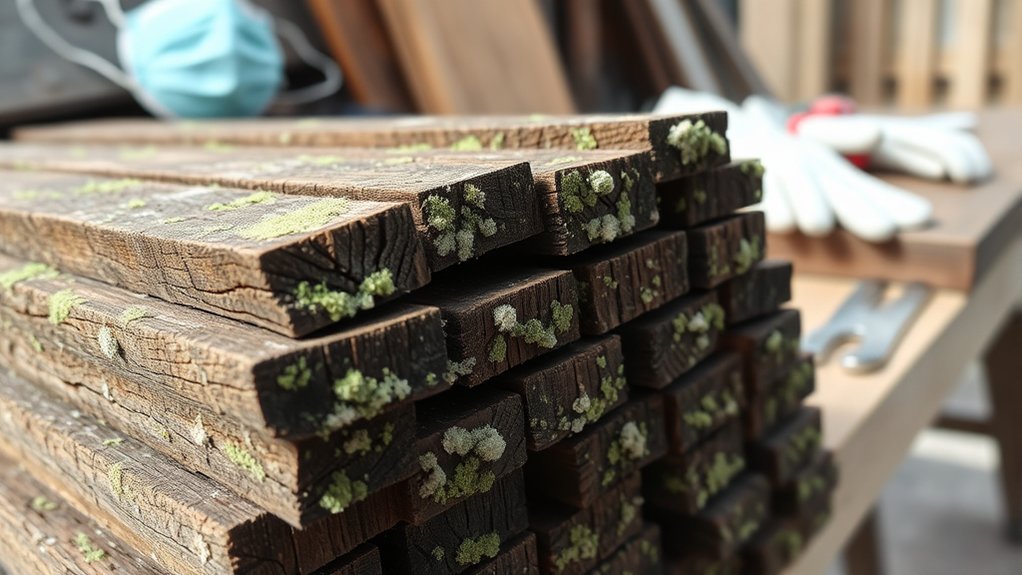
- Wear gloves and a mask to protect your skin and lungs.
- Use tools like tongs to handle logs, so you avoid bare hands.
- Burn small amounts of moldy wood in well-ventilated areas.
- Allow charred wood to cool completely before storage.
- Keep an eye on your wood regularly for moisture and visible mold.
Taking these steps will help keep you safe while dealing with moldy firewood.
Best Firewood Storage Practices to Prevent Mold
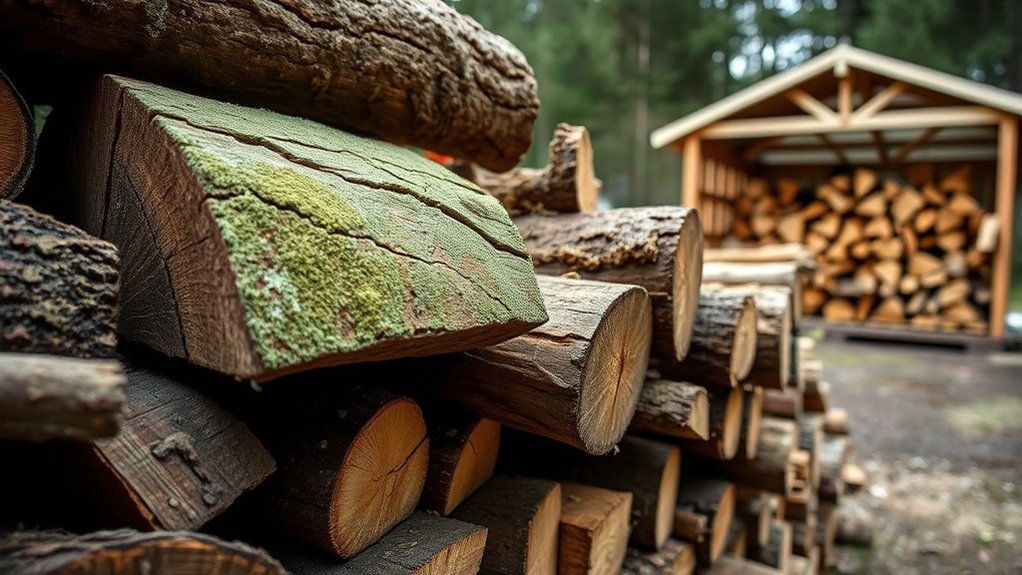
How can you prevent mold growth on your firewood before it becomes a problem? The best firewood storage practices focus on controlling moisture and ensuring adequate airflow.
Store firewood in a dry, well-ventilated area, ideally in a woodshed made from metal or treated wood.
Make sure the wood is raised off the ground to avoid direct contact with moisture and pests. Stack logs with space between them to promote air circulation. This helps the wood dry out and stops mold from taking hold.
Avoid overcrowding your firewood, because trapped moisture can speed up mold growth.
Take a few minutes regularly to check your firewood for any signs of mold or dampness. If you spot any issues, deal with them quickly to keep your wood in good shape.
Alternatives to Moldy Wood for Heating
Anyone seeking a safe and efficient heat source should avoid burning moldy wood because of the health risks and poor combustion it causes.
Instead, try these alternatives to moldy wood for heating. They’ll help you get cleaner, more effective warmth while cutting down on respiratory hazards.
Use dry firewood with moisture content below 20% for the best burn efficiency. Hardwoods like oak or maple are great choices because they generate more heat and burn longer.
You can also try compressed fire logs made from sawdust and wood shavings, which are usually mold-free.
Pellet stoves fueled by wood pellets are another option. They offer low moisture and minimal emissions.
If you want to be more eco-friendly, explore biomass options like agricultural residues or coconut shells as sustainable heating fuels.
These alternatives give you safer, environmentally responsible heating solutions without exposing you to the dangers of moldy wood.
It’s all about staying warm and healthy at the same time.
Harmful Mold Types to Watch for in Firewood
Certain harmful molds commonly found on firewood, such as Aspergillus and Cryptococcus, pose significant health risks when inhaled. Aspergillus can cause respiratory issues, especially if your immune system is compromised.
Harmful molds like Aspergillus and Cryptococcus on firewood can cause serious respiratory problems when inhaled.
Cryptococcus, though less common on firewood, may lead to severe infections in vulnerable individuals.
When you burn moldy wood, spores become airborne and can trigger asthma attacks or allergic reactions. Plus, mold presence means there’s moisture, which promotes further growth and releases toxic chemicals that degrade indoor air quality.
If you’re pregnant or sensitive to allergens, exposure to these molds can be particularly dangerous. To protect your health, avoid using firewood contaminated with these harmful molds.
Inhaling toxic chemicals and spores could lead to serious respiratory and systemic issues.
When You Should Avoid Burning Moldy Wood
Because burning moldy wood releases spores and toxic compounds into the air, you should avoid using it, especially if you have respiratory sensitivities or weakened immunity.
Moldy wood produces more smoke and pollutants than dry wood, which makes safety concerns even bigger.
You should never burn moldy wood when:
- You or others nearby have asthma, allergies, or compromised immune systems
- Wood shows visible mold growth, especially harmful types like Aspergillus
- Ventilation is inadequate to disperse smoke and airborne spores
- Pregnant women or vulnerable individuals are present
- You experience symptoms such as coughing, irritation, or headaches during burning
Avoiding the burn in these situations helps reduce health risks and keeps indoor air quality safer.
It’s best to prioritize caution to protect yourself and others from mold-related hazards.
Frequently Asked Questions
Can Burning Moldy Wood Damage My Fireplace or Chimney?
Yes, burning moldy wood can cause chimney damage.
Moldy wood produces excess smoke and creosote, which builds up faster in your chimney and increases fire risk. The incomplete combustion releases mold spores and particulates, contributing to soot accumulation that clogs flues.
This buildup can deteriorate your chimney’s structure over time.
To prevent chimney damage, avoid burning moldy wood. Also, make sure to schedule regular inspections and cleanings for safe operation. It’s better to be safe than sorry!
Does Burning Moldy Wood Affect Outdoor Air Quality?
Yes, burning moldy wood greatly affects outdoor air quality. When you burn it, you release airborne spores along with volatile organic compounds (VOCs) into the atmosphere.
These spores and pollutants increase particulate matter, worsening smog and air pollution. This can harm sensitive groups like children or the elderly by triggering respiratory issues.
How Long Does Mold Remain Active on Firewood Before Burning?
Like a ticking clock in nature’s cycle, mold remains active on firewood as long as moisture persists.
You should know the mold lifecycle typically allows growth within 24 to 48 hours under damp conditions. If the wood’s moisture content stays above 20%, mold can thrive, remaining active for weeks or even months.
To prevent this, dry and store your firewood properly.
Otherwise, you risk inhaling harmful airborne spores when burning.
Can Moldy Wood Be Treated to Remove Mold Before Burning?
You can attempt mold removal on moldy wood using methods like charring or chemical treatments, but these don’t guarantee complete elimination of spores or toxins.
Burning treated wood still risks releasing harmful pollutants into the air. For safety, it’s best to avoid burning heavily mold-infested wood.
Instead, focus on proper storage to prevent mold growth.
Remember, mold removal before burning doesn’t fully eliminate health hazards associated with inhalation.
Are There Specific Firewood Types More Prone to Mold Growth?
Think of softwoods like pine and fir as open invitations to mold. They’re more prone to growth because of their higher resin content and moisture retention.
You’ll find these types less mold resistant compared to hardwoods.
Green, wet, and rotten wood also create perfect breeding grounds for mold.
To stay safe, choose well-seasoned, dry hardwoods that have better mold resistance. Avoid wood that’s damp or decomposing to minimize health risks when burning.
Conclusion
Imagine the sharp, acrid smoke curling from your fire, carrying hidden mold spores into the air you breathe. Burning moldy wood isn’t just smoky. It’s a health hazard that can trigger respiratory issues and worsen indoor air quality.
To protect yourself, handle moldy firewood cautiously and prioritize well-stored, dry wood. When in doubt, avoid burning moldy wood altogether. Your lungs and home deserve clean, safe warmth.
Stay informed, stay safe.