Can Wood Mold: Causes And How To Stop It
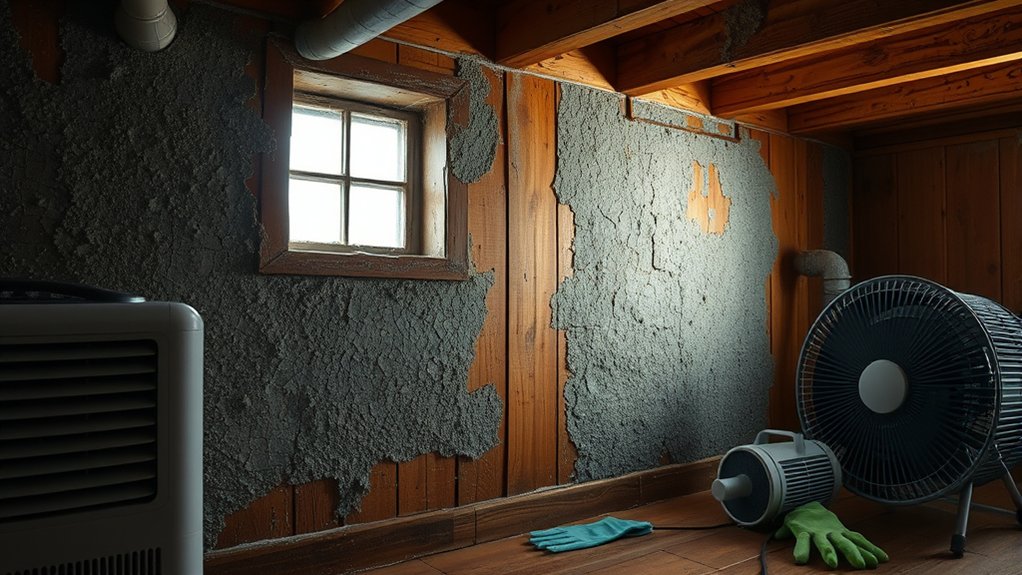
Yes, wood can mold when moisture, humidity above 60%, poor ventilation, and organic matter combine to create ideal fungal conditions. Mold thrives on damp, porous surfaces, causing discoloration, odors, and structural damage.
To stop mold, control indoor humidity, improve airflow, fix leaks, and apply sealants to block moisture. Regular cleaning and prompt drying of wet wood are essential.
Understanding these factors helps you protect wood effectively and explore advanced prevention and removal strategies. It’s all about keeping things dry and well-ventilated to keep mold at bay.
Key Takeaways
- Mold grows on wood due to moisture, organic material, and poor ventilation creating a conducive environment.
- High humidity above 60% and water damage promote mold growth on wood surfaces.
- Prevent mold by maintaining indoor humidity below 60%, ensuring good air circulation, and applying protective sealants.
- Regular cleaning and prompt drying of wet wood within 24-48 hours reduce mold risk.
- Remove small mold patches with vinegar or borax solutions, but seek professional help for extensive or persistent mold.
Causes of Mold Growth on Wood?
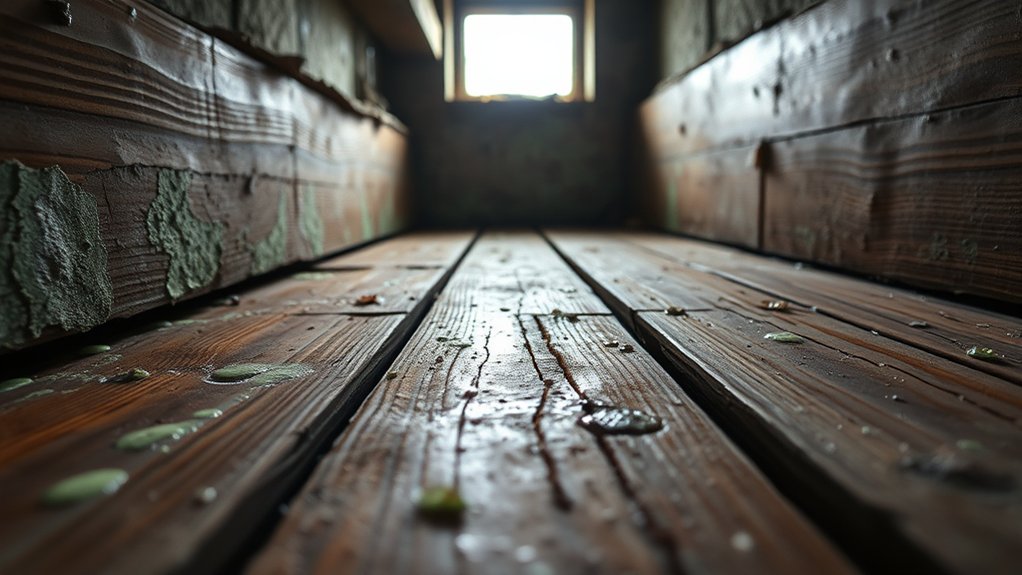
Although mold spores are always present in the air, they only grow on wood when moisture, organic material, and air combine to create suitable conditions.
You’ll notice mold growth primarily when wood surfaces retain moisture from water damage such as leaks or flooding. High humidity levels, especially above 60%, further promote mold development by maintaining dampness.
Poor ventilation makes this worse by reducing air circulation, which otherwise helps dry wood surfaces.
Organic material like dust or wood’s natural sugars serves as a nutrient source, enabling mold spores to colonize effectively. Newly harvested wood, with its higher sugar content, is particularly vulnerable compared to treated or seasoned wood.
Understanding these causes helps you identify and mitigate the risk factors that foster mold growth on wood.
How Moisture and Humidity Cause Mold on Wood
When humidity levels rise above 60%, moisture starts to build up on wood surfaces. This creates the perfect environment for mold spores to grow. Since wood is porous, it soaks up moisture from the air, which makes it more likely to develop mold if it’s not sealed properly.
You’ll often see condensation form when warm, humid air touches cooler wood surfaces. This moisture buildup encourages mold growth. So, it’s really important to keep moisture and humidity under control.
To prevent mold, focus on maintaining good air circulation to keep humid air from getting trapped. Fix leaks as soon as you notice them to stop water from getting in.
Also, make sure to dry any wet wood surfaces within 24 to 48 hours.
Using sealants can help too, because they reduce how much moisture wood absorbs. Taking these steps can make a big difference in keeping your wood mold-free.
Common Signs of Mold on Wood Surfaces
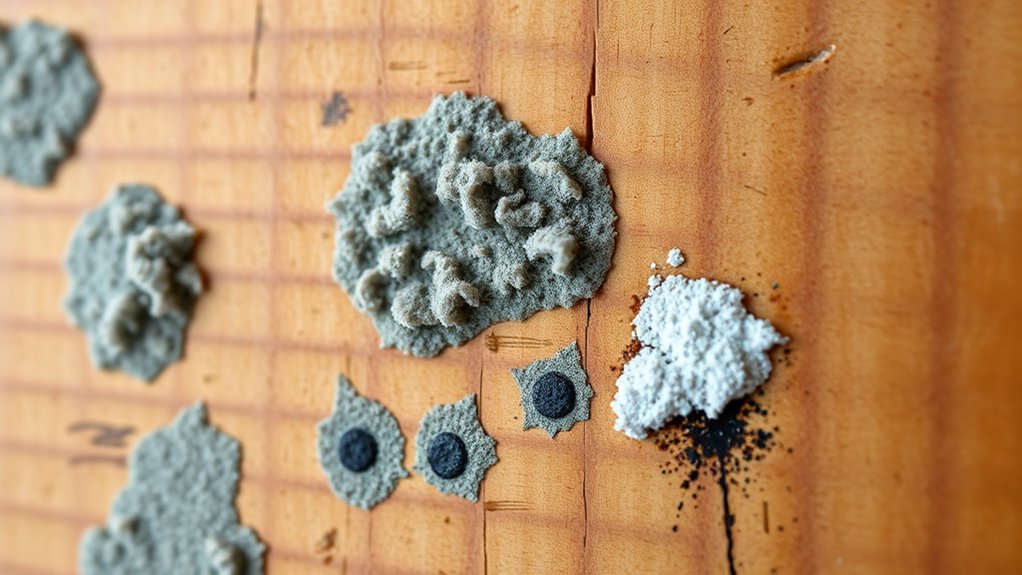
If you notice discoloration on wood surfaces, such as black, green, or white spots, it often signals mold growth fueled by moisture.
Another common sign is a musty odor because mold releases volatile organic compounds in humid environments. You might also find the wood feels damp or sticky, which indicates retained humidity that promotes mold proliferation.
Peeling or bubbling finishes can suggest mold is growing beneath the surface, weakening the wood’s integrity.
Furthermore, if the wood feels soft or spongy, it likely shows advanced mold decay that needs immediate removal or repair. Recognizing these signs early lets you take action with effective cleaning and mold removal strategies before any structural damage occurs.
It’s a good idea to monitor wood surfaces regularly. Doing so helps control humidity levels and keeps mold from spreading further.
Staying on top of these signs can save you a lot of trouble down the road.
How to Prevent Mold on Wood Furniture
You can prevent mold on wood furniture by keeping indoor humidity levels in check—ideally below 60%.
Using dehumidifiers or air conditioners can really help with that.
Also, it’s a good idea to allow for better air circulation by positioning your furniture a little away from the walls. This helps reduce moisture buildup.
On top of that, applying protective sealants creates a moisture barrier, which stops mold from growing in the first place.
Control Indoor Humidity
Since excessive indoor humidity creates a favorable environment for mold growth on wood furniture, keeping humidity levels below 60% is essential.
Controlling indoor humidity is a critical step in preventing mold growth. You can achieve this by employing dehumidifiers in moisture-prone spaces and ensuring proper ventilation.
Regular cleaning also helps minimize moisture retention, reducing mold risk. Moreover, selecting mold-resistant wood can provide long-term protection.
To control indoor humidity effectively:
- Use dehumidifiers in basements and bathrooms to maintain ideal moisture levels.
- Arrange furniture to promote proper ventilation and avoid moisture buildup.
- Perform regular cleaning with a dry or slightly damp cloth to remove potential mold substrates.
- Choose mold-resistant wood, like teak, for enhanced durability and mold prevention.
Implementing these measures will greatly reduce mold risks on your wood furniture.
Taking these simple steps can make a big difference in keeping your furniture safe and looking great.
Enhance Air Circulation
Controlling indoor humidity greatly reduces mold growth, but enhancing air circulation further limits moisture accumulation on wood furniture.
To prevent mold growth, arrange furniture a few inches from walls, allowing air to circulate freely and reduce trapped moisture.
You can also use fans and open windows to boost ventilation and lower humidity levels around wood surfaces.
Regular cleaning helps prevent dust buildup that retains moisture.
Plus, air purifiers with HEPA filters remove airborne mold spores, improving air quality.
Use Protective Sealants
When applied correctly, protective sealants form a durable barrier that prevents moisture from penetrating wood surfaces. This greatly reduces the risk of mold growth.
You want to pick mold-resistant sealants that have antimicrobial properties to stop mold spores effectively.
Make sure to apply these sealants when the wood and the surrounding area are dry. Moisture during application can mess up their protective function.
And don’t forget, regular maintenance like resealing every few years is important to keep that defense strong.
Here’s a quick checklist for you:
- Choose sealants with proven mold-resistant and antimicrobial features.
- Apply only when conditions are dry.
- Perform regular maintenance to keep moisture out.
- Inspect wood surfaces often for early signs of mold.
Using protective sealants like this will help keep your wood furniture safe from mold and moisture damage. It’s a simple step that makes a big difference!
DIY Methods to Remove Mold From Wood
Tackle small mold patches on wood by scrubbing the surface with a soft brush dipped in a mixture of dishwashing soap and warm water.
For more persistent mold, use distilled white vinegar diluted equally with water. Mist the area, wait an hour, then wipe with a soft cloth or sponge.
For stubborn mold, spray diluted white vinegar, let sit an hour, then gently wipe clean.
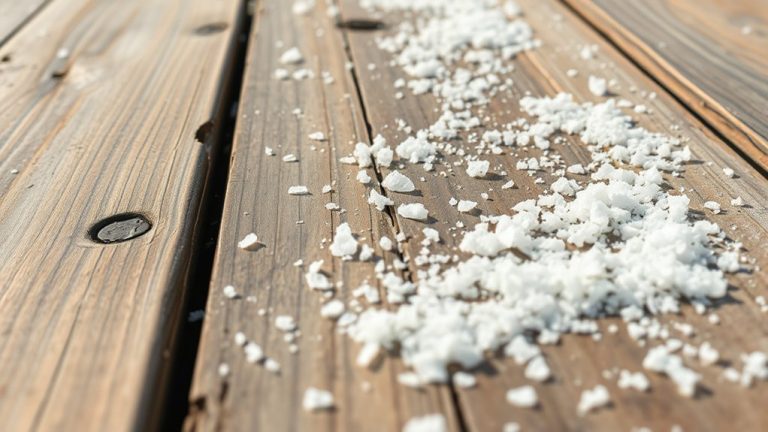
Borax mixed with water is another effective cleaning solution. Apply it and let it sit to maximize mold removal.
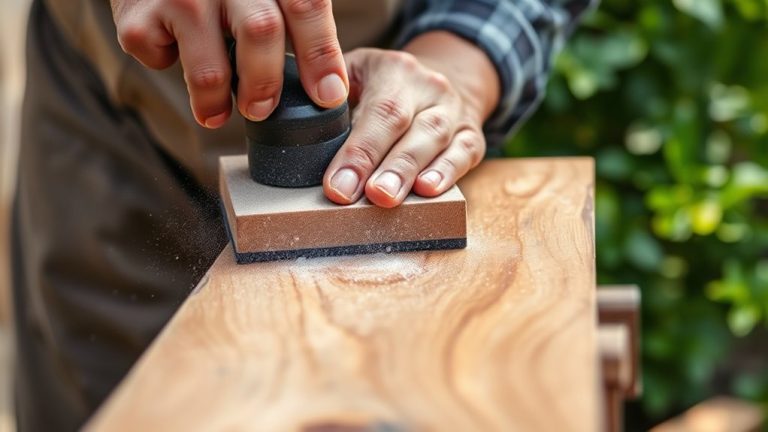
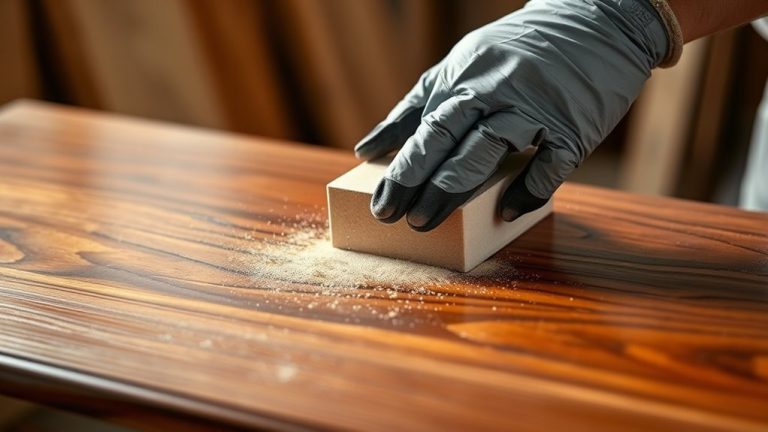
After cleaning, sanding with 100-grit sandpaper can help eliminate residual spores, but make sure to vacuum thoroughly afterward to avoid spreading mold.
Always dry the wood completely to prevent future mold, especially in areas with high humidity.
These DIY methods provide effective mold remediation if done carefully and promptly.
How to Choose the Best Mold Cleaner for Wood Surfaces
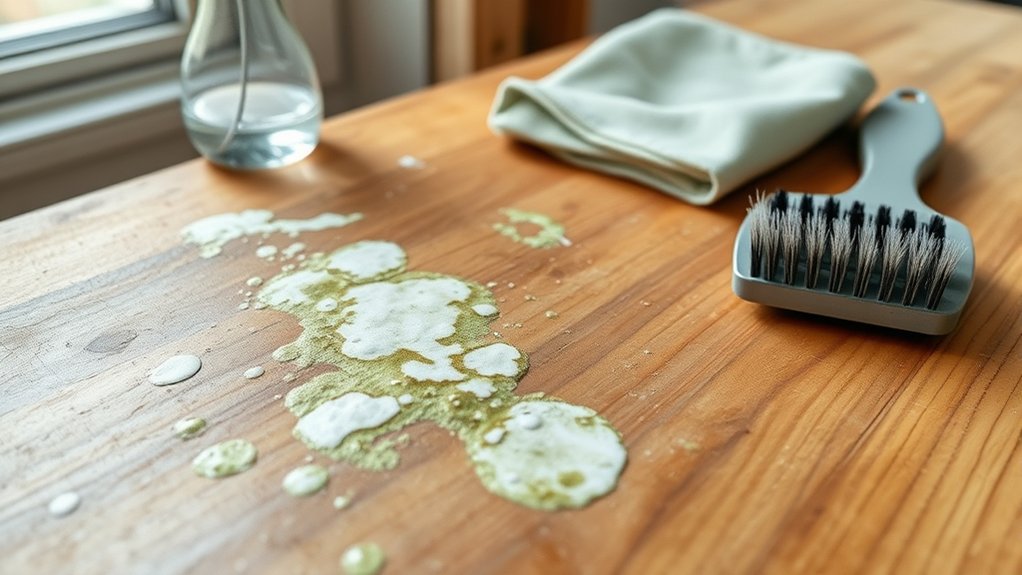
When you’re picking out a mold cleaner for wood, it’s a good idea to go with EPA-registered products. These are proven to get rid of mold spores without messing up or discoloring your wood surfaces.
Look for cleaners that are specially made to soak deep into the wood. That way, they don’t just clean the surface but also help protect against mold coming back later.
And remember, always choose gentle cleaners that are safe for wood.
Be sure to follow the instructions on the label carefully—this will help you get rid of mold effectively and keep your wood looking great.
Effective Mold Cleaner Qualities
Although selecting a mold cleaner for wood might seem straightforward, you need to prioritize products that effectively eliminate mold spores without damaging or discoloring the wood.
The ideal cleaner must penetrate deeply to remove mold at its source, preventing fungal growth and future mold development on furniture surfaces. Plus, it should form a protective barrier to shield wood from moisture and contaminants that trigger mold growth.
When choosing an effective mold cleaner, consider the following qualities:
- Proven ability to kill mold spores and prevent fungal growth
- Deep penetration into wood to remove mold thoroughly
- Creation of a protective barrier on wood surfaces
- Safety for indoor use without discoloring or damaging furniture surfaces
These factors guarantee long-lasting mold control and maintain wood integrity.
Safe Wood Cleaning Options
Since mold can compromise both wood integrity and indoor air quality, selecting a safe and effective cleaner is essential for maintaining your wood surfaces. For eliminating mold, choose EPA-registered products like BactroKill Antimicrobial Spray, which target mold on wood without damaging its structure.
A vinegar-water solution (equal parts) offers a natural, efficient alternative. Just mist the affected surface with mold, let it sit for an hour, then wipe clean.
For stubborn mold stains, apply a borax-water mixture and allow it to penetrate before cleaning.
Always conduct a spot test on a hidden area to prevent discoloration or damage.
While household cleaners work fine for small mold areas, larger infestations need professional remediation.
Consistent mold prevention starts with proper cleaning and moisture control to protect your wood surfaces effectively.
When Should You Call a Pro for Mold Removal?
How do you determine if a mold problem warrants professional intervention? If mold growth covers more than 10 square feet or persists despite your efforts to follow the instructions for cleaning, consider hiring a pro.
Mold often hides where wood or materials absorb moisture, such as behind walls or under carpets. Plumbing leaks can make this worse.
Ignoring these signs risks potential health issues, especially for those with respiratory conditions.
Call a professional when:
- Mold covers a large area exceeding 10 square feet
- You notice persistent mold despite cleaning
- You suspect hidden mold due to moisture or leaks
- You or household members have health vulnerabilities
Professionals use specialized equipment and advanced techniques to guarantee thorough, safe mold removal and prevent it from coming back.
Maintaining Mold-Free Wood Over Time
After addressing significant mold issues with professional help, maintaining mold-free wood requires ongoing attention to environmental conditions. You should regularly monitor humidity levels, keeping them below 60% to minimize mold growth.
Guarantee proper ventilation in moisture-prone areas like kitchens and bathrooms to prevent stagnant air that encourages mold development.
Ensure good airflow in kitchens and bathrooms to stop stagnant air and mold growth.
Using dehumidifiers in consistently humid environments further controls moisture and protects wood surfaces. Apply mold prevention sprays or sealants to wooden surfaces to form a moisture absorption barrier.
Conduct routine inspections to detect leaks or water damage early, addressing any problems promptly.
By consistently managing these factors—humidity levels, ventilation, dehumidifiers, mold prevention, and routine inspections—you’ll effectively preserve wood integrity and prevent mold recurrence over time.
It’s all about staying on top of things regularly to keep your wood looking and feeling great.
Frequently Asked Questions
Can Wood Mold Affect Indoor Air Quality?
Yes, wood mold considerably affects indoor air quality by releasing indoor pollutants that can trigger allergy symptoms like sneezing and coughing.
You should use effective cleaning methods to remove mold and implement mold prevention strategies, including humidity control to keep moisture below 60%.
Proper maintenance of ventilation systems also reduces airborne spores.
By controlling humidity and ensuring good airflow, you can minimize mold growth and improve the overall air you breathe indoors.
Taking these steps really makes a difference in keeping your home healthy and comfortable.
Is Mold on Treated Wood Less Harmful Than on Untreated Wood?
Think of mold on wood as a silent invader. Whether it’s on treated wood or untreated wood, the health risks show that neither is harmless.
Mold treatment methods help reduce the conditions that allow mold to grow on treated wood, but environmental factors like moisture can still enable mold to develop.
You shouldn’t assume mold on treated wood is less harmful.
Prevention techniques that focus on controlling humidity and moisture are really the key. Both types of wood require vigilance to protect indoor air quality and health effectively.
How Long Does It Take for Mold to Develop on Wood?
Mold growth on wood usually begins within 24 to 48 hours once the wood’s moisture level goes above 20%.
Temperatures between 70°F and 90°F can speed up this process. So, keeping things dry is key to stopping mold before it starts.
You’ll want to make sure there’s proper ventilation to help reduce humidity and prevent mold from taking hold.
Controlling moisture and using treated wood are great ways to keep mold at bay.
If you do spot mold, cleaning it right away is important.
Try scrubbing with detergent and using fungicidal solutions to stop mold from spreading and causing damage. Acting quickly really makes a difference.
Does Mold on Wood Cause Structural Damage?
Yes, mold on wood causes structural damage by weakening fibers and compromising integrity.
To prevent this, focus on mold growth prevention through effective wood moisture management. Employ mold removal techniques promptly and conduct regular structural integrity assessments.
Using appropriate wood treatment options can inhibit mold and decay. Ignoring mold leads to long term effects like rot and significant strength loss. This increases repair costs and safety risks.
Can Mold on Wood Be Detected Through Smell Alone?
You can’t judge a book by its cover or rely on smell alone for mold detection methods.
Wood odor characteristics might hint at mold growth indicators, especially in damp, enclosed spaces.
However, environmental factors like humidity affect odor strength, making smell an unreliable sole indicator.
For accurate detection, combine odor clues with visual inspection and moisture measurements.
Considering health implications, it’s best to use thorough prevention strategies to address mold effectively.
Don’t just trust your nose—take a few extra steps to be sure.
Conclusion
You’ve seen that mold on wood thrives in damp, humid conditions and can be spotted early if you know what to look for. By tackling moisture issues and using the right cleaners, you can nip mold problems in the bud before they spread.
Remember, prevention is your best defense. But when in doubt, don’t hesitate to call in a pro. Keeping wood mold-free takes vigilance. After all, an ounce of prevention is worth a pound of cure.