Can Composite Wood Be Painted: Tips And Methods
You can paint composite wood, but it depends on the type. Uncapped decks handle paint well, while capped ones usually shouldn’t be painted to avoid warranty issues.
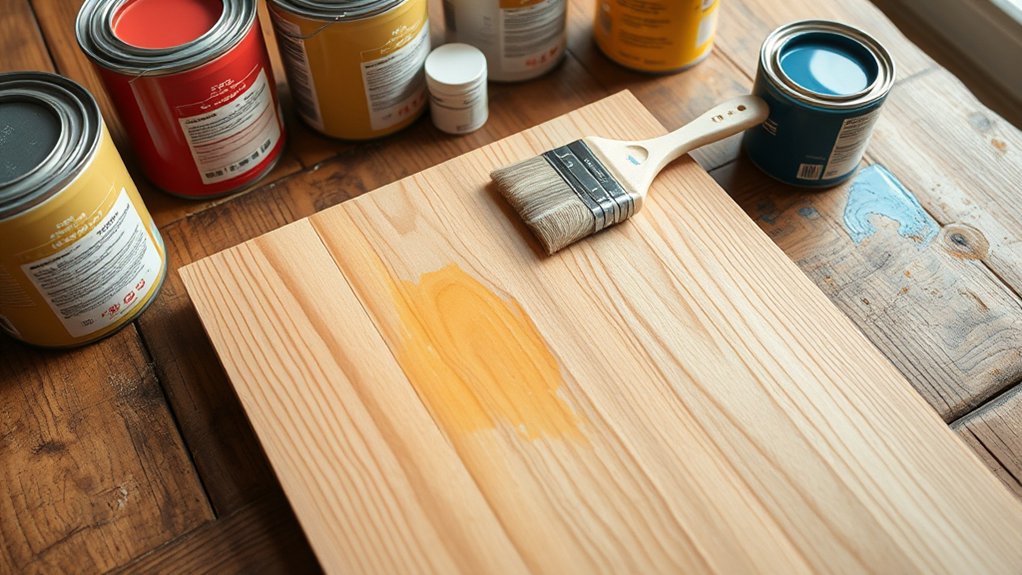
Start by thoroughly cleaning and drying the surface. Then use a primer made for composite materials, followed by a high-quality, exterior water-based acrylic paint.
Apply thin coats in mild weather, and seal only after the paint cures completely. Get ready to explore essential prep, application tips, and maintenance advice that guarantee lasting results.
Should You Paint Composite Decking?
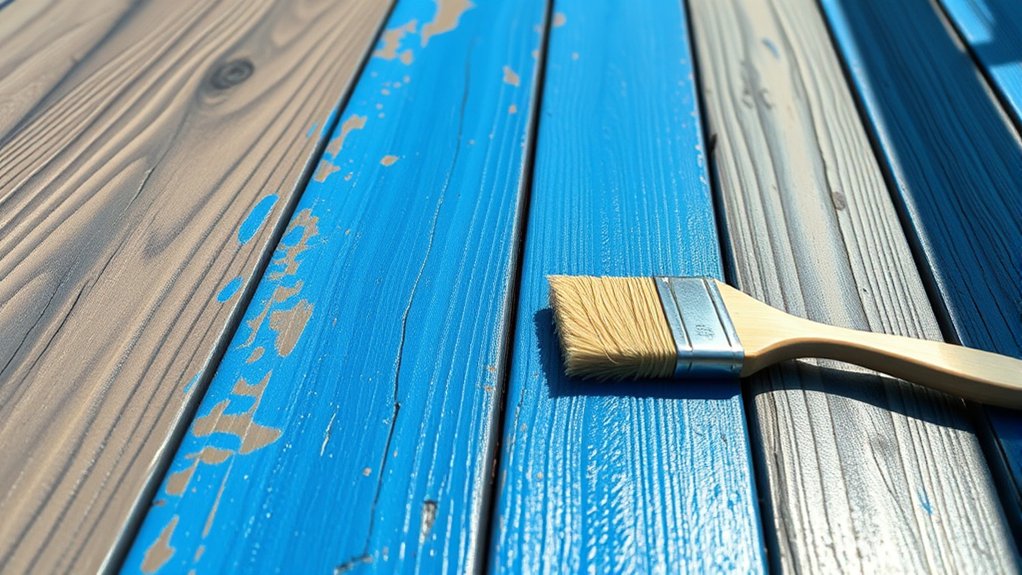
Wondering if you should paint your composite decking? You can paint older, uncapped composite boards, but avoid painting modern capped composites. Doing so might void warranties and cause maintenance headaches.
Before painting composite, make sure to clean the surface thoroughly and repair any damage. This helps the paint stick properly.
Clean and repair composite surfaces first to ensure paint adheres well and lasts longer.
Use high-quality, exterior-grade, water-based acrylic paints or stains designed specifically for composite materials. These work best to stain composite decking effectively.
Keep in mind that painting composite can make the surface slippery and prone to peeling, especially in humid or hot environments.
Also, be prepared for ongoing upkeep. Paint finishes may wear out and need repainting every few years.
Which Composite Decks Can You Paint?
Which composite decks can you safely paint without risking damage or voiding warranties? Generally, older uncapped composite decking boards are suitable for painting or staining.
Modern capped composites, however, come with a polymer cap that resists paint. They typically should remain unpainted to preserve warranties and low-maintenance benefits.
| Deck Type | Painting or Staining Allowed? | Manufacturer’s Recommendations |
|---|---|---|
| Uncapped Composite | Yes | Usually permitted with proper prep |
| Capped Composite | No | Generally advised against to avoid void |
| Modern Composite | No | Follow specific product guidelines |
Always follow the manufacturer’s recommendations. Prepare the surface thoroughly before painting or staining for the best results.
How to Know When Your Composite Deck Needs Painting
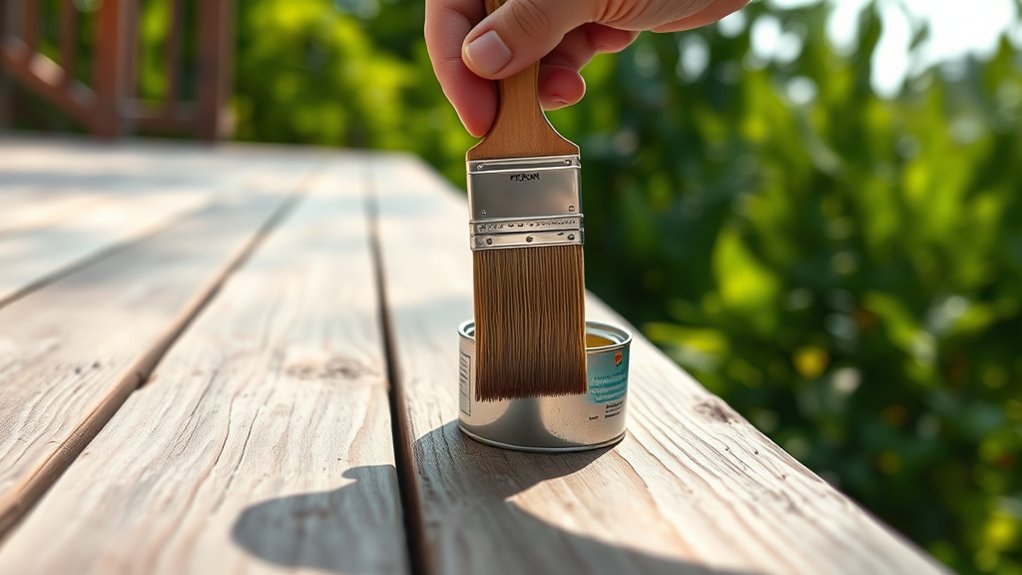
You’ll want to keep an eye on your composite deck for any visible surface wear and signs of color fading, especially in those high-traffic spots.
Take a close look at the boards to check for any structural issues like cracking or swelling that might impact durability.
If you notice these problems and cleaning doesn’t bring your deck back to life, then it’s probably time to think about painting.
Visible Surface Wear
When your composite deck starts showing visible surface wear like fading, discoloration, or stains, it’s a clear sign that it may need painting or staining. You should inspect for chipping or peeling paint on previously treated areas, as these indicate it’s time to paint composite surfaces again to maintain protection and curb appeal.
Check for damage such as swelling, cracking, or splitting. These signs mean that painting can help prevent further deterioration. High-traffic spots with scuff marks or worn patches especially benefit from a fresh coat. This not only enhances durability but also restores a clean, attractive finish.
Regularly evaluating visible surface wear guarantees you address issues promptly. This keeps your composite deck both functional and visually appealing with a durable and attractive finish.
Color Fading Signs
Alongside visible surface wear, color fading is a key indicator that your composite deck needs attention. UV exposure often causes fading within 2-3 years. This signals it’s time for repainting or applying a protective coat.
Watch for uneven color or dullness, especially in high-traffic zones. These signs mean your deck’s appearance and protection are compromised.
| Sign | What It Means |
|---|---|
| Uneven color fading | Surface needs repainting soon |
| Dullness in color | Protective coat is wearing off |
| Stains/discoloration | Time to refresh with stain or paint |
Regularly inspecting your deck for color fading helps you maintain its vibrant look. It also extends its lifespan with timely repainting.
Structural Board Condition
Although composite decking is designed for durability, signs of structural wear like swelling, cracking, or splitting indicate it needs your attention and possibly a fresh coat of paint.
To assess your deck’s structural board condition, inspect the composite materials closely for any damage or persistent discoloration that doesn’t go away when you clean your deck.
High-traffic areas often show wear and fading first, signaling it’s time to refresh the surface.
Before painting, make sure the deck is thoroughly clean and dry. Moisture can cause paint to peel prematurely.
Also, consult the manufacturer’s guidelines, as some modern composite boards may lose warranty coverage if painted.
Monitoring these signs helps you maintain both the appearance and integrity of your composite deck.
Preparing Composite Decking: Cleaning and Inspection
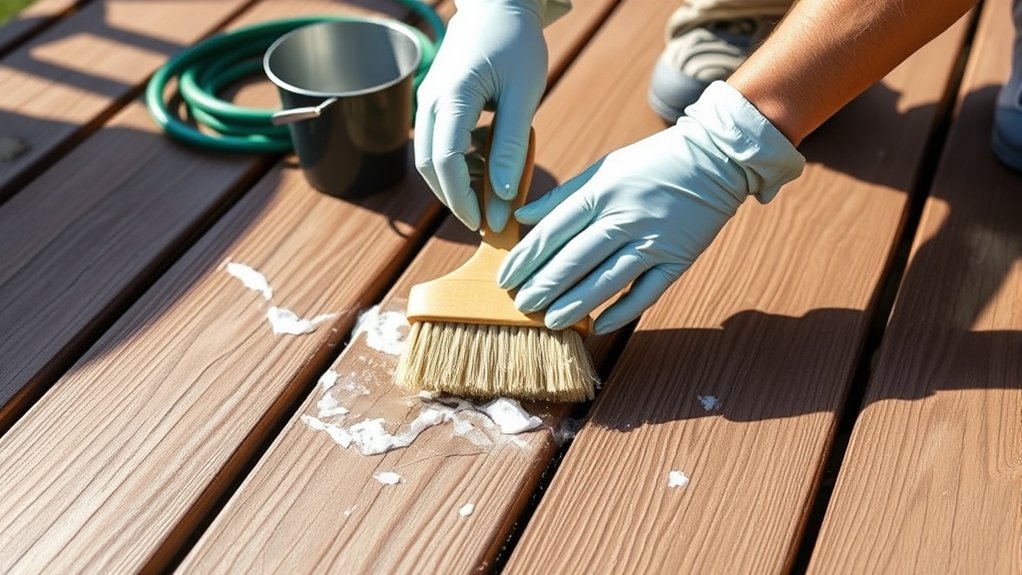
A clean, well-inspected composite deck sets the foundation for a successful paint job.
Start by removing all furniture and decor so you can access every surface. Use a soft-bristle brush and mild detergent to clean dirt and debris thoroughly.
Don’t forget to use a crevice cleaning tool to clear debris between the boards.
Once cleaned, inspect the decking carefully for any swelling, cracking, or splitting. It’s important to address any damage before painting because that guarantees durability.
After cleaning and inspection, let the deck dry completely. Moisture can prevent paint from sticking properly, so be patient.
Finally, check your composite decking manufacturer’s guidelines for any specific cleaning or preparation instructions. This will help protect your warranty.
Following these steps will prepare your deck perfectly for painting.
Choosing Primer and Paint for Composite Decking
Since composite decking has a unique surface, choosing the right primer and paint is essential to ensure proper adhesion and long-lasting results. You need to select products designed specifically for composite materials to avoid peeling and guarantee durability.
Choosing the right primer and paint ensures strong adhesion and lasting durability on composite decking surfaces.
When picking your primer and paint, consider these key points:
- Use a primer formulated for composite decking to improve paint bonding, especially on uncapped or previously treated surfaces.
- Opt for high-quality, exterior-grade, water-based acrylic paints to withstand weather conditions.
- Choose paints with UV protection to prevent fading and damage from sun exposure.
- Always follow the manufacturer’s guidelines for compatible primer and paint to maintain your warranty and achieve the best finish.
Picking the right primer and paint will help your composite decking look great for longer. It’s definitely worth taking the time to choose carefully!
How to Paint Composite Decking: Step-by-Step Guide
Prepare your composite decking carefully before painting to guarantee the best results. First, confirm your decking is uncapped and structurally sound because modern capped composites shouldn’t be painted. Clean the surface thoroughly with a mild detergent and let it dry completely.
Next, lightly sand the decking to enhance paint adhesion. Apply a primer designed for outdoor use to assure durability. Use the best paint for composite surfaces. High-quality, composite-specific paint works best.
Apply multiple thin coats, allowing each to dry fully before the next. This method helps you paint your composite evenly and prevents peeling.
While staining composite decking is an option, painting offers a fresh, customizable finish.
After painting, inspect regularly for any chipping or peeling to maintain the deck’s appearance and prolong the paint’s life. It’s a good idea to keep an eye on your deck so you can touch up any spots as needed. This way, your deck will look great for years to come.
How to Seal Painted Composite Decking
To protect your painted composite decking, you’ll want to pick a good-quality, water-based sealer that’s designed specifically for composite materials.
It’s important that the paint is fully cured first—usually that takes about a week.
Once the paint is ready, apply the sealer using a clean brush or roller.
This helps avoid streaks and gives you a nice, even finish.
Timing and how you apply the sealer really make a difference when it comes to keeping your deck’s finish looking great for a long time.
Choosing The Right Sealer
Although sealing painted composite decking might seem straightforward, choosing the right sealer is crucial for long-lasting protection. You want to pick a high-quality, water-based sealer designed specifically for composite materials to guarantee durability and compatibility.
Here are four key points to take into account:
- Confirm the paint is fully cured, usually at least 30 days, before sealing to prevent moisture issues.
- Use a sealer with UV protection to maintain the painted composite’s color and prevent fading.
- Select a product that forms a strong barrier against moisture, dirt, and foot traffic.
- Commit to regular maintenance by resealing every couple of years to preserve your deck’s finish.
Following these guidelines will keep your painted composite decking looking great and protected for years.
Just stay on top of it, and your deck will thank you!
Application Tips And Timing
Once your paint has fully dried, usually after 24 to 48 hours, you can start sealing your composite decking.
To get the best results, let the deck rest in mild weather. Avoid sealing in direct sunlight or extreme temperatures because that can mess with proper curing.
Use a high-quality, water-based sealer made specifically for composite materials.
When applying, use thin, even coats with a brush or roller. Make sure you cover everything without overloading the surface.
This will protect the paint or stain on your composite decking and make it last longer.
Don’t forget to check your sealed deck regularly and reapply the sealer every 2 to 3 years to keep that protective barrier strong.
Timing and careful application really help your composite decking look great for longer.
Common Painting Mistakes and Maintenance Tips for Composite Decking
Steering clear of common painting mistakes can save you time and frustration when working with composite decking. Proper maintenance and painting guarantee your deck stays durable and attractive. Here are four essential tips to keep in mind:
First, paint only in moderate temperatures (50°F to 85°F). This helps make sure the paint sticks well and dries properly.
Next, use paint made specifically for composite surfaces because regular wood paint won’t hold up over time.
Choose paint designed for composite surfaces to ensure lasting durability and avoid premature wear.
Also, prepare the surface thoroughly by cleaning and lightly sanding it. This step helps prevent peeling later on.
Finally, inspect your deck regularly and plan to repaint every few years to keep it protected and looking great.
Always follow the manufacturer’s guidelines to avoid any warranty issues and get the best results.
With careful painting and ongoing maintenance, your composite decking will look fantastic for years to come.
Frequently Asked Questions
Can Painting Composite Wood Affect Its Warranty?
Yes, painting composite wood can affect your warranty. Many manufacturers include warranty limitations specifically related to unauthorized painting.
To avoid voiding your coverage, you need to follow approved painting techniques and perform proper surface preparation as outlined by the manufacturer.
Ignoring these guidelines risks peeling, damage, and denied claims.
Always check your warranty terms before painting. That way, you protect your investment while achieving the desired finish safely and effectively.
How Long Does Painted Composite Decking Typically Last?
Painted composite decking typically lasts between 2 to 5 years before needing touch-ups. Your paint longevity depends heavily on composite durability, quality paint, and surface prep.
To extend this, follow maintenance tips like regular cleaning and inspections.
Applying a sealer after painting also boosts durability and protects the finish. Keep in mind, capped composite boards don’t hold paint well, so choose your decking type wisely to guarantee lasting results.
It really makes a difference in how long your paint job will last.
Are There Eco-Friendly Paint Options for Composite Wood?
Yes, you can find eco-friendly paint options for composite wood that use sustainable materials, reducing environmental impact.
These paints often feature low-VOC, water-based formulas that improve air quality and safety. They also provide excellent paint durability, protecting your composite surfaces from UV damage and fading.
Brands like Benjamin Moore offer specially formulated eco paints designed for outdoor use.
This way, your project stays green and long-lasting without compromising performance. It’s great to have options that are both safe and effective!
Can You Paint Composite Wood Indoors as Well?
Yes, you can paint composite wood indoors, but indoor conditions demand careful attention.
Unlike outdoor projects, indoor painting requires proper surface preparation. Clean and lightly sand the wood to boost paint adhesion.
You’ll want to choose low-VOC or water-based paints to keep the air safe.
Also, maintain good ventilation to help the paint dry well and reduce fumes.
Following these steps guarantees a durable, smooth finish in your indoor space.
What Tools Are Best for Painting Composite Decking?
To get the best results painting composite decking, use a high-quality brush for detailed areas and a roller for larger sections. This way, you balance precision and efficiency.
Make sure to focus on surface preparation, like scraping off peeling paint. Doing this helps the new paint stick better and last longer.
Synthetic brushes work great with water-based paints, and a short-nap roller helps create smooth finishes.
These tools make it easier to apply paint evenly and give your decking a professional, long-lasting look.
Conclusion
You can definitely refresh your composite decking with paint, but only certain types respond well. Did you know that properly painted composite decks can last up to 10 years before needing a touch-up?
By thoroughly cleaning, priming, and sealing, you’ll protect your investment and keep it looking great. Avoid common mistakes by following each step carefully, and your deck will stay vibrant and durable season after season.
Painting composite wood is worth the effort.