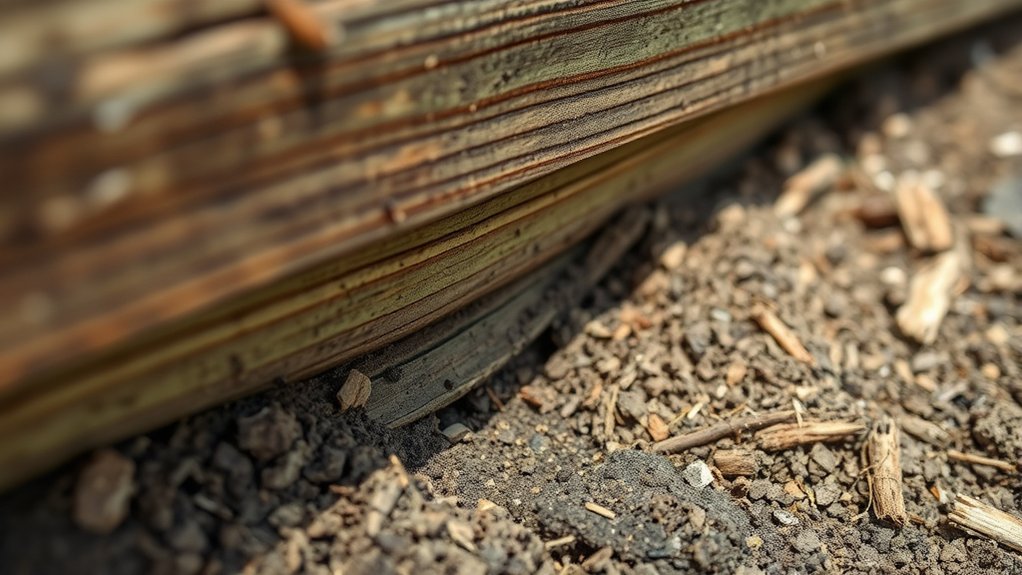
Can Termites Eat Pressure Treated Wood: Facts And Prevention Tips
You should know that while pressure-treated wood resists termites thanks to infused chemicals like ACQ, it isn’t completely termite-proof. Termites can still damage it, especially where the wood touches soil or when moisture builds up.
Check vulnerable spots like cut ends regularly for signs such as mud tubes or hollow sounds. Maintain clearance from soil and use sealants to help protect your wood.
To learn effective prevention tips and alternatives, keep exploring this topic further.
How Pressure Treated Wood Resists Termites
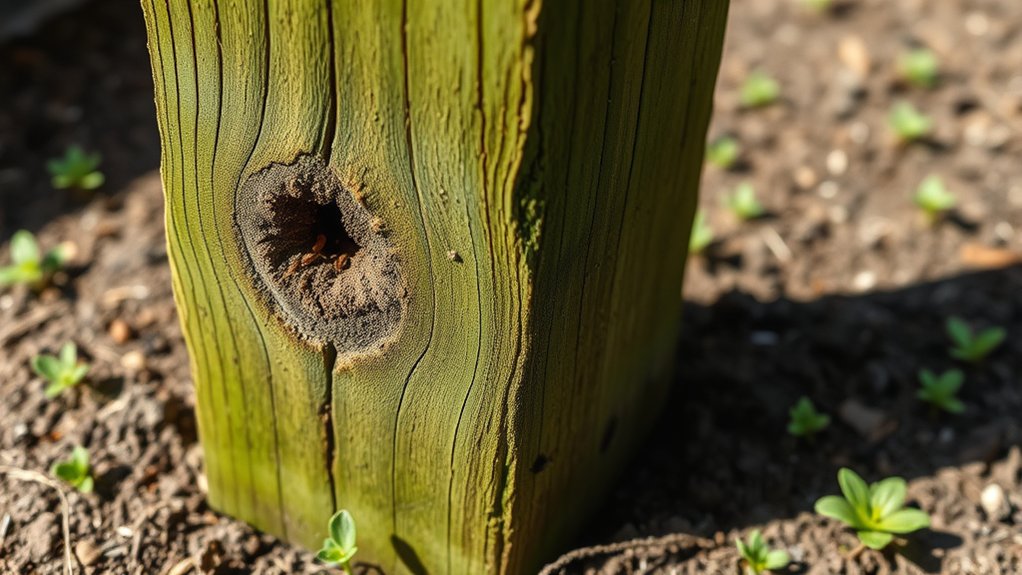
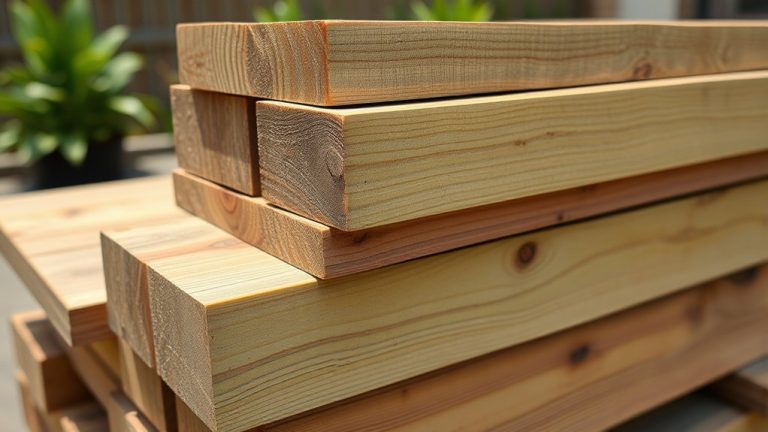
Although no wood can claim to be completely termite-proof, pressure-treated wood resists termite damage by being infused with chemical preservatives like Alkaline Copper Quaternary (ACQ) and Copper Azole (CA).
These preservatives act as a powerful deterrent against termites and fungi, greatly enhancing termite control compared to untreated wood.
When you use pressure-treated wood, you reduce the risk of infestations, but you still need to watch for signs of termites, such as mud tubes or damaged wood.
Remember, the protective chemicals can lose effectiveness over 7-10 years, especially if the wood contacts moisture or soil.
Proper installation and regular inspections help maintain termite resistance, ensuring that your structure remains safeguarded.
Pressure-treated wood is termite-resistant, not termite-proof, so staying vigilant is key.
Can Termites Damage Pressure Treated Wood?
How likely are termites to damage pressure-treated wood? While treated lumber is designed to resist termite infestations, it isn’t completely immune. Termites can still cause damage under certain conditions, especially as chemical preservatives degrade over time.
Keep these points in mind:
Pressure-treated wood is labeled termite-resistant, not termite-proof.
Pressure-treated wood offers resistance to termites but does not guarantee complete protection.
Moisture levels and direct soil contact can weaken treated lumber, increasing vulnerability.
Chemical treatments typically last 7-10 years before effectiveness declines.
You should regularly inspect your pressure-treated wood for signs of termite activity, especially if it’s in contact with soil or exposed to high moisture.
Proper maintenance and monitoring are key to protecting your investment from termite damage despite the wood’s protective treatment.
Why Pressure Treated Wood Can Still Attract Termites
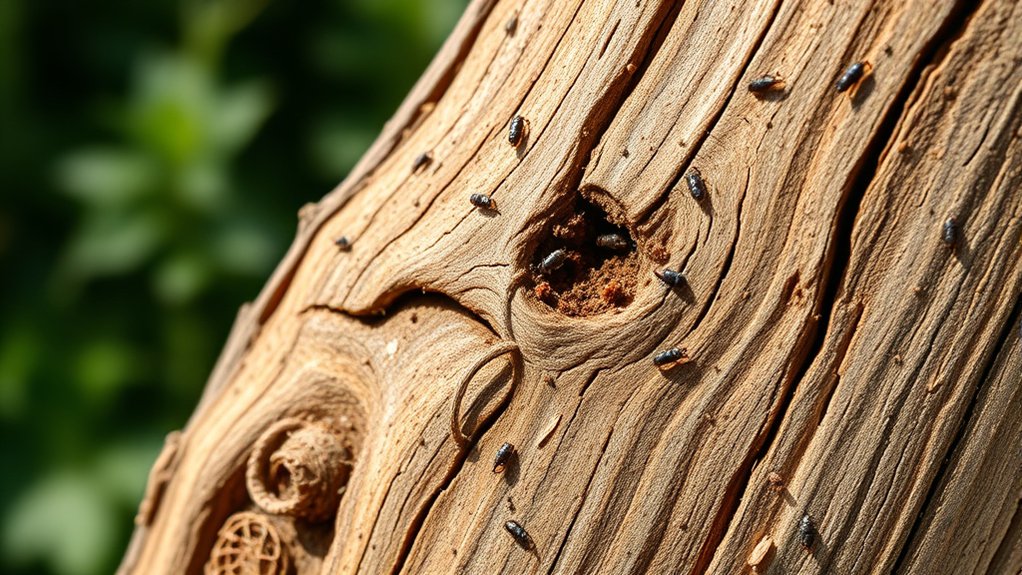
Even though pressure-treated wood offers significant protection against termites, it can still attract them under certain circumstances. Pressure-treated lumber is termite-resistant, not termite-proof. The chemical preservatives can lose effectiveness over time, typically within 7 to 10 years.
If your wood has direct soil contact or suffers damage, termites find easy entry points. Moisture accumulation also plays a critical role by creating a favorable environment for termites, even in treated materials.
To protect your property, you must perform regular inspections, focusing on cracks, unprotected cut ends, and areas where water collects.
Staying proactive with maintenance guarantees you catch early signs of termite presence before they cause significant damage to your pressure-treated lumber.
Signs of Termite Damage on Pressure Treated Wood
You’ll want to take a good look at pressure-treated wood for any visible surface damage, like tiny holes or those mud tubes termites leave behind. These are often clear signs that termites might be at work.
Also, keep an eye out for wood that sounds hollow or feels weak when you press on it — that usually means the structural integrity has been compromised.
Catching these signs early can save you from expensive repairs down the road and help keep your wood sturdy and secure.
Visible Wood Surface Damage
Although pressure-treated wood resists many pests, termites can still cause visible surface damage. This especially happens when moisture compromises the wood or untreated cuts expose vulnerable areas. You need to watch for clear signs of termite damage on pressure-treated wood to catch infestations early.
Look for these key indicators of termite activity:
- Visible mud tubes on the wood surface, which termites build for protection while traveling
- Discoloration or blistering, suggesting galleries forming just beneath the surface
- Hollow sounds when tapping wood, indicating internal tunneling
Make it a habit to regularly inspect areas where pressure-treated wood contacts soil or moisture.
These visible mud tubes and surface changes are telltale signs of termite activity. Acting promptly can prevent further damage and protect your structure from costly repairs.
Structural Integrity Indicators
When pressure-treated wood gets damaged, termites can sneak in through cracks and openings. They start to invade and weaken the wood’s structural integrity. One thing to watch out for is hollow-sounding wood. That usually means termites have eaten inside, leaving just a thin outer layer.
You might also notice discolored drywall or bubbling paint near the wood. These signs could point to moisture problems and termite activity. Another clear indicator is mud tubes along foundations or walls. These tubes act like highways for termites, showing they’re present even in pressure-treated wood.
Regularly checking for these signs helps you catch termite damage early. That way, you can protect your structure before things get worse.
| Indicator | What It Means |
|---|---|
| Hollow-Sounding Wood | Interior wood eaten by termites |
| Mud Tubes | Termite highways on wood surfaces |
| Discolored/Bubbling Paint | Moisture and possible termite activity |
Stay vigilant to keep your wood strong and safe.
How to Protect Pressure Treated Wood From Termites
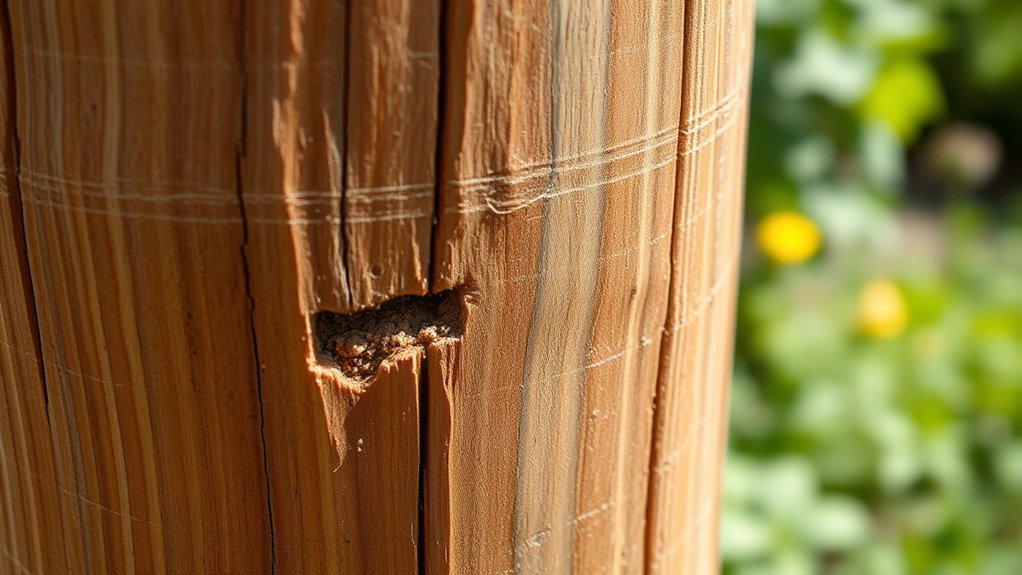
You should regularly check pressure-treated wood for any signs of damage or moisture because these can weaken its termite resistance.
It’s a good idea to keep at least six inches of clearance between the wood and the soil. This helps stop termites from getting in and also prevents moisture from building up.
On top of that, applying protective sealants can really boost the wood’s durability and lower the chances of an infestation.
Regular Wood Inspections
Since termites can silently compromise pressure-treated wood, conducting thorough inspections every six months is crucial. Regular wood inspections help you catch early signs of termite activity before costly damage occurs.
Focus on decks, fences, and crawl spaces for hollow-sounding wood or mud tubes. Pay close attention to moisture accumulation, as damp conditions weaken the wood and attract termites.
Also, inspect for cracks, notches, or exposed cut ends that may need spot treatment with termite-resistant products.
To protect your pressure-treated wood effectively:
- Check for moisture accumulation and guarantee proper drainage
- Look for physical damage that exposes vulnerable wood areas
- Apply termite-resistant products to any compromised spots
Staying vigilant with these inspections maintains the integrity and longevity of your wood structures.
It’s really about catching problems early and keeping your wood strong for years to come.
Maintain Wood-Soil Separation
Although pressure-treated wood offers enhanced resistance to termites, maintaining proper wood-soil separation remains essential to prevent infestations. To protect your wood, keep it at least six inches above ground level, avoiding direct soil contact that attracts termites and traps moisture. Use concrete bases for support posts to create a solid barrier against soil.
Regularly maintain the surrounding area by regrading soil or mulch to divert water away. This helps minimize moisture buildup, which weakens wood over time.
Also, never store firewood or cellulose materials near your foundation. They provide termites with easy access and additional food sources.
Apply Protective Treatments
Maintaining proper wood-soil separation forms a strong first line of defense.
But additional protective treatments considerably boost pressure-treated wood’s resistance to termites.
To effectively protect your wood, you should apply protective treatments regularly and focus on vulnerable areas.
Here’s how you can reduce the risk of termite damage:
Use termite-resistant products on cut ends and notches where pressure-treated wood is exposed.
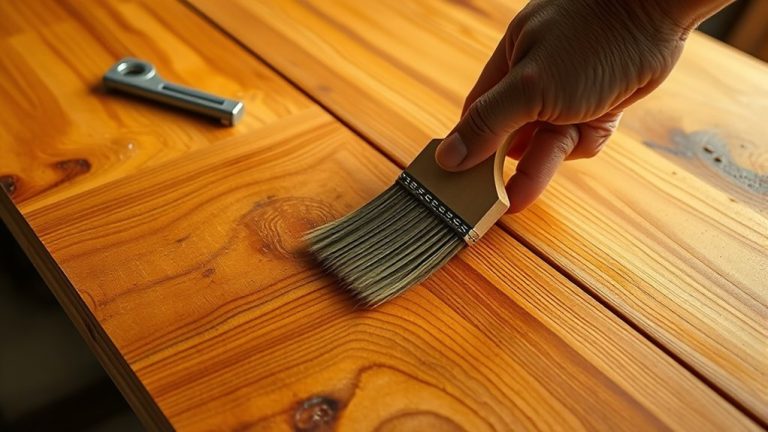
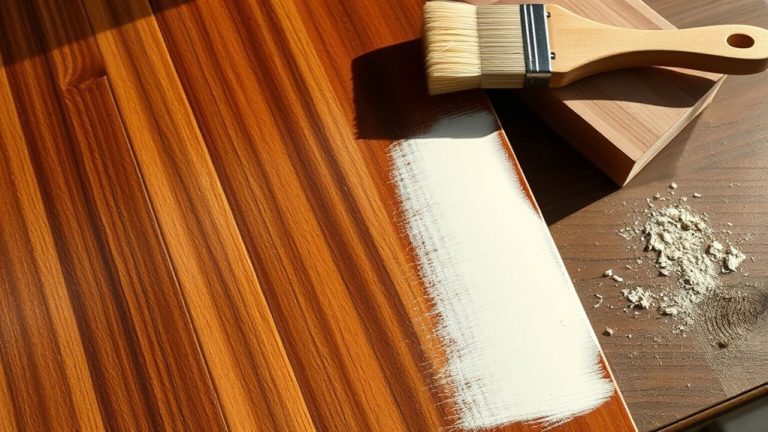
Apply sealants or protective coatings periodically to maintain a moisture barrier and deter termites.
Consider borate treatments, especially indoors, for enhanced termite and fungal resistance.
Alternatives to Pressure Treated Wood for Termite Resistance
When you’re looking for termite-resistant building materials beyond pressure-treated wood, several effective alternatives stand out.
Naturally resistant woods like redwood, cedar, and cypress contain oils that termites avoid, offering reliable protection.
Composite lumber, made from plastics and wood fibers, is highly durable since termites can’t digest it.
Borate-treated wood provides another strong option. It’s infused with pest-repellent chemicals that safeguard against termites while being environmentally friendly.
For a premium choice, Laotian teak’s dense heartwood naturally deters termites better than softer woods.
Each of these materials offers specific benefits, whether it’s enhanced durability, environmental safety, or natural resistance.
When to Call a Professional for Termite Help
If you spot signs like mud tubes, hollow wood, or discarded wings around your property, you should call a professional termite expert immediately. Early action can prevent costly damage to your treated wood structures.
A pest control professional offers a free inspection to accurately identify termite activity, even when it’s hidden.
Consider calling a professional when you detect damage or rot in pressure treated wood. It’s termite swarming season, increasing infestation risk. Or if you want regular maintenance to protect your home long-term.
Professionals use specialized knowledge and tools to eradicate termites effectively. Ignoring early warning signs risks structural integrity and increases repair costs.
Don’t wait. Schedule a free inspection with pest control experts to safeguard your investment and guarantee your treated wood remains termite-resistant.
Frequently Asked Questions
How Long Does Pressure-Treated Wood Typically Last Before Termite Treatment Expires?
You can expect the treatment lifespan of pressure-treated wood to last around 10 to 15 years before its termite protection starts to wear off.
Wood longevity depends heavily on environmental factors like moisture and soil contact, which can speed up chemical degradation.
To extend protection, follow maintenance tips such as regular inspections and promptly treating any new cuts or notches.
Staying proactive helps preserve your wood’s termite resistance over time.
Are There Specific Brands of Pressure-Treated Wood Better for Termite Resistance?
Even if you’d a time machine to the Victorian era, you’d find brands like YellaWood and Trex leading in termite resistance today.
Their wood treatment methods, using preservatives like ACQ or Copper Azole, enhance termite resistance factors considerably.
For long-term solutions, you should consider these brands or borate-treated wood.
Also, exploring alternative materials like composite decking can offer superior durability against termites and reduce maintenance needs over time.
Can Termites Infest Pressure-Treated Wood Indoors as Easily as Outdoors?
Termites can infest pressure-treated wood indoors, but not as easily as outdoors.
You need to take into account that indoor infestations often thrive due to moisture and warmth. These factors impact wood durability.
Treatment effectiveness diminishes over time, especially if the wood is damaged or untreated inside.
To guarantee pest prevention, regularly inspect and maintain indoor wood. Control moisture and promptly seal any exposed areas to reduce termite risks.
This helps protect your treated lumber effectively.
Is It Safe to Burn Pressure-Treated Wood After Termite Exposure?
Sure, you could try roasting marshmallows over burning pressure-treated wood, but that’s a fast track to inhaling toxic fumes. The chemical composition includes arsenic and copper, which don’t vanish after termite exposure.
Burning safety is a real concern due to exposure risks like harmful fumes and environmental contamination.
Instead, choose alternative disposal methods like recycling or hazardous waste facilities to keep your home and health safe. It’s just not worth the risk when there are safer options available.
Do Pressure-Treated Wood Chemicals Pose Health Risks During Termite Inspections?
You won’t face significant chemical exposure risks during termite inspections if you follow proper inspection guidelines.
Pressure-treated wood’s chemicals are designed to stay locked inside, which minimizes health concerns.
To stay safe, always use protective gear like gloves and masks.
Make sure there’s good ventilation in the inspection area too. These safety measures help reduce any potential exposure.
This way, you can perform thorough inspections without worrying about harmful effects from the wood’s chemical treatments.
It’s all about being careful and prepared.
Conclusion
Termites cause over $5 billion in property damage annually, so protecting your pressure treated wood is essential. While this wood resists termites better than untreated wood, it’s not entirely immune. You still need to stay vigilant for signs like mud tubes or wood that sounds hollow when tapped.
Regular inspections, proper maintenance, and termite barriers can keep your investment safe. If you’re ever unsure, just call a professional to make sure your wood stays termite-free. It’s better to be safe than sorry when it comes to protecting your property.