Can Bed Bugs Live In Wood: Facts And Risks
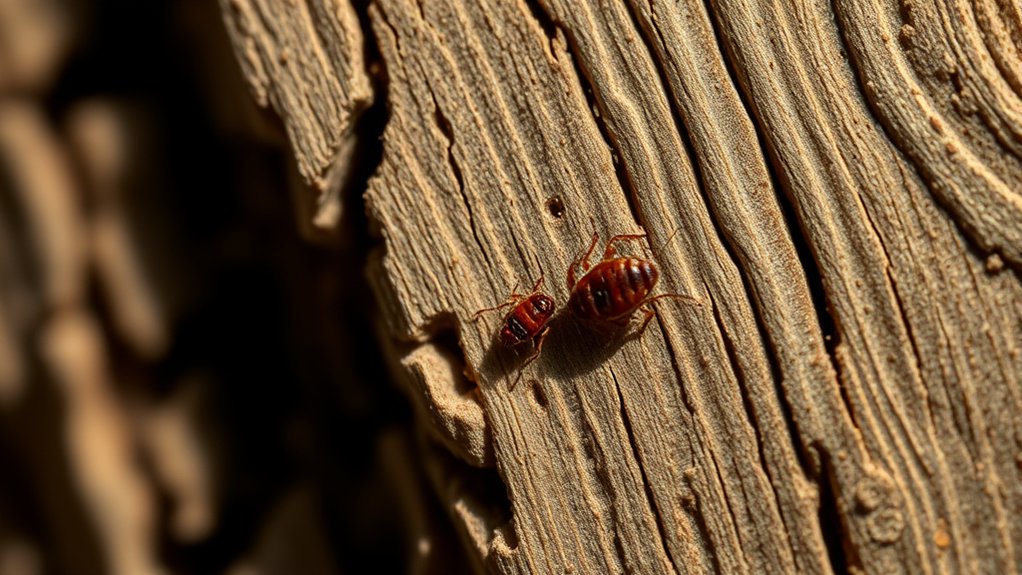
Yes, bed bugs can live and thrive in wooden furniture by exploiting tiny cracks, seams, and joints that protect them from light and disturbance. Wood also retains warmth, which creates a favorable environment for their survival and reproduction.
They enter through microscopic gaps around hardware or seams and spread by crawling along crevices. If you ignore them, it can lead to severe infestations that are tough to eliminate without professional treatments.
Understanding their behavior in wood will help you address and prevent infestations effectively. So, keeping an eye out and acting early really makes a difference.
Why Bed Bugs Prefer Hiding in Wood
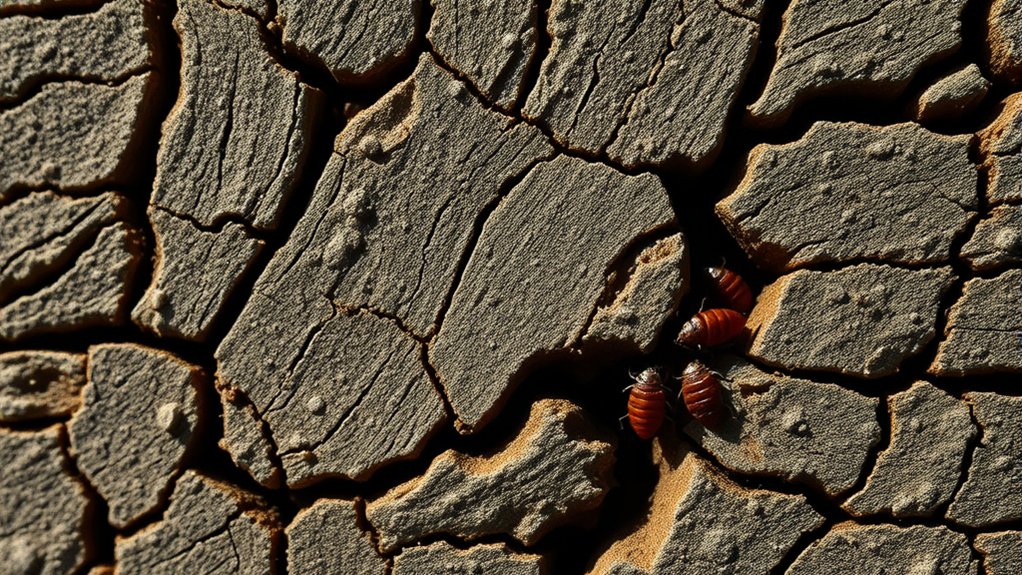
Although bed bugs can infest various materials, they prefer hiding in wooden furniture because its deep cracks and joints offer ideal shelter. When bed bugs live in wooden furniture, their hiding spots include cracks and crevices that provide protection from light and disturbance.
These narrow spaces allow them to remain close to human hosts for feeding while staying concealed. Wood retains warmth, creating a favorable microenvironment for bed bug survival and reproduction.
Unlike mattresses, wooden furniture supports longer survival times, increasing the risk of infestation in wood, especially in older or secondhand items. Wooden surfaces don’t repel bed bugs; instead, they facilitate infestations by offering numerous inaccessible hiding spots.
How Bed Bugs Enter and Spread in Wooden Furniture
You’ll often find bed bugs sneaking into wooden furniture through narrow cracks and joints, taking advantage of even the tiniest gaps.
Once they’re inside, they don’t just stay put—they spread by crawling along seams and crevices.
They can also hitch a ride on your clothing or personal items, moving to nearby areas without you even noticing.
Entry Points In Wood
Many bed bugs exploit narrow cracks, crevices, and joints in wooden furniture as entry points. This allows them to infiltrate and establish infestations close to sleeping areas. Wood’s porous nature and its ability to retain warmth create ideal environments for bed bugs to hide and reproduce.
You’ll find that these pests squeeze into tiny openings that are often invisible to the naked eye. That’s why solid wooden furniture is a frequent infestation source. Common entry points include cracks along seams and joints where wood pieces meet.
They also sneak into small crevices in damaged or aged wood surfaces. Plus, gaps around screws, nails, or hardware embedded in wood are popular hiding spots.
Regularly inspecting these wood entry points can help you spot signs like dark fecal spots or shed exoskeletons. Catching these early is essential for controlling infestations before they get out of hand.
Spread Mechanisms In Furniture
When bed bugs infiltrate wooden furniture, they exploit cracks, joints, and crevices as primary entry points. This lets them set up secure harborage close to human hosts.
These hiding spots in wooden furniture make it easier for bed bugs to infest because they provide stable environments. Here, the bugs can hide and avoid being detected or treated.
Infested furniture often comes from second-hand sources. These pieces tend to retain warmth and can harbor insects in deep joints.
As bed bugs move around inside these structures, they spread by crawling through interconnected crevices. This allows them to expand their territory without being noticed.
To manage the risks, you need to take proactive steps. That means doing thorough inspections and regularly vacuuming the edges of wooden furniture.
Catching infestations early in these hiding spots is key. It helps prevent the problem from spreading and makes it easier to get rid of bed bugs in these tricky wooden environments.
Infestation Growth Patterns
Because wooden furniture offers numerous entry points such as cracks and crevices, bed bugs can quickly establish themselves and expand their infestation. Bed bugs in wood exploit these potential hiding spots to reproduce and thrive undetected.
Typically, infestations begin in beds and spread to adjacent wooden furniture due to their mobility and preference for warmth.
To understand infestation growth patterns, watch for these signs of bed bugs: dark fecal spots near joints and seams of wooden furniture, tiny shed skins and eggs within cracks and crevices, and live bed bugs clustering in deep, dark wood cavities.
Regular inspections are crucial since the multiple nymphal stages complicate eradication. Monitoring wooden furniture closely helps you detect and interrupt infestation before it proliferates throughout your home.
Signs of Bed Bug Infestation in Wood
Although bed bugs are small and elusive, you can detect their presence in wood by observing specific signs. Look for tiny black or brown droppings on wooden surfaces of furniture, especially near joints and crevices where bed bugs tend to hide. Light blood stains may also appear on wooden furniture, signaling recent feeding activity.
A musty odor often accompanies heavy infestations and can come from wooden furniture harboring bed bugs.
Also, repeated bite marks on your skin after sleep suggest that bed bugs are nesting close by, often within wooden furniture. So, if you notice these signs, it’s a good idea to check your furniture closely.
Make it a habit to regularly inspect seams, cracks, and hidden areas in wooden furniture to catch early signs of infestation. These indicators together help you confirm a bed bug problem in wooden environments with scientific precision. Staying alert can save you from a bigger issue down the line.
Why Ignoring Bed Bugs in Wood Costs You
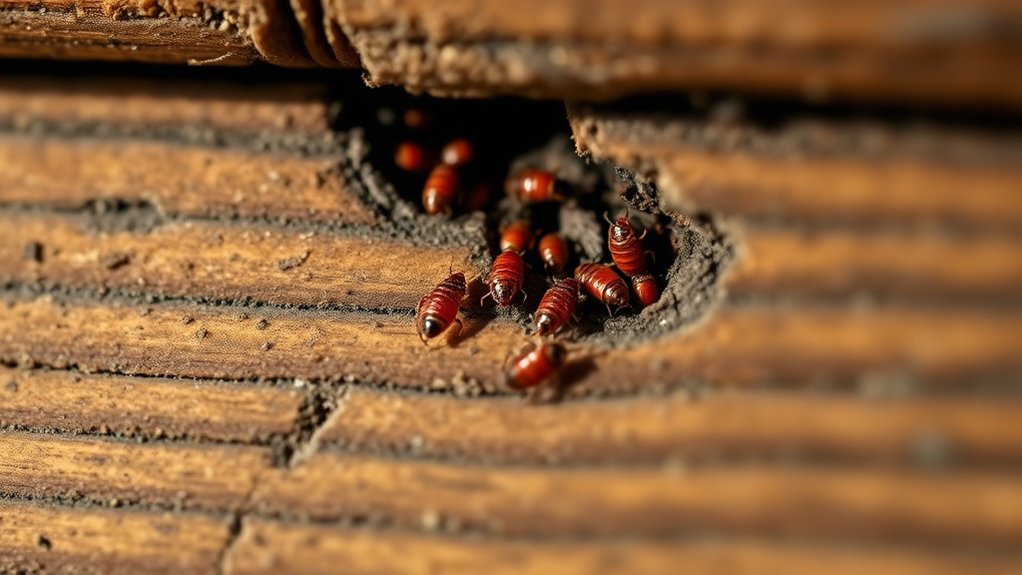
Failing to address bed bugs nesting in wooden furniture allows these pests to thrive undetected in cracks and joints. This greatly complicates eradication efforts.
Bed bugs exploit wooden furniture’s warmth and intricate crevices, which helps them survive and reproduce for a long time.
Ignoring a bed bug infestation in wood increases the risk of them spreading throughout your home. That makes pest control more complex and expensive.
Bed bugs hide deep within cracks and joints, so they can easily evade standard treatments. This makes getting rid of them a real challenge.
Infested wooden furniture often needs to be replaced if left untreated, which adds financial strain.
Delaying action means you’ll likely face higher professional pest control fees since the infestation gets worse over time.
Addressing bed bugs in wood promptly is vital. It helps prevent the problem from escalating and ensures effective pest control management.
How to Remove Bed Bugs From Wood
First, you’ll want to give all the cracks and joints in your wooden furniture a good vacuuming. Using a crevice tool really helps to get into those tight spots and suck up bed bugs and their eggs.
But keep in mind, cleaning by itself usually won’t do the whole job. That’s why it’s a good idea to think about professional treatments.
Experts use special methods and products designed to completely get rid of bed bugs. When you combine careful cleaning with professional help, you’re much more likely to fully eliminate those pesky bed bugs hiding in your wood.
Cleaning And Vacuuming
When tackling bed bugs on wooden surfaces, thoroughly vacuuming the furniture is essential to remove both bugs and their eggs. Focus on seams, cracks, and joints where bed bugs like to hide.
Using a vacuum with a crevice tool helps you get into those narrow spaces within wooden furniture.
After vacuuming, make sure to immediately seal and discard the vacuum bag to prevent any chance of re-infestation. It’s a simple step but really important.
You can also complement vacuuming with high heat methods like steam cleaning. Apply steam for at least 30 seconds on cracks and crevices to effectively kill bed bugs and their eggs.
Adding a stiff brush to scrub joints and corners can make your cleaning even more effective.
- Vacuum seams, cracks, and joints on wooden furniture using a crevice tool
- Dispose of vacuum bags in sealed plastic bags promptly
- Use steam cleaning with sustained high heat on affected wooden areas
Professional Treatment Options
Anyone dealing with bed bugs infesting wooden furniture should consider professional treatment options. These specialists use advanced heat treatments that penetrate wood to temperatures above 118°F, effectively eliminating all life stages of bed bugs.
Exterminators conduct a detailed inspection to locate hidden infestations within cracks and crevices of wooden furniture. This helps them apply targeted treatment methods.
They often use insecticides formulated specifically for wood surfaces, which complement heat treatments for thorough eradication.
Since bed bugs can be pretty resilient, professionals may need to make multiple visits to guarantee complete elimination.
They might also recommend encasements for infested wooden furniture to prevent escape and make ongoing monitoring easier.
How to Prevent Bed Bugs in Wooden Beds
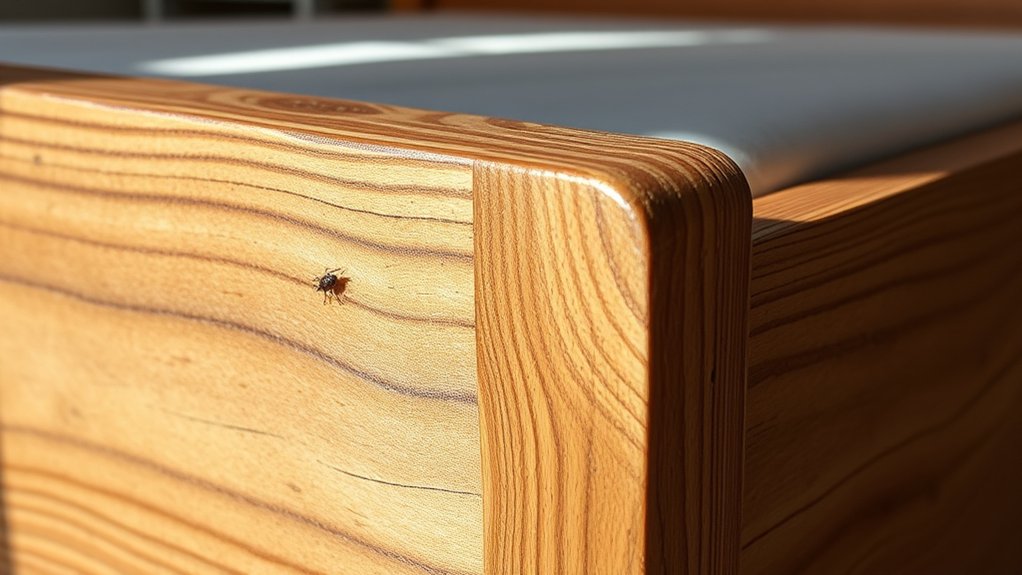
Although wooden beds provide a sturdy and natural sleeping environment, they can also harbor bed bugs if not properly maintained. Since bed bugs can survive in wooden beds by hiding in joints and crevices, prevention is key in effective bed bug control. You should regularly inspect your wooden bed frame for signs like dark fecal spots or blood stains to detect infestations early.
Using mattress encasements creates a physical barrier that helps prevent bed bugs from accessing mattresses and box springs. Plus, maintaining cleanliness around your bed reduces potential hiding spots. It’s all about keeping things tidy and checking regularly.
To prevent bed bugs in wooden beds, you should:
- Regularly inspect and vacuum bed frames, focusing on joints and crevices
- Use bed bug-proof mattress encasements
- Avoid introducing second-hand wooden furniture without thorough inspection
Following these steps can really help minimize infestation risks effectively.
When to Call a Pro for Bed Bugs in Wood
If you detect signs such as blood stains or dark fecal spots on your wooden furniture, you should contact a professional pest control service promptly to address the bed bug infestation effectively.
Bed bugs can squeeze into tiny wooden cracks and hidden joints that are difficult to inspect without expertise. Since they also inhabit mattress seams, a thorough evaluation must include all potential hiding spots.
DIY methods often miss these concealed areas, making professional bug control essential for accurate identification and exhaustive treatment.
Professionals apply targeted interventions and can schedule multiple visits to guarantee eradication, especially since bed bugs survive longer in wood than softer materials.
If the infestation is severe, they’ll advise whether treatment or disposal of the wooden furniture is necessary, saving you time and preventing further spread.
Always pay close attention to early signs for timely action. It’s better to act quickly than let the problem grow out of control.
Frequently Asked Questions
Can Bed Bugs Survive Wood Treatments Like Varnish or Paint?
You can’t rely on wood treatment effects like varnish impact or paint barriers to kill bed bugs.
These surface protections provide only limited defense since bed bugs show chemical resistance and hide in wood crevices beneath.
Varnish and paint create a superficial layer but don’t penetrate deeply enough to reach or eliminate them.
Do Bed Bugs in Wood Pose a Health Risk Beyond Bites?
Imagine tiny pests hidden in wooden crevices, silently triggering bite reactions that itch relentlessly.
Beyond bites, bed bugs in wood carry health implications like secondary infections from scratching and a profound psychological impact, including anxiety and insomnia.
Long-term effects include worsening asthma or allergies due to their droppings and shed skins. Their presence disrupts your wellbeing far beyond physical discomfort.
How Long Can Bed Bugs Live Without Feeding Inside Wood?
You’ll find that bed bug lifespan without feeding inside wood can stretch up to six months, depending on temperature and humidity. Their survival tactics include hiding in wood cracks, allowing long infestation duration even without blood meals.
Feeding intervals vary, but they can remain dormant in wood, waiting patiently for a host.
Regular inspections are essential since their ability to survive long periods complicates control efforts greatly. So, keeping an eye out is definitely worth it if you suspect an infestation.
It’s tricky because they don’t always show themselves quickly.
Are Certain Types of Wood More Susceptible to Bed Bug Infestations?
Imagine tiny bugs slipping into the cracks of your wooden dresser. You’ll find that no specific wood types attract bed bugs more than others.
Their behavior drives them to exploit any crevice, regardless of wood species.
For effective pest management, focus on infestation prevention by sealing gaps and maintaining cleanliness.
Treatment options should target hiding spots rather than wood type, since bug behavior, not material, influences infestation risk considerably.
Can Freezing Wooden Furniture Effectively Kill Bed Bugs Inside?
Yes, freezing wooden furniture at temperatures below 0°F for at least four days effectively kills bed bugs across their lifespan.
You need to guarantee the entire item reaches these freezing temperatures for the full effectiveness duration to eradicate all stages of bed bugs.
However, freezing alone might miss bugs in deep wood cracks, so combine this with thorough furniture treatment and inspection for best results in eliminating infestations.
It’s a good idea to double-check and maybe use other methods alongside freezing to make sure those pesky bugs are really gone.
Conclusion
If you suspect bed bugs lurking in your wooden furniture, don’t let them hide in the shadows. These pests exploit wood’s tiny crevices, making early detection essential. Ignoring them risks a widespread infestation that’s costly to eradicate.
Act swiftly with targeted treatments and preventive measures to starve their foothold. When in doubt, call a professional because battling bed bugs without expert help is like chasing ghosts in the grain, futile and frustrating.