Can You Burn Rotten Wood: Safety And Efficiency
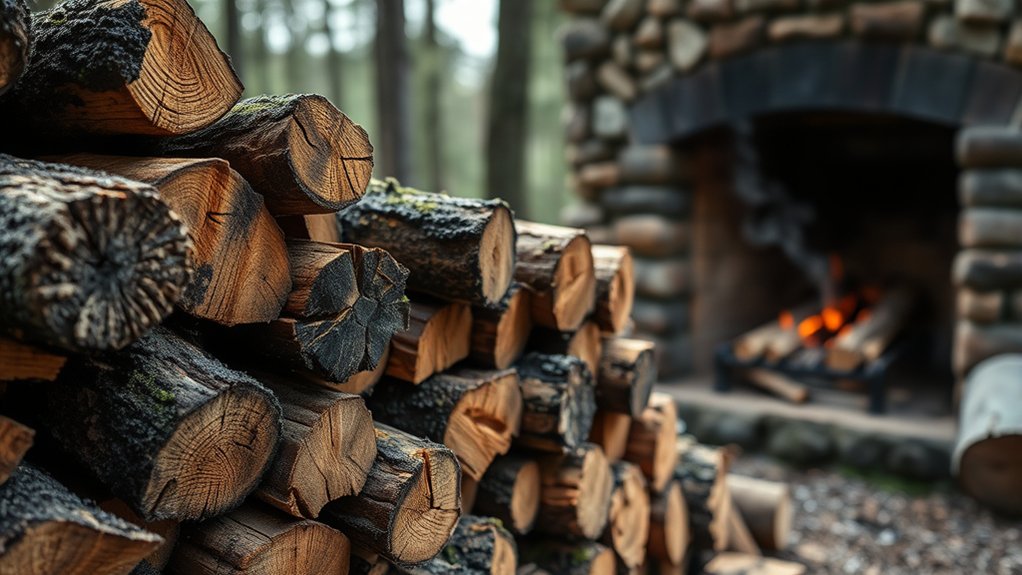
You shouldn’t burn rotten wood because its high moisture and mold content make it inefficient and unsafe. Rotten wood burns poorly, producing weak flames, excessive smoke, and harmful mold spores that irritate your lungs and eyes. It also increases creosote buildup in chimneys, raising fire risks.
For safer, cleaner fires, choose well-seasoned, low-moisture hardwoods. Understanding these factors helps you improve fire pit safety and efficiency while minimizing health and environmental hazards.
Can You Burn Rotten Wood in a Fire Pit?
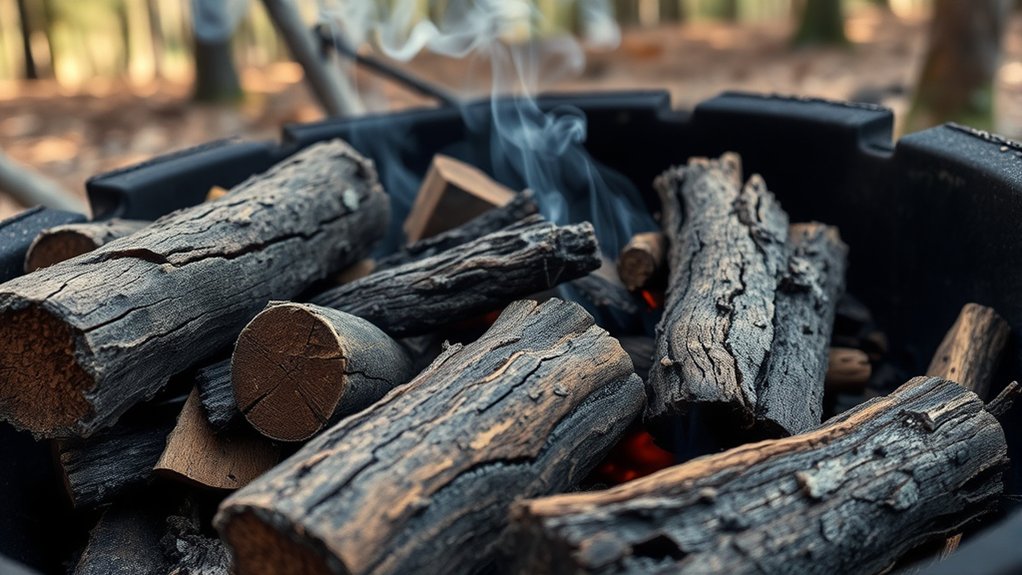
Why should you avoid burning rotten wood in a fire pit? Rotten wood contains high moisture levels, which prevent it from burning efficiently.
When you burn rotten wood, the excess moisture produces excessive smoke and a weak flame, reducing heat output and creating an unpleasant odor.
This inefficient combustion also increases creosote buildup in chimneys or nearby surfaces, posing a significant safety risk over time.
Using well-seasoned hardwoods like oak or maple guarantees a hotter, cleaner fire with minimal smoke and reduced creosote formation.
For both safety and air quality reasons, it’s best to avoid burning rotten wood.
Opting for dry, well-seasoned wood lets you enjoy your fire pit safely while keeping the fire burning efficiently and minimizing harmful smoke emissions.
Why Rotten Wood Burns Poorly and Smokily in Fire Pits
You’ll notice rotten wood doesn’t burn very well, and that’s mainly because it holds a lot of moisture.
When there’s so much water in the wood, it takes extra energy just to evaporate that water. Because of this, the flames end up weaker than usual.
Plus, all that moisture means you’ll get more smoke.
High Moisture Content
Although rotten wood may seem like a convenient fuel source, its high moisture content, often exceeding 60%, makes it difficult to ignite and keep a fire going in your fire pit.
When you burn rotten wood, the dampness causes incomplete combustion, which produces a lot of smoke that can irritate your eyes and lungs.
This high moisture content stops the wood from reaching the temperatures needed for efficient burning. As a result, you get weak flames and low heat output.
Plus, inefficient burning ups the chances of creosote building up in your chimney, which can be a fire hazard.
The unburned particles released also contribute to air pollution, showing why rotten wood isn’t the best choice for fire pits.
Overall, the high moisture content in rotten wood leads to inefficient burning and safety concerns.
Inefficient Combustion Process
The high moisture content in rotten wood directly undermines the combustion process. It makes it tough for you to get a clean and efficient burn.
Rotten wood often has moisture levels over 20%, which leads to inefficient burning. That’s because a lot of energy goes into evaporating water instead of generating heat.
This incomplete combustion means you get less heat compared to well-seasoned wood. Plus, it causes creosote buildup, which can increase fire hazard risks.
When you burn rotten wood, you’ll notice a few things. You’ll need more energy just to ignite and keep the flames going. The heat output will be lower, so your fire won’t be as effective.
Also, there’s more creosote buildup due to the inefficient burning. Knowing all this helps explain why rotten wood doesn’t work well in fire pits.
Choosing well-seasoned wood instead can really improve how well your fire burns and make it safer too.
Excessive Smoke Production
Because rotten wood contains high moisture levels, it produces excessive smoke when burned, which greatly reduces combustion efficiency. The dampness causes incomplete combustion, releasing unburned particles that contribute to air pollution.
This excessive smoke not only lowers heat output, forcing you to use more fuel, but also creates thick, acrid fumes that irritate eyes and lungs, impacting safety around fire pits.
Plus, the persistent smoke promotes creosote buildup inside chimneys, increasing fire hazards and maintenance needs.
When you burn rotten wood, you compromise both performance and safety due to poor combustion and smoky emissions.
Is Burning Rotten or Moldy Wood Dangerous?
You should know that burning rotten or moldy wood isn’t a good idea. It releases harmful mold spores and toxic fumes that can really irritate your respiratory system.
Plus, because the wood is damp, it doesn’t burn well and produces a lot of smoke. That smoke can trigger allergies or make breathing problems worse.
On top of the health risks, there are fire hazards to consider. All in all, burning this kind of wood is unsafe and also bad for the environment.
Health Risks of Mold
How dangerous is burning rotten or moldy wood to your health? When you burn rotten wood, you release mold spores and mycotoxins into the air, which pose significant health risks.
These airborne particles can trigger respiratory issues, including asthma attacks and allergic reactions.
On top of that, burning this wood emits volatile organic compounds (VOCs). These compounds can irritate your eyes, skin, and lungs, making the situation even worse.
So, it’s clear that burning moldy wood isn’t just unpleasant—it’s unsafe.
To keep yourself safe, avoid burning any wood that shows signs of mold or rot.
- Mold spores and mycotoxins released during burning can cause chronic respiratory problems.
- VOCs from burning moldy wood contribute to irritation and potential long-term health effects.
- Sensitive individuals are especially vulnerable to allergic reactions and respiratory distress.
Bottom line? Prioritize your health by steering clear of burning rotten or moldy wood altogether.
Fire Hazard Concerns
Although burning wood is a common heating method, using rotten or moldy wood greatly increases fire hazards. Rotten wood’s high moisture content leads to inefficient combustion, producing excessive smoke that not only degrades air quality but also raises fire hazard risks. This inefficient burning promotes creosote buildup in chimneys, which can really up the chances of chimney fires. These fires are a major cause of residential fire incidents.
Plus, when you burn moldy wood, it releases toxic fumes and airborne mold spores. This can increase respiratory risks and might irritate your eyes and lungs.
The weak flames from rotten wood also need more effort to keep going, which can accidentally create dangerous fire situations.
All in all, burning rotten wood isn’t safe. It compromises safety because of the increased toxic emissions, smoke, and fire hazard potential. So, it’s just not a good fuel choice.
How to Choose the Best Firewood for Your Fire Pit
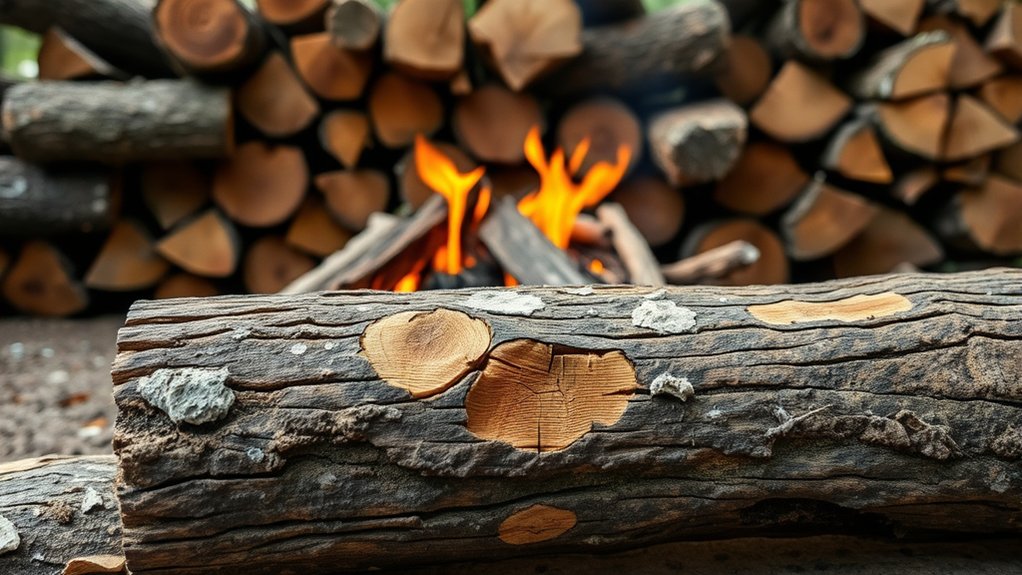
When selecting firewood for your fire pit, prioritize seasoned hardwoods like oak, maple, or hickory. Their low moisture content and dense composition guarantee a hotter, cleaner burn. Using seasoned wood means you get efficient burning, maximizing heat output while minimizing smoke.
Avoid moisture-rich wood because it lowers combustion efficiency and increases creosote buildup. Also, make sure your firewood is free from chemical treatments, paints, or mold. This helps prevent releasing harmful toxins into the air.
For a great fire pit experience, consider sustainably sourced firewood. It’s a choice that supports environmental responsibility and keeps your fire burning strong.
- Choose hardwoods like oak for longer burn times and consistent heat output.
- Avoid damp or green wood to prevent inefficient burning and excessive smoke.
- Confirm firewood is untreated and clean to protect air quality around fire pit tables.
Woods to Avoid Besides Rotten Wood in Your Fire Pit
Several types of wood are best avoided in your fire pit beyond just rotten wood, as they can pose safety hazards or reduce burning efficiency.
Treated wood releases harmful chemicals like arsenic, which irritate your lungs and eyes, making it unsafe.
Treated wood emits toxic chemicals like arsenic, posing serious risks to your lungs and eyes.
Green wood’s high moisture content causes excessive smoke and inefficient burning. This also increases the risk of creosote buildup in chimneys.
Moldy wood releases airborne spores, creating respiratory hazards and lowering air quality.
Softwoods, while useful for kindling, burn quickly and produce more smoke and sparks. That can reduce overall fire efficiency and safety.
Avoiding these woods helps maintain cleaner air and safer conditions around your fire pit.
Doing this ensures you get the best performance without unnecessary health risks or maintenance issues.
It’s just a smarter way to enjoy your fire safely and comfortably.
Tips to Improve Fire Pit Efficiency Without Rotten Wood
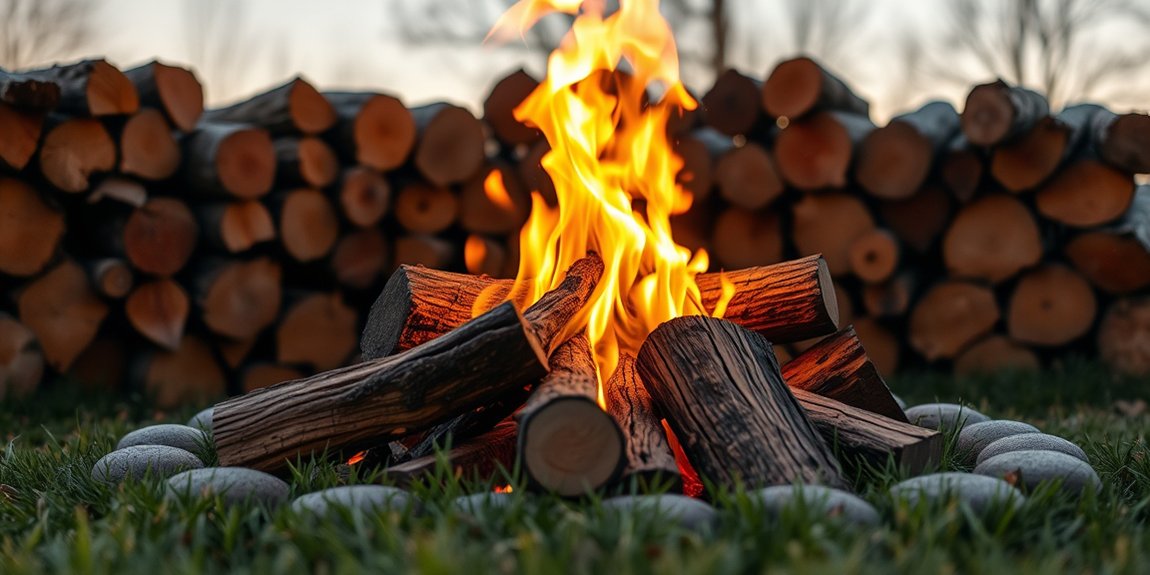
To maximize your fire pit’s efficiency, you should prioritize using seasoned hardwoods like oak or maple. These woods burn hotter and cleaner than rotten or unseasoned wood.
Well-seasoned wood with low moisture content reduces excessive smoke and improves fire pit efficiency. Avoid burning treated wood because it releases harmful chemicals.
To further optimize your fire pit, stack firewood in a crisscross pattern. This promotes airflow and guarantees thorough combustion.
Use dry wood and kindling like small twigs or shavings to ignite flames quickly and sustain steady heat.
Also, regularly inspect and rotate your firewood inventory. Discard any damp or rotten pieces to maintain consistent dryness.
These steps help you maintain a safe, efficient fire pit. You’ll minimize smoke and maximize heat output without relying on rotten wood.
Burning vs. Composting Rotten Wood: Environmental Impact
Although burning rotten wood might seem like a convenient way to dispose of it, you should consider its environmental drawbacks. Burning rotten wood produces excessive smoke due to high moisture content, increasing air pollution and respiratory risks. Its low energy output reduces burning efficiency, causing more creosote buildup in chimneys and elevating fire hazards.
In contrast, composting rotten wood avoids harmful emissions by allowing natural decomposition, enriching soil and supporting ecosystems. This method aligns with sustainable practices by recycling nutrients, promoting biodiversity, and reducing environmental impact.
By choosing composting over burning, you minimize air pollution and fire risks while enhancing soil health.
Choosing composting reduces pollution and fire hazards, while boosting the health of your soil.
Overall, composting rotten wood offers a more environmentally responsible and efficient approach than burning does. It’s a simple way to make a positive impact while helping your garden thrive.
Where to Buy Quality Seasoned or Kiln-Dried Firewood
Choosing the right firewood makes a big difference in how well your fire burns and how friendly it’s to the environment. Going for kiln-dried firewood or well-seasoned wood with low moisture content means your fire will burn more efficiently.
Plus, it cuts down on smoke and harmful emissions.
Getting quality firewood from trustworthy suppliers also means you’ll get consistent performance.
And it’s great when they focus on sustainable practices by using local sources.
When you’re looking for quality firewood, keep these tips in mind:
- Corrin Kiln Dried Firewood Co. offers kiln-dried, well-seasoned wood with proven low moisture content.
- Ordering online is super convenient, and many places even throw in free delivery if you’re nearby.
- It’s a good idea to pick suppliers who care about sustainability. That way, you’re helping reduce your ecological footprint.
Frequently Asked Questions
How Long Does It Take for Wood to Become Seasoned?
You should expect the seasoning process to take between 6 to 12 months, depending on wood types and storage conditions.
Moisture content needs to drop below 20% for ideal burning. Drying methods like cutting wood into smaller pieces and stacking it off the ground help speed up seasoning.
Temperature effects and airflow also influence seasoning duration, directly impacting wood quality and burning efficiency.
Proper management guarantees well-seasoned firewood ready for use. So, keeping an eye on these factors really pays off when you want good firewood.
Can Rotten Wood Be Used for Smoking Food?
You shouldn’t use rotten wood for smoking food. It can contain up to 50% moisture, which drastically reduces smoke quality and affects your smoking flavor.
Rotten wood also compromises safety by introducing mold spores that pose health risks. This can negatively change your flavor profile and even impact how tender your meat turns out.
Instead, stick to seasoned wood types like oak or hickory. Using proper cooking techniques with dry wood guarantees consistent heat and makes your overall smoking experience much better.
Trust me, it’s worth the effort!
What Are the Signs of Mold on Firewood?
You can identify mold on firewood through visible mold identification. White, green, or black fuzzy patches usually signal high moisture content.
Firewood inspection is essential since mold poses health risks by releasing spores during handling.
To minimize environmental impact and burning inefficiency, practice prevention methods. Store wood in dry, well-ventilated areas and keep it elevated off the ground.
If mold is present, consider burning alternatives like kiln-dried wood to guarantee safety and efficiency in your firewood use.
Does Burning Rotten Wood Produce More Creosote?
Long before the steam engine, you’d find burning rotten wood leads to increased creosote buildup. This happens because rotten wood’s high moisture drops burning efficiency, causing more smoke emissions and unburned fuel.
These wood types pose health risks and fire safety concerns, as creosote is highly flammable.
For better environmental impact and safer heating, you’d choose seasoned hardwoods or other fuel alternatives instead of rotten wood to minimize hazards and maximize efficiency.
It just makes sense to go for wood that burns cleaner and safer. After all, keeping your home safe and the air cleaner is what matters most.
Can I Treat Rotten Wood to Make It Burn Better?
You can’t reliably use wood preservation methods or chemical treatments to improve burn quality in rotten wood. These often release harmful fumes, so it’s not a great idea.
While drying techniques and moisture reduction help some wood types, rotten wood’s decay limits how well these methods work.
Natural alternatives like composting are safer and better for dealing with rotten wood.
When you compare wood types, sound, seasoned wood burns more efficiently and safely. It’s really best to prioritize safety and use properly dried, untreated wood instead of trying to treat rotten wood for burning.
Conclusion
You might be tempted to toss rotten wood into your fire pit, but doing so is like trying to light a soggy match. It just won’t burn well and can release harmful smoke.
For safety and efficiency, stick to seasoned or kiln-dried wood. Avoid moldy or damp wood to protect your health and the environment.
Choosing quality firewood guarantees a cleaner, hotter fire and a better overall experience. It’s definitely worth the effort!