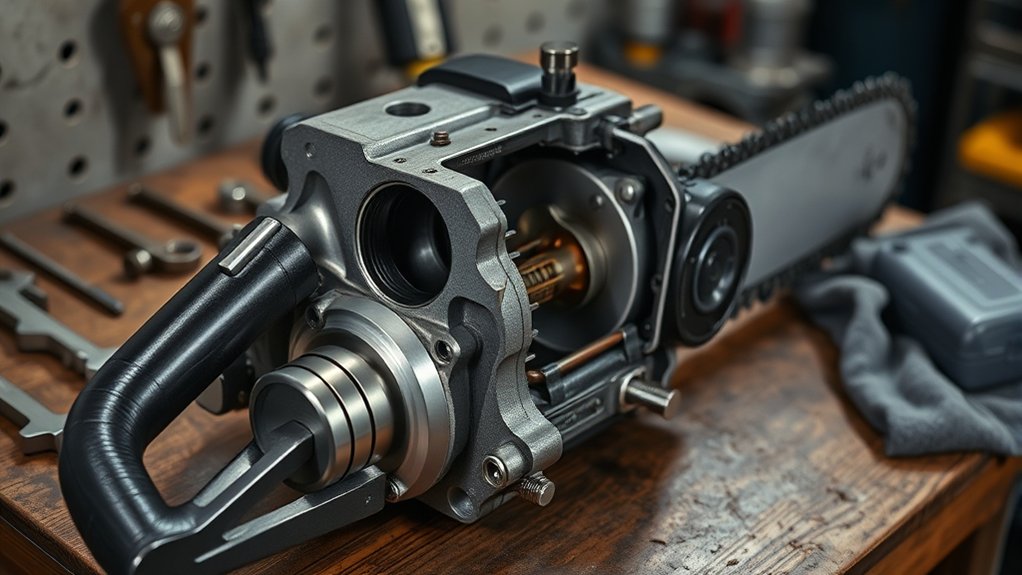
What Is A Ported Chainsaw – Meaning And Performance Benefits
A ported chainsaw has its engine ports modified to improve airflow, boosting power, efficiency, and cutting speed. By enlarging exhaust and transfer ports, adjusting timing, and increasing compression, you enhance combustion and torque.
This modification can raise power output by up to 40%, making your saw faster and more responsive. However, it demands precise tuning and careful handling.
If you want to understand the exact techniques and safety considerations behind porting, there’s much more to explore.
What Is Chainsaw Porting?
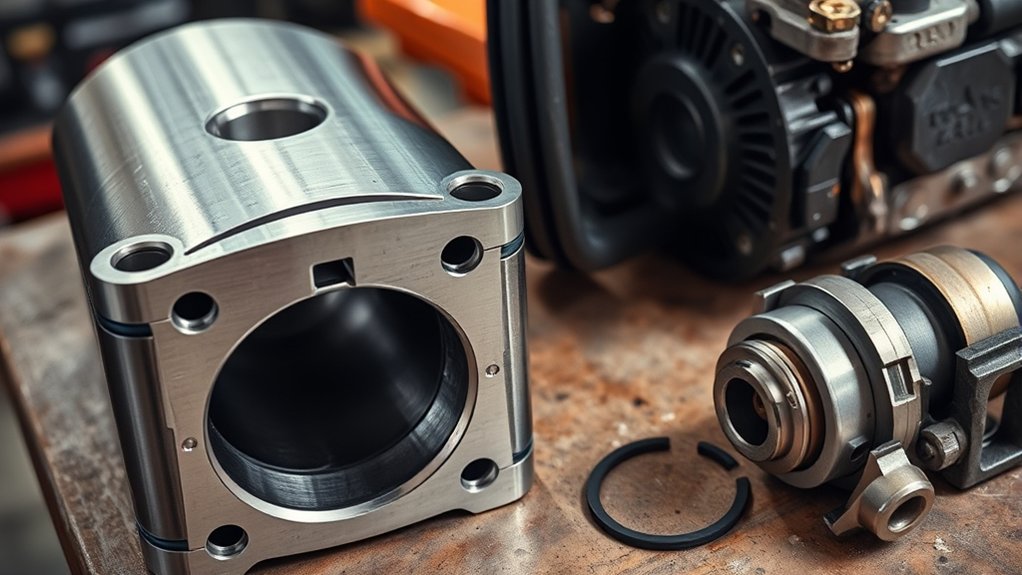
When you modify a chainsaw’s intake, transfer, and exhaust ports to improve airflow, you’re performing a process called chainsaw porting. This technique involves enlarging or reshaping these ports to optimize the engine’s breathing, which directly impacts power output and efficiency.
Chainsaw porting can include adjusting compression ratios and refining timing to extract maximum performance. You’ll find different porting styles, such as race porting aimed at peak power and woods porting designed for reliable, everyday use.
By enhancing air-fuel mixture flow and exhaust evacuation, porting allows the engine to operate more effectively.
If you’re new to this, numerous online forums and instructional videos offer detailed guidance. They help you execute precise modifications safely and effectively.
How Chainsaw Porting Improves Performance
Porting a chainsaw can boost its power output by up to 40% by optimizing intake and exhaust port dimensions. When you port a chainsaw, you modify these ports to improve airflow, which enhances combustion efficiency.
Adjusting port timing is essential. Advancing it allows the engine to intake and expel gases more effectively, increasing power and torque.
You’ll also notice faster cutting speeds as the fuel-air mixture burns more completely due to higher compression ratios achieved during porting.
Muffler modifications often accompany porting to reduce backpressure and further improve exhaust flow.
While results vary by model, these precise changes collectively enhance engine responsiveness and overall performance. This is especially true in high-demand scenarios like professional logging or heavy-duty cutting tasks.
Expected Performance Gains From Chainsaw Porting
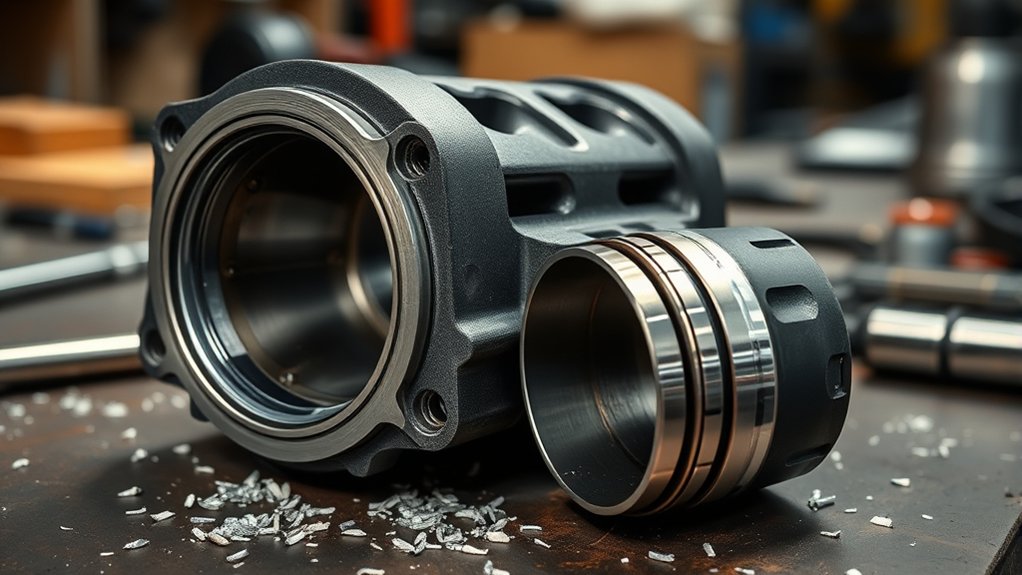
Although the exact gains depend on your chainsaw model and the quality of modifications, you can expect up to a 40% increase in performance by optimizing airflow through intake and exhaust port adjustments.
These expected performance gains translate into improved torque and higher RPM capabilities, allowing your chainsaw to cut faster and operate more efficiently.
By enhancing the fuel-air mixture and modifying compression ratios and port timings, porting optimizes combustion dynamics.
Specific models, like the 038 Magnum, typically benefit the most, while older chainsaws may see more modest improvements.
Overall, well-executed porting delivers tangible gains in cutting speed and engine responsiveness.
It maximizes your chainsaw’s operational potential without altering the fundamental engine design.
Key Engine Parts Modified in Chainsaw Porting
To achieve the performance gains discussed earlier, you’ll need to modify specific engine components that directly influence airflow and combustion efficiency. The primary focus lies on exhaust ports, which are enlarged to expedite exhaust gas expulsion. This reduces backpressure and boosts power output.
Transfer ports are also adjusted to enhance the fuel/air mixture delivery into the combustion chamber, improving combustion quality.
Moreover, porting often involves increasing the compression ratio within the cylinder to elevate pressure. This, in turn, improves torque and overall engine performance.
Precise timing adjustments guarantee that ignition and exhaust events align effectively with port modifications.
Common Chainsaw Porting Techniques Explained
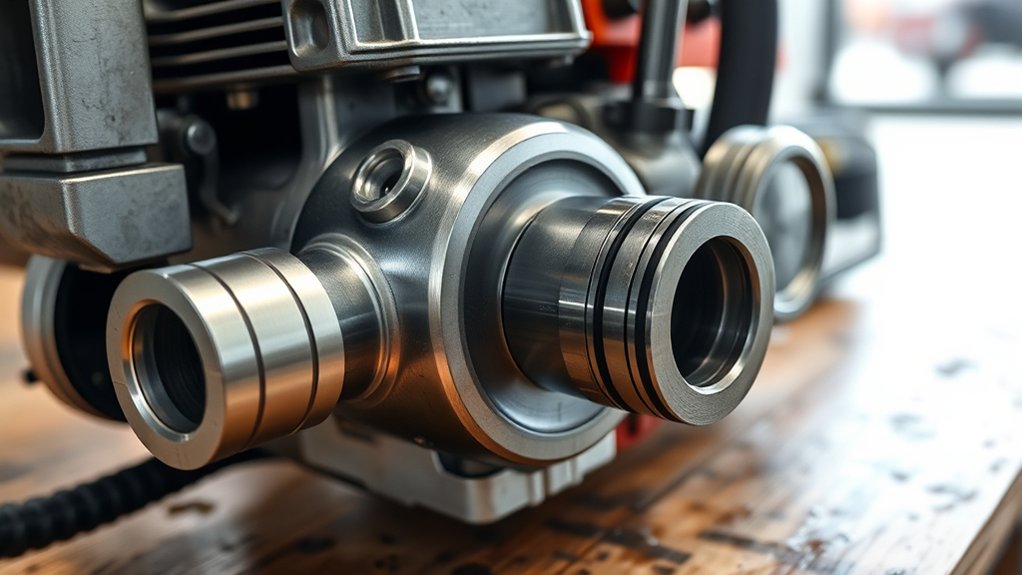
When you modify the exhaust and intake ports, you directly enhance airflow efficiency. This can boost your chainsaw’s power output by around 40% compared to stock settings.
Common chainsaw porting techniques include enlarging the exhaust ports to improve gas flow and adjusting transfer ports to optimize fuel-air mixture delivery.
Enlarging exhaust ports and tuning transfer ports optimizes gas flow and fuel-air delivery for peak chainsaw performance.
Increasing compression ratios further elevates torque and RPM capabilities. For a ported Husky, precise reshaping of port timing and squish band configurations can markedly improve cutting efficiency.
Using tools like Dremels with carbide bits allows for moderate gains, while race porting requires specialized equipment for maximum airflow enhancement.
Understanding Venturi effects is essential. Smoothing and enlarging ports directly impacts engine breathing, which results in improved performance and efficiency for your chainsaw.
It’s a game-changer if you want your saw to work smarter, not harder.
Risks and Safety Tips for Ported Chainsaws
Since ported chainsaws deliver considerably increased power, you must handle them with heightened caution to maintain control and prevent accidents. The primary risks include loss of control due to the enhanced power output and potential mechanical failures caused by improper porting techniques. Increased noise levels also pose a hazard, so using hearing protection is a critical safety tip.
To minimize risks, conduct regular maintenance checks to guarantee modifications don’t compromise essential safety features. Moreover, verify that your ported chainsaw complies with local regulations to avoid legal penalties.
Always follow manufacturer guidelines and wear appropriate personal protective equipment.
Choosing the Right Chainsaw Porting Service
Although porting can dramatically enhance your chainsaw’s performance, selecting the right porting service requires careful evaluation of the builder’s experience and reputation. You want to go with someone who really knows their stuff and can clearly explain their porting techniques.
It helps if they demonstrate expertise in airflow dynamics because that’s key to getting the best results.
Cost typically ranges from $250 to $300, so it’s important to weigh the expected performance gains against this investment. Don’t forget to check user reviews and community feedback to make sure the service delivers quality work and good outcomes.
Also, find out if the service offers a warranty or guarantee on their work. This protects you from potential mechanical issues after porting.
Picking a knowledgeable and reputable chainsaw porting service ensures you get the most performance benefits while keeping reliability and peace of mind.
Community Tips and Resources for Chainsaw Porting
You can find some really helpful insights on chainsaw porting by joining specialized online forums.
People there share their detailed experiences and troubleshooting tips, which can make a big difference.
Also, video tutorials—like the ones on Tin Man Saws—are great because they show you exactly how to do proper porting and how to use the right tools.
Online Porting Forums
Where can you find reliable advice and detailed insights on chainsaw porting? Online porting forums are your go-to resource.
These specialized communities gather chainsaw enthusiasts who share precise techniques, tips, and personal experiences on porting modifications.
You’ll find discussions tailored to specific chainsaw models, helping you understand how various porting methods affect performance. Members regularly post before-and-after data to illustrate power gains, which lets you evaluate effectiveness accurately.
Furthermore, online porting forums emphasize safety by addressing best practices and potential risks involved in engine modifications. Many forums also provide access to detailed tutorials and instructional videos, which enhance your technical knowledge and skill set.
Engaging in these forums equips you with informed, practical guidance essential for successful chainsaw porting.
Video Tutorials Access
Since mastering chainsaw porting requires both theoretical knowledge and practical skills, accessing high-quality video tutorials proves invaluable. Video tutorials access lets you observe precise techniques and steps, enhancing your understanding of porting intricacies.
Channels like Tin Man Saws on YouTube offer detailed visual guides covering essential modifications. To maximize your learning, focus on:
- Exhaust port modifications and their impact on performance
- Timing adjustments for optimized power delivery
- Compression techniques and their role in engine efficiency
- Step-by-step walkthroughs to guarantee safe porting practices
- Community-shared insights for troubleshooting and enhancements
Engaging with these video resources complements forum discussions. This way, you can refine your skills effectively while minimizing mechanical risks during chainsaw porting.
Frequently Asked Questions
Can I Port My Chainsaw Engine Myself at Home?
Yes, you can do DIY porting on your chainsaw engine at home, but only if you have solid mechanical knowledge.
You’ll need precise tools like a Dremel with carbide bits and must strictly follow porting techniques specific to your model. Always prioritize safety by wearing protective gear and working in a ventilated area.
Research thoroughly and use community resources to avoid damaging your engine or reducing performance during your DIY porting process.
It’s definitely doable, but take your time and don’t rush. That way, you’ll get the best results without any costly mistakes.
How Does Porting Affect Chainsaw Fuel Consumption?
Fuel consumption jumps like a roaring engine when you port your chainsaw. Porting boosts airflow, allowing your engine to burn more fuel for extra power. This means fuel efficiency takes a hit, typically a 10-20% increase in fuel use.
However, by fine-tuning the air-fuel mixture, you can optimize combustion and partially offset this.
Will Porting Void My Chainsaw’s Manufacturer Warranty?
Yes, porting your chainsaw will likely void the manufacturer’s warranty.
Warranty considerations usually exclude unauthorized modifications like porting because these can cause mechanical failures beyond the manufacturer’s control.
Before you proceed, make sure to review your chainsaw’s warranty terms thoroughly so you understand the implications.
Some models designed for performance upgrades might’ve different guidelines.
But generally, standard warranties rarely cover issues that come from porting or similar alterations.
Are Ported Chainsaws Louder Than Standard Models?
Imagine a chainsaw’s roar cutting through the quiet forest air. That’s the sound comparison you’ll notice with ported chainsaws.
Yes, ported chainsaws are definitely louder than standard models.
By enhancing exhaust flow and reducing back pressure, they produce a more aggressive, sharper exhaust note. It often exceeds 100 decibels. This louder sound gives you clear performance feedback.
But it also means you should wear hearing protection and be mindful of local noise regulations.
It’s all about staying safe while getting the job done right.
What Maintenance Changes Are Needed for a Ported Chainsaw?
For maintenance tips on a ported chainsaw, you’ll need to check chain tension more frequently due to higher operating speeds.
Sharpen the blade often since increased power dulls it faster. Clean air filters regularly to maintain peak airflow.
Also, monitor fuel and oil levels closely to prevent wear from intense use.
Finally, listen for unusual sounds or vibrations, as these can signal mechanical issues needing prompt attention. Keeping an ear out really helps catch problems early.
Conclusion
Now that you understand what a ported chainsaw is and how it boosts performance, you’re equipped to make an informed choice. Like a finely tuned engine in a race car, porting reveals hidden power and efficiency in your chainsaw.
But remember, with great power comes responsibility. Always prioritize safety and expert service.
By mastering these techniques, you’ll cut smarter, faster, and safer. You’ll turn your chainsaw into a precision tool worthy of any challenge.