Can You Use Wood In A Charcoal Grill: What You Should Know
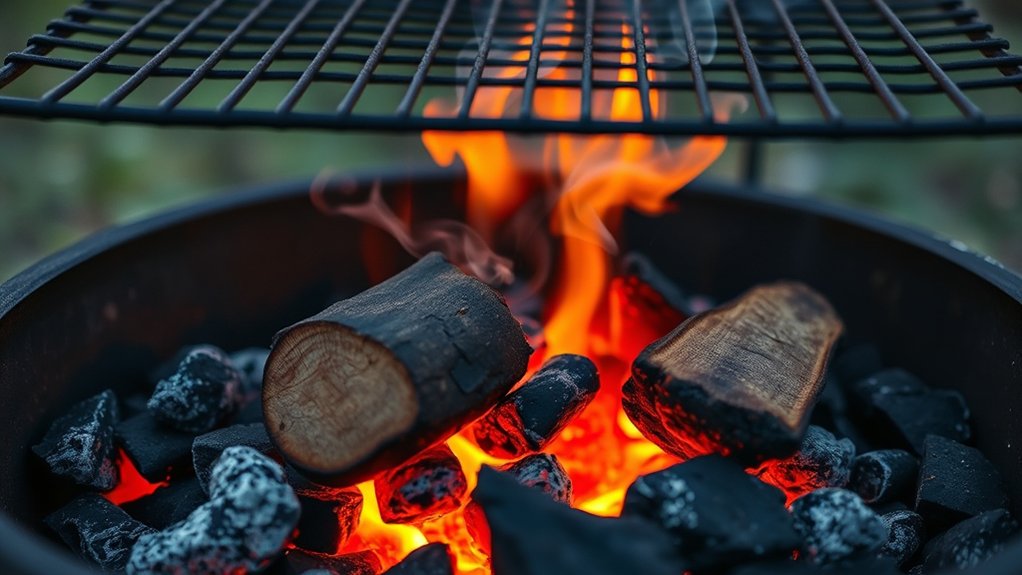
You can definitely use wood in a charcoal grill to boost flavor and heat control. Choose kiln-dried hardwood chunks like hickory or cherry to add rich, aromatic smoke without overwhelming flames. Add the wood to hot coals for steady heat, avoiding bark to keep flavors clean.
Use chunks for longer smoke or chips for quick bursts, and never use lighter fluid. Smart wood use balances smoky flavor and temperature, enhancing your grilling. There’s more to mastering this technique ahead.
Key Takeaways
- Wood chunks can be used with charcoal to add rich, aromatic flavors, especially hardwoods like hickory or cherry.
- Add wood directly to hot coals to ensure steady heat and prevent excessive flames.
- Hardwoods such as hickory, oak, and fruitwoods provide the best flavor and burn cleanly when kiln-dried and bark-free.
- Wood chunks burn longer for sustained smoke, while soaked wood chips provide quick bursts of flavor.
- Avoid using wood with bark or high moisture to prevent unwanted flavors and excessive smoke during grilling.
Can You Use Wood in a Charcoal Grill?
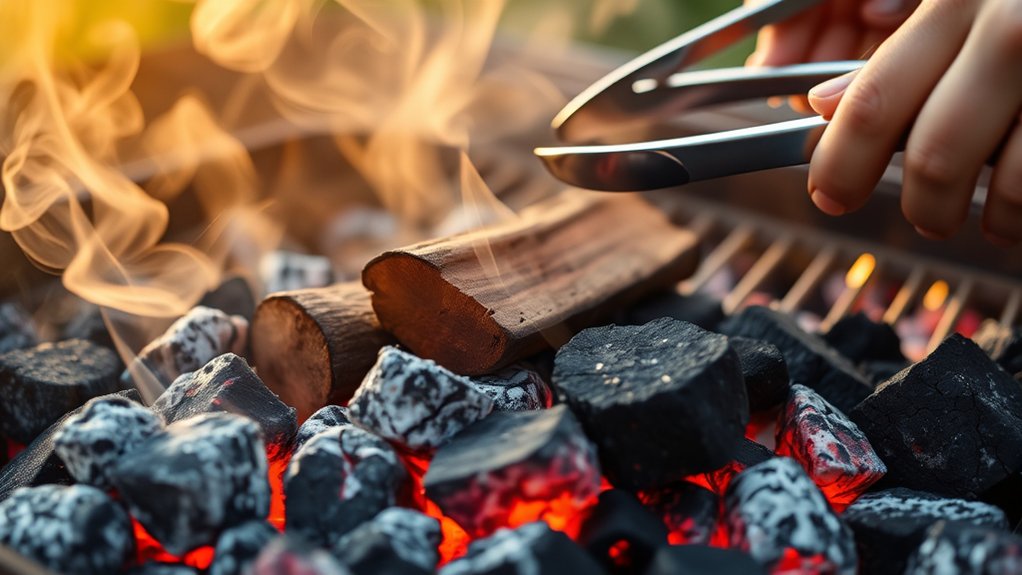
Wondering if you can use wood in a charcoal grill? Yes, you can enhance your grilling by using wood chunks or splits alongside charcoal.
Using wood for smoking adds unique, aromatic flavors to your food, especially when you choose hardwoods like hickory or cherry.
To get the best results, add the wood directly to the hot coals, letting it burn down to coals before placing your food on the grill. This prevents excessive flames and guarantees even cooking.
Combining charcoal with wood offers a steady heat source plus rich smoky notes, perfect for various grilling techniques.
Just avoid wood with bark, as it produces unwanted flavors and excessive smoke that can ruin your meal’s taste.
Using wood correctly really elevates your charcoal grilling experience. It’s a simple way to add depth and flavor to whatever you’re cooking.
Best Wood Types for Your Charcoal Grill
When you’re picking wood for your charcoal grill, it’s best to go with hardwoods that match the meat you’re cooking.
Hickory, for example, gives a strong, smoky punch that really brings out bold flavors.
Then there are fruitwoods like cherry and apple—they add a nice, subtle sweetness and give your meat a rich, appealing color.
Oak and pecan are great if you want something versatile.
They offer balanced flavors and burn steadily, so you can easily adjust your smoke to get just the right taste every time.
Popular Hardwood Choices
Choosing the right hardwood is essential for enhancing the flavor of your grilled dishes, and five popular options stand out for charcoal grilling.
Hickory wood provides a robust, smoky taste perfect for beef and pork. Cherry wood adds a subtle sweetness that complements pork and poultry beautifully.
Oak is a versatile choice, burning evenly and long. It’s ideal for mixing with other woods to create balanced flavors.
Pecan offers a milder hickory flavor with nutty undertones, excellent for fish and poultry.
Mesquite delivers a bold, distinctive taste for those who prefer intensity.
Always use kiln-dried hardwood free from bark to avoid bitter flavors and excessive smoke. This way, your charcoal grill produces the best results every time.
Flavor Profiles Explained
Understanding the distinct flavor profiles of different woods can really elevate your charcoal grilling experience by helping you match the right wood to your ingredients. Choosing the right cooking wood influences the flavor, making your dishes taste just right.
For example, hickory is great for robust meats because of its strong smoke. Cherry wood adds a subtle sweetness that works well with poultry. Apple wood gives a mild, fruity aroma perfect for lighter proteins.
Mesquite brings an intense, earthy smoke, so it’s best used sparingly. Alder wood has a delicate smoke that complements seafood without overpowering it.
| Wood Type | Flavor Profile |
|---|---|
| Hickory | Strong, smoky, robust |
| Cherry | Sweet, mild, reddish finish |
| Apple | Mild, fruity, balanced |
| Mesquite | Intense, earthy, bold (use sparingly) |
When to Use Wood Chunks vs. Wood Chips for Grilling?
A few key differences between wood chunks and wood chips will guide your choice for grilling.
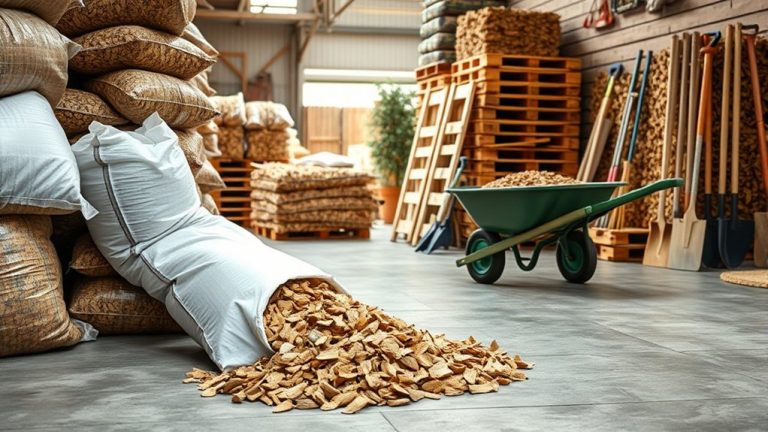
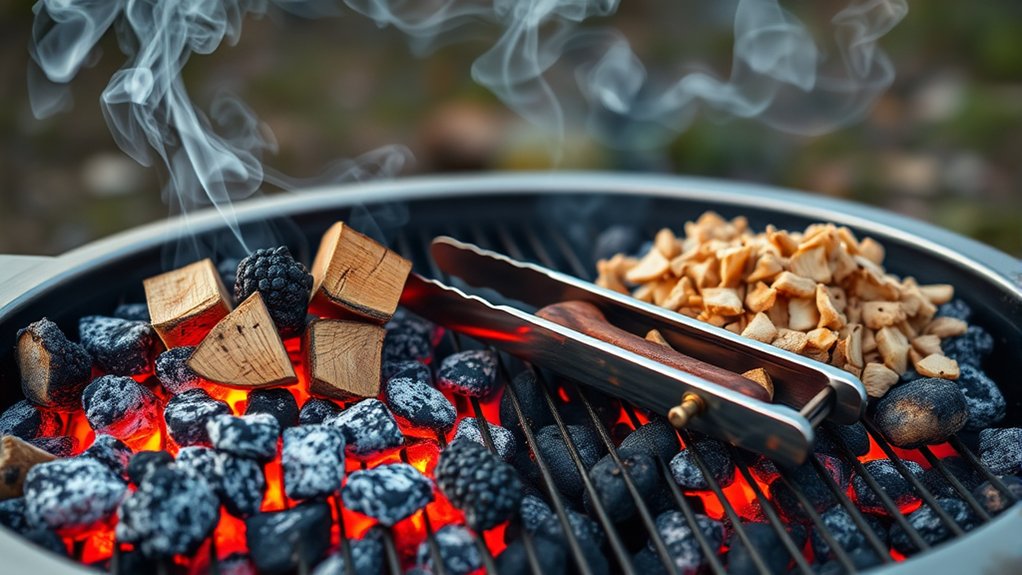
Wood chunks, being larger, burn slower and provide a steady, robust smoke that’s ideal for longer, indirect grilling sessions. You can place them directly on hot charcoal to maintain consistent smoke and heat over time.
Wood chips, on the other hand, ignite quickly and deliver a lighter, more immediate smoke flavor. That makes them perfect for shorter, direct grilling tasks. For best results, soak wood chips in water for 30 minutes before use to extend their smoldering time.
Use wood chunks when you want gradual smoke infusion and sustained flavor.
Wood chips excel when you need a quick burst of smoke, giving your food a fast, flavorful punch.
How to Safely Add and Light Wood in Your Charcoal Grill
To safely add wood to your charcoal grill, start by stacking the firewood with an open center. This helps keep the airflow steady and prevents the fire from getting smothered.
When it’s time to light the wood, use tinder and kindling placed right in the middle. Avoid using lighter fluid since it can leave off-flavors in your food.
Once the wood has burned down to glowing coals and the flames are no longer large, you’re all set.
Now you can manage the heat and get ready to start cooking.
Preparing Wood For Grill
When preparing wood for your charcoal grill, choosing kiln-dried firewood is crucial because it burns hotter and cleaner than air-seasoned wood. Air-seasoned wood can cause inefficient burning and off-flavors, so it’s best to avoid it.
To use wood effectively, stack it with an open center in your grill to keep airflow going and prevent suffocation. Avoid using lighter fluid. Instead, light tinder and kindling placed in the center.
Wait for glowing red-orange coals before you start cooking. This helps guarantee the ideal heat and avoids flare-ups.
| Wood Type | Burning Temperature | Flavor Impact |
|---|---|---|
| Kiln-Dried Wood | High (hotter) | Clean, natural |
| Air-Seasoned | Lower | Off-flavors possible |
| Wet Wood | Low | Smoky, harsh |
| Softwood | Quick burn | Resinous flavors |
| Hardwood | Slow, steady burn | Rich, smoky |
Lighting Wood Safely
Although lighting wood in your charcoal grill might seem straightforward, doing it safely requires careful attention to timing and technique. You should first light the charcoal and let it burn until covered with white ash. Only then add pieces of wood for flavor.
Avoid using lighter fluid on wood; instead, rely on natural fire starters to prevent chemical tastes.
Keep these tips in mind when using lighter and wood in your grill:
- Use kiln-dried hardwood for cleaner smoke and better burn.
- Arrange pieces of wood to allow good airflow with an open center.
- Add wood only after coals glow red-orange for temperature consistency.
- Never apply lighter fluid directly to wood.
- Monitor flames closely to avoid flare-ups.
Following these steps guarantees you light wood safely and enhance your grilling experience. It’s really all about patience and the right approach to get those great smoky flavors without any hazards.
Managing Fire And Heat
Mastering how to manage fire and heat in your charcoal grill takes more than just lighting wood safely. It requires careful control over how and when you add wood to keep the right temperature and smoke balance.
Start by lighting the charcoal fully before adding small, clean, dry wood chunks without bark. This helps prevent unwanted flavors and excessive smoke. Arrange the wood strategically around the coals to guarantee proper airflow. That way, you can manage consistent heat and avoid smothering the fire.
Since wood burns faster than charcoal, keep a close eye on the fire and adjust cooking times and heat levels as needed. Avoid large logs because smaller splits ignite more efficiently and give a balanced smoke flavor.
Controlling Heat and Smoke With Wood and Charcoal
Because controlling heat and smoke is essential to grilling success, you need to manage how wood and charcoal interact in your grill carefully.
Start by letting wood burn down to glowing coals to maintain steady heat and avoid flare-ups. Combining charcoal with wood balances the heat source, providing consistent cooking temperatures while imparting subtle smoke flavor.
Keep airflow steady to prevent the fire from suffocating, which causes uneven heat and off-flavors. Use kiln-dried, bark-free wood to guarantee a clean burn and minimize creosote buildup.
- Let wood become glowing coals before cooking
- Combine charcoal and wood for balanced heat
- Monitor airflow to maintain consistent temperature
- Choose kiln-dried, bark-free wood
- Avoid excessive smoke for clean flavor
Master these steps to control heat and flavor effectively.
How Wood Changes Flavor Compared to Charcoal Alone
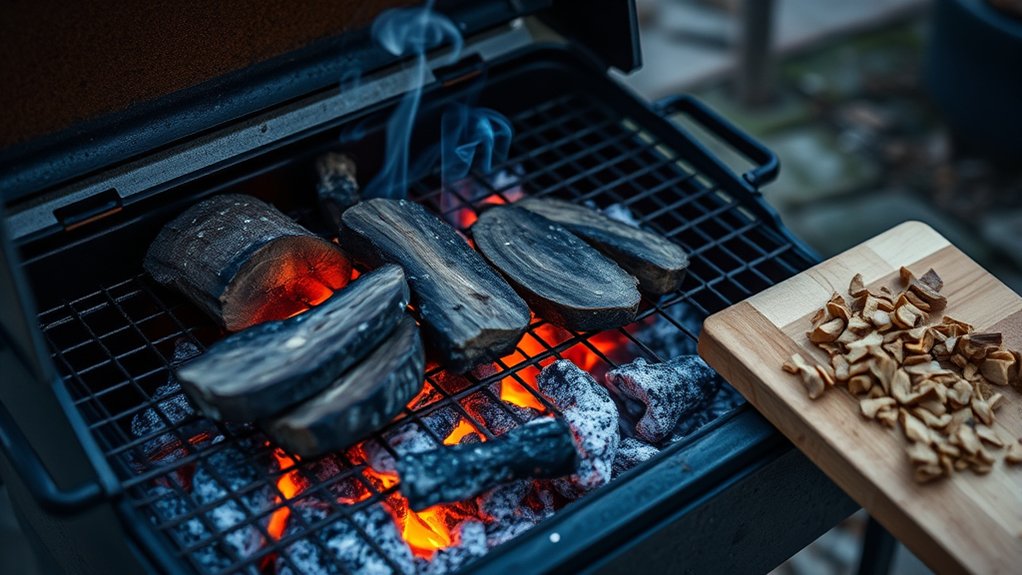
When you add wood to your charcoal grill, you release a range of smoke flavors that charcoal alone can’t provide. Using charcoal by itself offers a clean, consistent heat, but incorporating wood introduces unique smoke profiles that elevate your food’s taste and aroma.
For instance, hickory delivers a robust flavor ideal for hearty meats, while cherry wood adds subtle sweetness. You can customize your grilling by selecting different woods, like pecan for nuttiness or mesquite for bold intensity.
Beyond flavor, wood smoke enhances the color and complexity of your dishes, making them visually appealing and richer in taste.
Common Wood and Charcoal Grilling Mistakes
Adding wood to your charcoal grill can transform your cooking, but it also introduces challenges that can affect flavor and temperature control. To get the best results, you need to use wood properly, understanding that wood burns hot and can easily overpower your food if mismanaged.
Enhance your charcoal grilling by using wood carefully to balance flavor and maintain temperature control.
Avoid these common mistakes:
Using firewood with high moisture content creates excessive smoke and off-flavors.
Adding wood too early causes large flames that burn food before it cooks.
Ignoring airflow adjustments leads to smoldering coals and creosote buildup.
Mixing woods without thinking about their flavor profiles can result in unbalanced tastes.
Neglecting grill cleaning and ash removal restricts airflow and causes temperature fluctuations.
Mastering these points guarantees consistent heat and flavor when using wood with charcoal.
Combining Wood and Charcoal for the Best Grilling Results
Although charcoal provides steady, reliable heat, combining it with wood lets you infuse your food with complex smoky flavors that charcoal alone can’t achieve.
To get the best grilling results, add smaller wood chunks once your charcoal has fully ignited and turned to glowing coals. This prevents excessive flames that can char your food.
Choose wood types like hickory, cherry, or apple for distinct aromas that complement various meats. Using wood chunks alongside charcoal creates a balanced smoky environment without overpowering the heat source.
This combination also allows you to manage versatile cooking techniques, giving you both high heat for searing and low heat for smoking.
Mastering this method elevates your grilling by marrying consistent heat with rich, nuanced flavors. It’s a great way to take your barbecue game up a notch and impress your friends and family.
Give it a try next time you fire up the grill!
Frequently Asked Questions
Can Treated or Painted Wood Be Used in a Charcoal Grill?
You shouldn’t use treated or painted wood in a charcoal grill because burning chemicals in these woods release toxic fumes.
Wood toxicity from preservatives and paint can contaminate your food and pose serious health risks.
When you burn treated wood, harmful substances get into the smoke, ruining flavor and safety.
Always choose natural, untreated wood to avoid wood toxicity and guarantee clean, safe grilling without dangerous burning chemicals.
How Does Humidity Affect Wood Burning in a Charcoal Grill?
Humidity affects wood burning in your charcoal grill like a wet blanket smothering a fire. High humidity increases wood moisture, making it harder to ignite and slowing combustion.
When moisture exceeds 30%, steam replaces smoke production, diluting flavors and reducing cooking efficiency.
Damp wood causes longer ignition times and more smoke, which can create off-flavors.
To guarantee clean, effective burning, you should store your wood in a dry place, especially during humid conditions. Keeping your wood dry really makes a difference when you’re grilling.
Can Wood Ashes Be Safely Disposed of in Compost?
Yes, you can safely compost wood ashes if you follow proper composting guidelines.
Wood ash benefits your compost by adding potassium and essential nutrients, but don’t overdo it. It can raise soil pH too much.
Always use ashes from untreated wood and mix them thoroughly with other compost materials to prevent nutrient loss.
Make sure the ashes are completely cool before adding them to avoid fire hazards.
This approach keeps your compost healthy and balanced.
Does Wood Type Affect the Cooking Time of Grilled Food?
Yes, wood type definitely affects your cooking time. Denser woods like hickory and oak burn slower, giving you a steadier heat and richer smoke flavor. This is perfect for longer cooks.
Softer woods ignite faster but produce more smoke, so you’ll need to watch your food closely to avoid overcooking.
Choosing the right wood density helps you control both cooking time and flavor intensity effectively. It’s all about finding the balance that works for what you’re grilling.
Can I Use Fruit Tree Wood for Grilling Without Prepping It?
You shouldn’t use fruit tree wood for grilling without prepping it first. To enjoy fruit wood benefits and enhance grilling flavor, you need to season the wood and remove the bark. This prevents unwanted bitterness and harsh smoke.
Also, make sure the wood’s dry and clean, avoiding any chemical treatments.
Cutting it into chunks helps with airflow and even burning. That way, your food gets that subtle, sweet flavor fruit wood offers.
Conclusion
You might think tossing random wood on your charcoal grill will instantly turn you into a barbecue master. Spoiler alert, it won’t. But when you choose the right wood, add it carefully, and balance it with charcoal, you reveal flavors charcoal alone can’t touch.
So, skip the guesswork and grill smart. After all, burning just any wood won’t smoke your food to perfection. It’ll just smoke your patience.