
Can You Use Untreated Wood Outside: Risks And Solutions
You can use untreated wood outside, but you’ll face risks like decay, rot, insect damage, and structural weakening from moisture and UV exposure. Untreated wood typically lasts only 1-2 years outdoors and needs regular sealing, good ventilation, and upkeep.
Some species like cedar or redwood handle outdoor conditions better untreated, but pine and hemlock don’t. Protecting wood with penetrating sealers and UV inhibitors helps maintain it longer.
Explore further to understand species, protection methods, and maintenance best practices. It’s worth knowing what works best so your wood lasts as long as possible.
What Risks Does Untreated Wood Face Outdoors?

Anyone considering untreated wood for outdoor use should understand the significant risks it faces from environmental exposure.
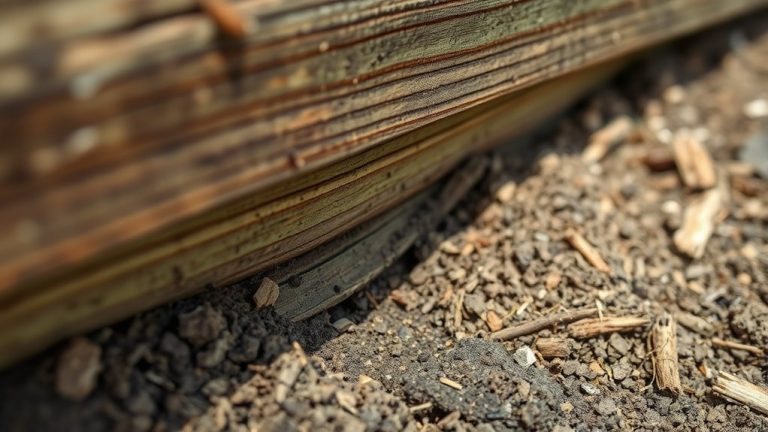
Untreated wood outdoors is especially vulnerable to decay and rot, primarily due to moisture and fungal growth. Rainfall and humidity accelerate this process, compromising structural integrity.
Untreated wood outdoors quickly decays from moisture and fungi, weakening its structure over time.
Moreover, untreated wood’s natural oils degrade under UV exposure, which speeds up deterioration. Insect damage is also a threat because untreated wood lacks protective barriers, making it an easy target for pests.
Seasonal changes like freezing and thawing can cause swelling and cracking, further weakening the wood.
Without regular maintenance like cleaning and sealing, untreated wood outdoors will likely suffer from mildew and structural damage.
These factors highlight the vulnerabilities you need to consider before choosing untreated wood for outdoor projects.
How Long Does Untreated Wood Last Outside?
Untreated wood typically lasts between one and two years outdoors before showing signs of rot, especially in environments with high moisture and frequent rainfall.
When untreated wood is used outside, its lifespan really depends on exposure to things like humidity, rainfall, and UV radiation.
Without any protection, untreated wood is vulnerable to mold growth, cracking, and warping, especially where temperatures change a lot.
These conditions speed up deterioration and can seriously cut down how long the wood lasts.
Some wood species naturally resist decay better, but untreated wood still won’t hold up well without maintenance.
To make untreated wood last longer outdoors, it’s important to apply sealants or finishes.
These help protect it from moisture and UV damage.
Knowing these factors can help you figure out how long untreated wood will actually last when used outside.
Which Untreated Wood Species Handle Outdoor Exposure Best?

Understanding how long untreated wood lasts outside depends not only on environmental factors but also on the type of wood you choose. Among untreated woods, certain wood species exhibit superior durability when used outside.
Cedar stands out for its natural resistance to decay and insects, making it ideal for cladding and fencing.
Redwood’s natural oils protect it effectively from moisture and UV damage, enhancing outdoor longevity.
Cypress also performs well due to its high oil content, which helps resist rot in wet conditions.
White Oak offers strong moisture resistance and density, suitable for exposed furniture and decks.
In contrast, wood species like Pine and Hemlock are less durable untreated woods and tend to decay quickly without treatment.
So, they’re not recommended for outdoor use unless properly treated.
It’s always a good idea to pick the right wood based on where and how you plan to use it outdoors.
How To Identify Untreated Wood Versus Treated Wood
Distinguishing untreated wood from treated wood involves observing several key characteristics that reflect their different preparation processes.
Untreated wood usually shows a natural, lighter color, while treated wood often has a greenish tint from preservatives. You’ll notice untreated wood feels smoother and more consistent in texture, whereas treated wood may feel rougher due to chemical absorption.
Weight is another clue. Treated wood tends to be heavier because of the preservatives it holds.
Examining the ends of boards helps too; untreated wood looks raw and light, but treated wood appears darker and saturated.
Since some treated wood mimics natural appearance, always check product labels or ask suppliers to confirm.
Understanding these differences helps you accurately identify untreated versus treated wood.
Can Untreated Wood Be Used For Outdoor Decks And Fences?

How well can wood that hasn’t been treated withstand outdoor conditions when used for decks and fences?
Using untreated wood in these applications exposes it to moisture, increasing the risk of decay and rot, especially when in ground contact.
Untreated wood may last only around two years without proper maintenance, particularly in harsh climates.
While immediate staining can offer some protection, it doesn’t match the durability of pressure treated wood or treated lumber designed for outdoor use.
If you choose untreated wood, selecting durable species like cedar or redwood and placing them in shaded, dry areas can help.
But regular inspections and sealant reapplications remain essential.
How To Protect Untreated Wood Without Changing Its Look
Although untreated wood is vulnerable to moisture and UV damage, you can protect it effectively without altering its natural appearance by using clear or matte water repellents and non-film-forming sealers.
These products penetrate the wood grain, providing moisture control and shielding against UV light without creating a surface film that changes texture or color.
They absorb into the wood, protecting against moisture and UV without altering texture or color.
Incorporating UV inhibitors further prevents fading caused by sunlight exposure without yellowing the wood.
For example, Timber Oil Natural offers moisture resistance while preserving the untreated wood’s original tone.
To protect untreated wood outdoors, select treatments that maintain its aesthetic integrity and apply them according to manufacturer guidelines.
This approach guarantees durability and beauty without compromising the wood’s look.
It’s a simple way to keep your wood looking natural while making sure it lasts.
Best Practices For Maintaining Untreated Wood Outdoors
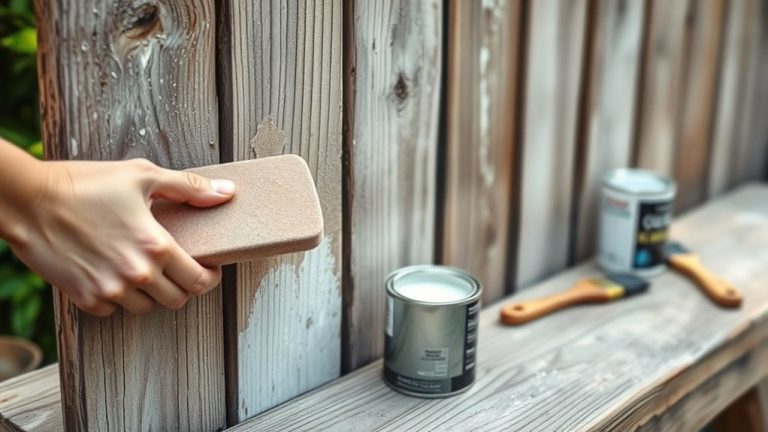
You should clean untreated wood regularly using specialized products like EFC-38 Wood Cleaner to remove dirt and prevent mold growth.
It’s a simple step, but it makes a big difference in keeping the wood looking fresh.
Also, applying seasonal treatments such as breathable timber oils can really help protect the wood from moisture and UV damage.
These oils allow the wood to breathe while shielding it, which is pretty important when it’s exposed to the elements.
Regular Cleaning Techniques
Maintaining untreated wood outdoors requires consistent cleaning to preserve its integrity and appearance. Use regular cleaning techniques with a gentle cleaner like Woodrich EFC-38 to effectively remove dirt, mildew, and residue without damaging the wood fibers.
Make sure to clear debris such as leaves or snow from the surface regularly. This helps reduce moisture buildup, which can speed up rot and mildew growth. It’s a simple step that really makes a difference.
Keep an eye on the wood for any damage, like splits or soft spots. Repairing these issues promptly prevents further deterioration.
Also, applying a breathable wood preservative or sealant made for outdoor use helps protect the wood against moisture while allowing it to breathe naturally.
Seasonal Protection Strategies
Because untreated wood faces different environmental stresses throughout the year, adopting seasonal protection strategies is essential to preserving its structural integrity and appearance.
In spring, you’ll need to clean and inspect for mold due to increased humidity. Taking additional steps to prevent moisture damage is a smart move.
Summer demands UV-blocking treatments to reduce sunlight-induced drying and bleaching. When the sun is strong, protecting your wood helps keep it looking good and lasting longer.
As autumn arrives, regularly clear debris to avoid trapped moisture. Applying water repellents is also key to shielding against rain. These simple habits can make a big difference.
Winter requires breathable covers to prevent ice buildup and minimize cracking from freeze-thaw cycles.
Each season, it’s a good idea to assess your untreated wood’s condition and reapply protective treatments as needed.
These seasonal protection measures, combined with timely maintenance, help extend the lifespan of untreated wood. This way, you ensure durability and preserve its natural aesthetic despite environmental challenges.
Why Avoid Untreated Pine For Outdoor Use
Although untreated pine is a popular and affordable wood choice, it doesn’t hold up well outdoors because it’s very vulnerable to moisture and UV damage. Untreated wood like pine can start to rot pretty quickly, often within 1-2 years when exposed to tough weather conditions.
Its high resin content also makes it easy for UV rays to bleach and weaken the wood. Moisture buildup encourages fungal growth and mildew, which not only look bad but also break down the wood’s strength.
If you do use untreated pine outside, it’s important to keep it off the ground and make sure there’s good ventilation to minimize moisture exposure.
Even with those precautions, untreated pine needs a lot of maintenance and regular sealing, which can get costly and time-consuming.
Frequently Asked Questions
Can Untreated Wood Be Safely Used for Outdoor Furniture?
Yes, you can use untreated wood for outdoor furniture, but durability concerns are significant because of exposure to weather. You’ll find aesthetic options like cedar or redwood that naturally resist decay better.
To address durability, follow maintenance tips such as applying sealants and cleaning regularly. This proactive care helps preserve both appearance and strength.
While untreated wood offers budget-friendly choices, expect more upkeep compared to treated alternatives for lasting outdoor use.
It’s definitely doable, but just be ready to put in a bit more effort.
What Natural Oils Help Preserve Untreated Wood Outdoors?
You can use natural oils like teak oil, linseed oil, tung oil, and cedar oil to preserve untreated wood outdoors.
These oils offer natural benefits by penetrating the wood and providing moisture and UV protection without harmful chemicals. It’s a great way to support eco-friendly wood preservation techniques.
Tung oil especially helps enhance water resistance, while cedar oil can repel insects.
Regular reapplication keeps the wood durable and looking good over time. Plus, these oils minimize environmental impact compared to synthetic finishes.
Are There Eco-Friendly Alternatives to Chemical Wood Treatments?
Like a refreshing change, eco-friendly alternatives to chemical treatments exist and work effectively. You can choose natural wood preservatives such as linseed or tung oil, which are biodegradable finishes protecting wood without harmful chemicals.
Sustainable wood options like thermally modified or reclaimed wood also provide durability outdoors.
These methods combine environmental safety with practical protection, letting you maintain wood’s natural beauty while reducing ecological impact.
How Does Untreated Wood Affect Outdoor Allergen Levels?
Untreated wood increases outdoor allergen levels by serving as sources of allergens through mold growth and insect attraction.
You’ll notice moisture in untreated wood promotes mold, which releases spores that can make allergies worse.
Plus, untreated wood attracts insects like termites. These bugs can also trigger allergic reactions nearby.
To minimize these effects, you should regularly maintain and seal the wood.
Doing this reduces its potential to harbor allergens and helps improve your outdoor air quality effectively.
Can Untreated Wood Be Painted Without Prior Treatment?
You can paint untreated wood without prior treatment, but it’s like expecting a snowman to survive a desert. It’s challenging at best.
Wood preparation techniques, such as cleaning and drying, are essential to improve paint adhesion.
Without primer, you’ll face paint adhesion challenges and long-term durability concerns. Untreated wood’s porous nature causes peeling and flaking.
Using a high-quality primer and breathable, UV-resistant paint helps guarantee better protection and longevity.
Conclusion
You might think untreated wood outdoors will instantly collapse into splinters, but it’s not quite that dramatic. The risks are real, though. Untreated wood faces relentless decay, pests, and weather damage, especially if it’s softwood like pine.
Still, with the right species and proper maintenance, you can extend its life considerably. Just don’t ignore protective treatments if you want your wood to survive beyond a few seasons without turning into nature’s chew toy.