Can You Convert A Gas Fireplace To Wood Burning: Full Guide
You can convert your gas fireplace to wood burning, but first, you’ll need a masonry fireplace and a chimney rated for solid fuels. Have a licensed professional inspect the chimney and ventilation system. They’ll replace gas logs and install a proper Class-A liner, firebrick panels, and a wood grate.
Expect costs between $3,000 and $7,800, including permits and safety upgrades. With the right preparation and care, you’ll enjoy the warm ambiance and savings of a wood fire. Keep exploring to fully understand the process and safety tips.
Can You Safely Convert a Gas Fireplace to Wood Burning?
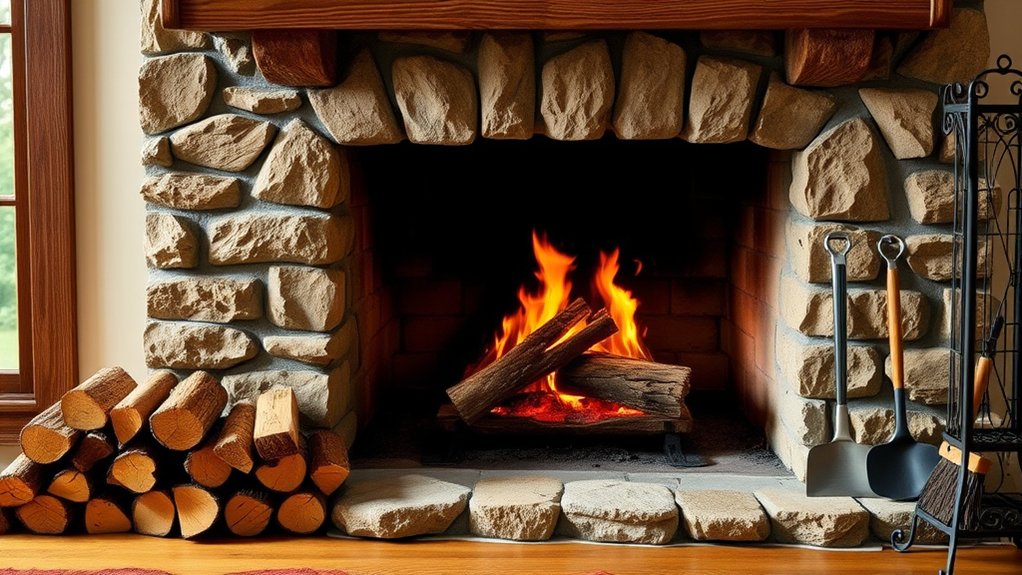
How can you safely convert a gas fireplace to wood burning? First, understand that not all gas fireplaces are suitable for wood-burning fireplace conversion. Typically, only masonry fireplaces can be converted safely.
Not all gas fireplaces can be converted; usually, only masonry fireplaces are safe for wood-burning conversion.
You’ll need to inspect your chimney to guarantee it’s Class-A rated for solid fuels. If it isn’t, upgrades are necessary to maintain chimney safety. Ventless gas units must be fully removed before conversion.
This process isn’t a DIY project. You should seek professional assistance from a licensed gas fitter and chimney inspector. They’ll make certain your conversion complies with local building codes and safety standards.
Keep in mind, costs can range between $3,000 and $7,800, depending on repairs and materials.
Prioritizing safety and professional guidance is essential when you convert a gas fireplace to wood burning.
How to Determine If Your Gas Fireplace and Chimney Are Ready
First, you’ll want to check if your gas fireplace can actually handle wood burning, because a lot of them aren’t made for that.
After that, it’s a good idea to get your chimney inspected thoroughly. You want to make sure it has a proper flue liner, is structurally sound, and has enough ventilation.
And before you go ahead with any conversion, double-check that all the safety requirements and local codes are being met.
Fireplace Type Assessment
When evaluating whether your gas fireplace can be converted to wood burning, start by identifying the type of fireplace you have. A fireplace type assessment is essential because only masonry fireplaces are usually suitable for conversion. Ventless gas fireplaces can’t be converted and must be removed entirely.
Next, inspect your existing gas fireplace’s firebox to see if it can handle the higher temperatures from wood burning. Also, examine the chimney liner; it must be rated for solid fuels and sized appropriately, typically 6 to 8 inches, to match the wood stove’s exhaust collar. These factors directly impact the safety and feasibility of converting a gas fireplace.
Remember to check local codes before proceeding, as regulations can affect your ability to convert. It’s always better to be safe and informed than to run into trouble later.
Chimney Inspection Essentials
After evaluating your fireplace type and firebox, turn your attention to the chimney to see if it’s ready for wood burning. Start with a thorough chimney inspection, focusing on the flue’s size and integrity. Wood fires produce more smoke and heat than gas, so this step is important.
Make sure your chimney has a proper liner rated for solid fuels. Gas liners won’t do the job. Also, inspect for any signs of past water damage or chimney fires. These issues can compromise safety and might increase conversion costs.
Check the chimney cap to ensure it keeps out rain and animals. This is essential for wood-burning fireplaces.
Finally, double-check that your setup complies with local building codes.
If you’re unsure, hiring a professional to evaluate the entire chimney and fireplace system is the best way to make sure your conversion is safe and successful.
Ventilation And Safety Checks
Although chimney inspection lays the groundwork, guaranteeing proper ventilation and safety is essential before converting your gas fireplace to wood burning.
First, confirm that your chimney meets ventilation requirements. Wood-burning fireplaces need full-height chimneys with flue liners sized between 6 to 8 inches to effectively expel smoke and gases.
During chimney inspection, check for blockages, liner condition, and appropriate height.
Next, verify safety compliance with local building codes, which often differ for wood burning, especially in Wisconsin and Eastern Minnesota. Factory-built gas units may not have the necessary clearances or thermal mass and might require removal.
Finally, schedule a professional assessment to evaluate your existing setup thoroughly. This step guarantees all ventilation and safety standards are met before proceeding with the conversion, protecting your home and family.
It’s definitely worth the extra peace of mind.
How to Prepare Your Chimney and Venting for Wood Burning
Before you convert your gas fireplace to wood burning, it’s a good idea to have your chimney thoroughly inspected. This way, you can make sure it’s structurally sound and meets all local codes.
You’ll want a full-height chimney with a properly sized liner—usually between 6 to 8 inches—to safely vent wood smoke and gases.
Also, don’t forget to check if your venting system needs any upgrades.
Sometimes, adding an insulated liner or installing a new chimney cap can make a big difference in handling the conditions from a wood fire safely.
Chimney Inspection Essentials
When converting a gas fireplace to wood burning, you’ll want to start with a thorough chimney inspection to verify it can handle the demands of wood smoke.
Focus on the chimney’s structure and flue liner condition, making certain the liner is insulated and intact to safely channel smoke. Check the chimney cap for damage or blockages, since a compromised cap can allow rain or animals inside, creating hazards.
Confirm that the chimney flue size matches your wood stove’s exhaust requirements, typically 6 to 8 inches, to maintain proper draft.
Finally, review local building codes during your inspection to guarantee your chimney meets all safety regulations for wood burning.
Addressing these essentials upfront helps prevent fire risks and promotes efficient, safe operation.
Venting System Requirements
Since wood burning produces higher temperatures and more smoke than gas fireplaces, you’ll need a properly designed venting system to handle these demands safely.
Start by installing a Class-A chimney system, which is built to withstand intense heat and efficiently vent smoke.
A chimney liner is essential, usually stainless steel, to protect the chimney walls and reduce creosote buildup.
Make sure the flue size matches your wood stove’s exhaust collar, typically between 6 to 8 inches, to maintain proper draft and airflow.
Your chimney must be full-height to effectively carry smoke outside and prevent backdrafts.
Don’t forget regular inspections and maintenance, especially of the chimney cap, to avoid rain damage and animal blockage.
This way, your venting system requirements meet safety standards.
What Materials Do You Need for Fireplace Conversion?
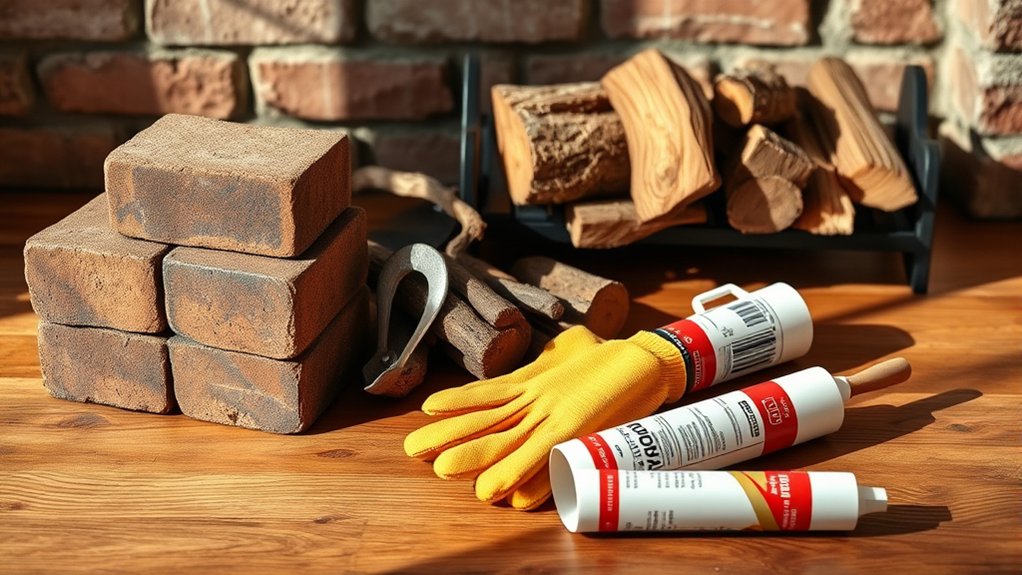
To convert your gas fireplace to wood burning, you’ll need several key materials that guarantee safety and efficiency.
Start with a chimney liner designed for solid fuels, which guarantees proper venting during wood combustion.
Firebrick panels are essential to line the firebox interior, providing heat resistance and protecting the fireplace structure.
You’ll also need a wood-burning insert or grate to support the wood and promote effective burning.
Don’t forget to disconnect the gas line safely using the right tools before installation.
Additional venting components might be necessary to comply with local codes and maintain safe operation.
Gathering these materials upfront sets a solid foundation for a smooth and secure conversion process.
Collecting all necessary materials beforehand ensures a safe, efficient, and hassle-free fireplace conversion.
Taking the time to prepare ensures everything goes well without any surprises along the way.
How to Convert Your Gas Fireplace to Wood Burning
Before you start converting your gas fireplace to wood burning, have a licensed professional inspect your fireplace and chimney to confirm they’re suitable for wood use. Many gas fireplaces aren’t designed for wood, so this step is essential.
Next, follow these key steps to convert your gas fireplace to wood:
- Safely disconnect and cap the gas line to prevent leaks.
- Make necessary chimney modifications, including installing a class-A chimney liner for proper venting and safety.
- Perform fireplace adjustments by removing the gas log kit, installing a wood grate, and adjusting the firebox and damper to accommodate wood burning.
These steps guarantee your fireplace operates safely and efficiently after conversion. Taking the time to do this right means you can enjoy cozy wood fires without worry.
Costs and Permits for Fireplace Conversion
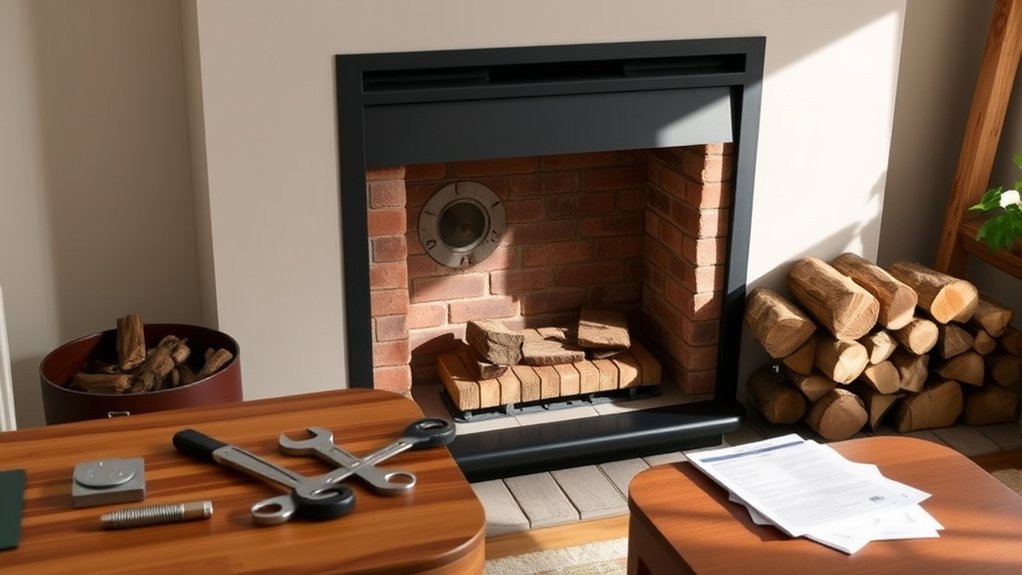
Although converting your gas fireplace to wood burning can enhance your home’s warmth and ambiance, the process involves several costs and permits you need to evaluate.
Conversion costs typically range from $3,000 to $7,800, influenced by your chimney’s condition and home requirements.
You’ll also face plumbing disconnect fees around $150 to $300 to cap the gas line, and chimney liner installation can add $1,500 to $2,500.
Hearth modifications, necessary for safety compliance, may increase costs by $400 to $1,200.
Local building codes, especially in regions like Wisconsin and Eastern Minnesota, require specific permits that affect the timeline and expenses.
It’s wise to budget extra for unforeseen complications since issues with the chimney or permits can raise overall costs during your fireplace conversion.
What Are the Pros and Cons of Wood-Burning Fireplaces?
Why consider switching to a wood-burning fireplace? Wood-burning fireplaces offer a cozy, traditional feel with the crackling fire and natural warmth. But they come with some important considerations. Here are three key pros and cons to weigh:
Experience the cozy warmth of a wood-burning fireplace while weighing its unique benefits and challenges.
1. Ambiance and Independence: You get a classic atmosphere and heating that works even during power outages.
Plus, it can potentially lower your energy bills.
2. Maintenance and Safety Factors: You’ll need regular chimney inspections and cleaning to prevent hazards.
Managing fuel and ash removal is part of the routine, too.
3. Higher Temperatures and Structural Needs: Wood fires burn hotter, so your fireplace must have a firebox and chimney liner designed to handle intense heat safely.
Balancing these factors helps you decide if wood-burning fireplaces suit your lifestyle and home safety needs.
Why Hire a Professional for Your Fireplace Conversion?
Because converting a gas fireplace to wood burning involves many technical and safety considerations, hiring a professional is vital to guarantee the job is done correctly.
Fireplace conversion requires careful handling of the gas supply, including safely disconnecting and capping the line to prevent leaks or hazards.
Professionals conduct thorough inspections of the existing fireplace and chimney, confirming they’re suitable for wood burning and identifying any repair needs.
They also perform chimney sweeping to clear soot and creosote buildup, improving safety and ventilation.
Experts guide you in selecting proper materials like chimney liners and firebrick panels, which are essential for efficient and safe operation.
By hiring a professional, you comply with building codes, avoid costly mistakes, and secure a safe, reliable wood-burning fireplace.
It’s really the best way to ensure everything runs smoothly and safely.
Frequently Asked Questions
How Do Wood-Burning Fireplaces Impact Home Insurance Policies?
Wood-burning fireplaces impact your fire insurance by triggering a risk assessment that often leads to policy adjustments.
Insurers may raise your premiums or change coverage limits because of the increased fire hazards and smoke damage risks.
You’ll need to notify your provider to avoid denied claims.
They might also require regular chimney inspections to keep things safe.
Staying proactive like this guarantees your coverage stays valid and fits your fireplace’s specific risks.
Can I Still Use My Gas Fireplace After Conversion?
You can’t use your gas fireplace after conversion because the gas line must be safely disconnected during the process.
Since fuel types differ, safety precautions require that you only burn wood once converted. The conversion process alters the fireplace’s design, affecting its aesthetic appeal and function.
To guarantee safety and compliance, always get a professional inspection before switching fuels.
And remember, reverting back to gas is complicated and often not recommended.
What Maintenance Is Required for a Converted Wood-Burning Fireplace?
You should schedule an annual flue inspection since 80% of chimney fires result from neglected maintenance.
Regular chimney cleaning is essential to prevent creosote buildup, which is a major fire hazard.
Store your firewood properly, making sure it’s seasoned and dry. This helps reduce smoke and pests.
Always follow safety measures like checking the damper’s seal and removing ashes frequently to keep airflow efficient.
These steps keep your converted wood-burning fireplace safe and effective year-round.
Are There Eco-Friendly Wood Options for Burning?
Yes, you can choose sustainable wood types like oak, maple, and birch for eco-friendly burning.
Using efficient burning techniques, such as burning seasoned wood with low moisture, helps reduce smoke and creosote buildup.
Also, consider alternative fuel options like certified wood pellets for cleaner combustion.
Plus, sourcing your wood locally cuts down on transportation emissions and supports your community.
Managing your wood supply responsibly makes your fireplace greener and more efficient overall.
It’s a simple way to enjoy warmth while being kind to the environment.
How Does a Wood-Burning Fireplace Affect Indoor Air Quality?
Imagine lighting a fire in a medieval castle. Without proper ventilation, smoke emissions fill the room and cause serious health concerns.
When you use a wood-burning fireplace, indoor pollutants like particulate matter increase and impact your air quality.
You’ll need excellent ventilation and possibly air filtration to reduce these risks. Regular chimney maintenance helps a lot.
But be mindful: poor airflow can trap harmful smoke indoors, which affects your breathing and overall health.
Conclusion
Converting your gas fireplace to wood burning can be as rewarding as tending a garden. It requires care, preparation, and the right tools. By evaluating your fireplace and chimney, preparing venting, and understanding costs and permits, you’ll guarantee a safe, efficient changeover.
Remember, hiring a professional helps avoid costly mistakes and keeps your home safe. With these steps, you’ll enjoy the warmth and charm of a traditional wood fire. It’ll enhance your living space beautifully.