Can You Burn Pine In A Wood Stove: Pros And Cons
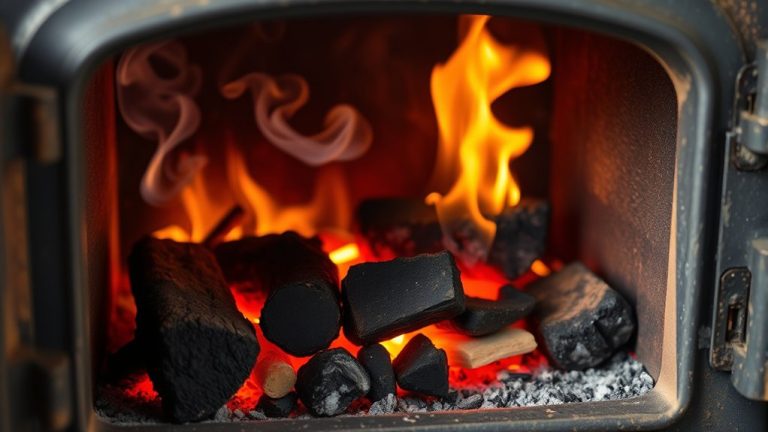
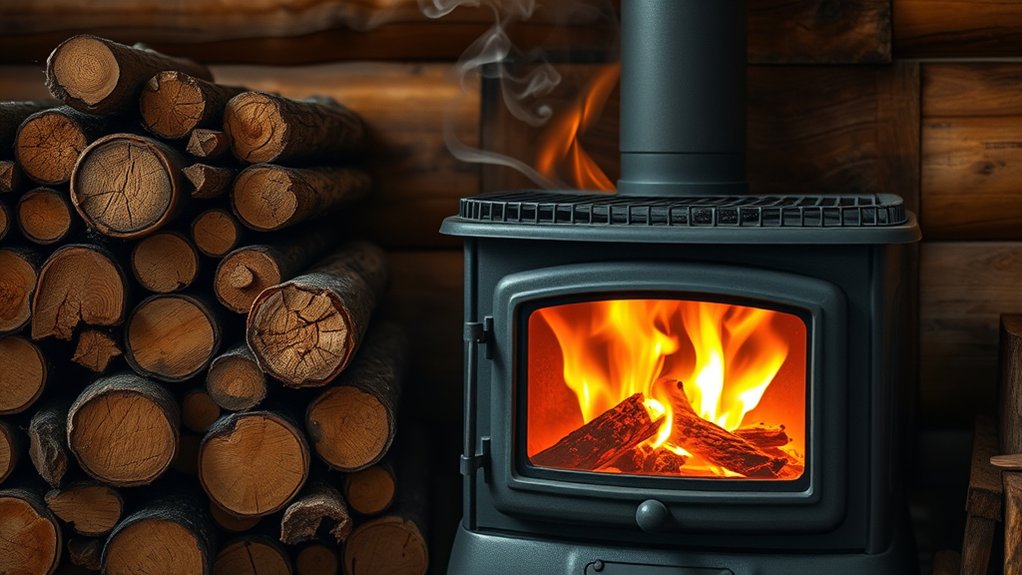
Yes, you can burn pine in a wood stove, especially if it’s properly seasoned below 20% moisture for efficient combustion. Pine lights quickly and produces a hot initial flame, making it ideal for starting fires.
However, it burns faster and produces more ash than hardwoods, so you’ll need to do maintenance more often. Creosote concerns are minimal if you follow good burning practices and keep up with regular chimney care.
Understanding pine’s unique characteristics helps you optimize safety and stove performance. There are more tips available to help you manage its use effectively.
Common Warnings and Myths About Burning Pine Wood
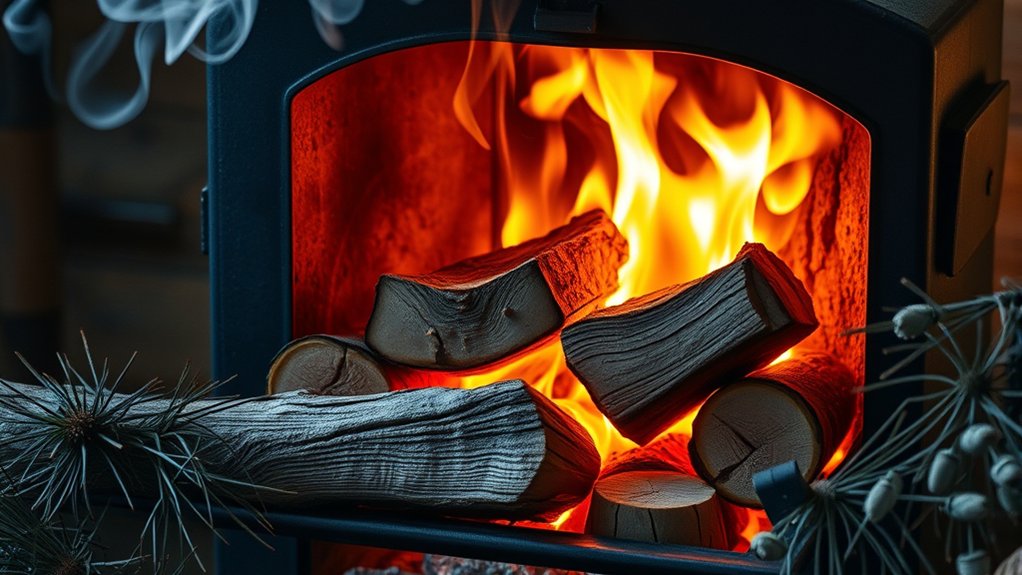
Although many warnings circulate about burning pine wood, much of the concern comes from outdated information tied to older fireplace designs rather than modern wood stoves.
You’ll find that the common belief linking burning pine to increased creosote buildup and chimney fires is mostly a myth.
Creosote buildup mainly depends on low combustion temperatures and wood with high moisture content, not the pine species itself.
Pine’s resinous nature can cause popping or spitting, but this doesn’t automatically raise fire risks if you burn properly seasoned wood.
Research shows no significant difference in creosote production between pine and hardwoods when you maintain good burning practices.
How Pine Firewood Differs From Hardwoods
When you choose pine firewood over hardwoods, you’ll notice it ignites more quickly and produces a hotter initial flame, making it excellent for starting fires.
Pine firewood has a lower density than hardwoods, so it burns faster but doesn’t provide the same long-lasting heat. Its higher resin content causes more popping and spitting, which can affect safety and cleanliness.
In contrast, hardwoods burn steadier with less noise and produce longer-lasting heat, requiring less frequent refueling.
Both pine firewood and hardwoods need to be seasoned to a moisture content below 20% for ideal combustion.
Moreover, burning pine generates more ash, demanding more frequent stove and chimney maintenance compared to hardwoods.
Understanding these differences helps you choose the right wood for your heating needs.
Burning Seasoned Pine: Effects on Stove Performance
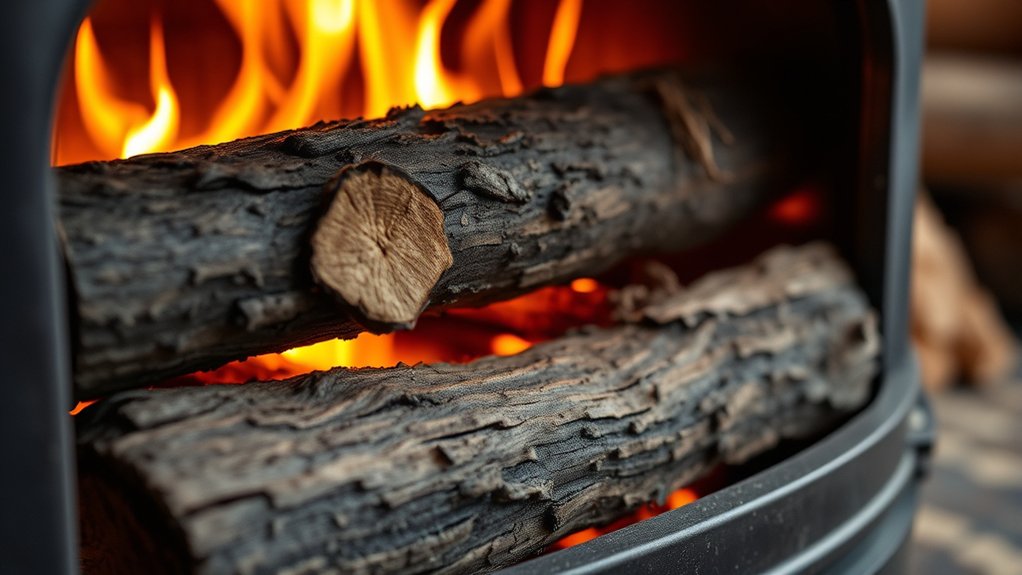
When you burn seasoned pine that has less than 20% moisture, it burns more efficiently. This means you get more heat and less smoke.
That’s great because a cleaner burn helps reduce creosote buildup in your chimney.
Less creosote means your chimney is safer and you won’t have to clean it as often.
Moisture Content Importance
Since moisture content directly affects combustion efficiency, burning seasoned pine with less than 20% moisture greatly improves your wood stove’s heat output while reducing creosote buildup.
Ideally, seasoned pine should have moisture content near 10% to optimize burning performance and minimize soot production. To achieve this, use a moisture meter to verify that freshly split pine is adequately dried before use.
Wet or inadequately seasoned pine causes heat loss and increases tar accumulation, which compromises your stove’s performance and raises chimney maintenance needs.
Properly seasoned pine burns hotter and more consistently, providing quick, intense heat. This is especially beneficial during changing seasons.
By managing moisture content carefully, you guarantee safer, more efficient operation and extend your wood stove’s lifespan.
It really makes a difference in how your stove performs and how often you have to clean the chimney. So, always check your wood before burning to get the best results.
Combustion Efficiency Impact
Although achieving ideal combustion efficiency depends on multiple factors, burning seasoned pine with moisture content below 20% notably boosts your wood stove’s performance.
When you burn wood that’s properly seasoned, about 80% of heat energy is extracted from volatile hydrocarbons, which greatly improves combustion efficiency.
Modern wood stoves are designed for enhanced gas combustion and reach roughly 60% efficiency, outperforming older fireplaces.
Using dry pine reduces heat loss and limits unburned gases from escaping, optimizing fuel use and stove output.
This heightened combustion efficiency means your stove generates more consistent heat while requiring less fuel.
Plus, maintaining higher combustion temperatures helps preserve stove components and performance.
Creosote Buildup Reduction
If you want to minimize creosote buildup in your wood stove and chimney, burning seasoned pine with moisture content below 20% is essential. Seasoned pine combusts more efficiently, reducing wood gas emissions that condense into creosote. Modern stoves operating near 60% efficiency enhance this process.
You should monitor stove temperature and airflow to maintain ideal combustion. Furthermore, stainless steel chimney liners help sustain higher flue temperatures, which further decreases creosote formation. Regular cleaning remains vital since pine produces more ash and soot, increasing maintenance demands.
| Factor | Impact on Creosote Buildup | Best Practice |
|---|---|---|
| Moisture Content | High moisture increases buildup | Use seasoned pine <20% moisture |
| Stove Efficiency | Higher efficiency reduces gases | Maintain >60% efficiency |
| Chimney Temperature | Low temp promotes condensation | Use stainless steel liners |
| Maintenance Frequency | More ash requires frequent cleaning | Clean regularly |
Pine Firewood Burn Time and Heat Output
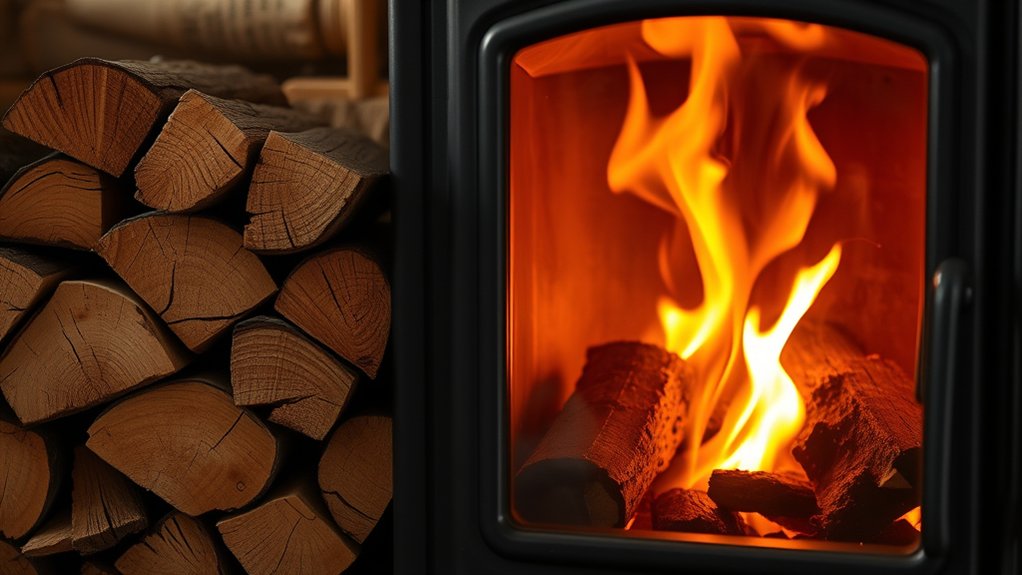
Pine firewood typically burns for about 1.5 hours, though this depends on the size of the wood pieces and how efficient your stove is.
Because pine wood has a lower density, it burns faster than hardwoods. This means shorter burn time and more frequent refueling.
Pine’s high sap content causes a hotter initial burn, producing significant heat quickly. That’s great if you want to warm up fast.
But the rapid combustion also means it doesn’t provide sustained heat like denser wood species.
If you rely solely on pine wood, expect to manage shorter heating cycles.
Knowing pine wood’s burn time and heat output helps you optimize your stove’s operation. This way, you can keep consistent warmth while accounting for how quickly it burns.
Best Uses for Burning Pine in Wood Stoves
Quick ignition and rapid heat generation make pine an excellent choice for kindling and short-term fires. When you burn pine in a wood stove, it’s ideal for starting fires quickly or providing supplemental heat during changing seasons. Properly seasoned pine, with moisture below 20%, guarantees efficient combustion and a pleasant aroma.
Because pine burns faster and has a lower density than hardwoods, you’ll need to refuel your wood stove more frequently. Pine’s affordability and availability also make it a practical option for casual use or when hardwood is scarce.
However, due to its resin content, pine is best reserved for shorter burn cycles rather than long, steady heating. Use pine strategically in your wood stove to maximize convenience and warmth without compromising efficiency.
It’s a smart way to enjoy quick heat when you need it, but keep in mind it won’t last as long as hardwood. So, mix it up depending on your heating needs and make the most of what pine has to offer.
Managing Creosote and Chimney Safety With Pine
When you burn wood with a high resin content like pine, managing creosote buildup becomes critical for chimney safety. Pine’s sap causes more soot, so make sure the moisture content stays below 20% for efficient combustion.
Low burning temperatures and wet wood increase the risk of chimney fires—not pine itself. A stainless steel liner helps boost chimney temperature, which reduces creosote accumulation.
Regular cleaning and inspection are essential to prevent dangerous blockages. Keeping up with maintenance is key to staying safe and avoiding costly repairs.
| Factor | Impact on Creosote | Safety Tip |
|---|---|---|
| Moisture Content | High moisture increases creosote | Use wood below 20% moisture |
| Burning Temperature | Low temperature causes creosote | Maintain hot fires |
| Chimney Liner | Stainless steel reduces buildup | Install stainless steel liner |
| Maintenance | Frequent cleaning needed | Schedule regular chimney sweeps |
Maintaining Your Stove and Chimney When Using Pine
Proper upkeep of your stove and chimney plays a big role in managing creosote buildup caused by burning pine. To prevent chimney fires, make sure to clean your stove and chimney regularly using a brush designed for stovepipes. Pine produces more soot than hardwoods, so keeping things clean is especially important.
Also, keep an eye on airflow and temperature in your wood stove. This helps ensure efficient combustion and cuts down on creosote formation. It’s a good idea to have a moisture meter handy to check that your pine logs have less than 20% moisture content. Burning wood that’s too wet can cause more creosote and be unsafe.
Don’t forget to schedule professional chimney inspections at least once a year. If you burn pine often, you might want to get your chimney checked more frequently.
Staying on top of maintenance minimizes creosote buildup, lowers the risk of chimney fires, and keeps your stove running safely and efficiently when burning pine.
Frequently Asked Questions
Can Burning Pine Wood Affect Indoor Air Quality?
Yes, burning pine wood can affect your indoor air quality because of its smoke emissions. Pine has a high resin content, which produces more volatile organic compounds. These compounds can worsen respiratory health, especially if your stove isn’t properly vented.
Using well-seasoned pine with low moisture helps reduce harmful emissions.
Also, maintaining your wood stove regularly improves combustion efficiency. This means fewer indoor pollutants and better air quality overall.
By managing smoke emissions carefully during combustion, you’ll protect your respiratory health.
It’s all about keeping your space safe while enjoying the warmth from your fire.
Is Pine Wood More Affordable Than Hardwoods for Firewood?
Yes, pine wood is generally more affordable than hardwoods for firewood because it grows faster and is more abundant. This abundance helps keep the cost down quite a bit.
You’ll also find that pine seasons quicker, which means it’s ready to burn sooner and can be more efficient for short-term use.
But keep in mind, pine’s lower density means it burns faster and produces less heat per cord than hardwood.
What Is the Best Way to Store Pine Firewood?
For ideal seasonal storage of pine firewood, keep it in a dry, well-ventilated area elevated off the ground using racks or pallets. This helps prevent moisture from seeping in and keeps your wood dry.
Controlling moisture is key, so cover only the top with a tarp or wood cover. Make sure to leave the sides open to allow airflow. This helps prevent mold and rot from developing.
Stacking logs in a single row also enhances drying and helps maintain moisture content below 20%.
Try to avoid enclosed spaces or placing wood directly against structures. This keeps things safe and ensures effective moisture control.
Proper storage means your firewood will burn better and last longer.
Does Pine Wood Produce More Ash Than Other Woods?
Yes, pine wood produces a higher ash quantity compared to denser hardwoods because its lower wood density and higher resin content cause more residue to remain after burning.
You’ll notice that the ash is lighter and powdery, which makes cleanup easier but more frequent.
To manage ash quantity effectively, consider mixing pine with hardwoods.
This balances the ash production and helps maintain better airflow and stove efficiency.
It’s a simple way to get the best of both worlds when burning wood.
Can Pine Resin Damage Stove Components Over Time?
Pine resin buildup can absolutely wreak havoc on your stove components over time. It hardens under high heat, causing clogs and making cleaning a nightmare.
To protect your stove, follow maintenance tips like regular inspections and thorough cleaning of resin deposits.
Using well-seasoned pine helps reduce sap release, which minimizes buildup. Ignoring resin accumulation risks damage and reduces your stove’s efficiency.
Conclusion
You can burn pine in your wood stove, but it’s essential to use well-seasoned logs to avoid excessive creosote buildup. Imagine the crisp crackle of pine flames, releasing bright heat quickly but burning faster than hardwoods.
To keep your stove and chimney safe, stay vigilant with regular cleaning and maintenance. By understanding pine’s unique traits, you’ll enjoy efficient warmth without risking damage or smoky buildup in your home.