
Can I Use Tempera Paint On Wood: What To Expect
You can definitely use tempera paint on wood, but know it needs careful prep to look its best. Start by cleaning and lightly sanding your wood, then apply a primer like gesso to help the paint stick. Thin layers dry quickly and prevent cracking.
Remember, tempera stays water-soluble, so sealing it with a clear finish is key for durability. It’s not ideal for outdoor use, but your painted piece will really pop indoors. If you want tips on perfect wood choices and sealing tricks, keep exploring.
What Is Tempera Paint?

Tempera paint offers a vibrant splash of color with its fast-drying, water-based formula that delivers a matte finish perfect for your craft projects or classroom activities.
When you use tempera paint, you’re working with a non-toxic, allergen-free option that’s safe for kids and easy to clean up.
This water-based paint dries quickly, usually within 5 to 10 minutes for thin layers, letting you build layers without long waits.
You’ll find tempera in liquid, powdered, or paint stick forms, often sold as poster paint in art stores.
It’s ideal for paper and cardboard but isn’t suited for outdoor use since it can wash away with moisture.
Understanding these traits helps you decide how and where to best apply tempera paint.
How Tempera Paint Performs on Wood
Although wood offers a sturdy canvas, using water-based paints like tempera requires careful preparation to guarantee your artwork lasts. When working with tempera paint on wood, consider these essential steps to achieve vibrant, lasting results:
- Apply a primer coat, such as gesso, to smooth the surface and improve paint adhesion.
- Use thin layers of tempera paint to prevent cracking or flaking, as thicker coats can easily damage.
- Seal tempera paint with a clear protective finish to enhance durability, especially since tempera is prone to washing away when exposed to moisture.
Keep in mind, tempera paint on wood isn’t ideal for outdoor or frequently handled pieces due to its delicate nature.
Following these steps will help you preserve your artwork’s brilliance and longevity.
Best Woods to Paint With Tempera

Choosing the right wood can make all the difference when you want your paint to shine and last. The best woods to paint with tempera are unfinished softwoods like pine and poplar. Their porous structure allows tempera paint to adhere deeply, giving vibrant, lasting color.
Avoid sealed or varnished wood, as tempera struggles to stick to smooth, non-porous surfaces. While tempera is water-soluble, proper priming with gesso can improve adhesion and coverage on unfinished wood.
| Wood Type | Why It’s Ideal |
|---|---|
| Pine | Soft, porous, absorbs paint well |
| Poplar | Smooth yet porous, great for tempera |
| Sealed/Varnished | Not recommended, paint won’t adhere |
Selecting the right unfinished wood guarantees your tempera project looks stunning and lasts longer. It really makes a big difference in the final result.
Preparing Wood Surfaces for Tempera Paint
To get the most vibrant and lasting results, start by thoroughly cleaning your wood surface to remove dust and debris that can block paint adhesion.
Preparing wood surfaces properly guarantees your tempera paint adheres smoothly and lasts longer.
Here’s how to prep your wood:
- Lightly sand the surface to smooth out rough or unfinished areas, creating an ideal texture for paint to grip.
- Avoid varnished or sealed wood because tempera paint won’t stick well to these glossy finishes.
- Apply a primer coat like gesso or a light acrylic wash to form a solid base, boosting adhesion and enhancing color vibrancy.
Following these steps sets the perfect stage for your tempera paint.
It helps you achieve bright, durable artwork on wood.
Step-by-Step Guide to Painting Wood With Tempera

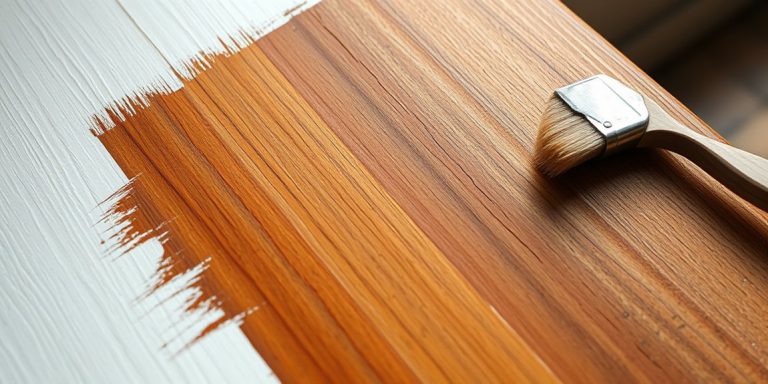
With your wood surface prepped and ready, it’s time to bring your vision to life using tempera paint. Start by applying a primer coat. Gesso or a light acrylic wash works well to guarantee the tempera paint adheres evenly and vibrantly.
Once the primer dries, gently brush on thin layers of tempera paint, allowing each to dry before adding the next. This technique prevents cracking and flaking, preserving your artwork’s integrity.
Apply thin tempera layers, drying each to avoid cracks and keep your artwork flawless.
Embrace the wood’s texture as the paint settles. This adds character to your piece and makes it even more interesting.
After you’re satisfied with the colors, seal the painted wood with a suitable sealant to protect your work and extend its life.
Using Tempera Paint Sticks on Wood
Although tempera paint sticks might seem simple to use, they offer a surprisingly vibrant and tactile way to bring life to unfinished wood surfaces.
When working with painted wooden projects, you’ll want to follow these tips:
Start by sanding and ensuring clean unfinished wood surfaces to help tempera paint sticks adhere smoothly.
Apply thin coats of the paint stick to avoid cracking or flaking; layering gently builds rich color without damage.
Since tempera paint sticks aren’t waterproof, you’ll eventually want to use a sealant to protect your artwork from moisture and wear.
Taking these steps will help your project look great and last longer.
Sealing Tempera Paint on Wood
Once your vibrant tempera paint has transformed the wood, protecting that artwork becomes your next priority.
Sealing tempera paint is crucial because tempera remains water-soluble even when dry. To shield your piece, apply liquid sealants like Liquitex, which create a moisture barrier but may slightly darken the colors.
Alternatively, spray sealants dry quickly and keep the paint’s brightness intact. For indoor projects, Mod-Podge offers a convenient sealant option, though it’s less suitable outdoors due to temperature and moisture sensitivity.
Use proper sealing techniques by applying one or two thin coats. This prevents smearing or discoloration and guarantees lasting protection.
Common Problems and How to Avoid Them
Because tempera paint is water-based and delicate, you’ll want to watch out for a few common challenges to keep your wooden artwork looking its best.
When tempera paint dries, it stays moisture sensitive. So, try not to place your piece where humidity or water exposure is likely.
To avoid cracking, it’s better to apply thin, even layers instead of thick coats that might flake off.
Surface preparation really matters here; sanding and priming with gesso helps the paint stick better and last longer.
And don’t underestimate the importance of sealant. Using a suitable liquid or spray sealant will protect your paint from moisture and wear.
Here’s a quick checklist to avoid issues:
- Prepare your wood surface thoroughly.
- Paint in thin layers to prevent cracking.
- Seal your artwork to shield against moisture sensitivity.
Frequently Asked Questions
Can Tempera Paint Be Mixed With Other Types of Paint on Wood?
You can mix tempera paint with other water-based paints for vibrant color mixing on wood, but avoid oil-based paints to maintain paint adhesion and finish durability.
Focus on layering techniques, letting each layer dry fully to prevent smearing.
Proper surface preparation is key to guarantee smooth application.
Testing small areas helps you gauge how different paints interact, so your final piece looks cohesive and lasts longer.
Give it a try on a small spot first—you’ll get a better idea of how everything works together.
How Long Does Tempera Paint Take to Dry on Wood?
You’ll find tempera paint’s drying time on wood usually takes about 5 to 10 minutes for thin layers, but thicker coats might need 20 minutes or more.
Proper wood preparation, like sanding and priming, speeds up drying and enhances color vibrancy.
When layering paint, work quickly to keep edges sharp.
Since tempera stays water-soluble when dry, consider finish options like sealing to protect your vibrant artwork and guarantee a lasting finish.
Is Tempera Paint Non-Toxic and Safe for Kids?
Imagine vibrant colors flowing freely, yet no harsh chemicals lurking beneath. Tempera paint boasts non-toxic properties that make it ideal for kid-friendly projects.
You’ll appreciate its safe materials, offering a gentle alternative to harsher paint options. Plus, cleanup is a breeze with just soap and water, so you won’t dread the mess.
When you choose tempera, you’re embracing creativity without compromise. It’s all about keeping your little artists safe and happy.
Can I Use Tempera Paint Outdoors on Wood?
You shouldn’t use tempera paint outdoors on wood if you want lasting results. Its outdoor durability is poor and it lacks weather resistance. That means paint adhesion weakens quickly.
You can expect color fading and flaking when the paint is exposed to moisture and sunlight. Even if you prepare the surface really well and use sealants, tempera still struggles to hold up.
For projects that face the elements, it’s better to choose acrylic paint. It sticks stronger, handles weather better, and keeps its color vibrant and long-lasting.
What Tools Work Best for Applying Tempera Paint on Wood?
Wondering which brush types will give you the best results on wood? Use quality flat brushes for broad coverage and round brushes for detailed work. Foam brushes smooth out application on larger surfaces.
Make sure to prepare the wood surface well before you start. Apply thin coats and let each one dry properly to avoid cracking. It really makes a difference in the final look.
You can also experiment with palette knives if you want to add some texture.
And don’t forget to finish with a protective sealant if needed. That way, your artwork stays vibrant and durable over time.
Conclusion
Using tempera paint on wood offers a vibrant, affordable way to add color. Tempera covers about 80% of surfaces evenly when you prep the wood properly. You’ll find it works best on smooth, sealed wood, bringing out vivid hues that dry quickly.
Just remember to seal your masterpiece to protect it from wear. With a little care, your wood project can shine brightly. It blends tempera’s rich pigment with the natural warmth of the grain beneath.