How Hot Can A Wood Fire Get: Temperature Facts And Safety Guide
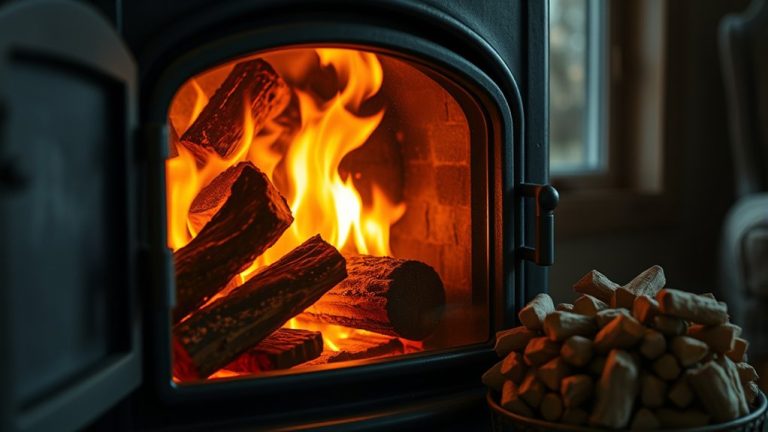
A wood fire inside the firebox can reach between 600°F and 1,500°F, with seasoned hardwoods typically exceeding 1,100°F. Your fire’s temperature depends on the type of wood, moisture content under 20%, and how well you control the airflow.
Stove surfaces heat up to 600°F, but you should keep the temperature between 300°F and 800°F. This helps avoid damage or any hazards. It’s important to watch for signs of overheating and use a thermometer to manage the heat safely.
Learning how to optimize and protect your fire will give you the best results. With a little attention, you can enjoy a warm, safe fire every time.
Key Takeaways
- Wood fires can reach temperatures between 600°F and 1,500°F, with seasoned hardwoods exceeding 1,100°F for optimal combustion.
- Wood stove surfaces and glass doors may heat up to 600°F, while safe operating temperatures range from 300°F to 800°F.
- Overheating signs include glowing stove parts, creaking sounds, and surface temperatures above 800°F, indicating firebox overload or poor ventilation.
- Managing temperature involves controlling airflow, using seasoned wood under 20% moisture, and monitoring with a reliable stove thermometer.
- Safety requires maintaining fire temperatures below 800°F, regular chimney inspections, proper stove clearance, and functional smoke and carbon monoxide detectors.
How Hot Can a Wood Fire Get Inside the Firebox?
Although the exact temperature depends on factors like wood type and airflow, a wood fire inside the firebox can reach between 600°F and 1,500°F.
You’ll find that burning seasoned wood, especially hardwoods, typically raises firebox temperatures above 1,100°F, promoting efficient combustion.
Controlling airflow and making sure your wood is properly seasoned are key to keeping your wood stove at the right temperature.
High firebox temperatures not only improve heat output but also reduce smoke emissions and creosote buildup, which makes everything safer.
To keep your stove running within safe limits, use a reliable thermometer to check firebox temperatures regularly.
This way, you can avoid overheating, which can damage your stove and hurt its performance.
Wood Stove and Fireplace Surface Temperatures
Wood stove and fireplace surfaces can reach temperatures ranging from 300°F to 600°F, with glass doors often heating up just as much. Understanding these surface temperatures is crucial for maintaining safety and optimizing heat output. You should guarantee proper clearances around your wood stove to prevent heat damage and fire hazards.
Monitoring surface temperatures with magnetic thermometers helps avoid exceeding 800°F, which risks damage and unsafe conditions. Operating within 400°F to 650°F balances heat output and limits creosote buildup, improving efficiency.
| Surface Type | Typical Temp. Range | Safety Tip |
|---|---|---|
| Wood Stove Exterior | 300°F – 600°F | Maintain clearance |
| Glass Doors | 300°F – 600°F | Avoid direct contact |
| Max Safe Temp. | Up to 800°F | Use magnetic thermometers |
Proper installation affects these temperatures markedly. So, it’s worth making sure everything is set up just right.
Key Factors That Control Wood Fire Temperature
Surface temperatures tell only part of the story when it comes to how hot your fire can get. Several key factors control the internal temperature range of a wood fire.
First, wood type plays an essential role; hardwoods burn hotter and longer than softwoods due to their density and lower moisture content.
Wood type is crucial; hardwoods burn hotter and longer than softwoods because of their density and moisture levels.
Speaking of moisture content, using seasoned wood, typically below 20% moisture, ensures more efficient combustion and higher temperatures.
Airflow control is equally important. If airflow is restricted, your fire won’t reach peak heat because incomplete combustion lowers the temperature.
Properly managing airflow promotes better oxygen supply, which boosts fire intensity.
Together, these factors—wood type, moisture content, and airflow control—determine how efficiently your fire burns and how high the temperature range can climb.
How Different Wood Types Affect Wood Fire Temperature
When you choose different types of wood for your fire, you directly influence how hot and efficiently it burns. Hardwoods like oak and hickory burn hotter and longer because they’ve higher density and lower moisture content. When properly seasoned, they can reach internal firebox temperatures between 1,100°F and 1,500°F.
On the other hand, softwoods such as pine ignite quickly with temperatures between 390°F and 500°F but don’t produce as much sustained heat. The type of wood also affects how cleanly it burns. Denser hardwoods offer cleaner burns and less smoke.
To get the best fire temperature, try mixing hardwoods for long-lasting heat with softwoods for quick ignition.
Also, avoid burning wet or green wood since its moisture content lowers the temperature and reduces efficiency. Picking the right wood type helps you control and maximize your wood fire’s temperature.
Why You Should Keep Your Wood Fire at the Right Temperature
You want to keep your wood fire at the right temperature to avoid overheating. If it gets too hot, it can damage your stove or even create fire hazards.
Keeping the fire burning efficiently also means less smoke, which is better for you and the environment.
Plus, it helps you get the most heat possible from your wood.
Prevent Overheating Risks
Although wood fires can reach scorching temperatures of up to 2,000°F, you should keep your fire between 300°F and 800°F to avoid serious risks. Operating above 800°F can damage your wood stove and create fire hazards.
Use a stove thermometer to monitor temperatures closely and prevent overheating. Proper airflow management also plays a key role in maintaining safe temperatures and avoiding creosote buildup.
| Temperature Range | Effect on Wood Stove | Safety Tip |
|---|---|---|
| Below 300°F | Incomplete combustion | Increase airflow |
| 300°F – 800°F | Ideal combustion & safety | Maintain with stove thermometer |
| Above 800°F | Overheating & damage risk | Reduce fuel and airflow |
Enhance Combustion Efficiency
Because maintaining a wood fire between 400°F and 650°F optimizes combustion, you’ll experience less smoke and reduced creosote buildup in your chimney.
To enhance combustion efficiency, keep the temperature of a wood fire within this range by burning seasoned hardwood with less than 20% moisture. This guarantees the wood burns hotter and cleaner than wet or softwoods.
Control airflow carefully to boost internal firebox temperatures, maximizing heat output while minimizing fuel waste. Use a stove thermometer to monitor and maintain the ideal temperature consistently.
Staying within this range also supports safer operation and simplifies chimney inspections, as reduced creosote buildup lowers fire hazards.
Maintain Stove Longevity
Maintaining your wood stove temperature between 400°F and 650°F not only enhances combustion but also protects the stove’s components from damage. Proper temperature regulation prevents overheating above 800°F, which can warp metal and cause costly repairs. This ultimately reduces stove longevity.
Keeping the fire within this range also minimizes creosote buildup, lowering fire hazards and improving safety. To achieve this, use seasoned hardwoods with less than 20% moisture content. They burn hotter and cleaner, helping to sustain ideal temperatures.
Regularly monitor your stove with a magnetic thermometer and adjust airflow as needed to maintain consistent heat.
Also, schedule annual chimney inspections to catch potential problems early. By managing your wood fire carefully, you’ll extend your stove’s life and guarantee safer, more efficient operation.
Signs Your Wood Fire Is Too Hot and How to Cool It Down
You’ll know your wood fire is too hot if you see the firebox or chimney glowing really brightly, or if the stove surface goes over 800°F.
When it gets that hot, there’s a risk of damaging your stove and creating fire hazards, so you need to act fast.
The best way to handle this is by cutting back on the airflow and adding less fuel.
Using a stove thermometer is super helpful—it lets you catch when things are heating up too much early on.
That way, you can adjust the draft and fuel load to cool the fire down safely before it gets out of control.
Identifying Overheating Signs
How can you tell when your wood fire is running too hot? Overheating in the firebox usually happens when temperatures climb between 1,100°F and 1,500°F. You might notice a red glow on the stove or flue pipe and hear creaking sounds. These are clear visual and auditory indicators of excessive heat.
Surface temperatures above 800°F signal critical overheating, which risks damage to your stove. To keep an eye on this safely, use a reliable stove thermometer to track these temperatures consistently.
When you see signs of overheating, stop adding wood right away. Then, reduce airflow by closing the damper or adjusting vents to help cool the fire down.
Staying vigilant with these steps helps keep your wood fire efficient and safe without risking damage to your equipment.
Risks of Excessive Heat
Although a roaring wood fire creates warmth and ambiance, excessive heat can quickly turn dangerous. The risks of excessive heat include damage to your stove and potential fire hazards, especially when flue temperatures exceed safe limits. You must monitor firebox temperatures closely and avoid overloading the firebox to prevent overheating.
Keep an eye out for signs that your wood fire is too hot. These include glowing stove parts, creaking sounds, and surface temperatures above 800°F.
| Sign | Cause | Action |
|---|---|---|
| Glowing stove parts | Excessive combustion | Stop adding wood |
| Creaking sounds | Metal expanding | Reduce airflow |
| Surface > 800°F | Overheating | Monitor firebox temperatures |
| Flue temps > limit | Overloaded firebox | Turn off drafts |
| Rapid temperature rise | Poor ventilation control | Prepare to cool fire |
Methods To Reduce Temperature
When your wood fire shows signs of overheating, such as glowing stove parts or flue temperatures above 800°F, you need to act quickly to reduce the heat. Operating within safe temperature limits is essential to prevent damage and fire risks.
One effective way to reduce temperature is to close the draft or air vents, which limits oxygen and slows combustion. This simple adjustment helps cool down a hot fire by decreasing its intensity.
Also, adding larger pieces of seasoned wood promotes a steadier, slower burn that stabilizes heat output. Be sure to continuously monitor your fire’s temperature with a magnetic thermometer to make sure you stay within safe ranges.
Using these methods to reduce temperature will keep your wood fire safe, efficient, and well-controlled. It’s all about managing the fire so it works for you without causing problems. Just a few small changes can make a big difference in how your fire behaves.
Safety Tips for Managing Hot Wood Fires
To manage a hot wood fire safely, you need to monitor your stove’s temperature closely, keeping it between 300°F and 800°F to avoid overheating and damage.
Use seasoned wood with less than 20% moisture to maintain efficient wood burning and reduce creosote buildup, which can ignite above 1,100°F.
Regularly inspect your chimney and flue to prevent dangerous blockages.
Maintain proper clearance around the stove since exterior surfaces can reach 300°F to 600°F, posing burn and fire risks.
Always keep smoke and carbon monoxide detectors operational to alert you early to hazardous emissions.
These safety tips help you control temperatures commonly found in wood fires, ensuring your home stays safe while enjoying the warmth and ambiance of a wood-burning stove.
It’s all about staying alert and keeping things in check so you can relax and enjoy the cozy fire.
How to Use Thermometers to Monitor and Control Wood Fire Heat
Since maintaining the right temperature is essential for efficient and safe wood burning, using thermometers to monitor your stove’s heat helps you stay in control.
Use magnetic or probe thermometers positioned on the stovetop or flue pipe, following manufacturer guidelines, to get accurate temperature readings. Aim to keep temperatures between 300°F and 800°F to guarantee peak combustion.
Position magnetic or probe thermometers on your stove or flue to monitor temperatures between 300°F and 800°F for optimal combustion.
Regularly check these readings and adjust airflow accordingly to prevent overheating. Installing temperature monitoring devices that alert you to significant fluctuations adds an extra layer of safety. It’s a smart way to stay ahead of any problems.
Stay vigilant for signs of excessive heat, such as glowing stove components, and take immediate action if temperatures exceed safe limits.
Proper use of thermometers lets you confidently manage fire intensity and maintain peak wood fire performance. With the right tools and attention, you’ll keep your fire burning safely and efficiently.
Frequently Asked Questions
Can Weather Conditions Affect How Hot a Wood Fire Burns?
Yes, weather conditions definitely affect how hot your wood fire burns.
Wind effects boost fire intensity by improving air circulation, feeding oxygen to the flames. High humidity levels can lower fire intensity because moisture in the wood reduces combustion efficiency.
On the other hand, dry, windy conditions increase heat output.
So, you need to take into account these factors to maintain ideal fire temperature and safety while enjoying your fire.
It’s pretty interesting how much the weather can change your fire experience!
How Does Moisture Content in Wood Influence Fire Temperature?
Think of moisture content as a dam holding back your fire’s full force. When you check moisture measurement, you’ll see that high moisture in wood lowers combustion efficiency by forcing heat to evaporate water instead of releasing it.
Proper firewood seasoning reduces moisture below 20%, boosting heat release and firebox temperature.
What Are the Best Practices for Storing Wood to Maintain Fire Quality?
To maintain fire quality, you should focus on proper wood storage and firewood seasoning.
Store wood in a dry, well-ventilated spot. Stack it off the ground with pallets or racks to improve airflow and prevent moisture.
Use stacking techniques that allow air circulation. Cover the top with a tarp but leave the sides open. This way, your wood stays dry without trapping moisture.
Rotate your stock to use older wood first. This helps with pest prevention and guarantees thoroughly seasoned, efficient-burning firewood.
Keeping these habits will make sure your firewood burns great every time.
Are Certain Stove Designs Better for Controlling Fire Temperature?
Yes, certain stove designs are definitely better for controlling fire temperature.
You’ll find that stoves with advanced air supply controls let you fine-tune the combustion chamber’s airflow, improving stove efficiency.
Designs featuring cast iron excel in heat retention, providing steady, even warmth.
Larger combustion chambers also help maintain consistent temperatures.
Choosing a stove with these features guarantees better temperature management and cleaner, more efficient burns every time.
How Often Should Chimney Cleaning Be Done to Ensure Safe Temperatures?
You’ll want to keep your chimney maintenance frequency at least once a year to stay cozy and safe.
If you’re a frequent user, every 3 to 6 months works best. Regular cleaning tackles soot buildup prevention and creosote removal methods effectively, which are essential fire safety tips.
Don’t ignore signs like strong odors or smoke.
They’re your chimney’s way of asking for attention to keep your fires burning safely and efficiently.
Conclusion
Now that you know how hot a wood fire can get, you’re better equipped to keep it burning safely and efficiently. Like a skilled conductor, you control the fire’s rhythm, balancing heat and safety. Pay attention to wood type, temperature signs, and use thermometers to avoid overheating.
With these tips, you’ll enjoy a warm, cozy fire without risking damage or danger. Stay vigilant, and your fire will always serve you well.