Where Can I Dump Wood For Free: Disposal Options Near You
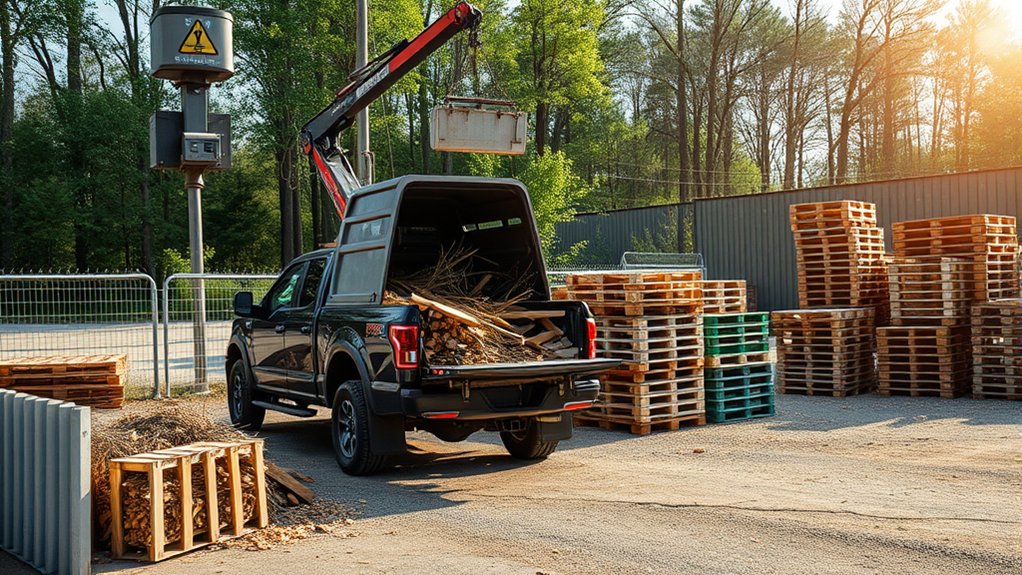
You can dump wood for free by using local waste management facilities that accept untreated wood drop-offs or curbside pickup services for yard waste and heavy wood debris. Check your municipality’s guidelines to confirm your wood type is accepted, as treated or painted wood often requires special disposal.
Donating usable wood to charities or construction projects is another option. Proper preparation and verifying local rules will make the process smooth. It’s pretty straightforward once you know what’s allowed.
Explore further for detailed disposal and donation tips. It’s worth taking a little extra time to do it right!
Key Takeaways
- Many local waste management facilities accept untreated wood drop-offs at no cost; check your municipality’s website for locations and guidelines.
- Curbside pickup services often collect untreated wood and yard waste using designated bags or during heavy trash days.
- Untreated wood like lumber, pallets, and tree limbs are usually accepted for free, while treated wood often requires special disposal.
- Donate usable wood to organizations like Habitat for Humanity or use online platforms such as Freecycle to avoid waste.
- Always clean wood of contaminants and verify local disposal rules to ensure proper, hassle-free wood dumping.
How To Dispose Of Wood For Free Near You
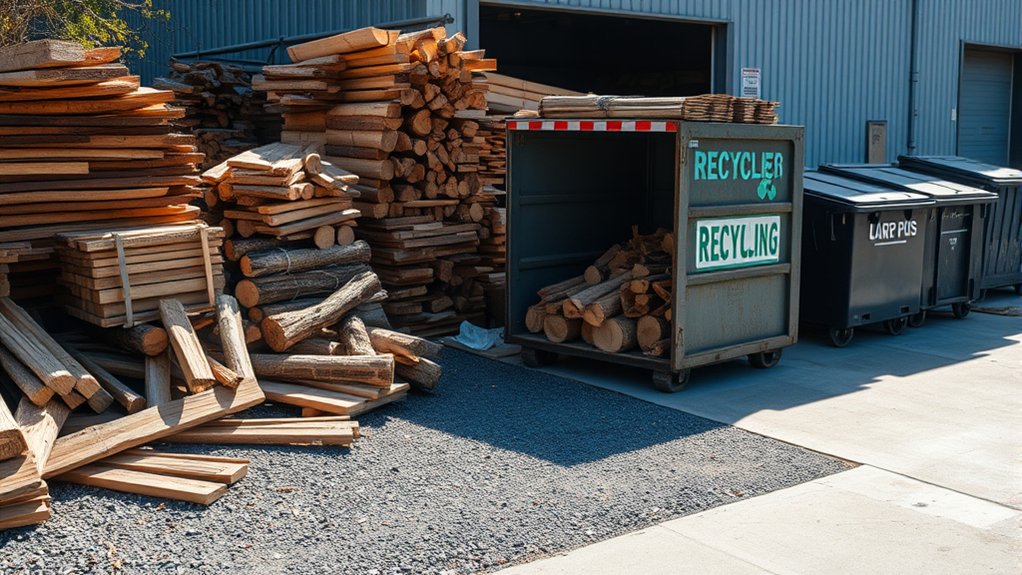
If you need to dispose of wood for free, start by checking your local waste management facilities. Many accept untreated wood drop-offs at no cost. Visit your municipality’s website to find specific locations and guidelines.
Some recycling centers near you also take wood from construction or renovation projects, but be sure to verify accepted types beforehand.
Look for yard trimming programs that include wood debris. These programs often allow you to drop off branches and small logs without a fee.
Community cleanup events or neighborhood recycling drives may offer additional opportunities for free wood disposal.
If a landfill near you doesn’t accept untreated wood, consider contacting landscaping businesses. They often accept wood waste for mulch or compost production, which promotes sustainable disposal solutions while avoiding landfill use.
Curbside Pickup For Wood And Yard Waste
Many residents in League City benefit from curbside pickup services for wood and yard waste, which makes disposal much easier. You can place branches and wood debris in designated dumpster bags for regular curbside pickup on trash days.
Heavy trash pickup handles larger wood items. Starting May 2023, this service is available on both monthly collection days for added convenience.
Always check your local guidelines to make sure you’re disposing of wood properly.
| Service Type | Details |
|---|---|
| Regular Pickup | Yard waste in dumpster bags; wood debris |
| Heavy Trash Pickup | Large wood items; twice monthly since May 2023 |
| Collection Days | Twice monthly for heavy trash, regular on trash days |
| Guidelines | Confirm local rules for compliant disposal |
Free Wood Disposal At Local Landfills And Recycling Centers
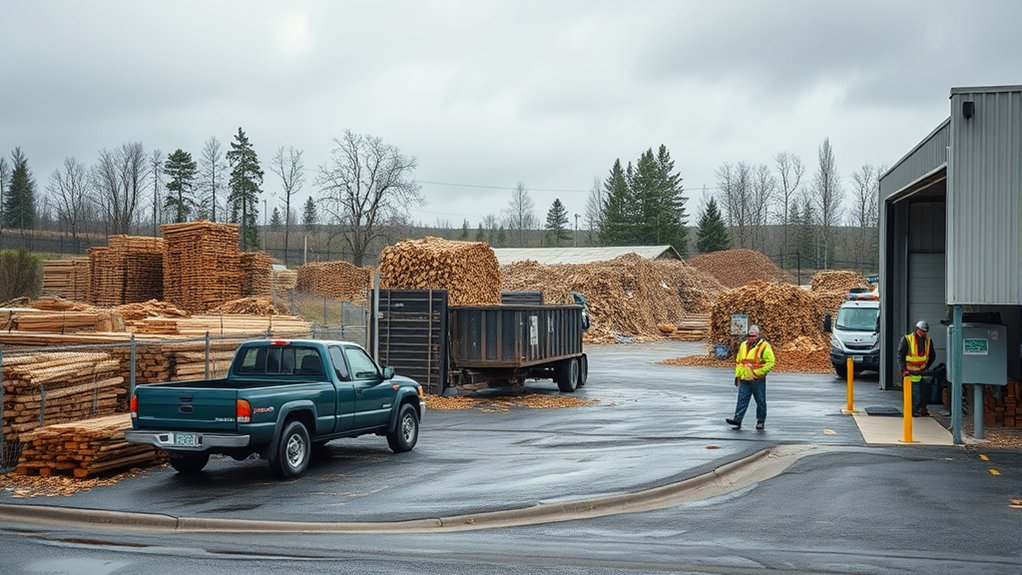
You’ll want to double-check which types of wood your local landfill or recycling center accepts. Most places allow untreated, clean wood but don’t take painted or treated materials.
It’s also a good idea to look up the specific drop-off locations and their hours so you can make sure you’re disposing of everything properly and without any fees.
Following these simple steps not only keeps you within the rules but also helps make wood recycling more efficient.
Accepted Wood Types
Although local landfills often accept untreated wood such as lumber, pallets, and branches for free disposal, you should confirm specific acceptance policies before dropping off materials. Accepted wood types typically include natural, untreated wood without paint, stain, or chemical treatments.
Painted, stained, or chemically treated wood usually isn’t accepted at recycling centers because of hazardous material restrictions. Some facilities also take yard waste wood like tree limbs and wood chips, which they turn into mulch or compost.
To make sure you’re following the rules, check your municipality’s waste disposal resources for the accepted wood types. Staying informed about these guidelines helps you avoid rejected loads and potential fees.
It’s the best way to keep your wood disposal both legal and environmentally responsible.
Drop-Off Location Details
Local landfills and recycling centers often accept untreated wood and yard waste for free. This encourages responsible disposal practices. When you use these Recycling Drop-Off points, you can dispose of untreated lumber without fees.
But it’s important to check what materials are accepted before you go. Treated wood usually needs special handling because of chemical treatments. Many centers turn wood into mulch or compost, which helps local landscaping and reduces landfill waste.
Some towns even hold community drop-off events. These provide easy, no-cost options for getting rid of wood. To stay on the safe side, always check local rules and facility guidelines before dropping off materials.
Donating Usable Wood To Charities And Construction Sites
Numerous organizations and construction sites actively seek donations of usable wood to support their projects and reduce material costs.
When donating usable wood to charities, consider contacting local groups like Habitat for Humanity. They accept wood for home improvement initiatives and may provide tax deductions.
Construction sites often welcome surplus wood, reusing it to minimize waste and expenses.
You can also explore community centers hosting wood donation events or use online platforms such as Freecycle and Craigslist to connect with builders and DIY enthusiasts nearby.
Furthermore, local schools and makerspaces might accept wood for educational workshops. This promotes reuse and creativity.
What You Need To Know About Wood Disposal Rules
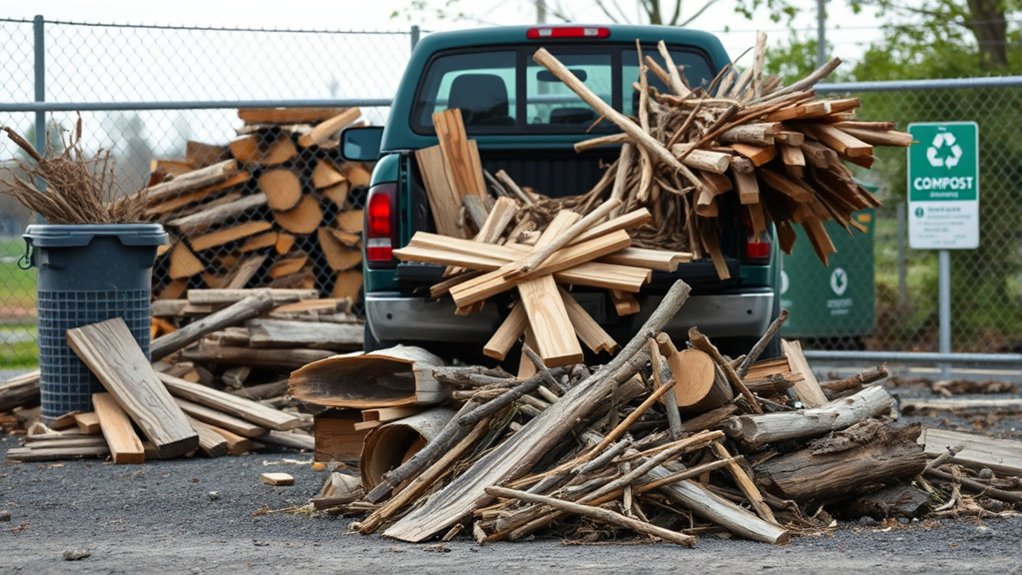
You need to understand local wood disposal regulations to guarantee compliance and avoid fees.
Usually, untreated wood is accepted for free, which is great. However, treated or painted wood might require special handling or come with extra charges.
So, it’s a good idea to check what types of wood your municipality allows.
Also, be sure to follow the guidelines for clean, uncontaminated wood to make disposal easier and proper.
Wood Disposal Regulations
Although many landfills accept untreated wood at no cost, you should verify the specific regulations and accepted materials at your nearest facility before disposal.
Wood disposal regulations vary by location, often restricting treated wood due to chemical preservatives. These treated woods require special handling at designated facilities.
You should also confirm if your municipality offers curbside pickup for yard waste, including small wood quantities, on scheduled days.
Recycling centers may accept wood waste for composting or reuse. These options provide environmentally responsible alternatives to landfill dumping.
Before disposal, make sure the wood is free from nails, screws, or contaminants. This helps avoid complicating recycling processes or incurring additional fees.
Following these wood disposal regulations guarantees compliance and supports effective waste management in your area.
Accepted Wood Materials
Understanding which types of wood local facilities accept is essential for proper disposal and compliance with regulations. Most landfills and transfer stations accept untreated wood materials, such as branches, logs, and plain lumber. Often, this is for free or for a minimal fee.
However, treated wood containing chemical preservatives, like plywood or pressure-treated lumber, is typically classified as hazardous. It’s usually prohibited from regular landfill disposal. So, you should verify the specific accepted wood materials at your local facility.
Keep in mind that size restrictions often apply. Wood may need to be cut into manageable lengths. Some municipalities even provide designated drop-off points for yard waste, which is convenient and often cost-free.
Also, exploring recycling programs like wood chipping or composting can promote sustainable disposal practices. This helps keep treated wood out of landfills and transfer stations. It’s a smart way to handle wood waste responsibly.
Disposal Alternatives For Treated Or Painted Wood
Because treated or painted wood may contain hazardous chemicals, standard landfills often reject it. This makes proper disposal essential to prevent environmental contamination. You should explore disposal alternatives for treated or painted wood by checking local regulations and contacting facilities before disposal.
The nearest landfill might not accept these materials, so consider specialized recycling centers, hazardous waste collection events, or donation opportunities. It’s always a good idea to confirm fees and rules ahead of time.
| Disposal Method | Details |
|---|---|
| Specialized Recycling Centers | Accept treated wood; confirm fees & rules |
| Hazardous Waste Collection | Municipality-organized days; no cost |
| Donation | Usable wood to charities/community projects |
| Local Regulations | Follow state labeling and handling rules |
Following these options helps you stay compliant and keeps the environment safe. It’s really worth taking the extra step to dispose of treated or painted wood responsibly.
Preparing Wood For Drop-Off Or Pickup
When preparing wood for drop-off or pickup, you should first confirm it’s clean and free of contaminants like paint, chemicals, or nails to meet disposal requirements.
Cut larger pieces into manageable sizes to simplify handling and transport. Bundle smaller scraps or place them in a sturdy container to keep them secure and organized.
Make sure to verify specific guidelines by contacting the local disposal facility at its address, as some restrict treated or painted wood.
Also, schedule your drop-off or pickup appointment in advance, especially for sites like the Stella Roberts facility that require prior arrangements.
Following these steps guarantees compliance with regulations and streamlines the disposal process, preventing delays or rejections at the disposal site.
Proper preparation helps maintain safety and environmental standards during wood disposal.
Additional Tips For Free Wood Disposal
While many municipalities provide free drop-off sites for clean wood waste, you should check your city’s website to find specific locations and guidelines.
Use the address in the map provided by your local recycling center or waste transfer station to guarantee accurate drop-off. Some community programs accept untreated wood as part of yard waste for composting or recycling. Make sure to verify this option in your area.
Check your local recycling center’s map for drop-off locations and see if untreated wood is accepted for composting or recycling.
Contact landscaping companies or tree removal services; they may accept bulk wood debris at no cost.
Furthermore, consider donating usable wood through community swap events or platforms like Freecycle to promote reuse. Always confirm local regulations, especially concerning treated or painted wood, as improper disposal can violate hazardous material rules.
Following these steps guarantees compliant, free wood disposal tailored to your locality. It’s worth taking the time to check so you can dispose of wood responsibly without any hassle.
Frequently Asked Questions
Can Wood Disposal Attract Pests to My Property?
Yes, wood disposal can attract pests to your property, which can lead to some serious pest control challenges.
Untreated or improperly stored wood is like a magnet for termites, carpenter ants, and wood-boring beetles. These pests love decaying wood and might eventually make their way into your home, causing structural damage.
To keep this from happening, it’s a good idea to dispose of wood promptly at approved sites.
If you need to store any wood, make sure it’s at least 20 feet away from your house.
Also, regularly check the wood for any signs of infestation to catch problems early.
Is Burning Wood Waste Allowed in Residential Areas?
You can’t always burn wood waste in residential areas like a campfire story under the stars.
Burning regulations vary widely. Some places allow untreated wood burning with permits. Others ban open flames outright to prevent hazards.
You should check local ordinances and fire department rules carefully before lighting up.
Violating these burning regulations can lead to fines. So always confirm what’s permitted.
Consider safer disposal alternatives to protect your neighborhood.
How Long Does Wood Take to Decompose Naturally?
Wood typically takes 10 to 15 years to decompose naturally, but factors like moisture, temperature, and exposure to sunlight can speed this up or slow it down.
Treated wood lasts longer, often over 20 years, because of the chemicals used.
Larger pieces break down slower than smaller ones.
When it comes to composting, wood chips decompose in 2 to 3 years, especially if you mix them with nitrogen-rich materials that boost microbial activity.
It’s all about creating the right environment for those microbes to work their magic.
Can I Recycle Wood Into Mulch or Compost at Home?
You can recycle wood into mulch or compost at home, boosting your garden’s health. Wood repurposing works well because untreated wood chips mulch helps suppress weeds and keeps soil moist. It’s a simple way to make your garden happier.
When you compost, try to keep a carbon-to-nitrogen ratio around 30:1. You do this by mixing wood shavings with nitrogen-rich stuff like kitchen scraps. Just be careful to avoid chemically treated wood since that could harm your soil.
Using wood properly also improves aeration and drainage in your compost pile. This makes the whole process work better and speeds up decomposition. It’s a win for your garden and the environment!
Are There Environmental Benefits to Donating Wood Instead of Discarding?
Yes, donating wood offers significant environmental benefits by supporting sustainable practices.
When you donate wood, you reduce landfill waste and methane emissions, promoting circular resource use. This action conserves raw materials and energy since reused wood requires less processing than new wood.
By contributing to local reuse projects, you help foster sustainability, lower disposal costs, and minimize environmental impact.
Donating wood is a precise, effective way to practice environmental stewardship. It’s a simple choice that makes a big difference.
Conclusion
Now that you know where to dump wood for free near you, take advantage of curbside pickups, local landfills, and recycling centers. Don’t forget to donate usable wood to charities or construction sites. It’s a win-win.
Keep in mind wood disposal rules and treat painted or treated wood accordingly. Prepare your wood properly for drop-off or pickup, and you’ll avoid hassle.
Like a messenger riding a velocipede, act swiftly to dispose of wood responsibly and efficiently.