Can You Burn Coal In A Wood Stove: Safety And Use
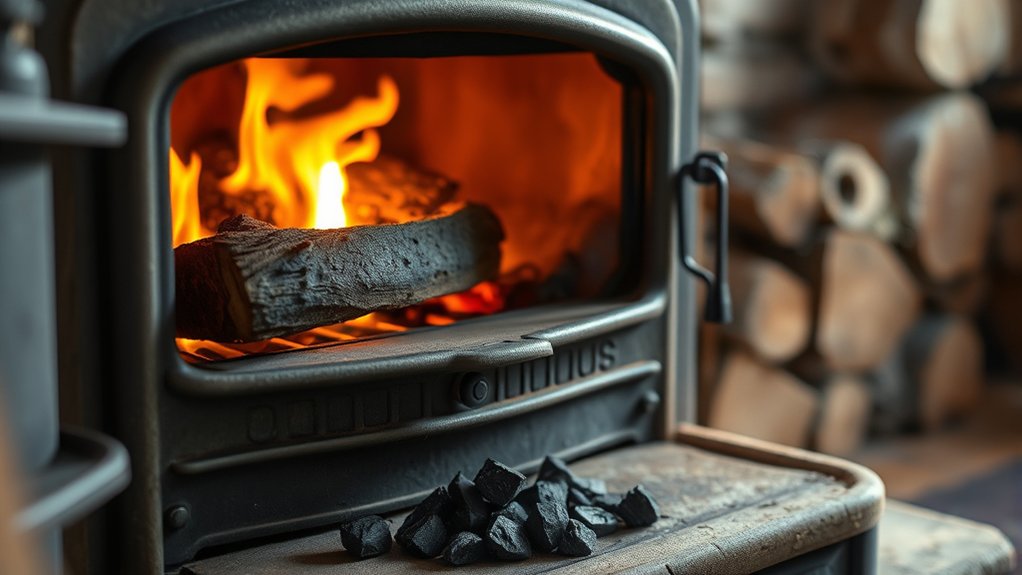
You can burn coal in a wood stove only if it’s a certified multi-fuel model specifically rated for coal use. Using coal improperly risks carbon monoxide buildup and damage from intense heat, so follow strict safety guidelines, install detectors, and maintain your stove regularly.
Not all coal types are suitable; anthracite and smokeless coals are safer choices. Understanding stove compatibility, fuel selection, and maintenance will help you use coal safely and efficiently.
More detailed guidance can further enhance your approach.
Is It Safe and Legal to Burn Coal in a Wood Stove?
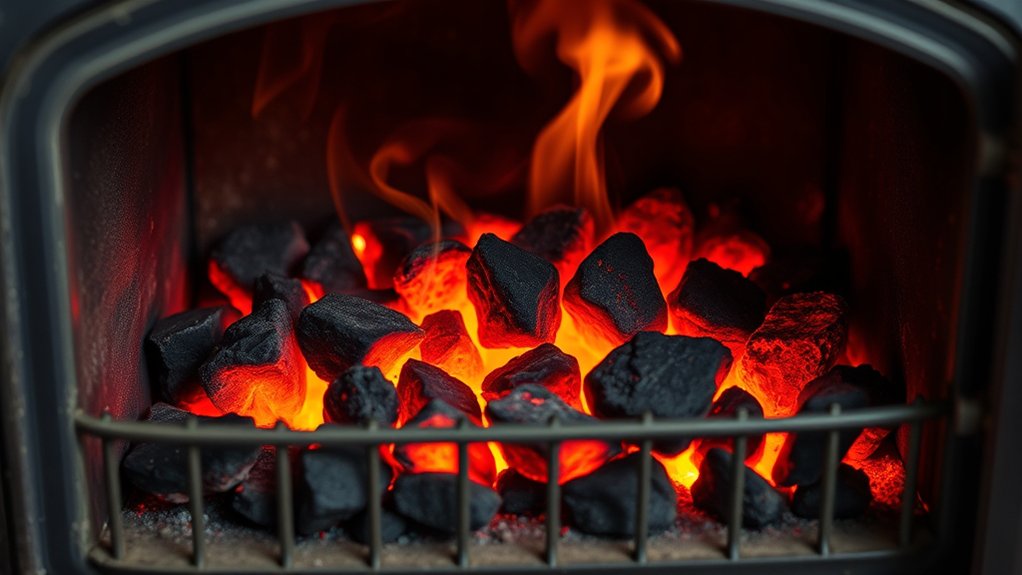
This overheating increases risks like carbon monoxide buildup, which is a serious hazard. Legally, only Multi-Fuel Stoves are approved for burning coal since they’re designed to handle coal’s combustion characteristics safely.
Before you try burning coal, make sure to check your stove’s manufacturer ratings to see if it’s compatible. Also, local regulations might restrict or even forbid using coal, so it’s important to look into local codes.
Taking safety measures like installing smoke alarms and getting annual chimney inspections is really important to reduce the risks associated with burning coal.
Without these precautions and the right equipment, burning coal in a wood stove isn’t safe or legally advisable.
How Multi-Fuel Wood Stoves Safely Burn Coal
When using coal as a fuel source, the design of your stove plays a big role in safety and efficiency. Multi-fuel stoves are made to burn coal well by controlling airflow both above and below the fuel. This helps maximize combustion and get the most heat out of the coal.
Unlike standard wood stoves, these units can handle the intense heat coal produces, which can reach up to 3,500°F. This prevents the stove from warping or cracking over time.
Features like vented grates and advanced ash management make the operation safer and cleaner.
To keep risks like carbon monoxide buildup low, you need to maintain your stove properly. That means routine chimney inspections and using corrosion-resistant materials.
Choosing a multi-fuel stove designed for coal means you get safer, cleaner burning and efficient heat output. So, if you plan to burn coal at home, these stoves are definitely the best choice.
Best Types of Coal for Home Heating
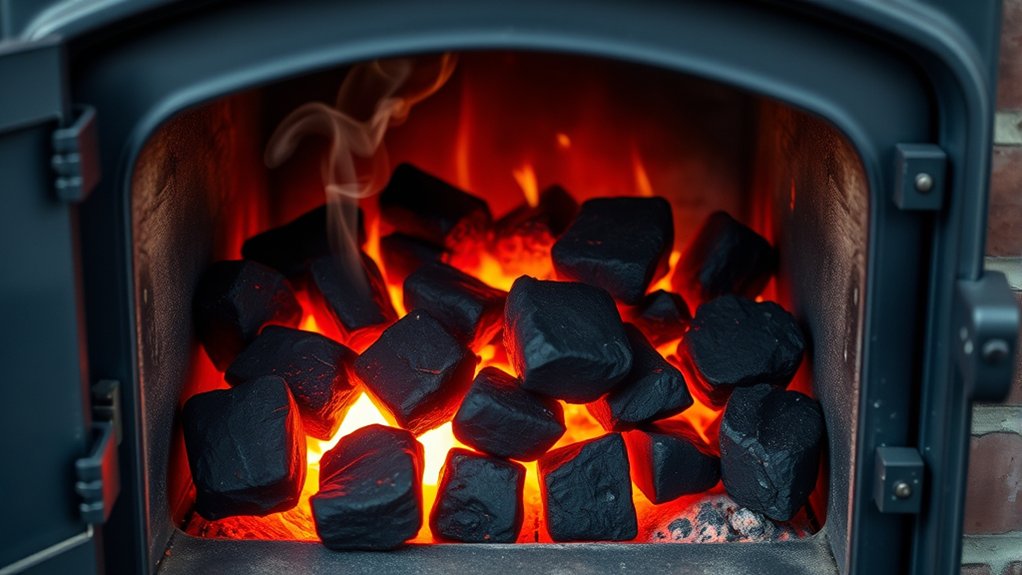
Although several types of coal are available for home heating, choosing the right one depends on factors like heat output, emissions, and stove compatibility.
Anthracite coal stands out due to its high carbon content and hotter burn temperature (900-1200ºF). It produces minimal smoke and sulfur, making it ideal for wood stoves designed for multi-fuel use.
Anthracite coal offers high heat and low emissions, perfect for multi-fuel wood stoves.
Smokeless coal, often a form of anthracite, meets environmental standards by reducing pollutants and visible smoke. This is especially important for Smoke Control Areas.
While bituminous coal is less expensive, its higher emissions and ash make it less suitable for indoor burning.
Rice coal, though effective in automatic stoves, is less common in traditional wood stoves.
Overall, anthracite and smokeless coal offer the best balance of efficiency and safety for home heating.
Risks of Burning Coal in Wood Stoves
Burning coal in your wood stove can cause some serious damage. The higher heat from coal can quickly warp or even crack parts of your stove.
On top of that, coal doesn’t burn as cleanly as wood. It produces more carbon monoxide because it’s harder to control airflow, which can be a big safety hazard.
And there’s more — the sulfur in coal can eat away at your stove and chimney over time.
That means more maintenance headaches and potential safety issues down the road. So, it’s really best to stick to wood for your stove.
Stove Damage Risks
Because coal burns at temperatures exceeding 3,500°F, using it in a standard wood stove risks severe overheating that can warp or crack critical components.
Wood stoves aren’t engineered for coal’s intense heat, so you face significant stove damage risks, including premature failure within a single season.
While coal burns best in appliances designed for it, your wood stove’s lack of precise airflow control leads to inefficient combustion and corrosive sulfur emissions.
These emissions accelerate wear and increase creosote buildup in chimneys, complicating maintenance and raising long-term damage concerns.
To avoid costly repairs, you need to understand that wood stoves and coal require distinct operating conditions.
Otherwise, you risk compromising your stove’s structural integrity and lifespan.
It’s really important to use the right fuel for the right stove to keep everything working safely and smoothly.
Safety Hazards
The risks of stove damage from burning coal in a wood stove extend directly into significant safety hazards.
Coal combustion generates much higher temperatures than wood, which can cause overheating, warping, or cracking of stove components. Without proper airflow control designed for coal, combustion becomes inefficient, increasing carbon monoxide emissions. This poses serious health risks.
Furthermore, coal produces corrosive sulfur compounds that degrade both the stove and chimney materials. This accelerates wear and raises maintenance demands.
The corrosion also heightens the risk of chimney fires, as deposits accumulate faster and more aggressively than with wood.
Since wood stoves aren’t engineered for these conditions, you face increased safety hazards when burning coal.
Regular inspections and cleanings become critical to mitigate these risks and guarantee safe operation.
It’s really important to stay on top of maintenance if you’re using coal in a wood stove.
Maintenance Tips for Coal-Burning Stoves
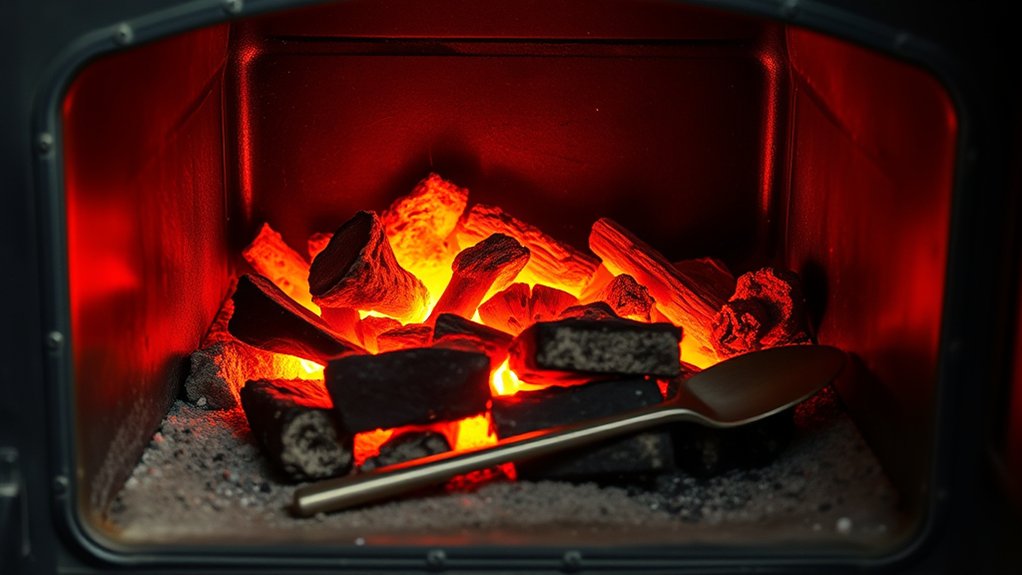
Maintaining your coal-burning stove requires regular attention to prevent accelerated wear caused by coal’s caustic properties. Coal fires generate higher temperatures and sulfur-rich exhaust, which can corrode components faster than wood fires.
Regular maintenance is essential to combat coal’s corrosive effects and protect your stove from accelerated wear.
So, it’s really important to follow the maintenance tips from your Owner’s Manual precisely, especially when it comes to cleaning schedules.
Make sure to inspect and clean grates frequently. They can warp or crack under intense heat, which reduces efficiency and safety.
Also, managing coal dust buildup in the stove and chimney is key to keeping airflow and combustion quality just right.
Using 316 stainless steel chimneys is a smart choice since they’re durable against corrosion. You should also schedule annual professional inspections to catch any sulfur-induced damage early on.
Keeping a deep coal bed and firebrick lining helps with heat retention and reduces wear, which means your stove lasts longer and works safer.
Safe Coal Use Practices in Multi-Fuel Stoves
When you’re picking out a multi-fuel stove, it’s important to choose one that’s built to handle coal’s high temperatures.
Look for features like shaker grates, which help keep things safe and efficient.
Managing airflow is key, too. Keeping the air moving properly helps prevent dangerous carbon monoxide buildup.
Plus, regular maintenance is a must to avoid corrosion caused by coal byproducts.
If you want to step up safety even more, using anthracite coal is a smart move.
It burns cleaner, producing less smoke and fewer harmful emissions, making your stove use safer overall.
Proper Stove Selection
Choosing the right stove is critical when burning coal safely, as multi-fuel stoves are specifically engineered to accommodate the unique demands of coal combustion.
Proper stove selection guarantees durability and efficiency, especially since coal burns at temperatures exceeding 3,500°F.
When choosing a stove, focus on these key factors:
- Confirm the stove is certified for solid fuel use to assure it handles coal safely.
- Look for vented grates designed to optimize airflow for both coal and wood.
- Ascertain the stove’s materials withstand high combustion temperatures without damage.
- Verify manufacturer ratings reflecting suitability for multi-fuel stoves and coal’s combustion characteristics.
Maintenance And Safety
Because coal combustion produces more corrosive byproducts than wood, regular maintenance of your multi-fuel stove becomes essential to secure safety and longevity.
You should frequently inspect the chimney and flue systems to prevent buildup of creosote and sulfuric acid, which can compromise safety.
Installing smoke alarms and carbon monoxide detectors on every home level is critical, as coal fires emit higher carbon monoxide levels if poorly managed.
Use shaker grates and firebricks designed for coal to maintain airflow and protect stove components from intense heat.
Maintaining a complete coal bed promotes efficient combustion and reduces smoke.
Finally, schedule annual professional chimney inspections and cleanings by certified experts to confirm your multi-fuel stove operates safely and efficiently when burning coal.
Heat Output and Costs: Wood vs. Coal
Although both wood and coal serve as common heating fuels, coal generally delivers higher heat output and longer burn times.
When comparing burning wood and coal, consider these key points:
Anthracite coal generates temperatures of 900-1200°F, surpassing wood’s 600-800°F range. A coal bed can provide consistent heat for over 30 hours, while wood burns last only a few hours.
Coal costs between $160 and $300 per ton, which can be more economical than firewood depending on where you live.
Coal’s cleaner combustion produces less smoke, but it requires specialized stoves designed for coal to optimize safety and efficiency.
Understanding these factors helps you evaluate the benefits of coal versus wood based on heat output and cost-effectiveness for your heating needs.
It’s all about what works best for your situation and preferences.
Finding Certified Stoves and Expert Help Near You
Understanding the heat output and cost differences between wood and coal highlights the importance of selecting the right stove for safe and efficient coal burning. You should look for certified Multi-Fuel Stoves designed specifically to handle solid fuels.
Standard wood stoves often lack the necessary features for coal combustion.
It’s a good idea to seek expert consultation at local hardware stores like Miller Ace Hardware. They can help you identify suitable stoves and verify coal compatibility.
Always confirm with manufacturers whether your stove model supports burning coal, especially if it’s an older wood stove with potential multi-fuel components.
Also, make sure to check local fire codes to guarantee legal compliance.
Online forums can connect you with experienced users sharing insights on certified stoves and best practices beyond just burning firewood. This can really help enhance safety and performance.
Frequently Asked Questions
Can Coal Ash Be Used as Fertilizer for Plants?
Yes, you can use coal ash as a fertilizer because of its coal ash benefits, including valuable nutrient content like calcium, potassium, and magnesium.
It acts as a soil amendment by enhancing soil fertility, but you should use it cautiously. Verify the ash is from anthracite coal to avoid harmful substances.
Also, test your soil’s pH and nutrients before applying the ash.
Mix the ash well into the soil to avoid clumping and promote ideal plant growth. This way, you help your plants get the most out of the coal ash without any risks.
How Do Coal Emissions Compare to Other Fossil Fuels?
Think of coal as an old, smoky train compared to the sleek, cleaner electric car that’s natural gas.
You’ll find coal combustion efficiency typically lower, releasing about 2.5 times more CO2 than natural gas per energy unit.
Despite coal emission regulations, coal versus natural gas shows coal emits more sulfur dioxide, nitrogen oxides, and particulate matter.
This impacts air quality and health more dramatically.
You should consider these factors when evaluating fuel choices.
What Is the Environmental Impact of Coal Mining?
Coal mining techniques, especially mountaintop removal, cause habitat destruction and water pollution from heavy metal runoff.
Even with environmental regulations in place, mining generates over a billion tons of waste annually. This leads to land degradation and erosion.
You should consider sustainable alternatives, as shifting away from coal can greatly cut greenhouse gas emissions.
Evidence shows that cleaner energy sources offer a more responsible path. They help reduce the environmental footprint tied to coal extraction and use.
Are There Health Risks From Handling Coal Dust?
You mightn’t realize how serious coal dust exposure can be for your respiratory health. Inhaling coal dust over time increases risks of chronic bronchitis, asthma aggravation, and even black lung disease.
To protect yourself, you need strict safety precautions. Wear masks or respirators whenever handling coal. Evidence shows minimizing dust inhalation is essential to avoid long-term lung damage.
Can You Mix Coal With Other Fuels in a Campfire?
You shouldn’t mix coal with other fuels in a campfire because it compromises campfire safety.
Coal burns hotter and produces more toxic emissions, making the fire unpredictable and hazardous.
Instead, opt for coal alternatives like seasoned firewood or charcoal. These offer better fuel efficiency and safer combustion.
Sticking to these fuels helps maintain a consistent fire, reduces harmful smoke, and guarantees a safer, more enjoyable campfire experience.
It’s really worth keeping it simple for everyone’s sake.
Conclusion
You can burn coal in a wood stove, but only if the stove is designed for multi-fuel use and properly maintained. You’ll need to choose the right type of coal, follow safety guidelines, and regularly inspect your stove to avoid risks like toxic fumes or damage.
By understanding the differences in heat output, costs, and legal restrictions, you’ll guarantee efficient, safe heating. Stay informed, stay cautious, and stay comfortable.