How Hot Can A Wood Stove Get: Temperature Range And Safety Tips
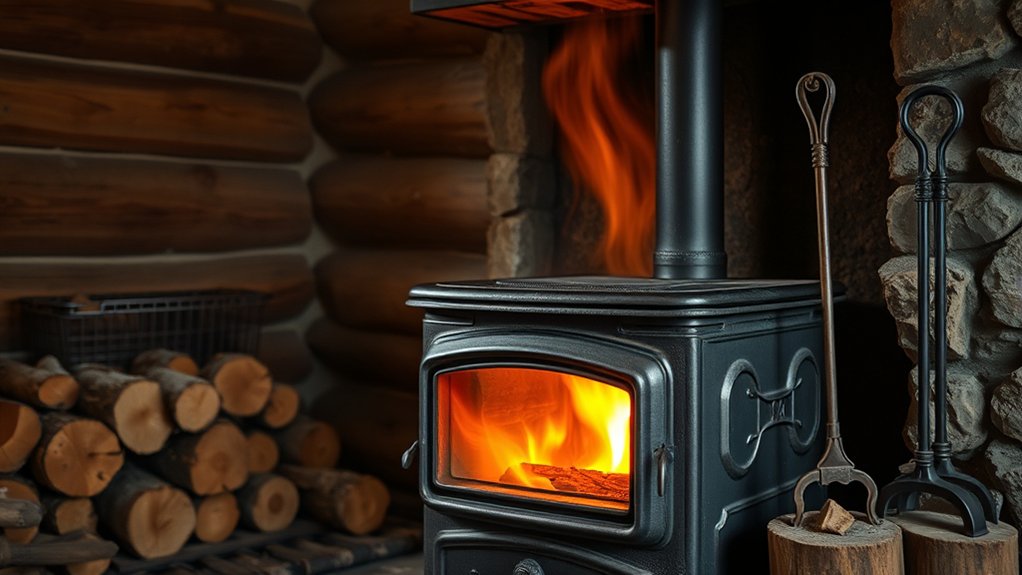
Your wood stove’s surface can reach 300°F to 600°F, while firebox temperatures run between 1,100°F and 1,500°F for efficient combustion. To avoid damage and fire hazards, keep temperatures below 700°F, ideally between 300°F and 650°F.
Use seasoned wood and control airflow with dampers to maintain safe heat. Regular thermometer monitoring and chimney maintenance prevent overheating and creosote buildup.
Understanding these factors guarantees safer, efficient heating. Explore more about optimizing your stove’s performance and safety.
Key Takeaways
- Wood stove surface temperatures typically range from 300°F to 600°F, while firebox temperatures reach 1,100°F to 1,500°F for combustion efficiency.
- Flue gas temperatures should stay between 400°F and 900°F to maintain proper draft and prevent damage.
- Operating the stove between 300°F and 650°F maximizes heat output and minimizes smoke and creosote buildup.
- Overheating above 700°F risks stove damage, warping, and fire hazards, so temperature monitoring is essential.
- Maintain clearance, use dampers to control airflow, and schedule annual chimney inspections for safe and efficient stove operation.
Wood Stove Temperature Ranges and Why They Matter for Safety
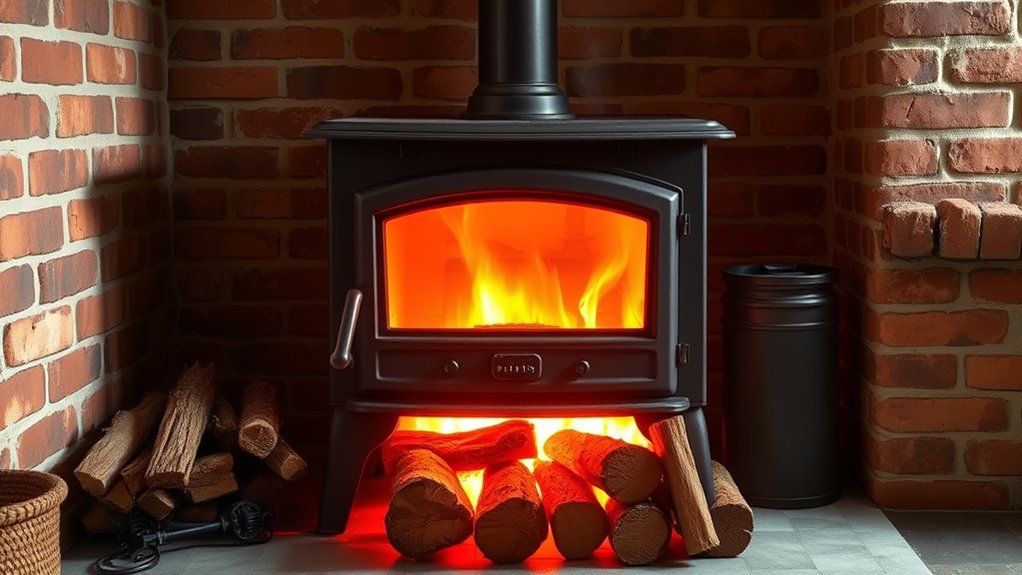
Although wood stoves can reach surface temperatures between 300°F and 600°F, exceeding 700°F risks damaging the stove and increasing chimney fire hazards. To maintain safety and efficiency, you must monitor wood stove temperatures carefully.
Ideal operating conditions involve firebox temperatures between 1,100°F and 1,500°F, which guarantee efficient combustion and reduce smoke emissions. Flue gas temperatures should remain between 400°F and 900°F to sustain proper draft and prevent creosote buildup, a significant fire risk.
Optimal firebox temps are 1,100°F–1,500°F; flue gases 400°F–900°F prevent creosote and ensure efficiency.
Operating below 300°F compromises combustion efficiency and elevates creosote formation. Using a wood stove thermometer allows you to track these critical temperatures, helping avoid overheating and maintain safety.
Consistent monitoring of temperatures supports long-term stove integrity and minimizes your risk of chimney fires.
Typical Surface, Firebox, and Flue Temperatures Explained
You’ll want to keep your wood stove’s surface temperature somewhere between 300°F and 600°F. This range helps prevent any damage or fire hazards.
Inside the stove, the firebox can get really hot—up to about 1,500°F. That heat level is key for burning seasoned wood efficiently.
As for the flue gases, their temperature usually falls between 400°F and 900°F. Keeping it in this range is important because it helps maintain a good draft and stops creosote from building up inside the chimney.
Surface Temperature Range
When you operate a wood stove, understanding the surface temperature range is essential for safety and efficiency. Typical surface temperatures on the stove, including glass doors, range from 300°F to 600°F. Staying within these temperature ranges promotes efficient combustion and prevents damage.
Using a stove thermometer helps you monitor these temperatures to maintain ideal burning conditions. If surface temperatures fall below 300°F, you risk excessive smoke and creosote buildup, which compromises safe operation.
On the other hand, temperatures exceeding 700°F can cause damage and increase fire hazards.
Flue gas temperatures, ranging from 400°F to 900°F, are also critical to sustaining proper draft and reducing creosote accumulation. Keeping an eye on these numbers is important.
Vigilant temperature monitoring guarantees your wood stove runs safely and efficiently every time.
Firebox And Flue Heat
Firebox temperatures in a wood stove typically reach between 1,100°F and 1,500°F. This range drives efficient and clean combustion of seasoned wood. When your firebox stays within these temperatures, you get peak energy output and less creosote buildup.
Flue gas temperatures usually range from 400°F to 900°F. But ideally, you want your flue temperature between 250°F and 500°F to keep a good draft and avoid safety hazards. It’s important to keep these numbers in check.
You must avoid overfiring. This happens when too much fuel and airflow push firebox temperatures beyond safe limits, which can warp components.
Using a reliable thermometer to monitor temperatures is key for safe operation and better efficiency in your wood-burning stove.
Following these safety tips helps you keep both firebox and flue heat in the right range. This way, you’re protecting your stove and chimney system and cutting down fire risks.
It’s all about keeping things safe and running smoothly.
Common Causes of Wood Stove Overheating and How to Prevent Them
Although wood stoves provide efficient heating, several common issues can cause them to overheat. This can pose safety risks and potential damage. Overfiring happens when too much fuel and unrestricted air controls push temperatures beyond safe limits. That risks warped parts and chimney fires.
Burning wet or treated wood reduces efficient combustion and promotes creosote buildup. This increases overheating hazards. Poor airflow leads to bad burns and smoky fires. So, adjusting damper settings can help maintain ideal airflow.
Regular maintenance, including chimney cleaning, prevents creosote accumulation and overheating. Also, using a stove thermometer to monitor temperature is a smart move. It helps you avoid glowing metal or warping.
| Cause | Prevention |
|---|---|
| Overfiring | Control fuel and air supply |
| Poor wood quality | Burn dry, untreated wood |
| Insufficient airflow | Adjust damper for ideal airflow |
| Creosote buildup | Schedule regular chimney maintenance |
| Lack of monitoring | Use a stove thermometer |
Why Maintaining 300°F to 650°F Maximizes Efficiency and Safety
You want to keep your wood stove between 300°F and 650°F to make sure seasoned wood burns efficiently. This range helps produce the most heat while keeping smoke to a minimum.
Plus, staying within these temperatures helps prevent creosote buildup, which is a big factor in reducing the risk of dangerous chimney fires.
Ideal Combustion Temperatures
When you maintain your wood stove’s temperature between 300°F and 650°F, you guarantee efficient combustion that maximizes heat output while minimizing harmful smoke emissions.
These ideal combustion temperatures promote optimal wood stove operation by encouraging complete burning of seasoned wood. Proper airflow control is essential to sustain this temperature range, preventing creosote buildup and reducing the risk of chimney fires.
Using a stove thermometer helps you monitor and adjust conditions accurately, supporting safe heating practices. Temperatures below 300°F lead to inefficient combustion and increased creosote, while exceeding 650°F raises the risk of overheating, which can damage stove components and compromise safety.
By sticking to this range, you’ll enhance efficiency, prolong your stove’s life, and keep your heating environment safer overall.
It’s really about finding that sweet spot to get the most out of your wood stove without any headaches.
Creosote Prevention Benefits
Because maintaining your wood stove’s temperature between 300°F and 650°F prevents excessive creosote buildup, you greatly reduce the risk of chimney fires while boosting efficiency.
Operating within this ideal temperature range enables efficient combustion, which minimizes smoke emissions and maximizes heat output.
Burning seasoned wood at these temperatures guarantees the fuel burns completely, avoiding thick smoke and creosote buildup on chimney walls.
Falling below 300°F leads to incomplete combustion and increased creosote, while going above 650°F risks damaging stove components and raises the chance of chimney fires.
Proper temperature management is essential for safety and performance.
Following these safety tips keeps your stove working effectively, prevents hazardous creosote accumulation, and maintains clean emissions.
This way, you get reliable heat and peace of mind throughout the heating season.
How Wood Quality and Airflow Control Affect Stove Temperatures
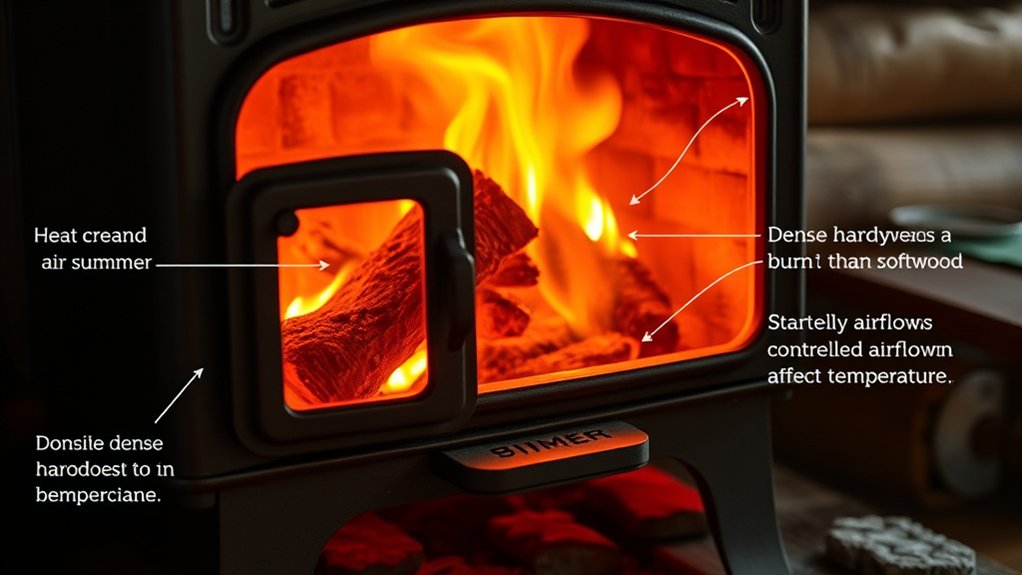
Although many factors influence stove temperatures, the quality of wood and control of airflow play pivotal roles in determining how hot your wood stove can get.
To optimize combustion temperatures, focus on using seasoned wood with moisture content below 20%. This guarantees efficient combustion and higher heat output.
Also, selecting hardwoods like oak or maple helps because they burn hotter than softwoods due to their superior wood quality.
Regulating oxygen supply through precise airflow control via dampers is key. This maximizes combustion efficiency and helps maintain safe operating temperatures.
Don’t forget to consider stove design features that promote efficient combustion.
For example, catalytic converters can enhance heat output and reduce smoke.
Paying attention to these details makes a big difference in how well your stove performs.
Using Thermometers and Smoke Tests to Monitor Wood Stove Heat
Controlling airflow and selecting quality wood set the stage for ideal stove temperatures. But you need accurate tools to keep those temperatures in check. A stove thermometer is essential for monitoring temperatures within the preferable range of 300°F to 650°F. This ensures safe and efficient heating.
Magnetic thermometers provide real-time temperature readings when attached to the stove surface or flue pipe. This lets you adjust draft control promptly. Monitoring flue gas temperatures, ideally between 400°F and 900°F, prevents chimney damage and supports efficient combustion.
Magnetic thermometers offer instant readings to help you optimize draft control and protect your chimney.
Smoke tests complement temperature monitoring by revealing burn quality. Clean burns produce light white vapor. Thick, dark smoke signals low temperatures and risks creosote buildup.
Together, these methods help you maintain proper draft control and avoid hazards. They also enhance your stove’s performance.
Safety Tips for Managing Hot Surfaces and Preventing Fires
When you operate a wood stove, managing hot surfaces carefully is essential to prevent burns and fires. The stove’s exterior and glass doors can reach temperatures from 300°F to 600°F, posing serious fire hazards if not handled properly.
Here are some safety tips to keep in mind:
- Maintain a clearance of at least 36 inches around the stove to keep combustible materials away from high temperatures.
- Use heat-resistant barriers to protect children and pets from touching hot surfaces.
- Monitor the stove’s temperature range with a magnetic thermometer to stay within the ideal range of 300°F to 650°F, avoiding overheating.
- Schedule annual chimney inspections and cleanings to reduce creosote buildup, which ignites easily and increases fire risk.
Always burn seasoned wood with moisture below 20%. This helps minimize soot and makes your fire burn safer and cleaner.
How Wood Stove Flue Gas Temperatures Impact Performance and Safety
Since flue gas temperatures directly affect your wood stove’s draft and combustion efficiency, it’s important to monitor them closely. Flue gas temperatures typically range between 400°F and 900°F. This range is essential for ideal stove efficiency and preventing creosote buildup.
If temperatures drop too low, creosote accumulates, which raises the risk of chimney fires. On the other hand, overheating above 900°F can damage chimney components and compromise stove performance and safety.
Regular monitoring of flue temperatures helps you detect hazardous temperature fluctuations early, allowing timely adjustments. By sticking to these safety tips, you can ensure efficient combustion while protecting your stove and chimney from damage.
Consistent inspection and maintenance of the flue system are critical to sustaining reliable performance and reducing fire hazards caused by improper flue gas temperatures.
Frequently Asked Questions
Can a Wood Stove Heat an Entire House Effectively?
Yes, you can effectively heat an entire house with a wood stove if you consider heat distribution, insulation quality, and room layout carefully.
Proper stove placement and using seasoned hardwood improve efficiency. Good chimney design and draft control optimize air circulation.
Building materials and thermal mass help retain warmth. Regular maintenance guarantees safe operation.
Balancing these factors lets your wood stove provide consistent, comfortable heat throughout your home.
It really just takes a bit of planning and upkeep to make it work well.
What Types of Wood Stoves Are Best for Small Spaces?
You’d think fitting a furnace in your closet is impossible, but efficient small stoves prove otherwise.
For small spaces, prioritize compact heating solutions with wood stove sizes that maximize heat output without overwhelming your room.
Look for models boasting fuel efficiency and portability features, ensuring easy installation considerations and proper ventilation needs.
Don’t ignore maintenance tips to keep your stove safe and lasting.
Choose aesthetic designs that blend seamlessly while delivering reliable warmth.
How Often Should Wood Stoves Be Professionally Serviced?
You should have your wood stove professionally serviced at least once a year.
Regular wood stove maintenance includes safety inspections, performance checks, chimney cleaning, and combustion analysis to guarantee peak fuel efficiency.
Professionals will handle part replacements, assess venting systems, and verify installation guidelines.
Following user manuals and scheduling annual service helps prevent hazards, maintains safe operation, and extends your stove’s lifespan.
Don’t skip these essential checks for your safety.
It’s a simple step that keeps your home safe and your stove running smoothly.
Are There Specific Wood Stove Brands Known for Safety?
When it comes to safety features, Vermont Castings and Jotul shine like beacons, boasting advanced combustion tech that reduces creosote.
Blaze King’s thermostats prevent overheating, while Quadra-Fire meets strict EPA standards.
Pacific Energy’s sturdy design and Harman’s automatic shut-off add layers of protection.
Comparing user reviews, installation guidelines, and maintenance tips can help you choose the right brand.
It’s all about balancing efficiency ratings, heat output, fuel types, design styles, and warranty options to find the best fit for your needs.
Can Using Pellets Instead of Wood Affect Stove Temperature?
Yes, using pellets instead of wood can affect stove temperature because of how they burn differently. Pellets give you better control over the temperature, and they tend to be more efficient. Plus, the heat output is more consistent.
You’ll also notice that pellets ignite faster, produce fewer emissions, and leave behind less ash. Fuel costs might change depending on where you live, but pellets usually burn cleaner and longer. That means less time spent on maintenance.
Overall, pellet stoves offer longer burn times and deliver safer, steadier heat compared to traditional wood stoves.
Conclusion
Your wood stove is more than just heat. It’s the heart of your home, glowing with careful balance. By keeping temperatures between 300°F and 650°F, you protect this warmth from turning into danger.
Think of it like tending a fragile flame. Controlling airflow and wood quality helps guarantee safety and efficiency. Using thermometers and smoke tests can be your guiding light to prevent overheating before it sparks.
Respect your stove’s power, and it will return your care with steady, safe comfort. It’s all about that balance to keep your home warm and cozy without any risks.