Can I Use Sheet Metal Screws In Wood: What To Know
You can use sheet metal screws in wood, especially for lighter or temporary projects, but keep in mind they differ from wood screws in thread design and holding power. Always drill pilot holes to prevent splitting and guarantee secure fastening.
Choose corrosion-resistant screws for outdoor use and match screw size to wood thickness for the best fit. While they work well in softer woods, they may not hold as firmly in hardwood or critical joints.
Understanding these details will help you make the right choice for your project. It’s all about picking the right screw for the job to keep everything secure and lasting.
What Are Sheet Metal Screws and Can You Use Them in Wood?
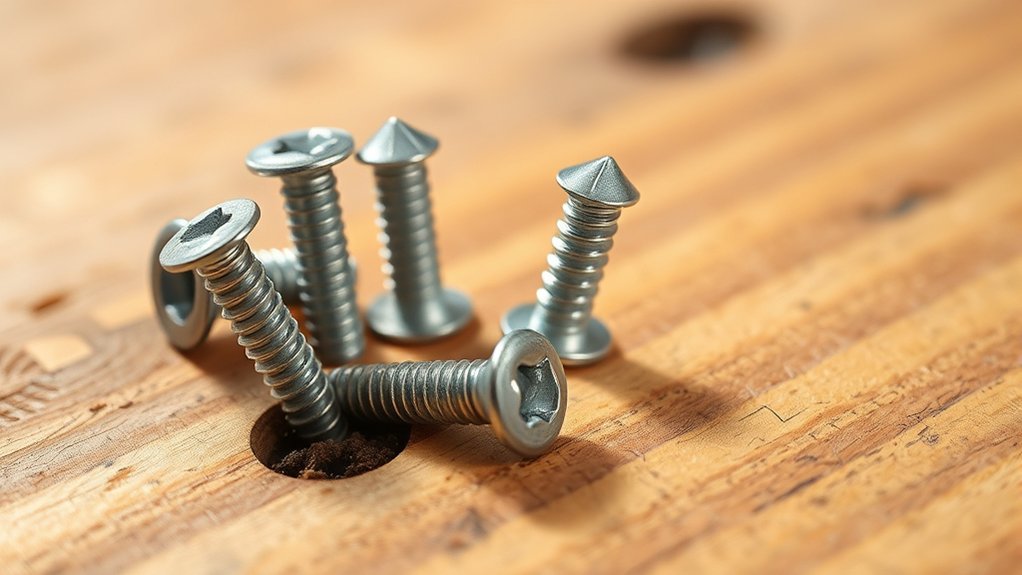
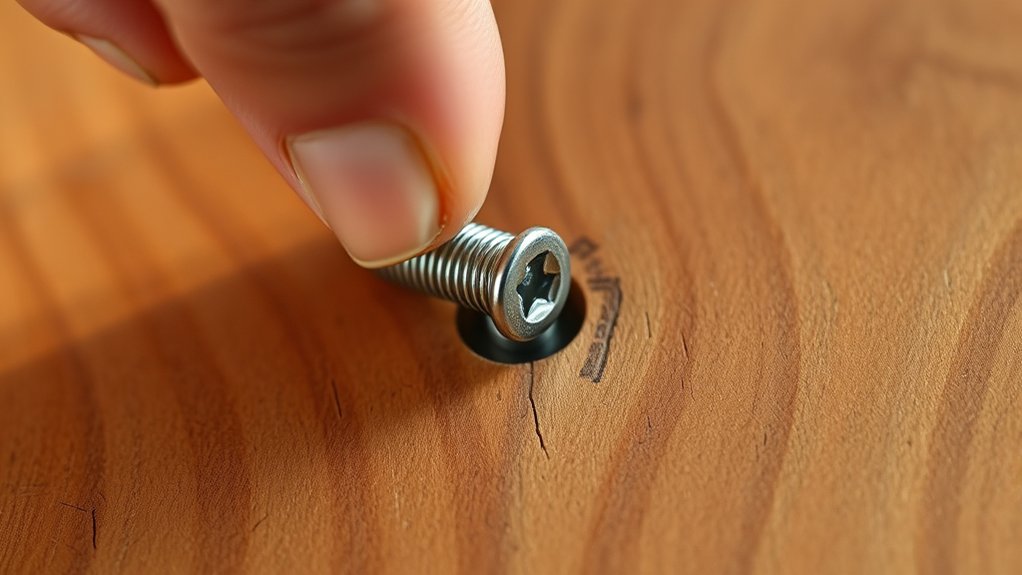
Sheet metal screws are fully threaded fasteners originally designed to join metal pieces, but you can also use them in wood thanks to their sharp, coarse threads that grip effectively.
These metal screws in wood work well because their threads extend from head to tip, providing consistent engagement throughout the material.
Their full-length threads ensure a strong, consistent grip throughout the wood for reliable fastening.
When using sheet metal screws in wood, you’ll generally need to drill pilot holes to avoid splitting and guarantee proper alignment.
While they’re versatile and economical, keep in mind they may not hold as strongly as dedicated wood screws, especially in load-bearing situations.
For outdoor wood projects, always choose corrosion-resistant sheet metal screws to prevent rust and maintain durability over time.
This approach assures you get reliable performance when repurposing metal screws in wood.
It’s a handy option when you want to make the most of what you have.
How Do Sheet Metal Screws Differ From Wood Screws?
You’ll notice that sheet metal screws have fully threaded shafts with sharper, closely spaced threads. These are designed to grip hard materials like metal and plastic really well.
Wood screws, on the other hand, have wider threads and only partial threading. This helps reduce splitting and gives a better hold in wood fibers.
Thread Design Differences
Understanding thread design is essential when choosing between sheet metal screws and wood screws for your project.
Sheet metal screws have fully threaded shanks with tighter, sharper threads. This design helps them grip harder materials effectively.
In contrast, wood screws are partially threaded, leaving a smooth shank near the head. This reduces wood damage and provides better stability. Their threads are wider spaced, which suits the softer nature of wood and helps prevent cracking.
Wood screws also feature a sharp point that easily penetrates wood fibers.
Sheet metal screws are self-tapping, meaning they create their own threads.
Both can work in wood, but wood screws usually offer better holding power and are less likely to back out compared to sheet metal screws.
Material Compatibility
Although both sheet metal screws and wood screws can fasten wood, they differ markedly in material compatibility and performance.
Sheet metal screws feature fully threaded shanks with finer, sharper threads designed for metal and plastic. This gives them a strong grip in hard materials but can reduce holding power in wood over time.
Wood screws have partially threaded designs with wider-spaced threads that minimize wood damage and prevent splitting. Plus, wood screws often come treated for corrosion resistance, which is vital for outdoor wood applications.
On the other hand, hardened steel sheet metal screws may not resist moisture as well.
Pre-drilling is important for wood screws to avoid cracking. Meanwhile, sheet metal screws can self-tap in softer materials.
Understanding these differences helps you choose the right screw based on the demands of metal and wood materials.
When Should You Use Sheet Metal Screws for Wood Projects?
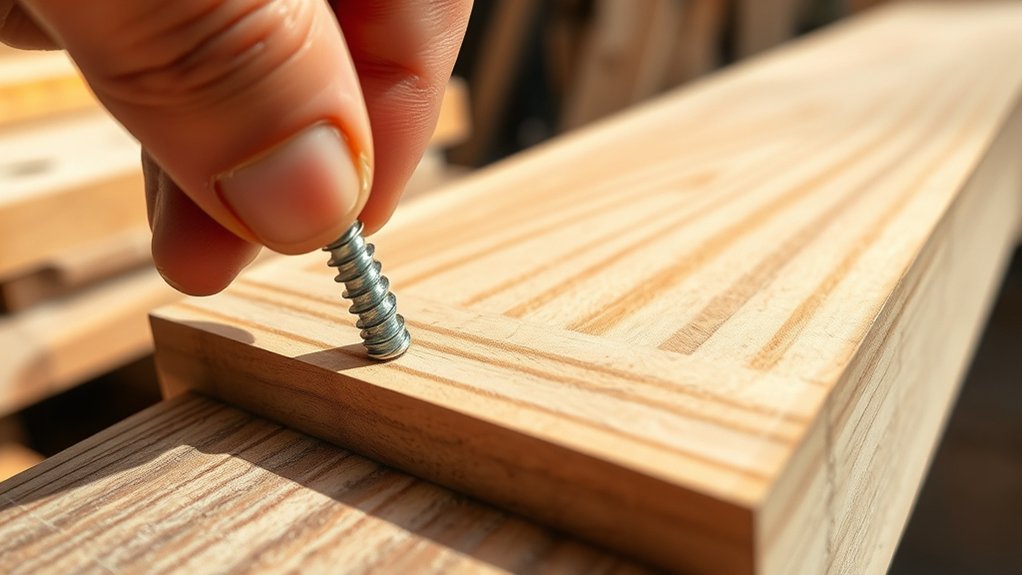
When is it appropriate to use sheet metal screws in wood projects? You should use metal screws when fastening lighter materials or when a temporary hold suffices, as their grip is weaker than wood screws. They’re ideal for quick installation in softer woods since their self-tapping design often eliminates the need for pre-drilling.
However, in hardwoods, always drill proper pilot holes to prevent splitting and guarantee precise alignment.
Their fully threaded shank offers a strong hold in thin wood applications, but caution is necessary to avoid damage.
For outdoor projects, select corrosion-resistant sheet metal screws, like stainless steel, to prevent rust and extend durability.
How to Pick the Right Size and Length of Sheet Metal Screws for Wood
When you’re choosing sheet metal screws for wood, make sure the screw length is at least 1.5 times the thickness of the wood. This helps ensure a strong hold.
Next, match the screw diameter to your pilot hole size. Usually, the pilot hole should be about 70-80% of the screw’s diameter. This way, you avoid splitting the wood.
Also, keep in mind the type of wood you’re working with. Softer woods usually need smaller, coarse-threaded screws to get the best grip.
Measuring Screw Length
Since securing wood with sheet metal screws requires careful consideration, you need to measure screw length based on the combined thickness of all materials involved. When measuring screw length, guarantee the screw penetrates at least half an inch into the wood to provide secure anchoring. A good rule is to choose screws at least 1.5 times the wood’s thickness for ideal grip.
Don’t forget to factor in any washers or spacers, which can require longer screws to maintain proper engagement. Drilling an appropriate pilot hole helps prevent wood splitting and guarantees the screw drives in smoothly.
Avoid screws that are too long, as they may protrude or weaken the joint. And don’t use screws that are too short, which won’t hold firmly.
Accurate measuring screw length is key to a durable connection. It’s all about getting the fit just right to keep everything secure and lasting.
Thread Diameter Selection
Choosing the right thread diameter for sheet metal screws is essential to guarantee a strong, secure hold in wood without causing damage. For effective thread diameter selection, pick a screw diameter that closely matches the wood’s thickness to avoid splitting.
Coarse-threaded screws work best since they grip wood fibers better than fine threads. Always drill a pilot hole about 75% of the screw’s diameter to prevent wood from cracking and to ease installation.
Confirm the screw length allows at least one inch of penetration into the wood for solid holding power. As a rule, use screws at least one and a half times the wood thickness.
This method ensures your screws hold firmly without weakening the wood’s structure.
Considering Wood Thickness
Although selecting the right screw length might seem straightforward, matching it precisely to the wood’s thickness is essential for guaranteeing a secure hold without damaging the material.
When you use sheet metal screws in wood, aim for screws that penetrate at least 1.5 times the wood thickness to achieve a firm grip.
For thinner materials like plywood, choose screws just long enough to avoid excessive protrusion, which can weaken your project.
For typical 3/4-inch lumber, screws should be at least 1 inch long.
Also, consider the wood type. Coarse-threaded screws work better in softer woods but require the right pilot hole size to prevent splitting.
Always check manufacturer guidelines for specific recommendations based on wood thickness and load needs to guarantee peak fastening strength.
It’s a simple step that can save you a lot of trouble down the line.
Why You Need Pilot Holes for Sheet Metal Screws in Wood
A pilot hole plays a crucial role when you’re driving sheet metal screws into wood, especially harder types. It prevents the wood from splitting by creating a precise path for the screw, reducing stress on the material. The diameter of the pilot hole should closely match the screw shaft to guarantee the screw grips securely without damaging the wood fibers.
Pre-drilling also helps maintain alignment, making installation neater and the fastening stronger. Without pilot holes, screws can strip the wood or fail to hold properly, especially under load.
Plus, pilot holes reduce the effort required to drive the screws, speeding up the process and minimizing wear on your tools.
Benefits of Using Sheet Metal Screws in Wood Projects
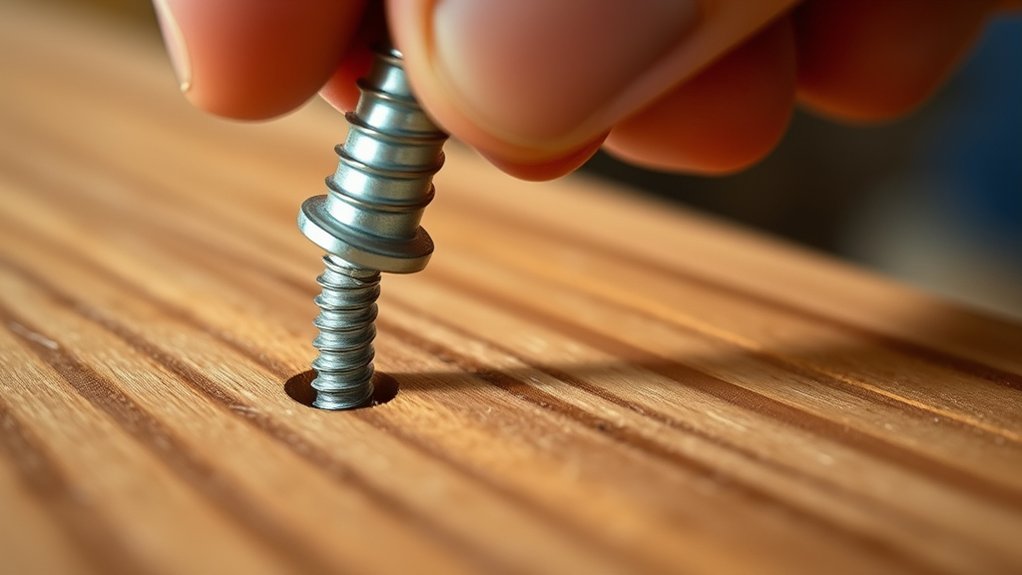
When you need a fastener that works well across different materials, sheet metal screws offer impressive versatility. Using them in wood projects brings clear benefits.
First, their fully threaded design guarantees a strong grip, especially where maximum holding power is vital.
Their fully threaded design ensures a secure hold, perfect for applications requiring maximum strength.
Plus, many sheet metal screws are self-tapping, so you can skip pilot holes and save time.
They’re generally more affordable and easier to find than specialty wood screws, which is a nice bonus.
For outdoor wood projects, always choose corrosion-resistant sheet metal screws. This helps prevent rust and extends the life of your work.
All in all, the combination of strength, convenience, and durability makes sheet metal screws a practical choice for varied woodworking tasks.
What Can Go Wrong When Using Sheet Metal Screws in Wood?
If you rely on sheet metal screws in wood without proper precautions, you might face several issues that compromise your project’s stability.
Sheet metal screws often have reduced grip compared to wood screws, which can lead to joint instability. Their sharp, coarse threads may cause wood splitting if you skip pre-drilling pilot holes, weakening the wood’s integrity.
In moist environments, these screws are vulnerable to corrosion, which degrades the fastening materials over time.
Moreover, the fully threaded design can back out due to wood movement, especially with seasonal humidity changes. Using sheet metal screws in load-bearing applications risks fastener failure because they don’t provide the same holding power as dedicated wood screws.
Always consider these factors before choosing sheet metal screws for wood projects. It’s better to be safe and pick the right screw for the job!
Frequently Asked Questions
Can Sheet Metal Screws Be Reused After Removal From Wood?
Yes, you can reuse sheet metal screws after removing them from wood if you follow proper removal techniques to preserve screw durability.
Use the right tools to avoid stripping the heads, which keeps the screws intact.
Before reusing, inspect them for any wear or damage.
Repeated use can weaken their grip, so it’s important to check carefully.
If the threads and structure remain solid, these screws will still hold well in your next project.
Are Sheet Metal Screws Resistant to Rust in Outdoor Wood Applications?
Sheet metal screws vary in rust resistance, so for outdoor wood projects, you need to choose carefully. High-carbon steel screws tend to rust quickly, reducing outdoor durability.
Instead, opt for stainless steel or zinc-plated screws, which offer better corrosion resistance.
Remember, even coated screws can deteriorate if scratched. To guarantee lasting outdoor durability and rust resistance, pick screws labeled for corrosion resistance.
Also, make it a habit to inspect them regularly for wear or damage. This way, your project stays strong and rust-free for longer.
Can I Paint Over Sheet Metal Screws in Wood Projects?
Yes, you can paint over sheet metal screws in wood projects, but not all screw types guarantee good paint adhesion.
To get a smooth, lasting finish, clean and dry the screws first, then apply a primer designed for metal surfaces.
Choose corrosion-resistant screws like stainless steel or zinc-coated to prevent rust under the paint.
Using paint that works well on both wood and metal helps keep things looking good and durable.
It’s a good idea to regularly touch up any chips or scratches.
That way, your project will stay looking fresh for longer.
Do Sheet Metal Screws Work Well With Hardwoods?
Sheet metal screws can work with hardwood, but their hardwood compatibility is limited. They’ve finer threads, which don’t grip as firmly as wood screws, so holding power might be weaker.
You’ll need to pre-drill pilot holes to avoid splitting and guarantee alignment. Their self-tapping tips help with installation, but long-term grip may suffer.
For best results, pick corrosion-resistant sheet metal screws, especially if the wood is exposed to moisture. It’s a good idea to choose the right type of screw to make sure your project stays strong and durable.
How Do Sheet Metal Screws Affect Wood Splitting Compared to Wood Screws?
Sheet metal screws increase the risk of wood splitting compared to wood screws because their design features fully threaded, coarse threads that grip wood fibers tightly. This can put a lot of stress on the wood, especially if you skip pilot holes.
So, it’s not always the best choice for wood.
Wood screws, on the other hand, have partial threading and wider threads. This allows the wood to expand and contract more easily without cracking. It makes them a better option when you want to avoid splitting.
If you do need to use sheet metal screws, try using shorter lengths.
Also, make sure to drill pilot holes that match the screw diameter precisely. This helps reduce the chance of splitting and keeps the wood intact.
Conclusion
You can definitely use sheet metal screws in wood, but it’s wise to choose the right size and drill pilot holes to avoid unwelcome surprises like splitting or poor grip.
While they’re not the traditional choice, sheet metal screws offer solid holding power when used thoughtfully. Just keep in mind their unique traits, and you’ll find they can be a handy alternative in your woodworking toolkit without any hidden headaches.