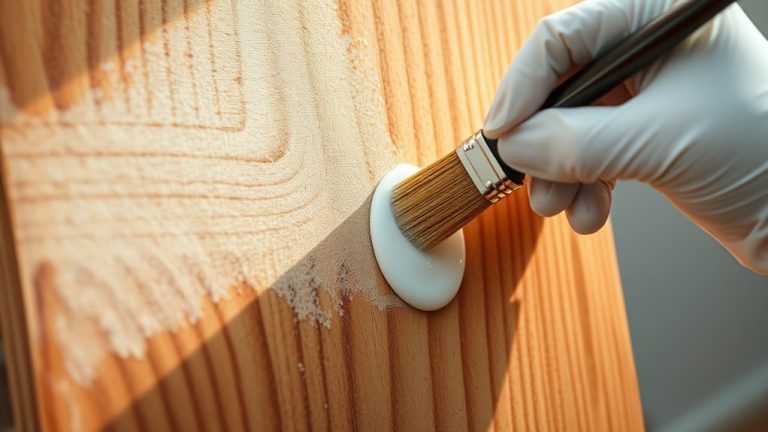
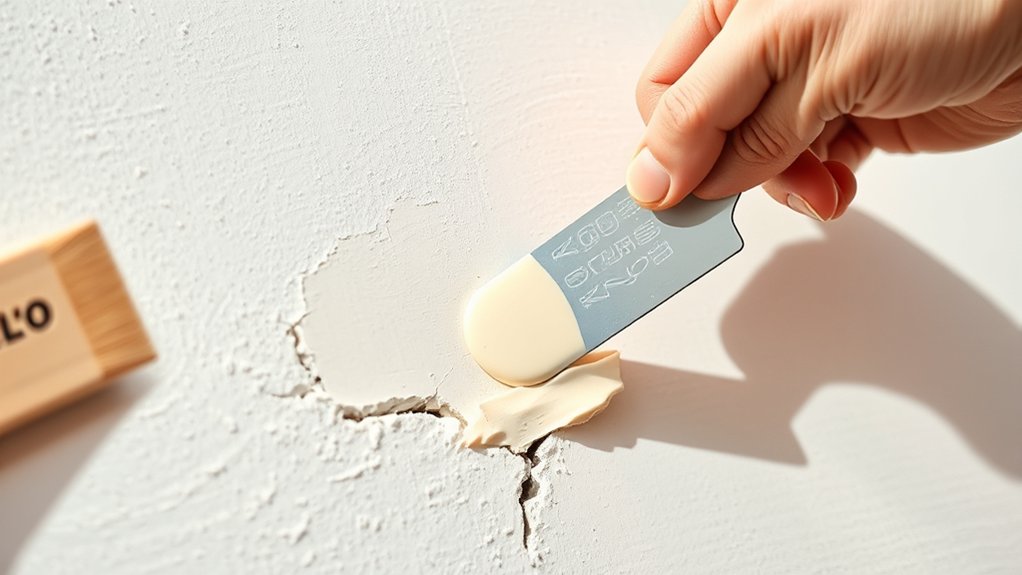
Can You Use Wood Filler On Drywall: Pros And Cons
You can use wood filler on drywall for small repairs because it sticks well and dries quickly, allowing precise application. However, it tends to harden, shrink, and crack, causing adhesion problems and uneven texture that show through paint.
Wood filler is also harder to sand and doesn’t blend as smoothly as drywall-specific compounds. For longer-lasting, seamless results, using spackling or joint compound is usually better.
If you want reliable repair tips and alternatives, keep exploring these options. There are plenty of ways to get your drywall looking great again!
What Is Wood Filler and How Does It Work on Drywall?
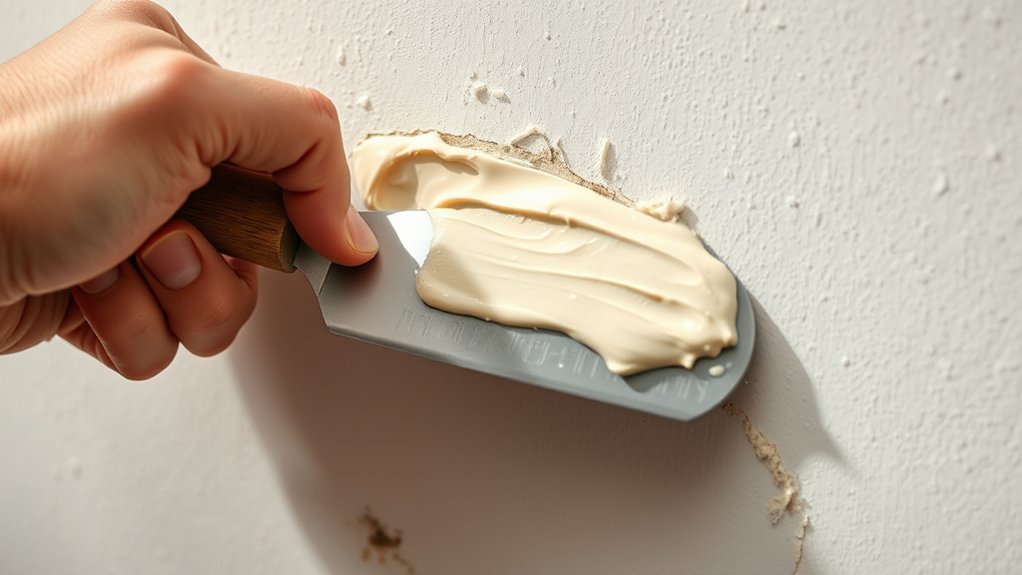
Wood filler is a repair compound made from wood by-products and binders. It’s designed mainly to fill gaps and cracks in wood surfaces.
When you use wood filler on drywall, you might run into adhesion problems because drywall is porous and softer, which is different from wood.
Using wood filler on drywall can cause adhesion issues due to drywall’s porous and softer nature.
Wood filler tends to harden and become brittle. This can cause it to crack or pop out as the drywall moves.
Although you can sand and paint it to blend with your wall, the texture mismatch often makes repairs noticeable.
For better adhesion and flexibility on drywall, spackling compounds or drywall-specific fillers work best.
Functional Differences Between Wood Filler and Drywall Compound on Drywall
Although both wood filler and drywall compound serve as repair materials, they function quite differently when applied to drywall. Wood filler is designed for wood, so it may not bond well with drywall. This can cause repair failures like cracking or popping out.
Drywall compound, however, is formulated specifically for drywall. It provides better adhesion and flexibility to accommodate surface shifts. Plus, it sands more easily to achieve a smooth finish.
| Feature | Wood Filler | Drywall Compound |
|---|---|---|
| Adhesion | Strong on wood, weak on drywall | Strong on drywall |
| Flexibility | Brittle, prone to cracking | Slightly flexible |
| Shrinkage | More shrinkage, multiple applications needed | Less shrinkage, covers well |
| Sanding & Finishing | Harder to blend | Easier to sand and finish |
Choosing the right material helps avoid common repair failures. So, it’s worth picking the one made for drywall to get the best results.
Benefits of Wood Filler on Drywall for Small Repairs
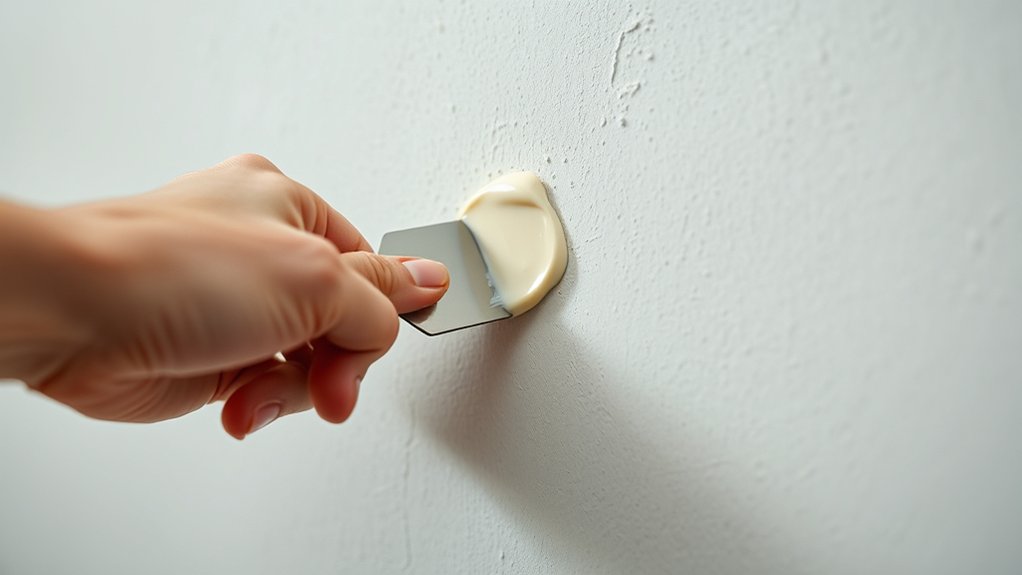
You’ll find that wood filler sticks really well to drywall surfaces, which makes it perfect for filling small cracks and nail holes with precision.
It’s got a thick consistency, so you can apply just the right amount without creating a mess.
And the best part? Once it’s dry, you can paint or stain over it, making your repairs blend seamlessly with the rest of your wall.
It’s a simple fix that looks great!
Adhesion on Drywall Surfaces
When tackling small drywall repairs, using wood filler can offer a quick and accessible solution, especially if you already have it on hand.
However, the adhesion of wood filler on drywall surfaces isn’t always ideal. Drywall’s softer, more porous nature means wood filler may not bond as firmly as compounds designed specifically for drywall.
Over time, this weaker adhesion can lead to peeling or crumbling, especially in areas prone to movement or stress. Wood filler also tends to be more brittle compared to drywall compounds, so it mightn’t hold up well in these spots.
While it can fill small holes effectively, you’ll need to sand it smooth for a clean finish.
For the best durability and adhesion, products made for drywall repairs are usually a smarter choice. They’re designed to flex a bit and stick better to the drywall surface, which means your repair will last longer and look cleaner.
Filling Small Cracks
Wood filler works well for filling small cracks and minor imperfections in drywall. It offers a smooth finish that sands down easily for a seamless look.
When filling small cracks, wood filler provides strong adhesion, securing the repair effectively and preventing further damage. Its quick drying time means you can complete minor repairs faster, making it a practical choice for touch-ups like nail holes or hairline cracks.
Just keep in mind, wood filler is primarily designed for wood surfaces, so it performs best on small, shallow imperfections rather than larger drywall cracks.
For those minor imperfections, wood filler is a handy option. But for bigger gaps, other materials like spackling compound might serve you better.
Use wood filler thoughtfully to guarantee a durable and neat finish on your drywall repairs.
Paint and Stain Compatibility
Many small drywall repairs benefit from using wood filler because it can be easily painted or stained to blend with the surrounding surface. When you apply wood filler, make sure it’s smooth and well-sanded to avoid visible rough patches after painting.
Although wood filler can be stained or painted to match your drywall, keep in mind it’s designed for wood, so its adhesion to drywall isn’t always reliable. This means it works best for minor dents or holes rather than larger repairs.
For a seamless finish, apply a thin layer and sand it carefully before painting.
While spackling often provides better adhesion and dries faster, wood filler remains a practical option when you want a repair that can be stained or painted to blend effortlessly with your wall.
Drawbacks of Using Wood Filler on Drywall
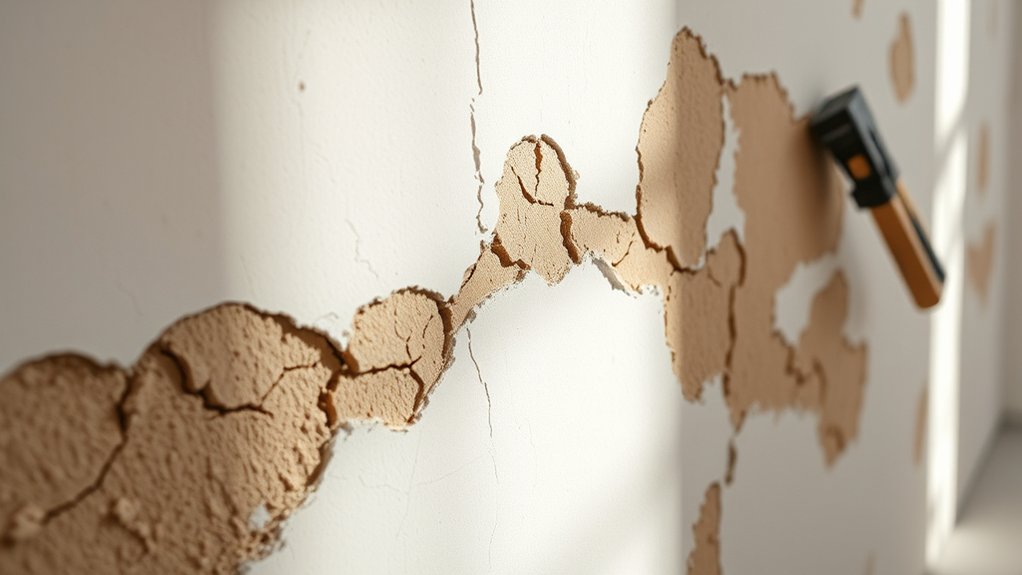
Although wood filler might seem like a convenient option for repairing drywall, it often fails to deliver lasting results because it isn’t formulated for drywall surfaces. When you use wood filler, you risk poor adhesion since it’s designed for wood, not drywall. This mismatch can lead to cracking and separation as drywall naturally expands and contracts.
Plus, wood filler’s hardness creates visible texture differences that make repairs stand out.
Here are some key drawbacks to take into account:
- Wood filler lacks flexibility, so it can pop out over time due to wall movement or settling.
- It requires more intensive sanding and finishing compared to proper materials made for drywall.
- Using wood filler risks uneven texture and poor long-term durability on drywall repairs.
Choosing proper materials guarantees a smoother, longer-lasting finish. It’s definitely worth using the right product for the job!
Wood Filler vs. Spackling: Which Is Better for Drywall?
When you’re fixing drywall, you might find that wood filler doesn’t stick as well and actually takes longer to dry than spackling.
Spackling, on the other hand, dries pretty quickly and is made specifically to work with drywall’s surface and its flexibility.
Adhesion Comparison
How well a filler adheres to drywall can make or break your repair job. In this adhesion comparison between wood filler and spackling, spackling clearly has the edge for drywall repairs.
Wood filler, designed for wood surfaces, may not stick properly to drywall, which risks repair failure.
In contrast, spackling is formulated to bond seamlessly with drywall, ensuring better durability and a smoother finish.
Consider these points: Wood filler dries harder but can become brittle and crack since it doesn’t flex with drywall. Spackling minimizes shrinkage, reducing the chance of gaps or cracks.
Spackling’s superior adhesion helps it integrate well with drywall, making it ideal for small holes and surface imperfections.
Drying Time Differences
Because drying time directly impacts your repair schedule, understanding the drying time differences between wood filler and spackling is essential for drywall projects.
Wood filler generally takes longer to dry, which can slow down your workflow, especially when you’re trying to finish repairs quickly.
Spackling, on the other hand, dries in about 5-10 minutes, making it a much faster option for filling holes and small cracks in drywall.
Plus, wood filler tends to shrink more as it dries, often requiring multiple applications to get a smooth finish.
Spackling’s quick drying time and minimal shrinkage let you sand and paint sooner, which really helps streamline the repair process.
Surface Compatibility
Choosing the right filler for drywall repairs goes beyond drying time. You need to think about how well the product sticks and works on the surface itself.
When comparing wood filler and spackling for drywall, surface compatibility is super important. Wood filler is made for wood, so it often doesn’t bond well to drywall. That can cause adhesion problems.
On the other hand, spackling is made specifically for drywall, so it gives you better results.
Here are some things to keep in mind about surface compatibility:
- Wood filler might crack or peel because it doesn’t stick well to drywall.
- Spackling shrinks very little, so it creates a smooth finish without needing extra layers.
- If you have bigger gaps, spackling sands easily and stays durable on drywall.
In the end, spackling beats wood filler for drywall repairs because it sticks better and is easier to use.
Avoiding Wood Filler: When to Use Drywall Products Instead
Although wood filler might seem like a convenient option, you shouldn’t use it on drywall since it doesn’t adhere well and tends to crack on the softer surface.
When avoiding wood filler, turn to drywall products like spackling compounds for small holes. They dry quickly and bond effectively.
For small holes, use spackling compounds—they dry fast and adhere well to drywall surfaces.
For larger gaps or cracks, use joint compound or plaster fillers designed for drywall’s flexibility. Proper surface preparation is vital. Clean and smooth the area before applying drywall products to guarantee better adhesion and durability.
Wood filler dries harder and can cause texture issues, making finishing difficult. Choosing the right drywall product and preparing the surface properly assures a smoother, longer-lasting repair.
This way, you avoid the pitfalls of using wood filler on your drywall projects.
Tips for Applying and Finishing Wood Filler on Drywall
If you decide to use wood filler on drywall despite its limitations, applying it correctly can help minimize common issues. To get the best results, start by thoroughly cleaning the surface to remove dust. This helps the wood filler stick better and creates a smoother finish.
When you apply the wood filler, use a putty knife to press it firmly into the cracks or holes, then smooth it out evenly. After it dries fully, sand the area to blend it with the surrounding drywall surface.
For finishing touches, prime the patched spot to prevent uneven paint absorption and guarantee a uniform look.
Keep these tips in mind:
- Clean and prep the surface before applying
- Use a putty knife for even application
- Sand and prime before painting for a flawless finish
Best Alternatives to Wood Filler for Durable Drywall Repairs
When you need a durable repair on drywall, using wood filler often falls short because it wasn’t designed for this material. For effective drywall repairs, specialized drywall joint compound works best, as it adheres well and handles drywall’s flexibility.
For small holes and cracks, spackling paste offers quick drying and easy sanding, ensuring a smooth finish. Polyfilla is another solid choice, especially for fine cracks; you can mix it to the consistency you need for a long-lasting repair.
Spackling paste and Polyfilla are ideal for small holes and fine cracks, offering quick drying and smooth finishes.
If you’re tackling larger areas, reinforce the spot with fiberglass mesh tape before applying joint compound for strength.
Two-part epoxy fillers work too, but use them cautiously to avoid brittleness. These alternatives provide better durability and finish than wood filler on drywall.
Frequently Asked Questions
Can Wood Filler Be Painted Immediately After Application on Drywall?
You shouldn’t paint wood filler immediately after applying it on drywall. For effective drywall repair, you need to let the filler fully dry and sand it smooth first.
Painting too soon can cause poor filler compatibility, leading to peeling or cracking.
Following proper painting techniques guarantees a seamless finish. Always check the manufacturer’s instructions since drying times vary.
But trust me, a little patience goes a long way. It assures better adhesion and a longer-lasting repair.
How Long Does Wood Filler Take to Fully Dry on Drywall?
Don’t expect wood filler to dry as fast on drywall as on wood. It usually takes 8 to 24 hours for full drying time.
To speed this up, guarantee good ventilation and keep humidity low during application.
Choose a fast-drying wood filler product designed for quick curing. Applying thin layers helps, too.
Is Wood Filler Safe to Use Indoors With Poor Ventilation?
Using wood filler indoors with poor ventilation isn’t safe because it can harm your indoor air quality.
You’ll face ventilation concerns due to the fumes and VOCs released, which might cause respiratory irritation.
To protect yourself, avoid solvent-based fillers in tight spaces and opt for alternative fillers designed for indoor use with low or no VOCs.
Always follow safety guidelines and try to improve airflow whenever possible.
Can Wood Filler Be Used on Textured Drywall Surfaces?
Like trying to fit a square peg in a round hole, using wood filler on textured surfaces often leads to compatibility issues.
You’ll find its hardness causes cracking and poor adhesion on drywall textures.
For best results, avoid wood filler and explore application techniques designed for drywall, such as lightweight spackling compounds.
These options flex with the surface, ensuring seamless repairs without visible patches or future popping.
Will Wood Filler Cause Discoloration Under Drywall Paint?
Yes, wood filler can cause discoloration under drywall paint if you don’t focus on preventing it. Its paint compatibility is different from drywall, so the filler might absorb paint unevenly.
To avoid this, you need thorough surface preparation. That means sanding, cleaning, and priming the filler before painting.
Using a primer made for drywall helps create a uniform surface. This way, your paint will stick properly, and the repaired area will blend seamlessly with the rest of your wall.
Conclusion
While wood filler can step in for minor drywall touch-ups, it’s not your go-to for lasting fixes. It offers a quick, neat solution but may not blend as seamlessly or hold up over time like drywall-specific products.
For a truly polished, durable finish, consider drywall compound or spackling instead. By choosing the right material, you’ll save yourself from future headaches and guarantee your walls look their absolute best with minimal fuss.