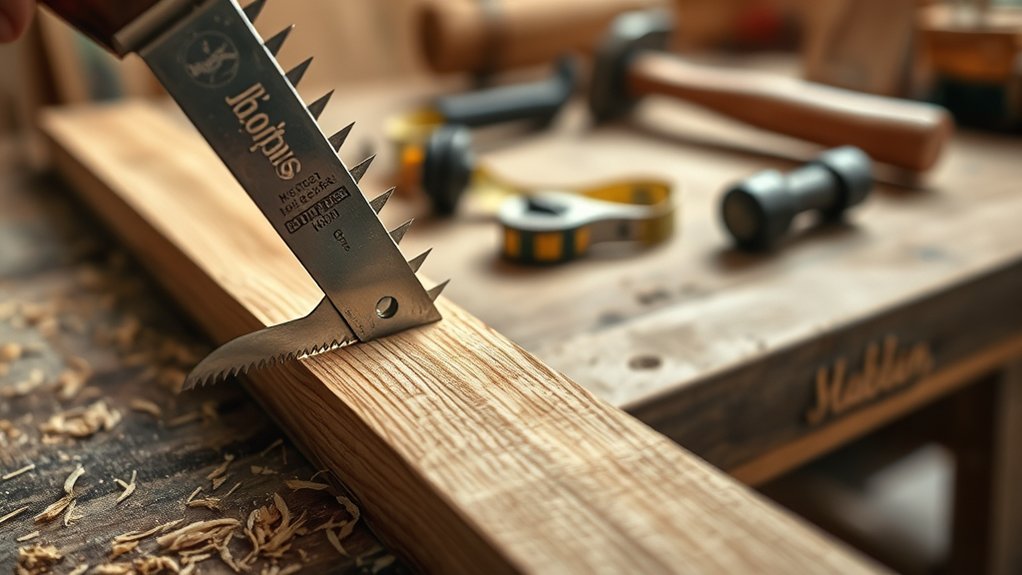
Can A Hacksaw Cut Wood: Tools And Tips Explained
Yes, you can cut wood with a hacksaw if you choose the right blade. A blade with 10-14 TPI works best for smoother cuts on softwoods or thinner hardwoods.
Make sure to secure your wood firmly before you start. Then, apply steady, controlled strokes with even pressure to avoid splintering. Keep the blade tension tight and begin with shallow cuts to guide your work better.
Using the right techniques and keeping your tools well-maintained will really improve your results and efficiency. Give these tips a try, and you’ll get the hang of it in no time.
When Should You Use a Hacksaw to Cut Wood?
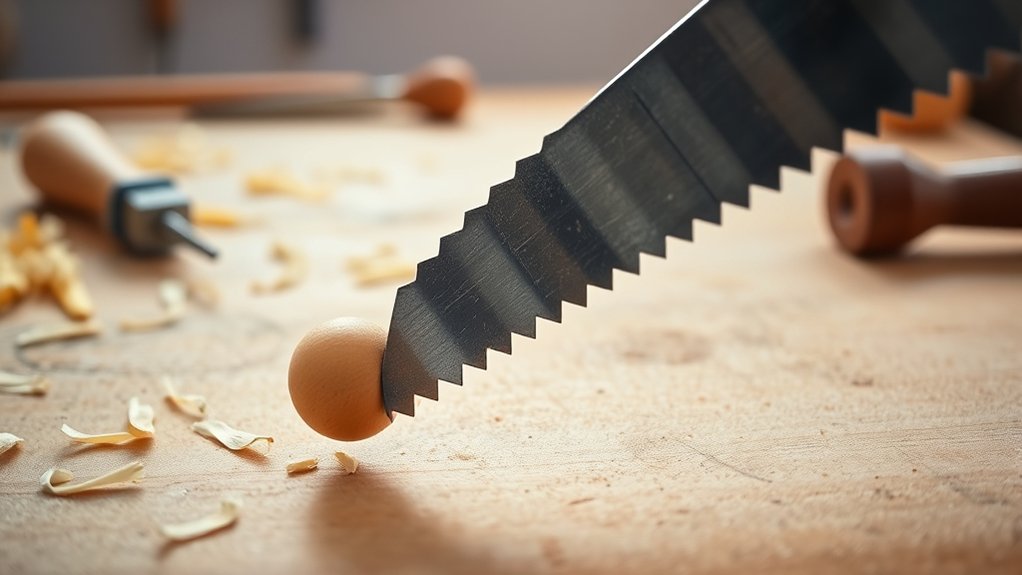
Although a hacksaw isn’t the go-to tool for cutting wood, you’ll find it useful when working with thin wooden pieces or making intricate cuts that require precision.
When choosing hacksaw blades for wood, opt for ones with a lower teeth per inch (TPI) count, around 10 to 14 TPI, to achieve smoother cuts without tearing the grain.
You’ll want to avoid blades with too many teeth because they slow your progress and can cause burning.
Adjust blade tension carefully. Too loose causes jagged edges, while overly tight blades risk snapping.
Mark your cut line clearly and apply steady, even pressure while sawing. This approach minimizes splintering and enhances accuracy.
It makes the hacksaw a practical choice for detailed or delicate woodcutting tasks.
Comparing Hacksaws and Handsaws for Wood Cutting
How well a hacksaw handles wood compared to a handsaw depends largely on the tool’s design and blade characteristics. Hacksaws are built for metal, with fine teeth that slow wood cutting, while handsaws have coarser teeth designed for faster, cleaner wood cuts.
When choosing between hacksaws and handsaws for wood cutting, consider:
- Tooth Pitch: Hacksaws have 18-32 TPI, handsaws 5-10 TPI, making handsaws faster for wood.
- Blade Design: Hacksaws risk binding in wood fibers; handsaws glide smoothly.
- Effort: Hacksaws require more force and produce rougher edges.
- Control: Handsaws offer better handling and precision in woodwork.
For efficient, clean wood cutting, handsaws outperform hacksaws every time. It’s really that simple!
Common Wood Types Suitable for Hacksaw Cutting
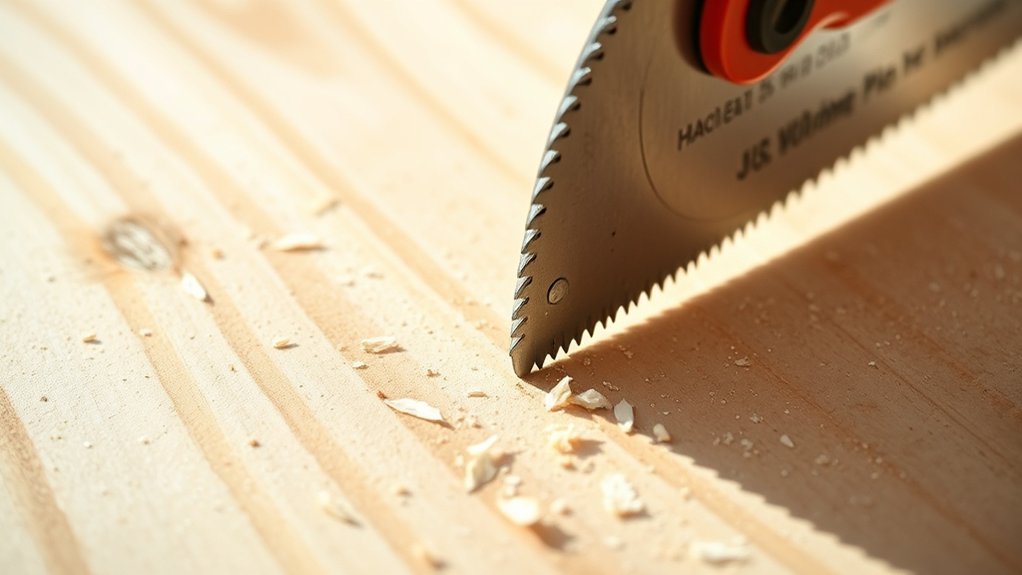
You’ll find that softwoods like pine and cedar are much easier to cut with a hacksaw because they’ve a lower density.
So, if you’re working with these types, the job will be smoother and quicker.
Now, hardwoods like oak or maple can be a bit trickier, especially when the pieces are thicker.
But don’t worry—thinner cuts are definitely still doable with a hacksaw.
Just make sure you choose the right blade for the job and secure the wood properly.
That way, your work will be more efficient and accurate.
Softwoods Easily Cut
When working with softwoods like pine, cedar, or fir, you’ll find that a hacksaw can cut through them effectively thanks to its fine-toothed blade.
The key is picking the right blade and technique for cutting wood smoothly. Here’s what to keep in mind:
- Use a blade with 18-24 teeth per inch (TPI) for a balance between speed and smoothness.
- For thicker softwood pieces (up to 2 inches), choose a blade with fewer teeth per inch to avoid clogging.
- Mark your cut line clearly to maintain accuracy.
- Apply steady, even pressure to let the blade do the work without forcing it.
If you follow this approach, your hacksaw will handle softwoods with clean, efficient cuts every time.
It’s pretty straightforward once you get the hang of it!
Hardwood Cutting Challenges
Although hacksaws excel at cutting softer woods, tackling hardwoods like oak, maple, or walnut presents a real challenge. The hardwood cutting challenges stem from the dense grain and toughness of these woods, which put significant strain on the teeth of the hacksaw.
To improve your chances, choose a blade with higher teeth per inch (around 24-32 TPI) for finer, more controlled cuts. Using bi-metal or high-speed steel blades helps maintain sharpness and durability when working with hardwoods.
You’ll need to apply steady, even pressure to avoid splintering and prevent blade damage.
While a hacksaw can handle thinner hardwood pieces, for thicker or denser cuts, specialized woodworking saws remain more efficient and reliable tools for the job.
Choosing the Right Blade for Cutting Wood With a Hacksaw
Since cutting wood with a hacksaw demands precision, choosing a blade with the right tooth count is crucial. You’ll want a blade with 18 to 32 teeth per inch (TPI) for smoother, cleaner cuts.
Here’s what to take into account:
- Tooth Count: Higher TPI blades reduce splintering and give a better finish on wood.
- Blade Material: Opt for bi-metal blades; they’re flexible and durable, which helps minimize breakage.
- Mounting Direction: Install the blade for pull cutting. This improves control and accuracy.
- Tension: Tighten the blade properly using the wingnut to prevent deflection during cutting.
Picking the right blade guarantees your cuts are precise and your hacksaw performs efficiently when cutting wood.
Choosing the correct blade ensures precision and maximizes your hacksaw’s efficiency when working with wood.
It really makes a difference once you get the hang of it!
How to Prepare Wood for Cutting With a Hacksaw
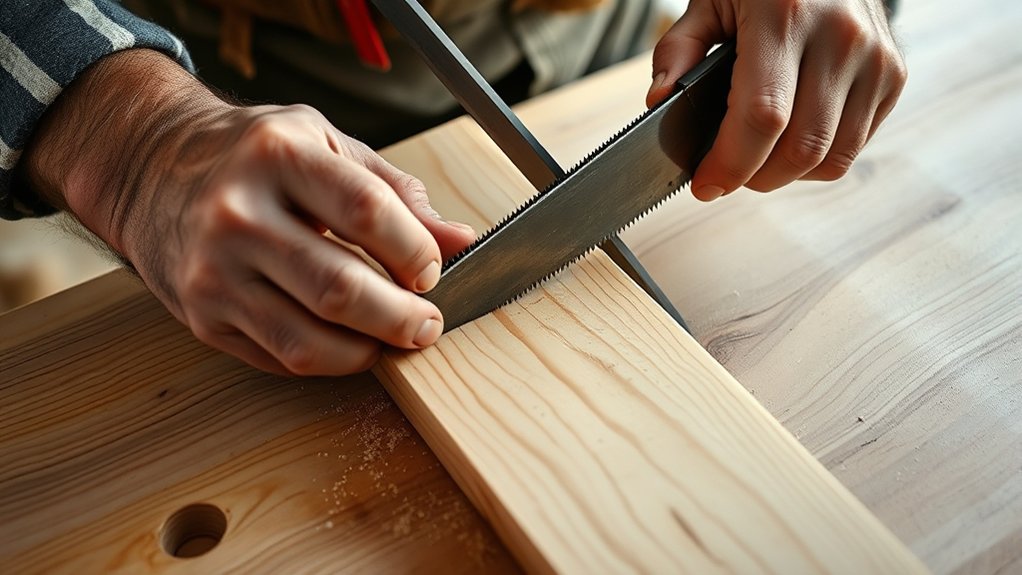
Before you start cutting, try to pick wood that’s free of knots and defects—this will make your job a lot easier.
Next, grab a pencil and mark a clear, straight line where you want to cut. This helps keep your saw from wandering off course.
Then, make sure to securely clamp the wood to your work surface so it doesn’t shift around while you’re sawing.
Wood Selection Tips
When preparing wood for cutting with a hacksaw, selecting the right type of wood makes a significant difference in your cutting experience. Softer woods like pine or cedar are your best bet since they cut more smoothly compared to hardwoods like oak or maple.
Follow these wood selection tips to get the most out of your hacksaw:
- Choose softwoods to reduce effort and blade wear.
- Pick wood free of knots or defects that could cause binding.
- Use a hacksaw blade with a lower TPI (14-18) designed for wood cutting.
- Apply lubrication like machine oil on the blade to minimize friction.
These simple steps will make your cutting easier and help your blade last longer. Give them a try next time you’re working on a project!
Marking And Securing
Two essential steps set the foundation for a clean cut: marking your wood clearly and securing it firmly. Start by using a pencil or chalk to draw a precise cutting line. This guarantees accuracy when using a hacksaw.
Next, secure the wood with clamps or a vise to prevent any movement. This stability is vital for a straight cut.
| Step | Tip |
|---|---|
| Marking | Use pencil or chalk for a clear line |
| Securing | Clamp or vise to hold wood firmly |
| Blade Setup | Tighten blade, apply lubricant for smooth cutting |
How to Use a Hacksaw to Cut Wood: Step-by-Step
Start by selecting the right blade for your hacksaw. Choose one with a lower teeth per inch (TPI) count, around 18 to 24. This helps you cut wood efficiently and get a smoother finish.
Next, follow this precise cutting technique:
- Tighten the blade firmly using the wingnut, then add three full turns for ideal tension.
- Secure the wood with a clamp to keep it stable while cutting.
- Mark your cut line clearly, and begin with short, controlled strokes to form a groove.
- Once the groove is established, use the full length of the blade for smoother, consistent cuts.
This approach guarantees your hacksaw performs well on wood. You’ll get clean, accurate results every time.
How to Prevent Splintering and Rough Cuts When Using a Hacksaw
After setting up your hacksaw and establishing a clean groove, focus on preventing splintering and rough edges to secure a neat cut. Start by choosing a blade with at least 24 teeth per inch (TPI) to achieve a finer hacksaw cut.
Secure the wood firmly with clamps to prevent any movement that causes roughness or splintering. Before sawing, apply masking tape along your marked line to hold wood fibers in place and reduce tear-out.
Begin with a shallow initial cut to guide your blade accurately. Use slow, steady strokes with even pressure. Rushing or uneven force often leads to jagged edges.
Hand saws are designed for wood, but adapting these hacksaw techniques helps you get cleaner results. This way, your woodworking projects look professional and precise.
Hacksaw Maintenance and Safety Tips for Woodworking
When you work with a hacksaw on wood, maintaining your tool and following safety protocols are essential for efficient and secure cutting. Proper hacksaw maintenance and safety tips can save you time and prevent accidents.
First, confirm the blade is properly tensioned using the wingnut. This helps avoid bending or breaking during cuts. Also, inspect the blade regularly. If the teeth are damaged or worn, replace it to keep your cuts efficient.
Ensure the blade is tight and replace worn teeth to prevent breakage and maintain cutting efficiency.
For smoother, faster wood cuts, use a blade with 14-18 teeth per inch (TPI). It really makes a difference.
And don’t forget to keep your workspace clean. Always wear safety glasses and gloves to protect against flying debris and sharp edges.
Following these hacksaw maintenance and safety tips will help you get precise, safe woodworking results every time. It’s worth taking the extra steps for your safety and quality work.
Frequently Asked Questions
Can a Hacksaw Damage Delicate Wood Finishes?
Yes, a hacksaw can damage delicate wood finishes if you’re not careful. The key is choosing the right hacksaw blade types.
Blades with higher teeth per inch (TPI) can scratch or splinter the surface.
To protect your wood, use a blade designed for wood with lower TPI.
Also, apply masking tape along the cut line. This helps minimize scratches and keeps those delicate finishes intact while cutting.
How Long Does It Take to Cut Wood With a Hacksaw?
Cutting wood with a hacksaw is like rowing upstream. It takes steady effort. Your cutting speed will depend largely on the blade types you choose.
Using a blade with 24-32 teeth per inch, designed for wood, can smooth your progress but slows you down compared to metal blades. Expect to spend 2-5 minutes cutting through a 1-inch thick piece. It all depends on the wood hardness and how sharp your blade is.
Keep your grip firm and angle consistent to boost efficiency. That way, you’ll get the job done smoother and maybe even a bit faster.
Are There Specific Hacksaw Brands Better for Cutting Wood?
Yes, certain hacksaw types from brands like Stanley and Irwin excel at cutting wood because they offer blades designed specifically for softer materials.
You’ll want to choose bi-metal blades with about 14-18 TPI for cleaner cuts.
When using these hacksaw types, focus on steady cutting techniques.
Apply even pressure and maintain blade tension to avoid binding.
This approach guarantees smoother, more precise wood cuts with less effort.
Can a Hacksaw Be Used for Curved Wood Cuts?
Yes, you can use a hacksaw for curved cuts in wood, but you’ll need specific hacksaw techniques. Choose a junior hacksaw with a high tooth per inch (TPI) blade for finer, more precise cutting.
Mark your curve clearly and use short, controlled strokes to follow the lines without splintering. Keep the blade sharp and avoid rushing.
The right technique helps you navigate curves effectively even though it’s not the ideal tool for wood. Just take your time, and you’ll get better results.
Is It Safe to Cut Treated or Painted Wood With a Hacksaw?
Worried about safety precautions when cutting treated or painted wood with a hacksaw? You should be. To protect yourself, always wear a mask and gloves to avoid inhaling harmful dust or fumes.
Use steady cutting techniques and a sharp blade to prevent overheating. Overheating can release toxins from treated wood.
Make sure there’s proper ventilation, especially with painted wood, to minimize exposure to harmful substances.
Following these tips keeps your work safe and effective. It’s better to be cautious than sorry when handling treated or painted wood.
Conclusion
When you pick up a hacksaw to cut wood, you’re steering a ship through unfamiliar waters. But with the right blade and steady hands, you’ll navigate smoothly.
Remember, preparation and patience are your compass and anchor. They help prevent splinters and rough edges from rocking your project.
Keep your tools sharp and your workspace safe. You’ll turn that tough timber into a masterpiece, one precise stroke at a time.