Can Wood Grow Mold: Causes And Prevention Tips
Yes, wood can grow mold when it’s exposed to moisture, high humidity (above 60%), and poor ventilation. Its porous structure soaks up water, which gives mold the nutrients it needs, like cellulose and lignin, to grow.
To keep mold at bay, try to control indoor humidity between 30% and 50%. Fix leaks as soon as you spot them, and consider using mold-resistant finishes on your wood surfaces.
Good airflow is important too, and using dehumidifiers can help keep moisture levels down. There’s actually a lot more to learn about how to spot, treat, and prevent mold on wood, so keep exploring!
Key Takeaways
- Wood can grow mold when exposed to moisture due to its porous structure and nutrient content like cellulose and lignin.
- High humidity above 60%, poor ventilation, and water leaks increase wood’s susceptibility to mold growth.
- Maintaining indoor humidity between 30% and 50% and ensuring proper ventilation prevents mold on wood surfaces.
- Applying mold-resistant sealants and positioning wood furniture away from walls improves airflow and reduces mold risk.
- Cleaning mold with soap, vinegar, or borax and seeking professional help for large or persistent mold infestations is essential.
How Mold Grows on Wood
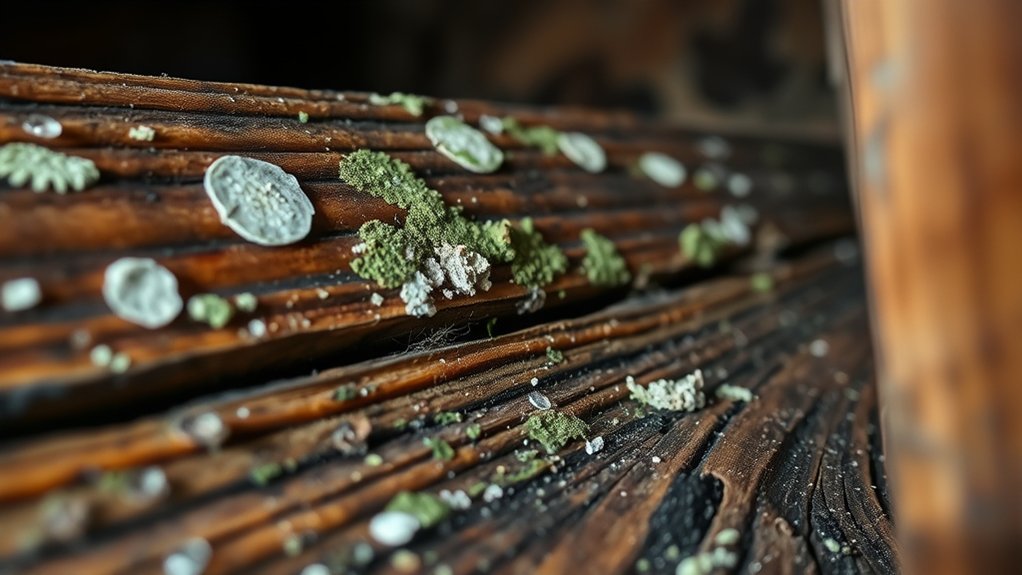
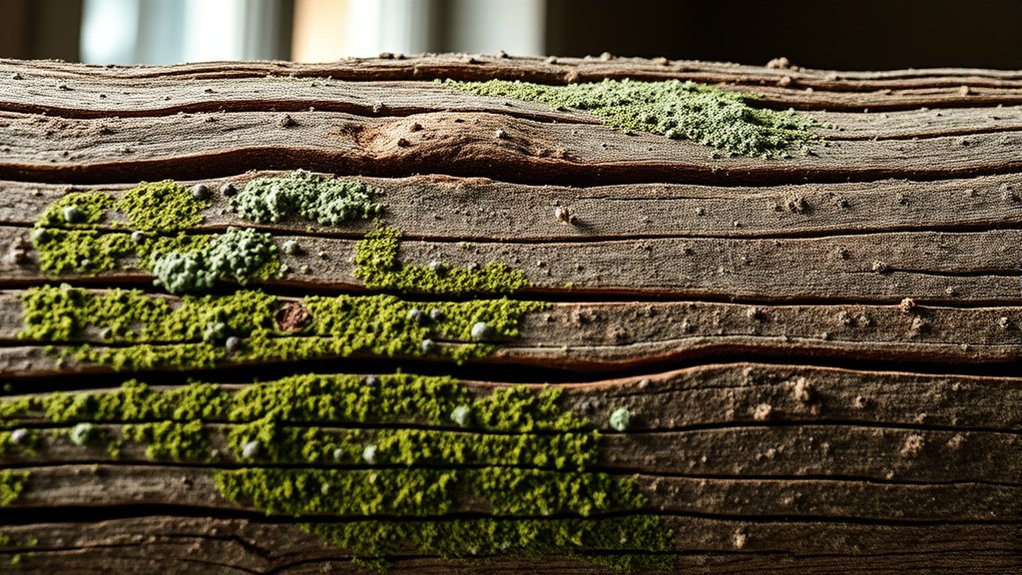
Although mold spores are virtually everywhere, they only grow on wood when moisture is present. Wood’s porous structure absorbs water and creates a suitable habitat. When mold spores land on damp wood surfaces, the cellulose and lignin provide essential nutrients that fuel mold growth.
Mold thrives on wood only when moisture is present, feeding on its porous structure and nutrients.
You’ll find that high humidity levels, typically above 60%, combined with poor ventilation, greatly increase moisture retention in wood. This encourages mold to spread.
To prevent mold growth, you need to control humidity and make sure there’s proper airflow around wood surfaces.
Regularly inspecting for moisture issues and promptly addressing leaks or dampness helps keep the environment dry. Staying on top of this is critical to stopping mold from taking hold.
Understanding how moisture interacts with wood’s properties empowers you to effectively prevent mold from damaging wooden structures.
Common Causes of Mold on Wood Surfaces
You’ll often notice mold on wood surfaces when moisture and humidity levels stay consistently high. This kind of environment is perfect for mold to grow.
The wood’s porosity matters a lot, too. More porous wood absorbs and holds onto moisture, which gives mold the nutrients it needs to thrive.
On top of that, things like poor ventilation and water leaks can make the problem worse. They keep the area damp, making it easier for mold to take hold and spread.
Moisture and Humidity
When moisture levels exceed 50%, mold rapidly colonizes wood surfaces because the porous nature of wood absorbs water. This creates an ideal environment for fungal growth. High indoor humidity and moisture from plumbing leaks or flooding raise humidity levels, increasing the risk of mold growth on wood.
Inadequate ventilation traps moisture, especially in basements or under sinks, making the problem worse. To prevent mold growth, you need to maintain indoor humidity between 30% and 50%.
Regularly inspect and promptly repair leaks to reduce moisture buildup. Controlling humidity levels and ensuring proper airflow disrupt mold’s ability to thrive on wood surfaces.
Wood Porosity Factors
Because wood is inherently porous, it readily absorbs moisture from its environment, creating an ideal habitat for mold growth.
You should note that the porosity of wood directly influences how much moisture it can retain, with softwoods like pine and spruce being more vulnerable due to their lower density and higher absorption rates.
Newly harvested wood contains high sugar content, providing an additional nutrient source that promotes mold colonization.
When wood surfaces remain improperly finished or unsealed, moisture becomes trapped within the pores, intensifying mold growth risks.
While humidity levels above 50% exacerbate moisture retention, the porous structure of wood is the primary factor allowing mold spores to thrive.
Understanding these wood porosity factors helps you prevent mold by controlling moisture exposure and sealing surfaces effectively.
Environmental Conditions
Understanding how wood’s porosity contributes to moisture retention sets the stage for examining environmental conditions that promote mold growth. Mold thrives on wood surfaces when moisture levels surpass 50%, creating a prime environment for proliferation. Several environmental factors influence mold growth.
First, excessive moisture levels play a big role. High humidity or water damage from leaks can saturate wood, making it a perfect spot for mold to grow.
Poor ventilation is another common culprit. Places like basements with stagnant air stop moisture from evaporating, which encourages mold.
Temperature fluctuations also matter. When temperatures change, condensation can form on wood surfaces, adding to the dampness.
Lastly, cleaning practices can have an impact too. Using too much water when cleaning can raise moisture levels and unintentionally promote mold growth.
How to Spot Mold Early on Wood Furniture
How can you detect mold on wood furniture before it spreads extensively?
Begin by inspecting furniture thoroughly, focusing on areas prone to moisture accumulation like undersides and corners. Use a flashlight to illuminate dark spots where mold growth often starts unnoticed.
Inspect furniture carefully, especially moist areas and hidden corners, using a flashlight to spot early mold growth.
Look for fuzzy patches in black, green, or brown hues, which usually indicate mold presence.
Also, be alert to any musty odor near the furniture; it often signals hidden mold even if you can’t see it.
Check carefully for water damage or dampness because these conditions create an ideal environment for mold to grow.
Early detection by monitoring moisture and visible mold signs plays a vital role in preventing mold growth from advancing and damaging your wood furniture.
Regular inspections are essential for maintaining wood integrity and keeping indoor air quality healthy.
Easy Ways to Prevent Mold Growth on Wood
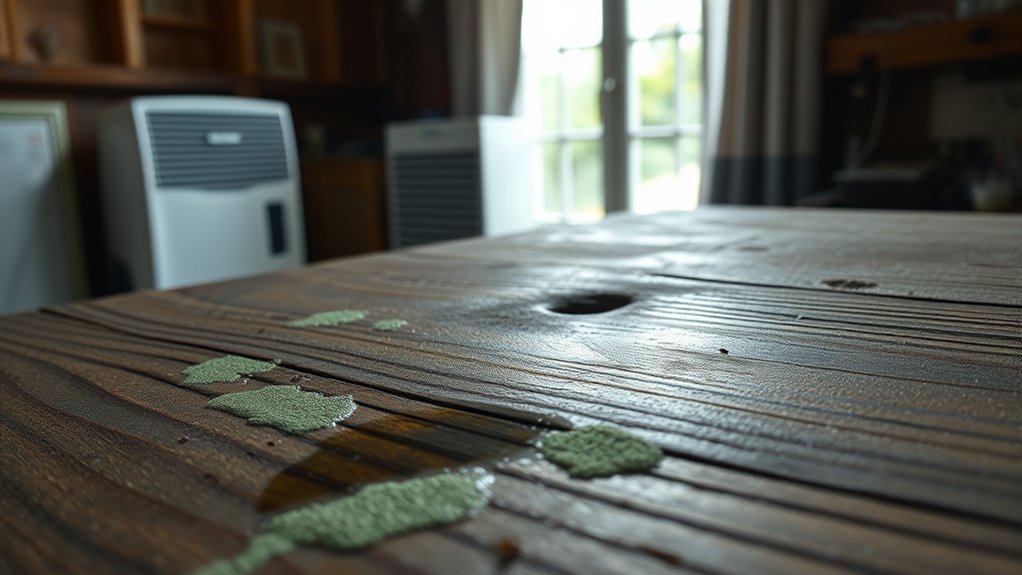
You can keep mold from growing on wood by keeping an eye on moisture levels. Regularly check for leaks and try to keep your indoor humidity somewhere between 30% and 50%.
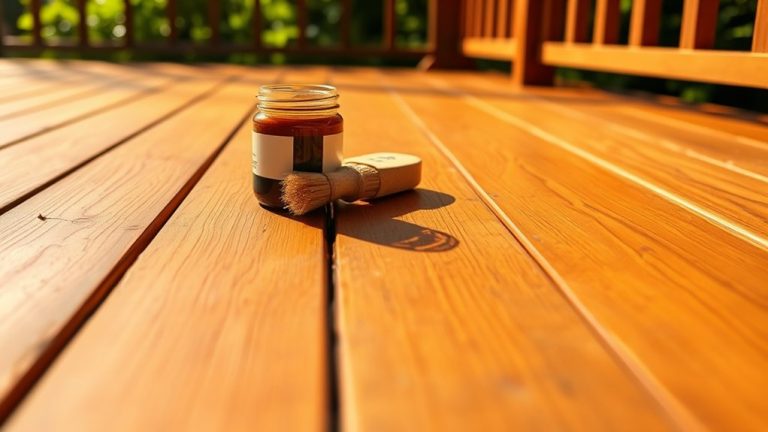
Another helpful tip is to apply mold-resistant sealants and protective finishes. These act like shields, stopping moisture from soaking into the wood.
When you combine these simple steps, you’ll create an environment that’s much less inviting for mold to take hold on your wood surfaces.
Moisture Control Techniques
Since moisture is the primary catalyst for mold growth on wood, controlling humidity and preventing water accumulation are essential steps to protect your wood surfaces.
Effective moisture control involves maintaining precise environmental conditions and addressing potential water sources.
Keep indoor humidity levels between 30% and 50%. This range discourages mold spore germination on wood. It’s a simple but effective way to keep mold at bay.
Regularly inspect for plumbing leaks and repair them promptly. Doing this helps eliminate moisture accumulation that fosters mold development.
Use dehumidifiers in high-humidity areas like basements to reduce airborne moisture. This really helps with mold prevention.
Maintain proper airflow by positioning wood furniture at least two inches from walls. This promotes drying and inhibits moisture retention. It’s a small change that can make a big difference.
Protective Wood Treatments
Although controlling moisture is crucial, applying protective wood treatments provides an additional, effective barrier against mold growth. These treatments, including mold-resistant coatings, greatly reduce moisture absorption by sealing wood surfaces. This limits the environment mold needs to thrive.
Chemical treatments like borate solutions offer environmentally safe options that inhibit mold development while protecting wood from decay.
To maximize effectiveness, maintain indoor humidity levels between 30% and 50% and guarantee good ventilation to keep wood dry.
Regularly inspect for leaks and clean spills promptly to prevent moisture buildup.
How Protective Finishes Help Keep Mold Away
When you apply a high-quality protective finish to wood, you create a barrier that greatly reduces moisture absorption.
Moisture is the main reason mold grows, so cutting down on it really helps.
Protective finishes work by minimizing moisture absorption, which deprives mold spores of the damp environment they need.
Plus, breathable finishes like Lifeline™ let trapped moisture escape, stopping mold-friendly conditions from forming.
Some finishes even have mold inhibitors built in.
These actively prevent mold spores from settling and growing on your wood.
Regular and proper application of these finishes also helps keep wood strong by preventing damage from mold and mildew.
Simple Cleaning Methods to Remove Mold From Wood
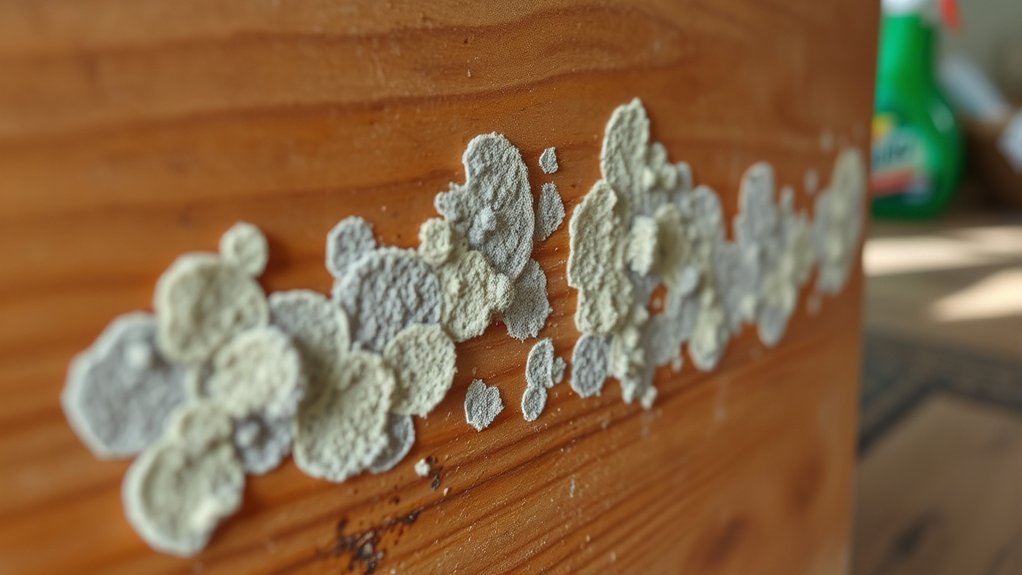
Tackle small mold infestations on wood by scrubbing the affected area with a mixture of dishwashing soap and warm water using a soft brush. For enhanced mold removal, distilled white vinegar diluted with water works effectively. Just mist the area and wipe it after one hour.
To prevent future mold growth, apply a borax solution and allow it to dry thoroughly. If you have persistent mold remnants, sanding and vacuuming can help get rid of them.
| Cleaning Solution | Application Method | Purpose |
|---|---|---|
| Dishwashing soap + water | Scrub with soft brush | Initial mold removal |
| Distilled white vinegar | Mist and wipe after 1 hour | Deep mold treatment |
| Borax solution | Scrub and air dry | Long-lasting mold prevention |
These methods guarantee precise mold removal and help minimize recurrence. Give them a try, and you’ll see the difference!
Picking the Best Mold Cleaner for Wood
Selecting the right mold cleaner for wood means picking products made just for porous materials. This way, you’ll get rid of mold effectively without messing up the wood’s surface.
To find the best mold cleaner, start by choosing EPA-registered ones that can really penetrate wood fibers. This ensures the mold is thoroughly taken care of.
You’ll want to go for non-toxic formulas too. These are safe to use indoors, especially if you have kids or pets around.
Also, look for products that offer ongoing antimicrobial protection. This helps stop mold from coming back on your wood.
Once you’ve cleaned the mold, don’t forget to apply mold-resistant coatings. They create a moisture barrier that keeps mold from building up again.
When It’s Time to Call a Mold Removal Pro
Even with the best mold cleaners and preventive measures, some situations call for professional intervention. When mold growth covers an area larger than 10 square feet or if you experience persistent health effects like allergic reactions or respiratory issues due to mold exposure, it’s time to call a mold removal pro.
Professionals perform thorough inspections to detect hidden mold and moisture sources, ensuring complete clean up of the mold with specialized equipment like HEPA filters. They also provide follow-up inspections to prevent recurrence.
This way, you get effective and safe professional mold remediation.
| Condition | Reason to Call a Pro | Professional Approach |
|---|---|---|
| Large mold growth | Covers >10 sq. ft. | Specialized equipment, HEPA filters |
| Persistent health effects | Allergies, respiratory problems | Detailed inspection and testing |
| Hidden mold detection | Not visible to the naked eye | Moisture source identification |
| Recurrence prevention | Mold returns after cleaning | Follow-up inspections |
Frequently Asked Questions
Can Mold on Wood Affect Indoor Air Quality?
Yes, mold on wood releases mold spores that degrade indoor air quality. You need to control indoor humidity between 30% and 50% to prevent mold growth.
Improving air filtration and ensuring your ventilation systems work efficiently will reduce airborne spores.
Regular mold removal from wood surfaces is essential to minimize respiratory risks. By managing these factors, you maintain healthier air and protect yourself from potential allergic or respiratory symptoms caused by mold exposure.
It’s really about keeping things dry and well-ventilated to stay safe and comfortable indoors.
Does Painted Wood Resist Mold Better Than Untreated Wood?
Yes, painted wood resists mold better than untreated wood because specific paint types contain antifungal additives that inhibit mold growth.
Proper wood finishes create a protective barrier, reducing moisture absorption, which is a key factor in mold development.
To maximize resistance, focus on moisture control and the importance of ventilation in your environment.
Regular surface treatments and inspections help maintain paint integrity. This prevents deterioration that could expose wood to mold-friendly conditions.
How Long Does Mold Take to Appear on Damp Wood?
Mold growth on damp wood usually starts within 24 to 48 hours when conditions are just right. High humidity levels above 60% speed up this process, especially if the wood is porous and more prone to mold.
Warmth and poor ventilation also play a big role in how quickly mold appears. If you keep an eye on these factors, you can often predict when mold might show up.
The best way to stop mold is by drying the wood quickly and controlling the humidity around it. Taking these steps can really help prevent mold from forming in the first place.
Can Mold on Wood Cause Structural Damage?
Mold on wood acts like a slow poison, eroding its strength over time. You must monitor wood moisture levels closely because excess dampness fuels mold growth factors that compromise structural integrity.
Ignoring this leads to softened, brittle wood and costly repairs.
By using effective mold remediation techniques and prevention methods, such as controlling humidity and ensuring ventilation, you can protect your wood structures.
This helps maintain their durability and safety. It’s really about staying on top of moisture before mold takes hold.
Are There Eco-Friendly Mold Prevention Products for Wood?
Yes, you can use eco-friendly mold prevention products for wood that include natural antifungal solutions like essential oil treatments with clove or thyme oil.
Vinegar applications and baking soda remedies also inhibit mold growth effectively.
Biodegradable sprays containing plant extracts or borate compounds provide durable protection without harming the environment.
These options work scientifically by disrupting mold spores and moisture, ensuring your wood stays mold-free while remaining safe for indoor and outdoor use.
Conclusion
Think of wood as a living fortress, vulnerable yet resilient. Mold is like an invading army exploiting cracks and moisture to breach its defenses. By understanding how mold grows and acting swiftly, through vigilant inspection, protective finishes, and targeted cleaning, you can reinforce your wood’s defenses.
Don’t wait for the invaders to claim victory. Your proactive care is the precise shield that keeps your wooden surfaces strong and mold-free.