Chainsaw Leaking Bar Oil When Sitting – Causes And Fixes
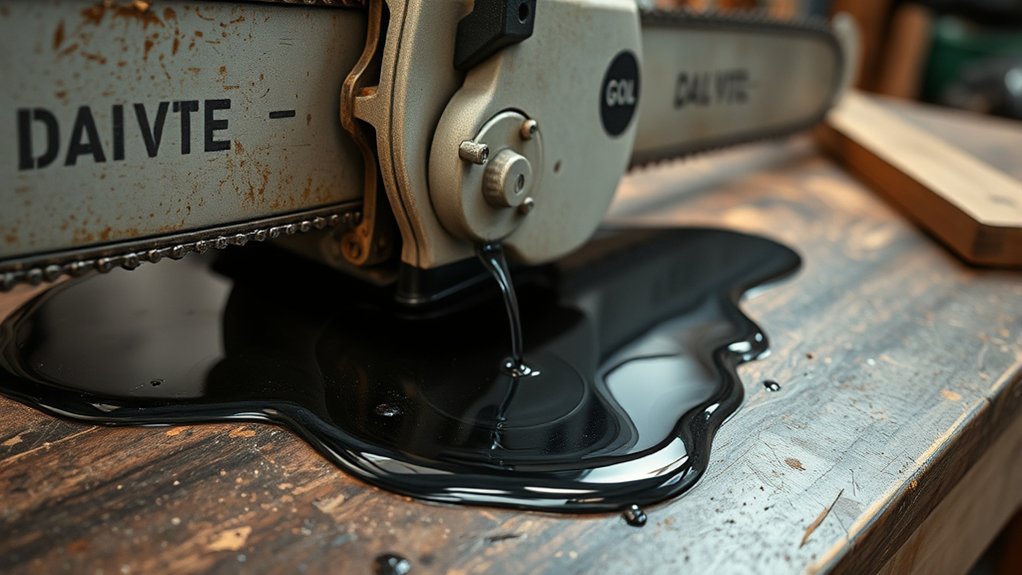
If your chainsaw leaks bar oil when sitting, it’s often due to pressure changes inside the oil tank, worn seals, or a faulty duck bill vent valve allowing seepage. Improper storage, like laying the saw flat, also causes oil pooling.
Inspect the oil cap and seals for damage, clean the oil system thoroughly, and store the saw vertically to minimize leaks. If the problem keeps happening, it might be a sign of deeper oil pump issues.
Understanding these causes and fixes can really help you keep your chainsaw leak-free and running smoothly. It’s all about catching the problem early and taking the right steps to fix it.
Why Your Chainsaw Leaks Bar Oil When Sitting

Several factors can cause your chainsaw to leak bar oil when it’s sitting unused. One common reason is accumulated oil in the guide bar and saw body that gradually drains and drips during storage.
Temperature fluctuations also contribute by creating pressure changes inside the oil tank, pushing oil out if the chainsaw isn’t stored properly.
Another thing to watch out for is a worn duck bill vent valve. When it doesn’t seal correctly, oil can seep from the reservoir even when the saw is just sitting idle.
Plus, poor storage practices, like laying the chainsaw flat, make oil pooling worse and increase the chances of leaks.
To keep your chainsaw from leaking oil, try to check the seals and gaskets regularly.
Also, store the saw upright in a stable environment. This helps minimize pressure changes and stops oil from draining out.
How to Inspect the Oil Cap and Seals for Damage
If your chainsaw continues to leak bar oil even after proper storage and vent valve checks, the next step is to inspect the oil cap and seals closely.
Start by examining the oil cap for cracks or any deformities that might compromise its fit. Check the rubber seal inside the oil cap for signs of wear or deterioration, as these can cause leaks when the chainsaw sits unused.
Make sure the oil cap is tightly secured before storage since a loose cap can allow oil to escape due to pressure changes.
Also, take a careful look at the oil reservoir gasket; a damaged gasket often leads to leaks.
It’s a good idea to regularly clean the oil cap and the area around it to prevent debris from blocking the seal and causing potential leaks.
By paying attention to these details, you’ll help keep your chainsaw’s oil system tight and leak-free.
It’s a simple way to avoid messy problems down the line.
Cleaning Your Chainsaw to Find Oil Leaks
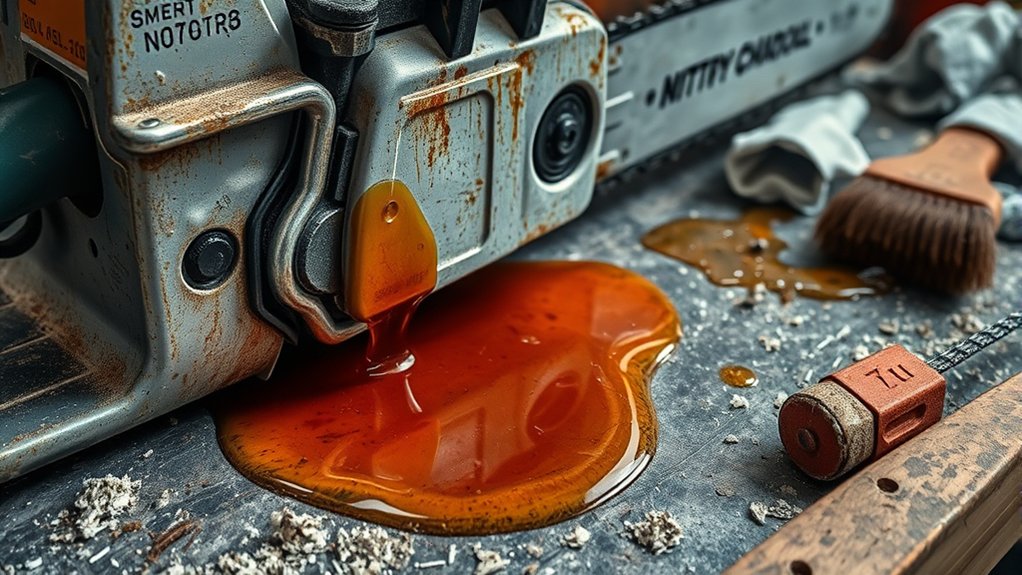
First, take off the clutch cover, bar, and chain so you can get to the oil system and clean it properly.
It’s important to use a degreaser along with some compressed air to blow out all the oil residue and debris from every oil passage.
Once you’ve drained the oil tank and given everything a good clean, set the saw down on a piece of cardboard.
This way, you can easily keep an eye out for any fresh leaks while the saw is running.
Thorough Cleaning Steps
Remove the side clutch cover, bar, and chain to access the oil reservoir and expose potential leak points.
Begin by draining the oil tank to prevent spills and simplify cleaning. Use a degreaser or carburetor cleaner to thoroughly clean all oil passages, focusing on the oil tank and surrounding components.
Make sure no debris or buildup obstructs oil flow.
After cleaning, inspect seals and gaskets for wear or damage, replacing them as needed to maintain a secure oil delivery system.
Finally, place cardboard or newspaper under the saw to catch any new leaks during operation.
This methodical cleaning approach helps you identify and address leaks effectively. It prevents further oil loss and keeps your chainsaw running at its best.
Oil Leak Detection
Although oil leaks can sometimes be subtle, cleaning your chainsaw thoroughly with a degreaser or carburetor cleaner lets you pinpoint their exact source.
Start by removing the side clutch cover, bar, and chain for full access to oil delivery components. Drain the oil tank beforehand to prevent further spills and improve inspection accuracy.
Use compressed air to clear debris from oil passages, ensuring proper oil flow and exposing hidden leaks.
After cleaning, place cardboard or newspaper under the saw and monitor for fresh oil stains, which indicate active oil leaks.
This systematic approach helps you detect leaks efficiently, allowing targeted repairs to the oil delivery system and preventing further damage or excessive oil loss during operation.
How to Tell if Your Oil Pump Is Leaking
How can you determine if your chainsaw’s oil pump is leaking? Start by examining the clutch and sprocket area for oil pooling when the saw is off. This often signals a leaking bar caused by a faulty oil pump.
Next, inspect around the oil cap for any seepage. While running the chainsaw, watch the oil flow closely. If the delivery is insufficient or inconsistent, it could mean the oil pump has issues.
Check seals and gaskets near the oil pump for visible cracks or damage that might allow leaks.
Finally, take a look at the oil pump drive gear for wear or damage. A malfunctioning gear can disrupt proper oil delivery, which leads to leaks.
These steps will help you accurately identify an oil pump leak that’s causing your chainsaw’s oil bar to leak.
Quick Fixes to Stop Chainsaw Bar Oil Leaks

To stop bar oil leaks right away, start by checking the duck bill vent valve and seals for any signs of wear. If you find any faulty parts, go ahead and replace them.
Also, try storing your chainsaw vertically using an S hook. This helps reduce oil draining from the reservoir, which can cause leaks.
On top of that, make it a habit to clean your chainsaw regularly.
Using a drip tray during storage is a smart move too—it catches minor leaks and keeps oil buildup to a minimum.
Immediate Leak Prevention
When you store your chainsaw vertically using an S hook, you minimize oil pooling and reduce the chance of bar oil leaks. To prevent bar oil leaks immediately, make sure the oil reservoir cap is tightly sealed and check the duck bill vent valve for any wear.
Blowing off residual oil and wiping the saw clean after use also helps keep leaks at bay. Plus, using a drip tray under your chainsaw protects surfaces from minor leaks during storage.
| Action | Purpose |
|---|---|
| Vertical storage with S hook | Minimizes oil pooling |
| Tighten oil reservoir cap | Prevents seepage from temperature shifts |
| Replace vent valve | Stops leaks from compromised valves |
| Use drip tray or mat | Catches minor oil leaks |
These simple steps give you an immediate, practical way to stop bar oil leaks.
Simple Maintenance Steps
Building on immediate leak prevention, simple maintenance steps keep your chainsaw’s bar oil system secure and efficient.
Regularly inspect and replace the duck bill vent valve to guarantee proper sealing and prevent oil leaking from the reservoir. Clean your chainsaw thoroughly after each use to remove accumulated oil that can cause leaks during storage.
Store the chainsaw vertically using an S Hook to minimize oil seepage. Check seals and gaskets frequently for wear; replace them promptly to maintain a tight oil delivery system.
Monitor oil levels consistently to catch irregularities early.
These practical steps reduce oil leaking issues and improve performance. They’re essential for effective Small Engine Repair and will help prolong your chainsaw’s service life.
Taking a little time to do these checks really pays off in the long run.
Maintaining Vent Valves to Prevent Oil Leaks
Although vent valves may seem minor, keeping them well-maintained is crucial for preventing bar oil leaks in your chainsaw. Regularly inspect the duck bill vent valve for wear or damage. A compromised vent valve can cause oil leakage during storage.
Make certain the oil reservoir cap seals tightly to maintain internal pressure and prevent seepage. Periodically clean the vent valve to remove clogs that disrupt proper oil flow.
Check the entire vent valve assembly for any signs of deterioration and replace parts as needed to guarantee peak performance. Proper maintenance of the vent valve system considerably reduces the risk of oil leakage and keeps your chainsaw functioning efficiently.
Chainsaw Storage Tips to Prevent Bar Oil Leaks
To prevent bar oil leaks during storage, you should always position your chainsaw vertically using an S hook. This helps minimize oil pooling in the scabbard or on surrounding surfaces. It’s a simple step that makes a big difference.
Avoid storing your chainsaw with full oil and fuel tanks. Temperature shifts can cause the fuel to go stale and the bar oil to seep out. Before you put it away, clean the guide bar and wipe down any excess oil to stop buildup that might lead to leaks.
Make sure the oil reservoir is properly sealed to keep oil from escaping. If your chainsaw still leaks despite taking precautions, consider placing a drip tray or mat beneath it. This will catch any minor leaks and keep your storage area clean.
Following these storage tips reduces the risk of bar oil leaks and keeps your chainsaw ready for peak performance. It’s all about a little effort upfront to avoid headaches later.
When to Seek Professional Help for Persistent Leaks
Even with proper storage and routine maintenance, persistent bar oil leaks can signal a deeper issue that needs professional attention.
If you notice oil pooling beneath your chainsaw after thorough cleaning, or leaking from the oil cap area or under the clutch cover despite your efforts, it’s time for a professional assessment.
Replacing a worn oil reservoir cap gasket without stopping the leak also warrants expert diagnosis.
Replacing the oil reservoir cap gasket without fixing the leak indicates the need for professional diagnosis.
Significant or excessive leaking can damage internal components, so don’t delay in seeking help.
Furthermore, if oil continues to seep despite correct storage, a technician can identify issues like faulty oil pumps or clogged oil passages.
Trusting a professional guarantees accurate troubleshooting, preventing further damage and maintaining your chainsaw’s performance.
Frequently Asked Questions
Can Using the Wrong Type of Bar Oil Cause Leaks?
Yes, using the wrong bar oil types can cause leaks in your chainsaw. Incorrect oil viscosity or incompatible formulas may lead to poor lubrication adherence. This can cause oil to seep or pool around seals.
To prevent this, follow maintenance tips like checking the manufacturer’s recommended bar oil types. Also, make sure to use high-quality, compatible oils.
Proper oil guarantees ideal flow and pressure. This reduces the risk of leaks and helps prolong your chainsaw’s performance and component life.
Does Bar Oil Viscosity Affect Leak Frequency?
Imagine your chainsaw as a well-oiled machine, where oil viscosity plays an essential role in leak prevention. If you use oil that’s too thin, it seeps through seals, increasing leaks.
On the other hand, oil that’s too thick may cause pressure buildup, which can also lead to leaks. Matching the oil viscosity to the temperature and manufacturer guidelines is key.
This way, you’ll minimize leaks and keep your chainsaw running smoothly and efficiently. That means your chainsaw will be ready for every cut without any messy surprises.
How Does Ambient Temperature Impact Bar Oil Leaks?
You’ll notice that temperature fluctuations cause the bar oil to expand and contract. This stresses seals and increases the risk of leaks. High temperatures thin the oil, making it easier to seep through worn gaskets.
On the other hand, cold thickens the oil, which raises internal pressure and forces oil out. Humidity levels can also worsen seal degradation over time.
To keep leaks at bay, it’s a good idea to store your chainsaw in a stable environment.
Try to control both temperature changes and humidity levels effectively. That way, you can minimize the chances of oil leaks and keep your chainsaw running smoothly.
Are Oil Leaks More Common in Specific Chainsaw Brands?
Yes, oil leaks are more common in specific chainsaw brands because of differences in brand reliability and design quality. You might notice brands like Husqvarna leak more if they’re not stored properly.
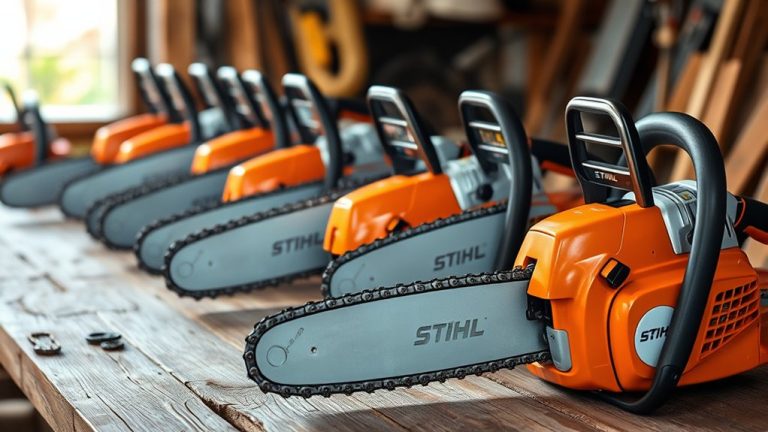
On the other hand, STIHL’s one-way valve system helps reduce leaks.
That said, your maintenance habits play a big role too. Even the most reliable brands can start leaking if they’re neglected.
Can Overfilling the Oil Reservoir Cause Leaks?
You might think topping off your chainsaw’s oil reservoir guarantees smooth operation, but ironically, overfilling often causes leaks.
Proper oil reservoir maintenance means you should never exceed capacity, especially during chainsaw storage.
Excess oil creates pressure that overwhelms seals and vents, leading to messy seepage.
Conclusion
Just like a well-oiled machine keeps a clock ticking smoothly, maintaining your chainsaw’s seals, oil pump, and vent valves prevents leaks and prolongs its life. By regularly inspecting and cleaning these parts, you’ll avoid the frustration of unexpected bar oil spills.
Remember, proper storage is your chainsaw’s silent guardian against leaks. If problems persist despite your efforts, don’t hesitate to seek professional help. Some issues require expert hands to fix right.