Can Pressure Treated Wood Rot: Lifespan And Maintenance Tips
Yes, pressure treated wood can rot, especially if moisture gets into damaged spots or cut ends. This can shorten how long it lasts.
Usually, wood that’s above ground lasts about 15-20 years. Wood that’s in contact with the ground can last up to 40 years if you take good care of it.
You’ll want to keep the wood clean and apply water-repellent sealers every few years. Also, make sure there’s good drainage to stop moisture from building up.
Regular inspections are important because they help you catch early signs of rot. Keep these tips in mind to protect and extend the life of your wood effectively.
Key Takeaways
- Pressure treated wood resists rot but can decay if exposed to prolonged moisture or poor drainage.
- Above-ground treated wood lasts 15-20 years; ground-contact wood can last 20-40 years with proper care.
- Regular sealing every 2-3 years and cleaning prevent moisture buildup and extend wood lifespan.
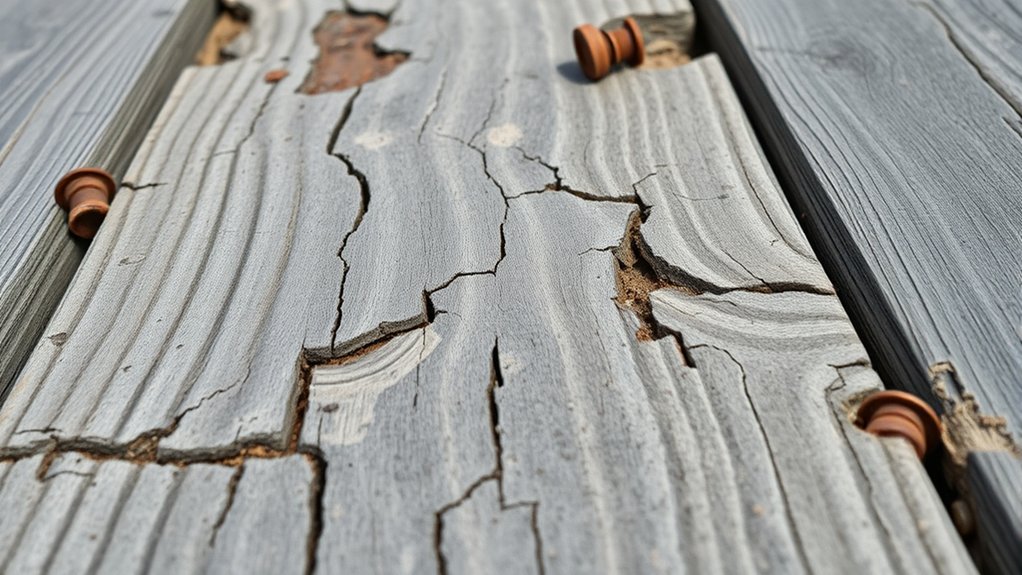
- Early signs of rot include soft spots, discoloration, cracking, and mushy areas near soil contact.
- Use corrosion-resistant fasteners and perform annual inspections to maintain structural integrity and prevent rot.
What Is Pressure Treated Wood And How Does It Resist Rot
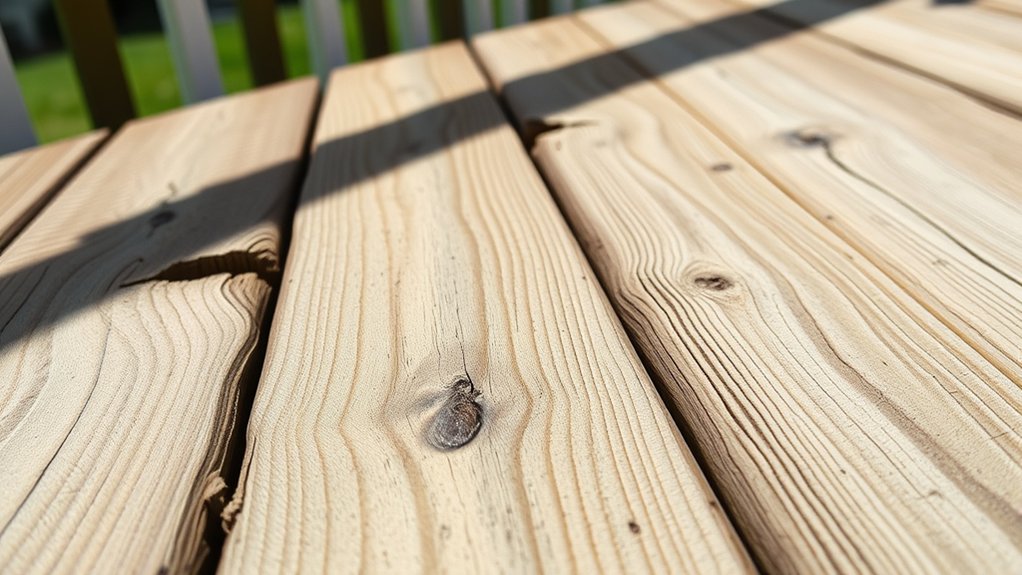
Pressure treated wood is lumber that’s been infused with preservatives under high pressure to resist decay, rot, and insect damage. You’ll find that modern pressure-treated wood uses copper-based preservatives like ACQ and CA, which effectively protect against moisture and fungal decay.
Pressure-treated wood is infused with copper-based preservatives to resist decay, rot, and insect damage effectively.
This treatment process replaces older, less safe methods and greatly extends the wood’s lifespan.
When you use pressure-treated wood, especially in outdoor projects, it helps prevent moisture from penetrating deeply, reducing the chances of rot developing. However, to keep it performing well, you should guarantee proper drainage and avoid letting water sit on the wood.
Regular inspections and maintenance will help you catch any issues early, making your pressure-treated wood last longer and stay strong against rot. Just a little care goes a long way in protecting your wood.
Can Pressure Treated Wood Rot And Why Does It Happen?
Although treated to resist decay, wood can still rot if moisture manages to seep in and linger. Pressure-treated wood slows down decay thanks to preservatives, but it isn’t completely immune. When moisture penetrates the wood, especially in areas where water collects or drainage is poor, rot can set in.
You’ll find that pressure-treated wood in ground contact may last 20-40 years, while above-ground pieces can last even longer, up to 50 years, with the right care.
To protect your wood, regular maintenance is key. This includes sealing, cleaning, and inspecting for early signs of moisture damage.
Why Moisture And Soil Contact Cause Pressure Treated Wood To Rot
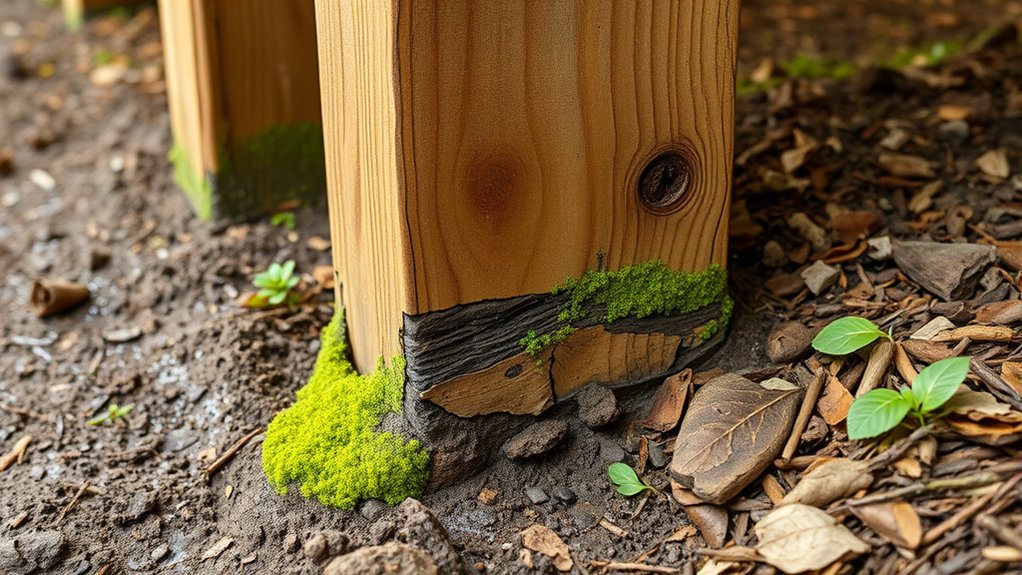
Understanding why moisture and soil contact accelerate wood rot helps you take the right steps to protect your investment.
Even though pressure treated wood resists decay, prolonged exposure to moisture weakens this protection. This is especially true at cut ends or damaged spots where water can seep in.
Soil contact makes things worse by holding moisture against the wood and inviting insects that damage its structure. Together, these conditions create the perfect environment for fungal growth, which leads to rot.
To fight this, regular maintenance is key.
Inspect the wood often and seal any vulnerable areas to keep water out. Proper care helps minimize moisture buildup and reduces the risks that come from soil contact.
This way, your wood lasts longer and stays sturdy over time.
How Long Does Pressure Treated Wood Typically Last
If you want your treated wood to stand the test of time, knowing its typical lifespan is essential. Pressure-treated wood above ground usually lasts 15-20 years, while wood in ground contact lasts about 10-15 years.
However, ground-contact rated wood can last 20-40 years, and above-ground pieces may reach 40-50 years with proper care. The key factors influencing this include moisture and drainage. Poor drainage leads to water pooling, which accelerates decay.
To maximize lifespan, you should perform regular maintenance, such as applying sealants every 2-3 years. Neglecting these steps allows moisture to seep in, shortening the wood’s durability.
How To Spot Early Signs Of Rot In Pressure Treated Wood
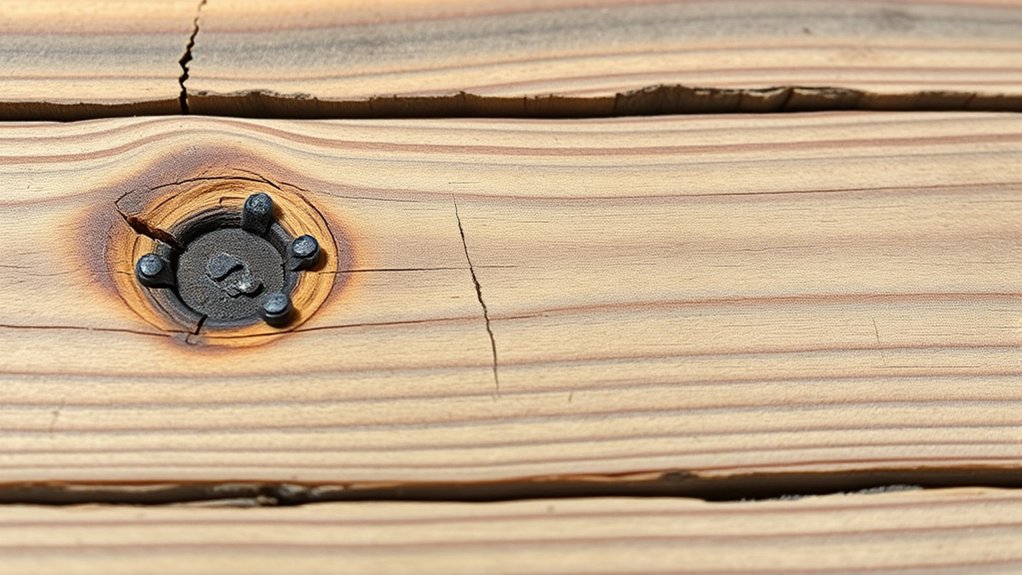
How can you tell if your pressure-treated wood is starting to rot? Early detection is key to preventing costly damage. Here are four signs to watch for during your annual inspections:
Detect early signs of rot in pressure-treated wood to avoid costly repairs during your yearly inspections.
- Soft spots: Press the wood gently. A soft or spongy texture usually signals internal decay.
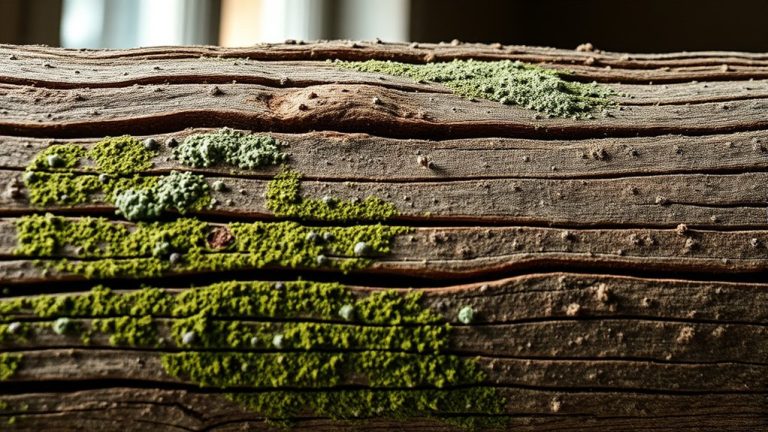
- Discoloration: Look for dark streaks or unusual color changes. These often indicate fungal growth.
- Cracking and splitting: Visible cracks may mean moisture has penetrated the wood, which can lead to rot.
- Mushy areas near soil contact: Check where the wood touches the ground. Mushy textures here often point to prolonged moisture damage.
Cleaning And Maintaining Pressure Treated Wood
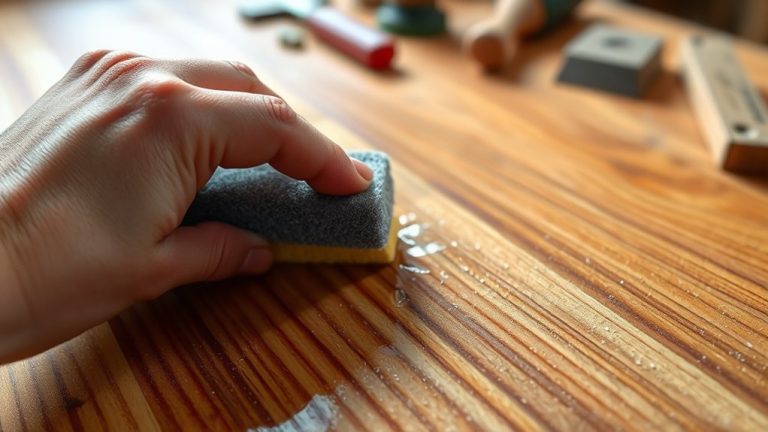
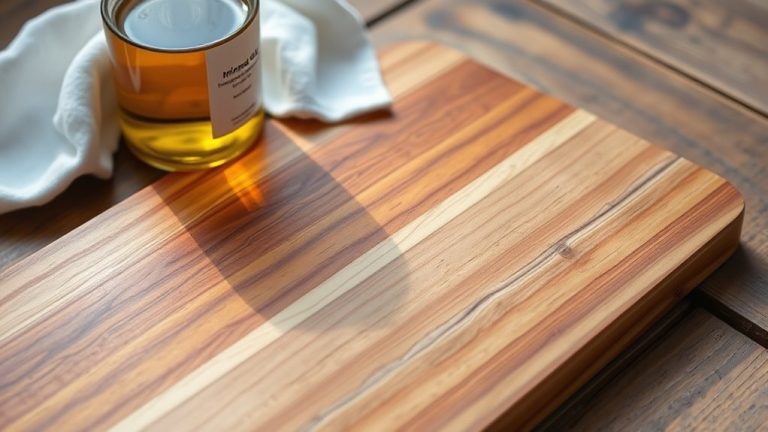
To keep your pressure-treated wood looking great, start by cleaning it regularly with a mild detergent and a soft brush. This helps get rid of dirt and mildew that can build up over time.
You’ll also want to apply a water-repellent sealant or a UV-resistant stain every few years. This step is key because it protects the wood from weather damage like sun and rain.
And don’t forget to check your wood often. Routine inspections and making sure water drains away properly can help you spot any issues early on.
Taking these steps will really help extend the life of your wood.
Effective Cleaning Methods
Since pressure treated wood is prone to mildew and dirt buildup, you should clean it regularly using a mild detergent and a soft-bristle brush or a low-pressure power washer to prevent damage. Effective cleaning methods will extend its lifespan and preserve its appearance.
Here’s how to maintain your wood with proper care:
- Schedule cleaning at least once a year, focusing on damp or shaded areas.
- Use gentle cleaning tools to avoid damaging the wood fibers.
- Allow the wood to dry completely before applying any sealants or stains; a water drop test helps confirm dryness.
- Conduct regular inspections for soft spots, discoloration, or wear to catch issues early.
Following these steps guarantees your pressure treated wood remains strong and visually appealing. Just stick to these tips, and your wood will look great for years to come.
Routine Maintenance Practices
Keeping your pressure treated wood clean is just one part of maintaining its durability and appearance. To guarantee long-lasting performance, follow routine maintenance practices like conducting an annual inspection to spot soft spots, cracks, or discoloration early.
Clean the wood regularly with mild soap and a soft-bristle brush to prevent dirt and mildew buildup.
Every 2-3 years, apply a high-quality water-repellent sealant to shield the wood from moisture and UV damage. Also, maintain proper drainage by clearing gaps between boards and ensuring a slight slope to avoid water pooling, which can lead to rot.
Using corrosion-resistant fasteners during installation further protects structural integrity.
How To Protect Pressure Treated Wood With Sealers And Drainage
Three key steps can help you protect pressure-treated wood: applying sealers, ensuring proper drainage, and using the right fasteners.
Using a high-quality water-repellent sealer every 2-3 years will extend the life of your wood by preventing moisture penetration. Proper drainage is essential; make sure your deck or structure has a slight slope to avoid water pooling.
Apply a quality water-repellent sealer every few years and ensure proper drainage to prevent moisture damage.
Here’s how to protect your wood effectively:
- Apply a water-repellent sealer regularly to reduce moisture absorption.
- Design for proper drainage by maintaining a slight slope and clear gaps between boards.
- Inspect for water damage often and address issues quickly.
- Use stainless steel or coated fasteners to prevent corrosion and maintain structural integrity.
These steps keep your wood dry and durable.
It’s really about staying on top of maintenance and making sure water doesn’t get a chance to cause damage.
With a little care, your pressure-treated wood will last much longer.
Easy Repairs And Tips To Make Your Pressure Treated Wood Last Longer
When you notice signs of wear or damage on your pressure-treated wood, acting quickly can prevent small problems from becoming costly repairs. Regularly inspect for soft spots or discoloration to catch rot early.
Cleaning the wood with a mild detergent and a soft-bristle brush helps remove debris and mildew. That’s important because mildew traps moisture and speeds up deterioration.
Applying a water-repellent sealant every 2-3 years will protect the wood from soaking up moisture. Also, make sure there’s proper drainage by keeping a slight slope and clearing gaps between boards to avoid water pooling.
When it’s time to make repairs, use corrosion-resistant fasteners. These prevent rust that can weaken your structure.
Following these simple maintenance tips helps your pressure-treated wood last longer, keeping it strong and durable for years to come.
Frequently Asked Questions
Can Pressure Treated Wood Be Painted or Stained Safely?
Yes, you can safely paint or stain pressure treated wood, but you need the right painting techniques and staining options.
First, let the wood dry thoroughly. This usually takes several months.
Use finishing products like water-repellent stains or paints made specifically for pressure treated wood to protect it from moisture and UV damage.
You can test the moisture by doing a simple water drop test.
Make sure to reapply sealants every few years. This helps maintain protection and prolongs the wood’s lifespan.
Is Pressure Treated Wood Safe for Vegetable Garden Beds?
Yes, pressure treated wood is safe for vegetable gardening if you take some precautions.
To guarantee wood safety and minimize chemical concerns, line your garden beds with landscape fabric to prevent direct soil contact. Use wood rated for ground contact and let it dry before planting.
Regularly inspect and maintain the wood to prolong its lifespan.
This way, you can enjoy durable beds without worrying about harmful chemicals leaching into your soil. It’s all about taking simple steps to keep your garden healthy and safe.
How Does Pressure Treated Wood Compare to Cedar or Redwood?
Imagine comparing wood types before the invention of electricity! When you do a durability comparison, pressure treated wood lasts longer in ground contact but may warp more.
For cost analysis, it’s cheaper upfront, but cedar or redwood’s lower maintenance requirements often save you money over time.
Cedar and redwood need less sealing and resist decay naturally, while pressure treated wood demands regular upkeep to keep its lifespan and appearance intact.
Can Pressure Treated Wood Be Recycled or Disposed of Safely?
Yes, you can recycle pressure treated wood, but you’ll need to follow local disposal regulations carefully because of its chemical preservatives.
Check with nearby recycling centers to see what methods they accept. They often repurpose the wood for non-consumable products, which helps with sustainability.
Avoid burning pressure treated wood since it can release toxic fumes.
If recycling isn’t an option, reach out to green waste specialists.
Otherwise, dispose of it safely in landfills, making sure it’s properly covered to prevent chemical leaching.
What Are the Environmental Impacts of Using Pressure Treated Wood?
You should know that pressure treated wood has environmental impacts, mainly because of chemical leaching from preservatives. These chemicals can harm soil and water if the wood is disposed of improperly. So, it’s important to be careful with how you handle it.
There are also sustainability concerns since producing pressure treated wood uses energy and creates emissions. Even though it helps reduce how often trees are harvested, the process still has an environmental footprint.
To cut down on these impacts, you might want to consider other options. Naturally rot-resistant wood or recycled composite materials can be good alternatives.
Just remember to always handle and dispose of treated wood responsibly to protect the environment and support sustainable practices.
Conclusion
Think of pressure treated wood as your home’s sturdy shield against rot, but even shields need care. While it resists decay better than regular wood, moisture and soil contact can still cause damage over time.
By spotting early signs of rot, cleaning regularly, and sealing properly, you’ll extend its lifespan considerably. With simple maintenance and timely repairs, you can keep your wood strong and lasting, protecting your investment like a well-tended fortress.