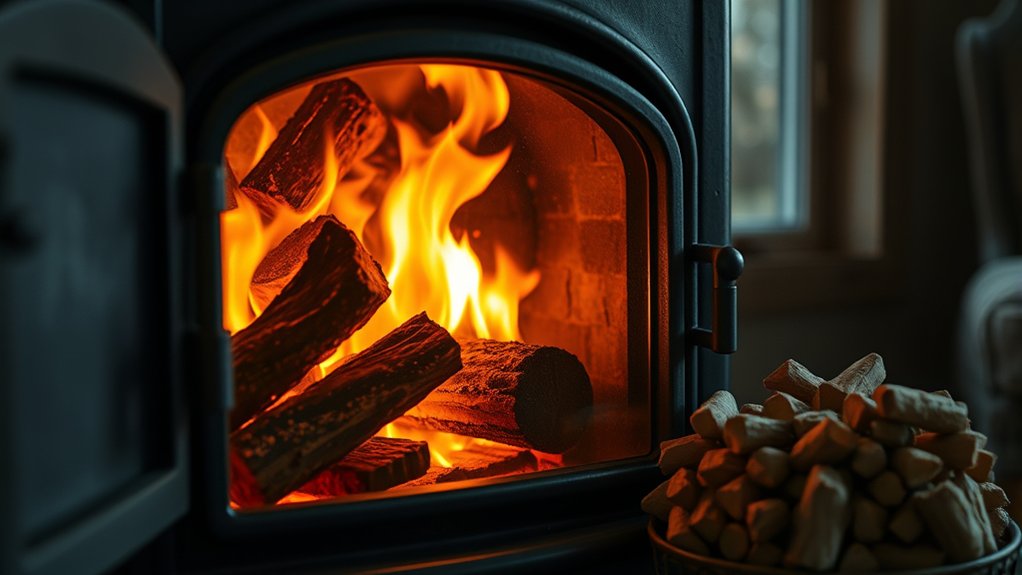
Can You Use Pellets In A Wood Stove: What Works Best
You can use pellets in a wood stove, but to get the best burn, you’ll need a pellet basket or tray to improve airflow and combustion. Wood stoves aren’t designed for pellets, so efficiency drops without these accessories.
Keep airflow high and clean ash regularly to avoid blockages and smoldering. Using high-quality pellets also helps maintain consistent heat.
If you want to optimize pellet burning and understand key differences, there’s more useful info to explore.
Why Wood Stoves Don’t Burn Pellets Well
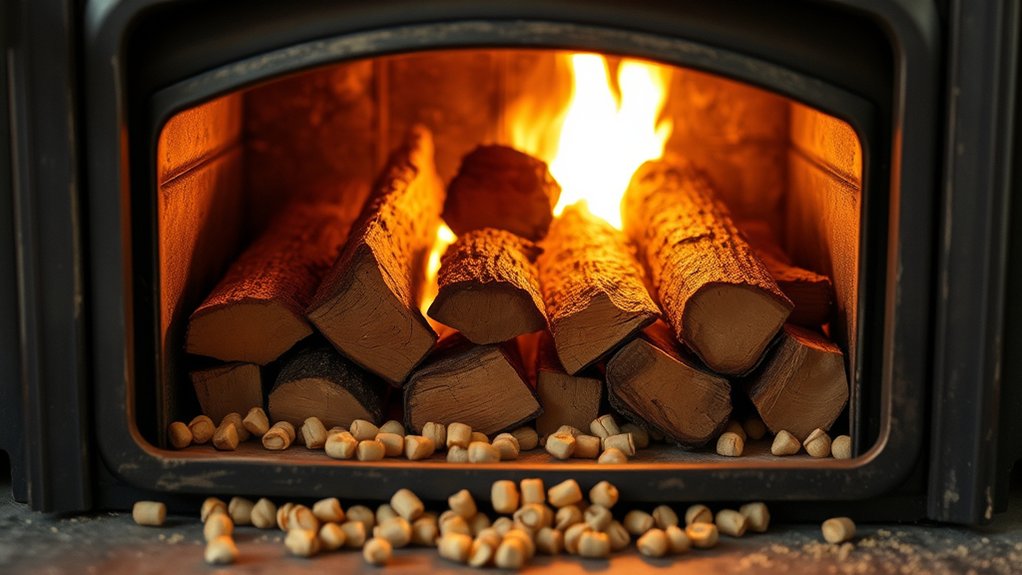
Although wood stoves are excellent for burning larger logs, they don’t handle wood pellets well because their design doesn’t support the specific airflow and combustion needs pellets require.
Wood stoves rely on natural draft and aren’t equipped with combustion blowers, which pellets need to burn efficiently. Without proper airflow, burning pellets in a traditional wood stove leads to incomplete combustion, reduced heat output, and smoldering.
Furthermore, the fine ash from pellets accumulates quickly, obstructing airflow and further decreasing efficiency.
Wood stoves also lack the consistent feed rate and controlled air supply that pellets demand for steady burning.
Because of these factors, you’ll find burning pellets in a wood stove less efficient and potentially harmful to the stove’s components over time.
What to Expect When Burning Pellets in a Wood Stove
When you burn pellets in a wood stove, expect lower efficiency compared to a dedicated pellet stove because wood stoves lack the auger system and combustion blowers that optimize airflow and heat distribution.
Burning pellets in a wood stove often challenges temperature control since air settings meant for logs don’t suit pellet combustion well.
You might notice pellets smoldering if there aren’t enough pellets or if airflow is insufficient. Pellets need a critical mass for proper burning.
Ash management can also be tricky, as wood stoves aren’t designed to handle the fine, minimal ash pellets produce. This could cause blockages or overheating.
Understanding these limitations helps you adjust expectations and operation when burning pellets in a wood stove.
That way, you can use your stove safer and more effectively.
Pellet Trays and Baskets for Wood Stoves
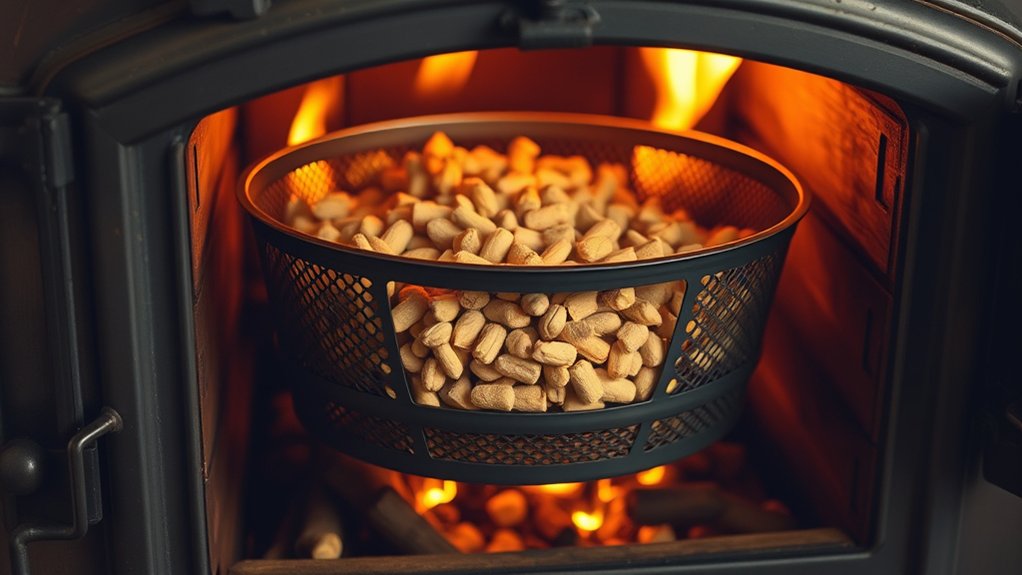
Pellet trays and baskets offer a practical solution for burning pellets in a wood stove, improving combustion efficiency and reducing ash compared to traditional logs. These metal devices fit inside your stove, making pellet loading and ignition straightforward without complex electronics.
To get the most out of your pellets, set your stove’s airflow to its highest setting. This helps ensure the pellets burn thoroughly and efficiently.
Ash management is important too since pellets produce a good amount of ash that needs regular cleaning to keep everything running smoothly.
Many people find pellet trays effective, but results can vary. You might need to try different pellet brands to find the one that gives you the best heat output.
Using pellet trays can really add versatility to your wood stove, but paying attention to maintenance and airflow control is key for the best experience.
Pellet Stove vs. Wood Stove Efficiency Comparison
You’ll notice pellet stoves usually deliver higher efficiency, often reaching between 80 and 90%.
On the other hand, wood stoves tend to fall in the 60 to 80% range.
Because of this, pellet stoves provide more consistent and controllable heat output. That’s largely thanks to their automated feeding and combustion systems.
Knowing these differences can really help you pick the best option for your heating needs.
Efficiency Differences Explained
Although both pellet stoves and traditional wood stoves provide effective heating, their efficiency levels differ markedly due to design and technology.
When you compare efficiency between pellet stoves and wood stoves, consider these key points:
Pellet stoves often exceed 80% efficiency thanks to automated feeding and optimized combustion, while wood stoves typically range from 65% to 75%.
Pellet stoves use blowers for consistent airflow, enhancing burn quality. On the other hand, wood stoves rely on natural draft, which can cause variable performance.
Pellet stoves produce less particulate matter and emissions, making them cleaner.
Wood stoves may generate more smoke, especially with less seasoned wood.
Understanding these efficiency differences helps you decide which stove suits your heating needs best.
Heat Output Comparison
When comparing heat output, one key factor to assess is how consistently each stove delivers warmth. Pellet stoves provide a steady, regulated heat output thanks to their mechanical feeding system and combustion technology. This leads to efficiency rates often above 80%.
Wood stoves, while capable of producing higher total BTUs per cord, have fluctuating heat output influenced by log size and type. Their efficiency ranges from 60% to 80%. Wood pellets burn cleaner, producing less ash and emissions, which also enhances overall efficiency.
| Feature | Pellet Stove | Wood Stove |
|---|---|---|
| Efficiency | >80% | 60%-80% |
| Heat Output | Consistent, controlled | Variable, manual loading |
| Fuel BTUs | ~14 million per ton pellets | ~25 million per cord wood |
Choosing the Best Pellets for Wood Stoves
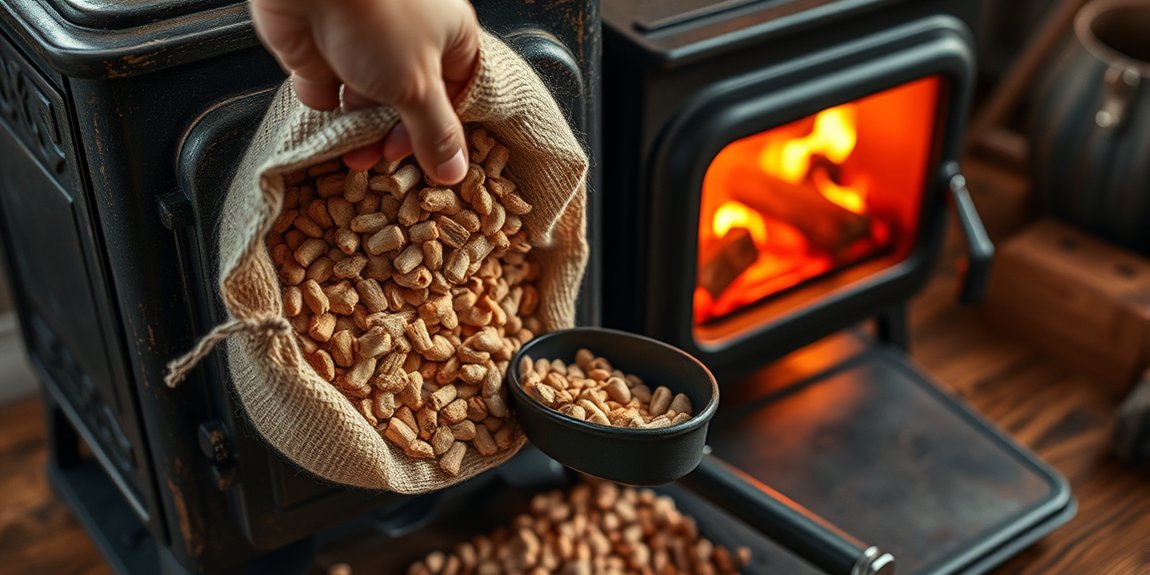
How do you guarantee your wood stove runs efficiently and produces maximum heat? The key lies in choosing the right pellet fuel. You want high-quality hardwood pellets with low moisture content to ensure cleaner burning and better heat output.
Here’s what to take into account:
- Opt for pellets certified by the Pellet Fuels Institute (PFI) to guarantee they meet strict quality and sustainability standards.
- Select pellets with moisture content below 8% to reduce ash buildup and improve combustion efficiency.
- Prioritize pellets with a high BTU rating (8,000 to 9,000 BTUs per pound) for more effective heating and longer burn times.
Choosing premium pellets not only boosts performance but also supports cleaner, more economical heating in your wood stove. It’s a simple step that makes a big difference.
How to Manage Ash and Airflow When Burning Pellets
Managing ash and airflow effectively is essential to keep your pellet-burning wood stove running efficiently. Start with proper ash management by regularly removing ash from the burn area. Pellets produce more ash than logs, and that ash can quickly smother the fire if you’re not careful.
Use a pellet-specific grate or basket to help control airflow and minimize ash buildup. This will improve combustion and keep your stove working better.
A pellet-specific grate or basket controls airflow and reduces ash, boosting combustion and stove performance.
Adjust the air intake carefully to maintain ideal temperature regulation. Pellets burn best at higher temperatures, so not enough airflow can cause smoldering and excess ash.
Keep an eye on your stove regularly to balance airflow and temperature. This way, you’ll ensure consistent burning and make cleanup easier.
Alternative Pellet Fuels for Wood Stoves
You might want to try alternative pellet fuels like Bio Bricks. They often burn longer and cleaner than traditional wood pellets, which is pretty handy.
Plus, using a pellet basket can help improve efficiency when you’re experimenting with different fuels in your wood stove.
Just be sure to check compatibility and follow your stove’s guidelines to get the best performance. That way, you’re keeping things safe and making the most out of your fuel.
Bio Bricks Versus Pellets
Although wood pellets are a popular fuel choice for wood stoves because they’re highly efficient and produce very little ash, bio bricks offer a great alternative. They’re made from compressed agricultural residues and wood fibers, which is pretty cool.
When you’re deciding between bio bricks and pellets, keep a few things in mind.
First, burning efficiency: pellets give you consistent high heat and low ash, while bio bricks burn cleanly but their heat output can vary depending on moisture and density.
Next, cost comparison: bio bricks usually cost less, especially if you live somewhere with lots of agricultural waste. So, they can be easier on your budget.
And then there’s storage and handling: bio bricks are denser and stack more compactly, which means you can save some storage space.
Plus, bio bricks boost sustainability since they use waste materials. That makes them a practical and eco-friendly choice alongside the traditional pellets.
Pellet Basket Efficiency
When using a pellet basket in a traditional wood stove, achieving efficient combustion depends heavily on proper airflow and stove design.
Pellet basket efficiency often varies because many wood stoves aren’t optimized for the consistent air control pellets require. Without adequate airflow, pellets tend to smolder, leading to poor combustion efficiency and reduced heat output.
Some pellet baskets include integrated grates to enhance air circulation, but even these can’t fully match the performance of dedicated pellet stoves.
To maximize pellet basket efficiency, you’ll need to carefully adjust your stove’s air control settings. This ensures enough oxygen reaches the pellets for a clean burn.
Keep in mind that pellet baskets can be a practical solution, but their success really relies on fine-tuning air control and understanding your stove’s airflow characteristics.
It might take a little patience, but once you get it right, you’ll enjoy better heat and less hassle.
Alternative Fuel Experimentation
Since wood stoves aren’t always optimized for traditional wood pellets, trying alternative pellet fuels like Bio Bricks and Envi Blocks can be a smart way to extend burn times and reduce costs.
These alternative fuels are made from compressed biomass, so they burn efficiently and produce less ash. That means your wood stove runs better overall.
When experimenting with alternative fuels, keep these tips in mind:
- Verify your wood stove’s compatibility with non-wood pellet fuels to avoid damage or poor performance.
- Test different fuel blends to find the right balance of heat output and burn time for your stove.
- Consult community forums for shared experiences and safety advice when using alternative fuels.
It’s always helpful to hear from others who’ve tried them.
User Tips for Burning Pellets in Wood Stoves
If you want to get the most out of burning pellets in your wood stove, using a pellet basket can be a game-changer by improving airflow and combustion efficiency. Remember, quality matters. Choose high-quality hardwood pellets to reduce ash and get consistent heat.
You’ll need good temperature control, often by maximizing your stove’s airflow, to maintain a clean, efficient burn. Try experimenting with pellet amounts and airflow settings to find what works best for your stove. Managing ash regularly also keeps pellet burning efficient.
| Challenge | Solution |
|---|---|
| Inconsistent heat | Adjust airflow, use quality pellets |
| Excess ash | Regularly clean pellet basket |
| Poor combustion | Use pellet basket, enhance temperature control |
Frequently Asked Questions
Can Using Pellets in a Wood Stove Void My Warranty?
Yes, using pellets in a wood stove can void your warranty.
Manufacturers set warranty limitations based on approved fuel types, and pellets often aren’t included. If you ignore manufacturer guidelines and use pellets, you risk damaging your stove and losing warranty coverage.
Always follow usage recommendations and check your stove’s manual carefully.
It’s a good idea to consult the manufacturer or a certified technician before switching fuels. This helps protect your warranty and guarantees safe operation.
Are There Safety Risks With Burning Pellets in a Wood Stove?
You might think pellets burn safely in any stove, but there are safety risks. Pellet combustion efficiency drops without proper airflow, causing smoke buildup and harmful emissions.
Wood stoves lack stove temperature regulation designed for pellets, which can lead to overheating or smoldering.
Plus, improper ash disposal methods risk clogging vents and chimney fires.
If you use pellets, you must monitor stove conditions carefully and manage ash frequently to stay safe.
It’s all about keeping an eye on things and making sure everything is running smoothly.
How Do Pellet Prices Compare to Traditional Firewood Costs?
Pellet prices usually range from $200 to $300 per ton, which is pretty similar to firewood costs that run from $180 to $300 per cord.
Because pellets have higher heating efficiency, you actually get more heat for every dollar you spend.
Plus, pellet availability tends to be more consistent throughout the year, which helps keep those annoying price spikes at bay.
Using pellets also lowers your environmental impact since they burn cleaner and more efficiently than traditional firewood.
So, all in all, pellets offer a practical and cost-effective heating option.
It’s definitely worth considering if you want reliable heat without breaking the bank.
Can I Convert My Wood Stove to a Pellet Stove?
You can convert your wood stove to a pellet stove, but first, you need to carefully assess if your wood stove is compatible.
Pellet stove conversion involves adding parts like an auger and a combustion blower, and not all wood stoves can support these.
It’s a good idea to do a fuel efficiency analysis to figure out if converting is really worth it compared to just buying a dedicated pellet stove.
Also, keep in mind that you’ll need electricity for the pellet stove to run.
You might also have to make some changes to your chimney.
Because of all this, professional installation is usually necessary to keep things safe and make sure everything meets code.
Do Pellets Produce More Creosote Than Regular Firewood?
No, pellets don’t produce more creosote buildup than regular firewood.
Thanks to their higher burning efficiency and low moisture content, pellets burn hotter and cleaner, which helps reduce creosote formation. When you compare fuels, pellets consistently outperform firewood by minimizing unburned particles that cause buildup.
That said, you should still maintain your stove and chimney regularly.
But generally, pellets require less frequent cleaning than traditional firewood to keep creosote under control. It’s just one of the reasons many people prefer using pellets for their heating needs.
Conclusion
You might worry pellets won’t burn well in your wood stove, but with the right pellet trays or baskets, you can make it work efficiently. While wood stoves aren’t designed for pellets, managing airflow and choosing quality pellets helps you get good heat and less ash.
It’s a practical way to use pellets without switching stoves. This gives you flexibility and can save you money on fuel in the long run. So, with a little adjustment, your wood stove can handle pellets just fine.