Can You Put Wood In Recycle Bin: What To Know
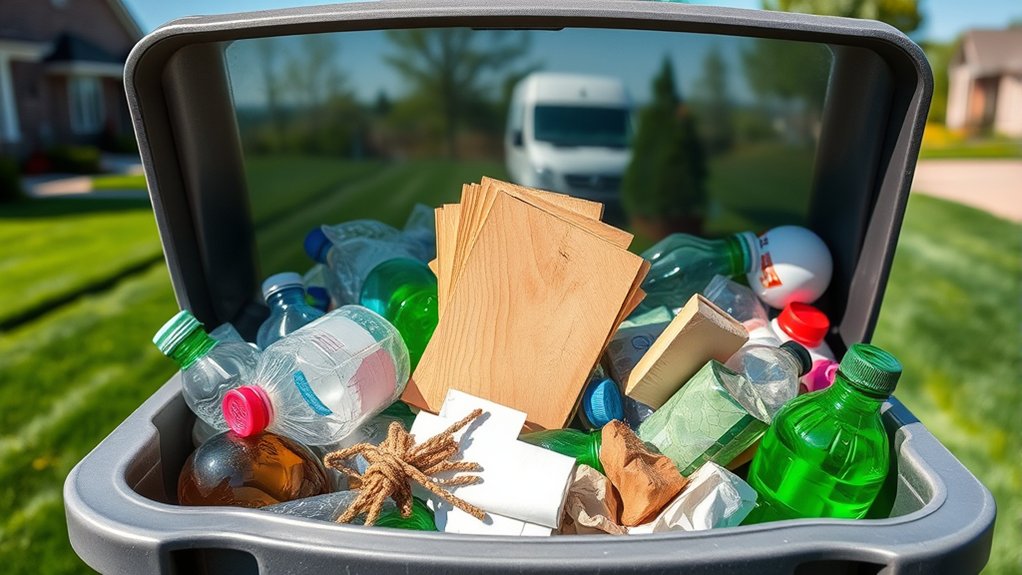
You generally can’t put wood in curbside recycling bins because it often contaminates the entire load, causing it to end up in landfills. Only clean, untreated wood, like shipping pallets, is accepted at specific recycling centers. Treated, painted, or rotted wood must be disposed of as waste to avoid chemical contamination and machinery jams.
Proper sorting protects recycling efficiency and the environment. It’s worth exploring proper disposal and creative reuse options. That way, you can handle wood responsibly and sustainably.
Can You Recycle Wood in Curbside Bins?
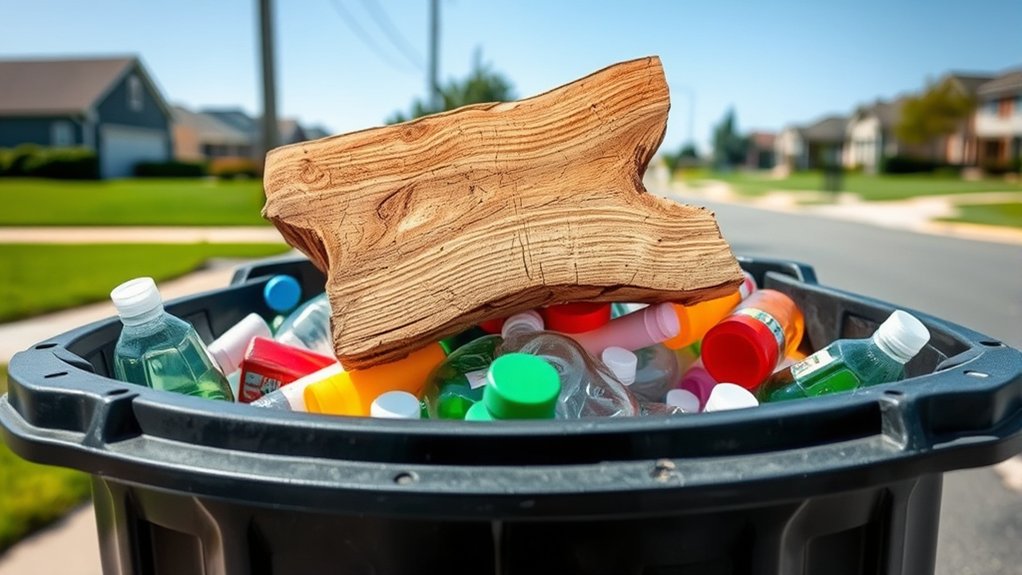
If you place wood in curbside recycling, it risks contaminating the entire bin. That might mean the whole load ends up in the landfill.
Only certain kinds of wood, like untreated and clean wood, are accepted at specialized recycling centers. These places have the right equipment to handle wood separately.
So, you won’t find wood recycling through regular curbside pickup.
To recycle wood responsibly, you’ll need to take it to designated drop-off locations such as a Drop-Off Station or Recovery Yard.
Keep in mind, there are often disposal fees involved. This way, wood gets processed properly without messing up curbside recycling efforts.
Why Wood Is Not Accepted in Most Recycling Programs
You can’t put wood in most curbside recycling bins because it often contaminates materials like paper and plastics. When that happens, it risks the entire batch being landfilled instead of recycled.
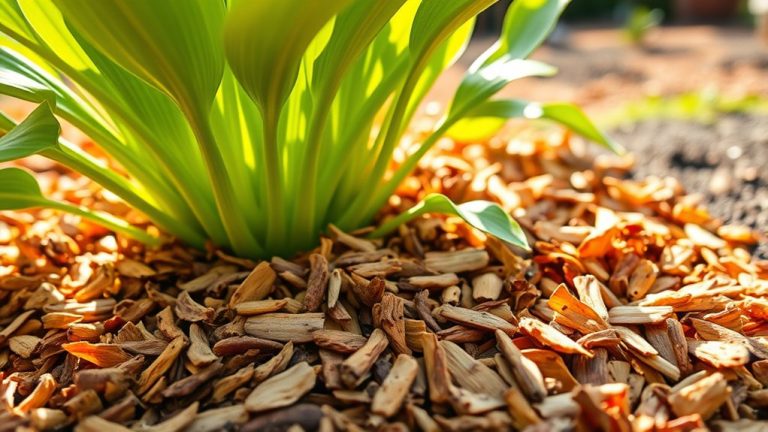
Recycling facilities aren’t really set up to handle wood either. Turning wood into products like mulch or woodchips needs specialized equipment and processes that most centers don’t have.
Contamination Risks
Although wood might seem like a recyclable material, it often causes contamination that leads to entire recycling bins being rejected and sent to landfills. Wood contamination disrupts the recycling process and poses several risks you should understand.
First, wood interferes with machinery designed for clean recyclables like plastics and paper. This can cause damage and increase maintenance costs.
Also, treated, painted, or stained wood can introduce harmful chemicals, which threaten both human health and the environment.
Plus, the presence of wood in mixed recycling streams reduces overall facility efficiency by complicating sorting and processing. Contaminated bins are frequently sent to landfills, which negates recycling efforts and increases waste.
Because of these factors, most curbside programs exclude wood to maintain the integrity of recyclable materials. It’s a bit of a hassle, but it really helps keep the recycling system working smoothly.
Facility Processing Limits
The challenges wood presents in recycling aren’t just about contamination risks. They also relate to how recycling facilities handle materials.
Most curbside recycling programs don’t accept wood because it disrupts the sorting process at recycling facilities.
Materials Recovery Facilities (MRFs) are designed to process paper, plastics, and metals, not wood. When wood enters the recycling stream, it can jam sorting machinery and increase operational costs.
Plus, wood needs specialized facilities to be recycled properly into products like woodchips or mulch, which typical curbside programs don’t provide.
If wood ends up in your recycling bin, it often causes entire loads to be sent to landfills.
Which Wood Is Safe to Reuse or Recycle
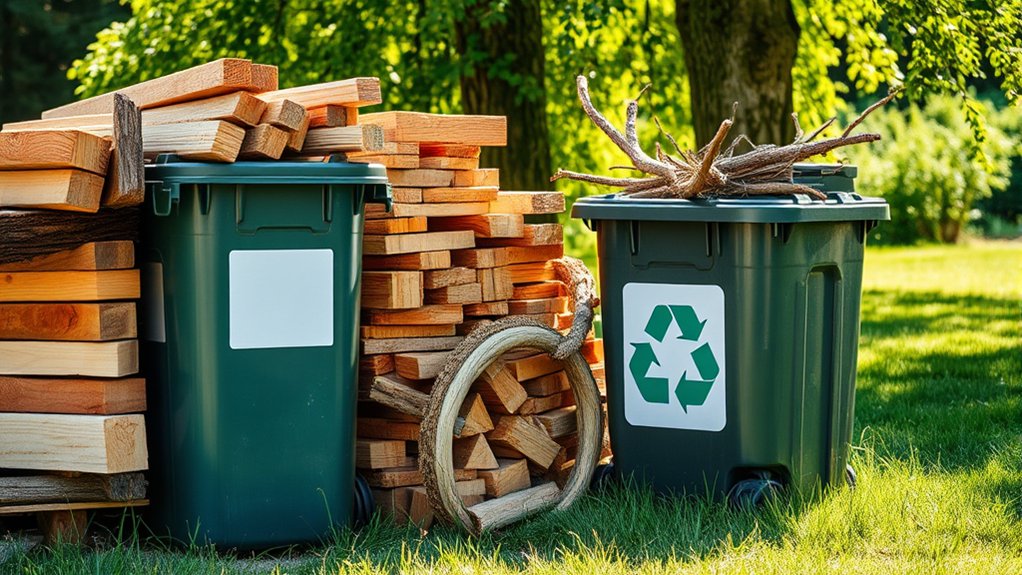
How can you determine which types of wood are safe to reuse or recycle? It’s essential to identify wood that won’t contaminate the recycling stream. Here’s what you should look for:
- Clean, untreated wood like most shipping pallets and scrap lumber is safe for reuse and recycling.
- Avoid painted, stained, or pressure-treated wood because chemicals can disrupt processing.
- Rotted or pest-infested wood isn’t suitable; you should dispose of it through municipal waste channels.
- Untreated pallets can be repurposed creatively, which helps reduce waste and supports sustainability.
Recycling facilities usually accept clean wood to process into mulch or woodchips. This is a great way to keep material out of landfills.
Wood You Should Never Reuse or Recycle
These kinds of wood have contaminants that can harm the environment and mess up the recycling process.
Also, watch out for rotted or insect-infested wood.
That stuff can cause even more damage if it’s not handled properly, so it’s best to dispose of it the right way.
A good tip is to always use heavy-duty contractor bags when getting rid of contaminated wood.
This helps make sure it’s done safely and responsibly.
Untreated Wood Hazards
Although it may seem tempting to reuse or recycle all types of wood, certain untreated wood hazards require careful attention to prevent health risks and contamination.
When managing wood disposal, you should avoid these:
- Pressure-treated lumber contains harmful chemicals, making it unsuitable for recycling centers and reuse.
- Painted, varnished, or stained wood is often laced with toxic substances that contaminate recycling streams.
- Wood infested with insects or fungal rot poses health risks and can spread pests.
- Dirty or unsuitable wood requires proper disposal using heavy-duty contractor bags to guarantee safe handling.
Ignoring these can compromise recycling efforts and lead to entire loads being landfilled.
Contaminated Wood Disposal
Identifying untreated wood hazards is the first step in preventing contamination during recycling, but managing contaminated wood properly is just as important. This helps protect both the environment and recycling operations. You should never reuse or recycle wood that has been treated with chemicals, painted, stained, or rotted by fungus or insects.
Improper handling of contaminated wood can lead to entire recycling batches being landfilled. So, it’s important to be careful. For safe contaminated wood disposal, use heavy-duty contractor bags to contain it.
| Wood Type | Disposal Recommendation |
|---|---|
| Pressure-treated lumber | Do not recycle; dispose as waste |
| Painted or varnished wood | Avoid recycling; dispose safely |
| Rotted or insect-damaged | Dispose as municipal waste |
| Contaminated wood | Use heavy-duty bags for disposal |
Proper contaminated wood disposal helps prevent environmental harm and keeps recycling efficient. It’s a simple step that makes a big difference.
Disposing of Treated, Painted, and Dirty Wood
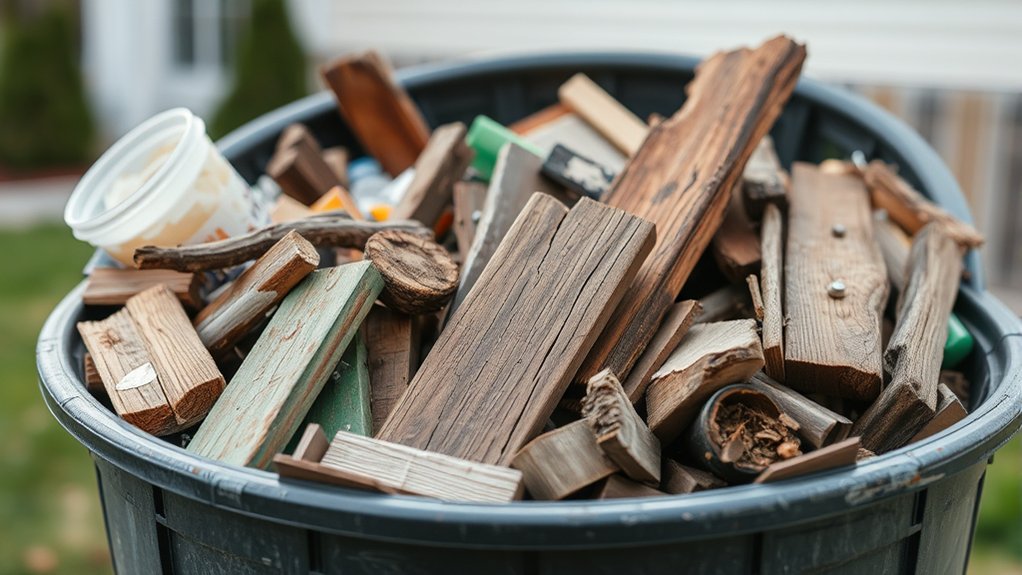
Three common types of wood: treated, painted, and dirty, pose significant challenges for recycling because of contamination risks.
Treated, painted, and dirty wood all present recycling challenges due to contamination risks.
Treated wood contains harmful chemicals that make it unsafe for recycling centers. Painted or stained wood carries coatings that contaminate recycling streams. Dirty wood, like rotting or insect-infested pieces, also can’t be recycled.
When you’re disposing of these woods, here are some things to keep in mind:
- Avoid placing treated wood in the recycle bin because of chemical hazards.
- Don’t recycle painted or varnished wood to prevent contamination.
- Dispose of dirty wood at municipal waste sites, not recycling centers.
- Use heavy-duty contractor bags to contain dirty wood before disposal.
Following these steps helps you prevent contaminating recyclables and protects the environment.
It’s a simple way to do your part!
Where to Recycle or Dispose of Wood Properly
Where can you take your wood for proper recycling or disposal? You can’t put wood in curbside recycling bins because it contaminates the recycling stream. Instead, untreated wooden pallets and clean wood should be taken to specialized facilities participating in local recycling programs.
For instance, the Drop-Off Station at 2950 E. Ellsworth Road and the Recovery Yard at 7891 Jackson Road accept these materials. Just keep in mind that disposal fees apply per cubic yard.
Painted, varnished, or chemically treated wood must be disposed of at municipal waste sites since it’s not recyclable.
Using these designated locations guarantees responsible management of wood waste. This helps keep recycling streams clean and supports sustainability.
Always check with your local recycling programs for specific guidelines and accepted wood types to avoid contamination and improper disposal.
Creative DIY Ideas to Repurpose Old Wood
Although old wood might seem worn out, you can transform it into functional and decorative items with basic tools and techniques.
Before repurposing, verify the wood is untreated and clean. Painted or chemically treated wood poses safety risks and shouldn’t go into your recycling bin.
Here are four creative DIY ideas:
- Build rustic tables or shelving units from solid wood pieces for practical indoor use.
- Convert pallets into garden planters or outdoor furniture, extending their lifespan.
- Craft unique picture frames or signs, adding personalized decor to your space.
- Explore online platforms for innovative projects, promoting sustainable reuse.
Give these ideas a try—you’ll be surprised how much character old wood can add to your home!
How Wood Recycling Helps the Environment
By choosing to recycle wood instead of discarding it, you actively reduce the volume of waste sent to landfills. Over 22,000 tons were sent to landfills in 2024 alone.
Wood recycling helps divert significant waste, which promotes better landfill management. It also conserves natural resources by transforming old wood into products like mulch and woodchips.
Recycling wood reduces landfill waste and preserves resources by turning old wood into useful products like mulch and woodchips.
When you recycle clean, untreated wood, you support a circular economy that minimizes environmental impact. Plus, it encourages sustainable community practices.
Upcycling wood prevents landfill buildup and fosters innovative reuse. This aligns with zero-waste goals that reduce ecological footprints.
On top of that, wood recycling supports local economies by creating jobs in recycling and waste management sectors.
Your participation in wood recycling directly contributes to environmental preservation and community sustainability. It does this through effective resource use and waste reduction.
Frequently Asked Questions
Can Wood Ash Be Recycled or Composted?
Yes, you can compost wood ash, but only if it’s from untreated wood. Wood ash adds valuable potassium and minerals, which help boost plant growth.
You should mix small amounts into your compost bin to avoid raising soil pH too much. If the soil becomes too alkaline, it can cause problems for your plants.
Wood ash also works as a natural pest repellent, which is a nice bonus. Just remember to always check your local guidelines before composting wood ash.
This way, you make sure you’re following the rules and keeping your soil healthy. It’s a simple step that goes a long way!
How Do Insects Affect Wood Recycling?
When it comes to insect impact, insects like termites can really throw a wrench in the works. Their boring weakens wood, making it structurally unsound and unsuitable for recycling.
You’ll find that insect-infested wood often carries mold risks and contaminates other materials, so recycling centers usually won’t accept it.
To keep your recycling efforts on the level, you need to identify and treat any insect damage before considering recycling options.
Is Wood Mulch Considered Recyclable Material?
Yes, wood mulch is considered a recyclable material if it comes from clean, untreated wood.
You should avoid mulch made from wood with treatment chemicals like paint or preservatives. These substances can release harmful chemicals into the environment.
When you use untreated wood mulch, you’re recycling organic material that improves soil health and supports sustainable landscaping.
It’s a great way to give new life to natural resources. Just make sure to check where the mulch comes from to confirm it’s free of harmful treatments.
Keeping your mulch clean and chemical-free helps you stay eco-friendly while recycling.
It’s all about making smart choices that benefit your garden and the planet.
Can Plywood Be Recycled With Other Wood Types?
Sure, you can totally recycle plywood with other wood types if you enjoy ruining the whole batch.
In reality, plywood’s adhesives and chemicals make it incompatible with clean wood recycling streams.
Instead, you should seek specialized facilities or consider plywood alternatives like solid wood or MDF for easier recycling.
Checking local guidelines helps you avoid contamination.
When in doubt, repurpose plywood creatively to extend its life and reduce waste effectively.
Does Recycling Wood Save More Energy Than Producing New Wood?
Yes, recycling wood saves more energy than producing new wood. When you compare energy use, recycled wood requires about 1.5 times less energy than virgin wood production.
This energy comparison shows you conserve resources by recycling, reducing the need for logging, transportation, and processing.
Plus, each ton of recycled wood saves roughly 1.5 barrels of oil. So, recycling is definitely a more energy-efficient and environmentally responsible choice.
Conclusion
You might think tossing wood in your recycle bin is harmless, but it’s like trying to fit a square peg in a round hole. Most programs just can’t process it.
Remember, over 50% of wood waste ends up in landfills because it’s not disposed of properly. Instead, think about repurposing your wood or taking treated wood to special facilities.
By managing wood waste the right way, you’re not just recycling. You’re turning potential waste into valuable resources that benefit both you and the environment.