Can I Use Vinegar On Wood Floors: What To Know
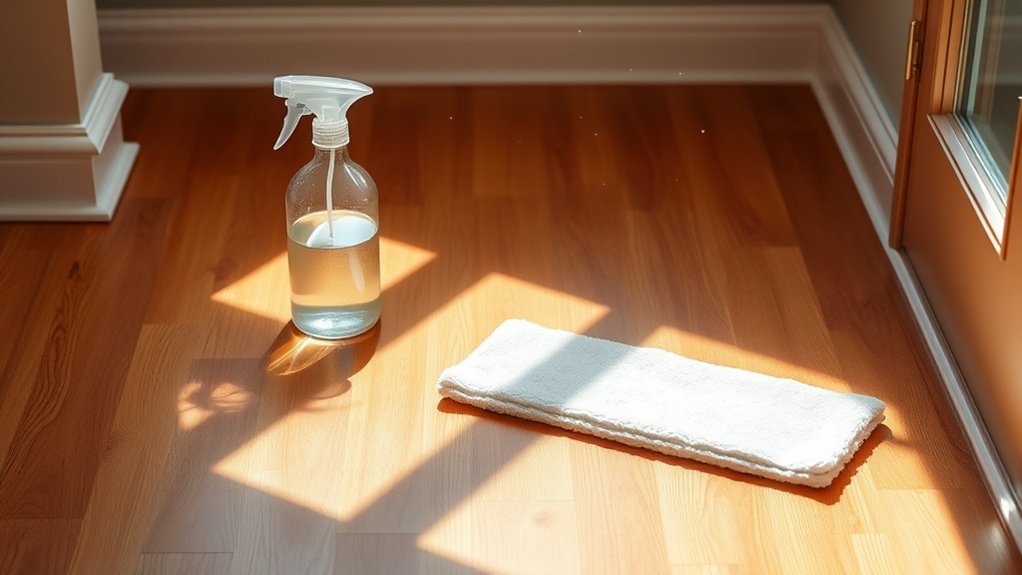
You can use vinegar on wood floors, but only with care and the right dilution. Typically, that means three teaspoons of white vinegar per 16 ounces of warm water. Always test it first in a hidden spot to make sure it won’t damage your floor.
Vinegar’s acidity can dull or damage certain finishes, especially unsealed or waxed wood. It might even void warranties, so it’s important to know what kind of floor you have. Use a well-wrung microfiber mop to avoid excess moisture, which can also harm the wood.
Knowing when vinegar is safe and when to avoid it will help keep your floors protected and looking beautiful for years. Just take it slow and be cautious, and your wood floors will thank you!
How Vinegar Affects Hardwood Floor Finishes
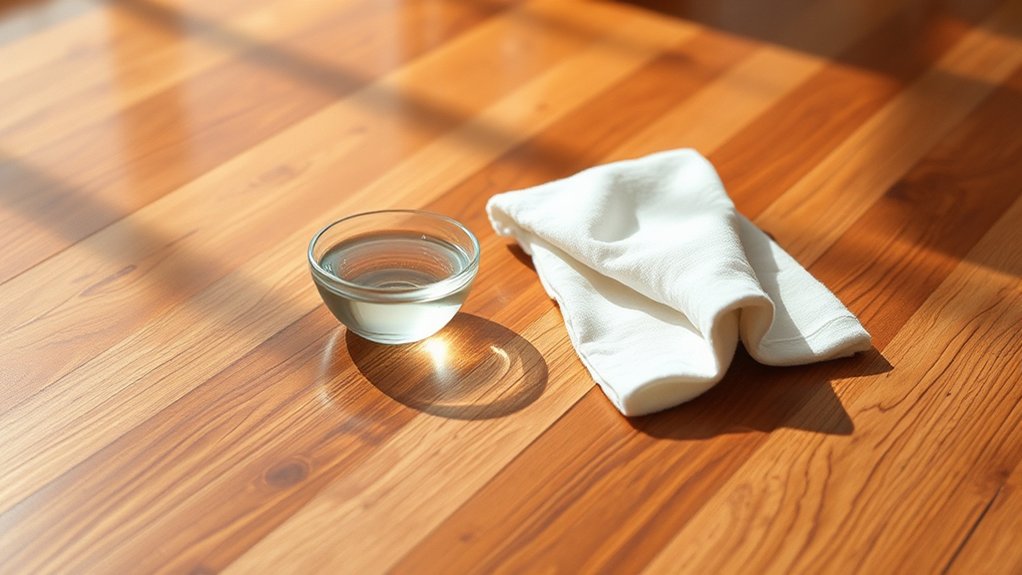
Although vinegar is a popular natural cleaner, you should avoid using it on hardwood floors because its acetic acid, with a pH between 2.4 and 3.4, can break down the protective finish over time.
This protective finish acts like a clear coat, shielding your floors from wear and damage.
When you clean with vinegar repeatedly, the acid gradually etches this layer, causing dullness and a hazy film.
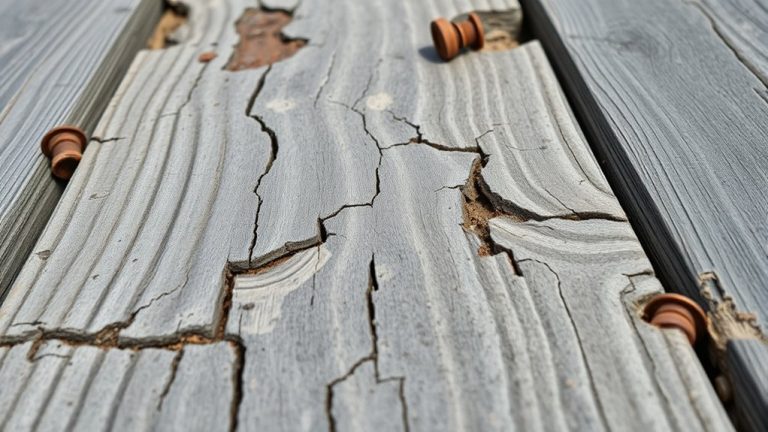
If your hardwood floors already have scratches or worn spots, vinegar can penetrate deeper, accelerating deterioration.
Many manufacturers warn against vinegar for cleaning since it can void warranties and lead to costly repairs.
To preserve your floor’s finish and avoid damage, choose cleaning methods specifically designed for hardwood floors instead of vinegar-based solutions.
Is Vinegar Safe for Every Type of Wood Floor?
Since wood floors come in various finishes and conditions, vinegar isn’t safe for every type of wood floor. You need to be cautious because vinegar can cause damage if misused.
Consider these points before applying vinegar on hardwood floors:
Avoid vinegar on unsealed, oiled, or wax-finished wood as it can ruin the protective finish and expose the wood to moisture.
For hardwood floors with a polyurethane finish, vinegar is safer but only if the protective finish is intact.
Different wood textures react differently. Smoother surfaces are more vulnerable to damage.
Always perform a spot test in an inconspicuous area to verify vinegar won’t harm your floor.
Following these guidelines helps protect your wood floors while cleaning effectively. It’s always better to be safe than sorry!
What Dilution Ratio Is Safe for Vinegar Cleaning Solutions?
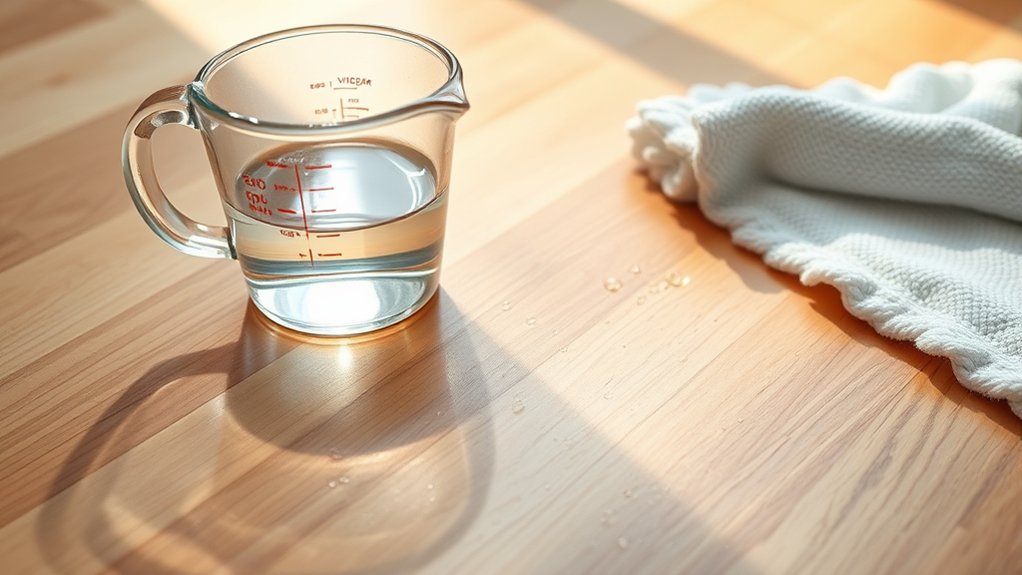
Two common vinegar-to-water ratios keep your wood floors clean without risking damage. One cup of white vinegar mixed with six cups of water works great for general cleaning.
Use one cup of white vinegar with six cups of water for safe, effective wood floor cleaning.
For quick touch-ups, try a lighter solution of three teaspoons of vinegar per 16 ounces of warm water. This dilution ratio keeps the pH balanced, so it won’t harm your floor’s protective finish.
When cleaning wood, always use white vinegar. Brown vinegar can stain and leave residue, which you definitely want to avoid.
Before you start, test the solution on a hidden spot to make sure it doesn’t dull the finish. Use a well-wrung microfiber cloth to avoid excess moisture because too much water can damage wood.
Stick to these safe dilution ratios and methods to keep your floors clean while preserving their look and longevity.
How to Clean Wood Floors With Vinegar Safely
When cleaning wood floors with vinegar, you’ll want to use a carefully diluted solution. Mix 3 teaspoons of white vinegar with 16 ounces of warm water. This helps protect the finish while effectively removing dirt.
Before applying the vinegar solution broadly, always perform a spot test in an inconspicuous area. This way, you can make sure no damage occurs.
For efficient cleaning of hardwood surfaces, use a microfiber mop. It traps dirt and grime without soaking the floor.
Follow these steps for safe use: wring out your microfiber mop thoroughly to avoid excess moisture. Clean in small sections, moving along the wood grain. Immediately dry each section with a clean microfiber cloth. Avoid letting water sit on the wood to preserve the finish.
This method helps you clean hardwood floors safely and effectively with vinegar.
When and Why to Avoid Vinegar on Wood Floors
Although vinegar is a popular natural cleaner, you should avoid using it on wood floors in certain situations because its acidity can damage the finish. Vinegar’s low pH can weaken the protective finish on hardwood floors, causing dullness and long-term damage. Many cleaning companies warn against vinegar, as regular use may void manufacturer warranties due to this risk.
Vinegar’s acidity can dull and damage hardwood finishes, potentially voiding manufacturer warranties with regular use.
Never apply vinegar on unsealed, oiled, or wax-finished floors, since it can strip away essential protective coatings and expose the wood beneath.
Repeated vinegar use can also create a hazy appearance, signaling finish degradation rather than effective cleaning.
Before trying vinegar, always spot test in an inconspicuous area to make certain it won’t harm your specific wood floor finish. It’s better to be safe than sorry when it comes to protecting your floors!
Better (And Safer) Ways to Clean Hardwood Floors Without Vinegar
Since vinegar can damage wood floor finishes, you’ll want to choose safer cleaning methods that protect your investment.
Using a proper hardwood floor cleaner designed for natural cleaning helps avoid products that cause damage.
For daily maintenance, daily sweeping or dry mopping removes dirt and allergens without moisture that can harm your floor.
Here are four effective alternatives:
- Use a commercial pH-neutral hardwood floor cleaner like Bona to clean without stripping finishes.
- Mix mild castile soap with warm water for a gentle DIY solution.
- Employ a microfiber mop with plain water for light cleaning and residue-free floors.
- Perform daily sweeping to prevent grit buildup and maintain your floor’s integrity.
These steps are key to keeping your hardwood beautiful and damage-free.
Just stick to these tips, and your floors will thank you!
How to Test Vinegar Solutions on Your Floor Before Cleaning
How can you guarantee vinegar won’t harm your wood floors before using it as a cleaner? Start by performing a spot test in an inconspicuous area.
Prepare a diluted vinegar solution by mixing 1 part vinegar with 6 parts water to confirm it’s gentle enough for your floor’s finish.
Apply the solution to the test spot and wait 10-15 minutes. Carefully observe for any discoloration or dullness, which signals potential damage.
If you notice no adverse effects, you can proceed with cleaning using the same diluted vinegar solution.
Just keep monitoring for any long-term impact.
Always repeat this spot test whenever you change your vinegar solution concentration or if your floor’s finish has been altered.
This cautious approach helps protect your wood floors while using vinegar safely.
Hardwood Floor Maintenance Tips to Protect the Finish
To keep your hardwood floors looking their best and to prolong their finish, you need a consistent maintenance routine that balances effective cleaning with gentle care. Proper hardwood floor cleaning avoids damage to the top coat while maintaining shine and durability.
Consistent care balances cleaning and gentleness to protect your hardwood floors’ shine and longevity.
Sweep or dry mop weekly with a microfiber mop to trap dirt without scratching. Use a vinegar and water solution cautiously, testing first, and never over-wet the floor.
Apply a pH-neutral cleaner designed for hardwood floors to protect the finish from dulling.
Schedule deep cleaning every 1-2 months to remove grime and maintain floor health. Following these tips helps preserve your hardwood’s beauty and guarantees the top coat stays intact, preventing costly repairs or refinishing.
Frequently Asked Questions
Can Vinegar Remove Pet Stains From Hardwood Floors?
Yes, vinegar can effectively remove pet stains from hardwood floors. Its natural acidity helps break down organic waste and also aids in removing pet odors.
To maintain your hardwood floor, mix equal parts vinegar and water. Apply it cautiously and always test an inconspicuous spot first. This way, you can be sure it won’t harm your floor.
Use gentle stain removal techniques and make sure to dry the area thoroughly afterward.
But if your floors are unsealed or waxed, it’s best to consider safer cleaning alternatives. That will help you avoid damage while keeping your floors fresh and clean.
Does Vinegar Cleaning Affect Wood Floor Warranty Coverage?
Yes, vinegar cleaning can affect your wood floor warranty coverage. Most warranty regulations prohibit acidic cleaners like vinegar because they can damage flooring materials.
To protect your consumer rights, follow maintenance tips that recommend pH-neutral cleaning alternatives.
Always check your specific warranty documents before cleaning. Using approved products helps maintain your floor’s finish and guarantees your warranty remains valid.
This way, you can avoid costly repairs or denied claims.
How Often Can I Use Vinegar to Clean Wood Floors?
You should limit your cleaning frequency with vinegar dilution to once every 1-2 months to protect your wood floors.
Overusing vinegar can damage the finish, so it’s best for occasional deep cleans rather than regular floor maintenance.
For ongoing wood care, opt for pH-neutral alternative cleaners that preserve the finish without risk.
Always spot test vinegar first to avoid harm and keep your wood floors looking their best.
Can Vinegar Cause Discoloration on Wood Floors?
Yes, vinegar can cause discoloration on wood floors, especially if you use it frequently or on floors with worn protective finishes. The acetic acid in vinegar breaks down these finishes, leading to hazy residue and color changes.
Different wood floor types react uniquely, so testing first is essential.
To avoid discoloration causes, consider vinegar alternatives like pH-neutral cleaners.
Also, try to limit your cleaning frequency to help preserve your floor’s appearance longer.
It’s all about keeping that beautiful wood looking its best!
Is Vinegar Safe for Wood Floors With Wax Finish?
You wouldn’t use a rotary phone in the age of smartphones, and similarly, vinegar isn’t safe for wood floors with a wax finish. It breaks down the wax, which can harm your wood floor’s durability.
If your floors have a wax finish, it’s better to choose alternatives to vinegar. Look for pH-neutral cleaners that are specially designed for waxed surfaces.
Also, follow some simple floor maintenance tips like gentle dusting and spot testing any cleaning product before using it widely.
This way, you keep your floors shiny and protected without risking damage.
Conclusion
You might be surprised to learn that vinegar’s acidity can dull hardwood floors, stripping finishes over time. While it’s tempting to use because of its natural cleaning power, you should always dilute vinegar properly or avoid it altogether on sensitive wood types.
Instead, go for pH-neutral cleaners made specifically for wood. It’s a safer bet and helps keep your floors looking great.
Try testing any solution first and keep up with regular maintenance. That way, you’ll protect your floors’ beauty and make sure they stay stunning for years to come.