Where Can You Buy Reclaimed Wood: Top Sources And Buying Guide
You can buy reclaimed wood from local salvage yards, reclamation centers, and Habitat for Humanity ReStores for affordable, unique pieces. National suppliers and online marketplaces like eBay and Etsy offer wide selections with verified quality, though shipping costs may apply.
Hardware stores and artisans also provide custom options sourced from construction and barn wood. Prices vary from $5 to $20 per square foot depending on rarity and treatment. Explore these sources to find the best fit for your project needs and budget.
Key Takeaways
- Reclaimed wood can be sourced locally from salvage yards, reclamation centers, Habitat for Humanity ReStores, architectural salvage retailers, and lumberyards.
- Always inspect reclaimed wood for damage, pests, kiln drying, and request documentation to ensure quality and authenticity.
- National suppliers and online marketplaces like Centennial Woods, Old World Timber, eBay, and Etsy offer diverse, certified reclaimed wood options with user reviews.
- In-store purchases and working with artisans provide opportunities for custom milling, expert advice, and access to unique, locally sourced wood.
- Prices range from $5 to $20 per square foot, with salvage yards and demolition sites offering cheaper or free options, plus possible milling and delivery fees.
Where to Find Reclaimed Wood Locally: Salvage Yards and Reclamation Centers
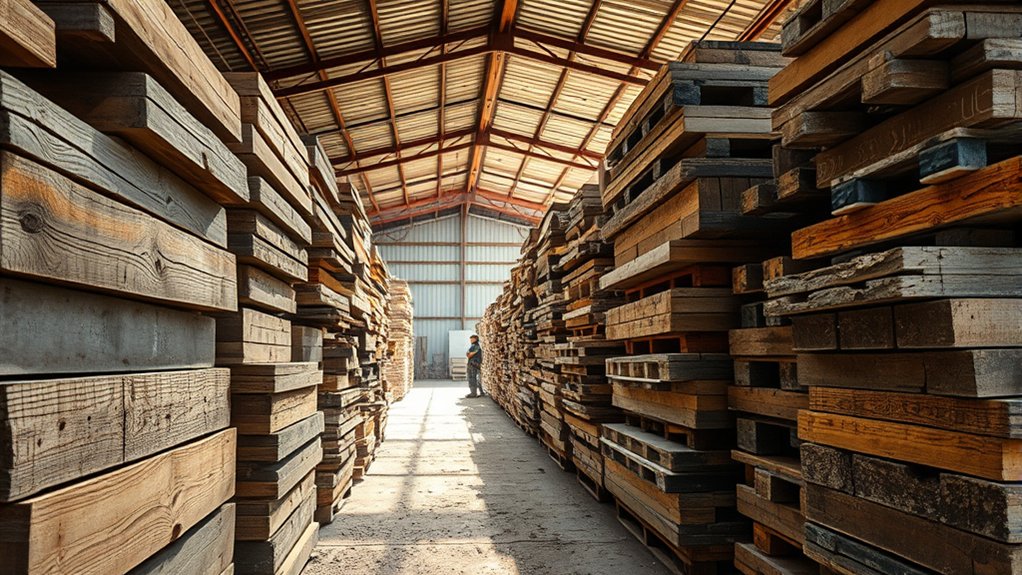
Wondering where to find quality reclaimed wood nearby? Start by exploring local salvage yards, which specialize in reclaiming wood from demolished buildings. You’ll often find barn wood, beams, and flooring perfect for your projects.
Reclamation centers offer unique pieces with verified provenance, so you can inspect the wood firsthand to confirm it suits your needs.
Don’t overlook Habitat for Humanity ReStores, where salvaged wood items like doors and window frames come at affordable prices. Keep in mind, inventory varies by location.
Architectural salvage retailers provide a curated selection of reclaimed wood, including siding and paneling, along with expert advice to guide your choices.
Local lumberyards may also have dedicated reclaimed wood sections, offering convenient options while supporting community businesses.
All in all, these sources make sourcing reclaimed wood both accessible and rewarding. Give them a look, and you might find exactly what you need nearby!
Evaluating Reclaimed Wood Quality and Authenticity
You’ll want to carefully inspect reclaimed wood for any damage, rot, or signs of pests to make sure it’s structurally sound.
It’s pretty important to check these things before you commit.
Also, verifying the wood’s provenance by asking for certificates or invoices can really help confirm its authenticity and history.
Taking these steps not only protects your investment but also gives you peace of mind about the quality of your reclaimed material.
Inspecting Wood Condition
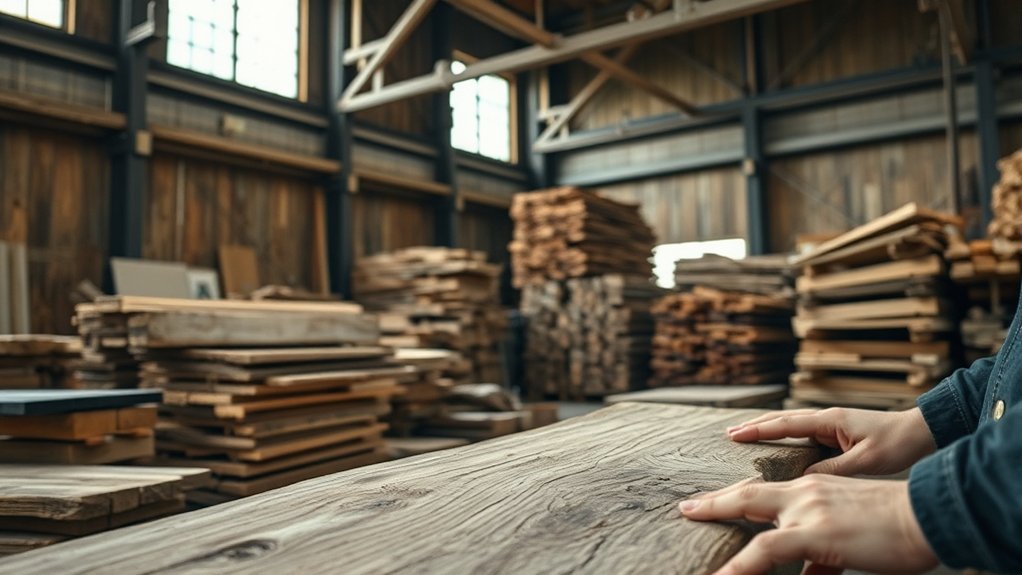
When inspecting reclaimed wood, start by evaluating its structural integrity. Check for warping, cracks, or rot that could affect its strength and usability.
Next, inspect the wood for signs of pests, like small holes or frass, and confirm it’s been treated to eliminate infestations.
Understanding wood grading systems helps you choose higher-grade pieces with fewer defects and better appearance. Make sure the wood has undergone kiln drying to reduce moisture content. This step is important because it prevents warping and mold growth.
Always ask for documentation or certificates from the supplier to verify the wood’s authenticity and history.
Verifying Provenance
Once you’ve inspected the wood’s condition, the next step is verifying its provenance to confirm quality and authenticity. To verify provenance, ask for documentation or certificates of origin that detail the reclaimed wood’s history. This guarantees you’re getting quality wood with a transparent background.
Check for structural integrity and aesthetic appeal, watching for signs of pest infestations or damage that could affect durability. Understand grading systems used by reputable suppliers. Higher grades usually mean fewer defects and better quality wood.
Also, confirm the wood has been treated for pests and moisture to avoid future problems.
Choosing suppliers with a solid reputation and transparent practices helps assure the reclaimed wood you buy is authentic, durable, and visually appealing for your project.
National Reclaimed Wood Suppliers With Online Catalogs
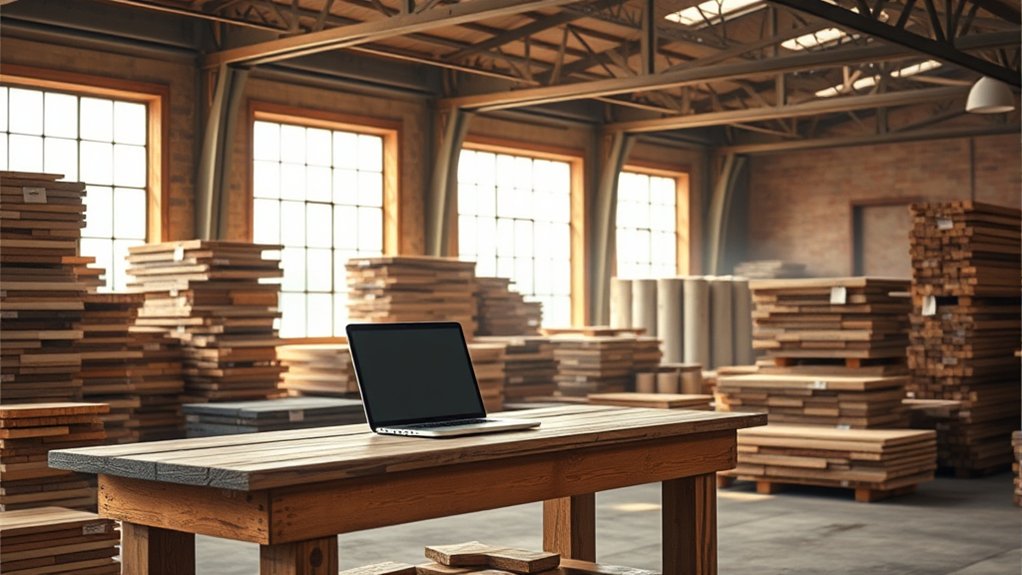
Although national reclaimed wood suppliers may come with higher shipping costs, they offer extensive online catalogs that make finding the perfect wood for your project much easier.
These catalogs showcase a wide variety of species and products suitable for both commercial and residential projects. You’ll find detailed information about wood origin, dimensions, and treatment processes, helping you make informed choices.
Many suppliers provide certified sustainable options, ensuring the wood is responsibly sourced and environmentally friendly.
Reputable companies like Centennial Woods and Old World Timber maintain consistent quality and large inventories, simplifying your selection process.
While shipping costs might be higher, the convenience of standardized grading and thorough online catalogs from national reclaimed wood suppliers often outweighs the expense.
Using Online Marketplaces for Reclaimed Wood (eBay, Etsy)
When you’re shopping for reclaimed wood on eBay and Etsy, you’ll come across a wide range of sellers offering everything from raw lumber to unique, handcrafted pieces.
It’s pretty cool because eBay lets you pick between auctions and fixed prices, so you can decide how you want to buy.
On the other hand, Etsy connects you directly with artisans, which is great if you’re looking for custom options.
Both platforms make it super easy to explore different styles and price points.
Seller Variety and Options
If you’re looking for a wide range of reclaimed wood options, online marketplaces like eBay and Etsy offer unmatched variety and convenience.
eBay features over 1,000 listings, giving you the choice between auction-style bidding or instant purchases. This means you can find unique pieces at different price points.
Etsy connects you with small businesses and artisans, highlighting local options and ethically sourced reclaimed wood perfect for DIY projects.
Both platforms let you buy directly from diverse reclaimed wood suppliers, making comparison shopping simple and efficient. User reviews help you assess seller reliability and product quality.
Plus, flexible shipping options expand access beyond your local area.
These online marketplaces provide a rich selection of reclaimed wood, making it easier than ever to find exactly what you need.
Pricing and Purchase Methods
Since pricing and purchase methods can vary widely on online marketplaces like eBay and Etsy, understanding what to expect helps you make smarter buying decisions. You’ll find reclaimed wood priced between $5 and $20 per square foot, depending on rarity and treatment. Both platforms offer auction and buy-it-now options, with seller reviews helping you assess reliability.
Shipping considerations are important, as costs vary by distance. You can also explore local classifieds to find reclaimed wood without added shipping fees.
| Platform | Pricing Range | Purchase Options |
|---|---|---|
| eBay | $5 – $20 per sq ft | Auction, Buy-it-now |
| Etsy | $5 – $20 per sq ft | Buy-it-now |
| Local | Varies | Direct purchase |
Checking seller reviews and shipping costs guarantees a smooth buying reclaimed experience.
Unique Finds and Styles
Where can you find the most unique reclaimed wood pieces for your project? Online marketplaces like eBay and Etsy offer incredible opportunities.
eBay hosts over 1,000 listings, featuring everything from old wood planks to custom furniture, giving you access to a broad range of unique finds.
Etsy connects you with artisans and small reclaimed lumber dealers who craft one-of-a-kind items. It’s perfect if you want something truly special.
Both platforms let you compare prices easily, helping you snag the best deals.
Plus, user reviews provide valuable insights into seller reliability and product quality.
Whether you’re after rustic barn wood or finely crafted custom pieces, eBay and Etsy deliver diverse styles that fit your home improvement vision.
Buying Reclaimed Wood at Hardware and Big-Box Stores
Wondering where to find reclaimed wood without hunting through specialty suppliers? Hardware and big-box stores like Home Depot offer a convenient option. You can find reclaimed wood lumber, panels, and even disassembled pallets both in-store and online.
Prices for reclaimed wood typically range from $5 to $20 per square foot, depending on its quality and rarity. Availability of reclaimed wood varies by location, so it’s smart to check the store’s website or call ahead before visiting.
These stores often provide helpful DIY project ideas to inspire your next build. Plus, in-store displays let you inspect the wood thoroughly, making sure it has the quality and character you want.
Many pieces come from local construction, offering authentic materials perfect for your project.
Sourcing Custom and Rare Reclaimed Wood From Artisans
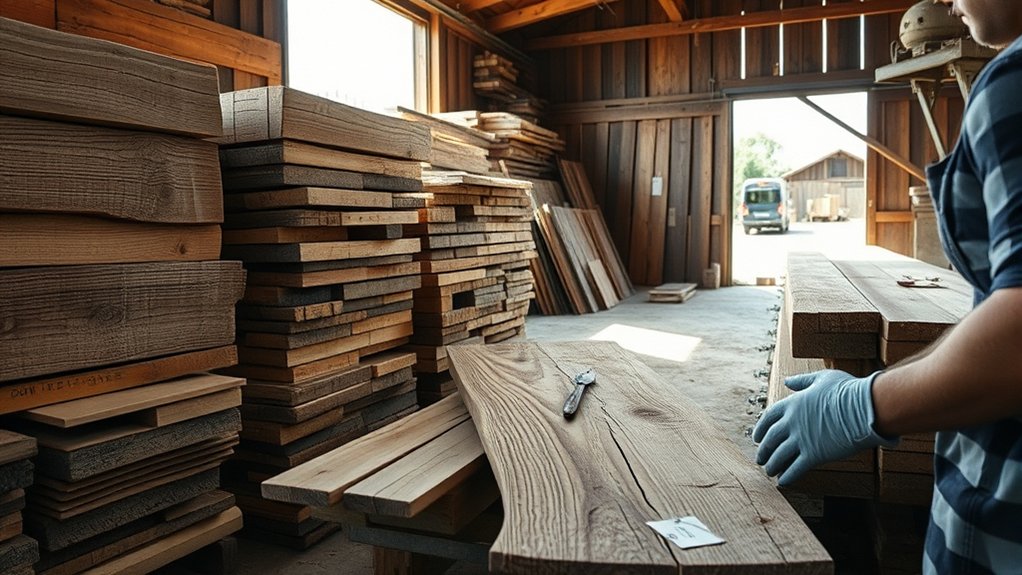
If you’re after truly unique reclaimed wood, working with artisans opens doors to rare hardwoods and historically rich timbers you won’t find at big-box stores.
Local artisans often source wood from barns and salvage yards, selecting pieces with distinct character and history. They offer custom milling services, tailoring dimensions and finishes to fit your specific project needs perfectly.
This means you get unique reclaimed wood that stands out, adding authenticity and charm.
Plus, collaborating with artisans supports small businesses and promotes eco-friendly sourcing, as they prioritize sustainable practices.
By choosing artisans, you gain access to limited quantities of exceptional wood while ensuring your project benefits from craftsmanship and responsible material selection.
It’s a smart way to secure custom, rare reclaimed wood that truly tells a story.
Scouting Demolition Sites and Construction Waste for Free Reclaimed Wood
While artisans offer unique and carefully selected reclaimed wood, you can also uncover valuable materials by exploring demolition sites and construction waste.
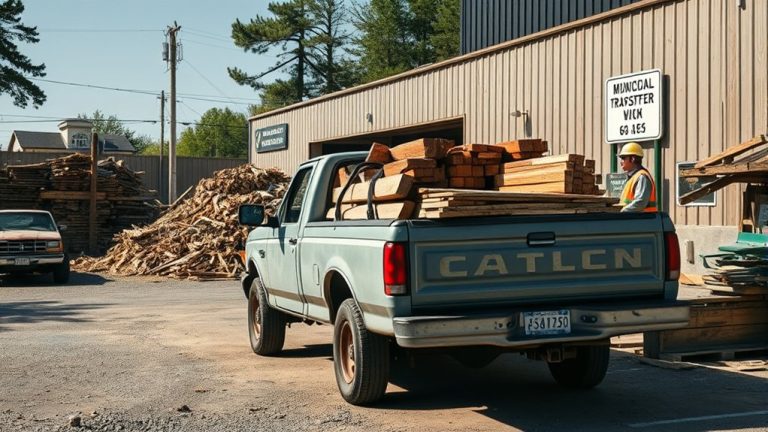
At demolition sites and construction sites, you’ll find plenty of salvaged wood that would otherwise go to waste. Contact local contractors or speak with foremen to ask permission before collecting any free reclaimed wood.
Don’t overlook old barns and farms. Rural areas often have structures being dismantled, providing excellent sources of quality wood.
Homeowners planning renovations might also let you take down old decks or fencing if you help with dismantling.
Remember, always ask permission and follow safety guidelines when scouting these locations.
Budgeting and Pricing Tips for Reclaimed Wood Buyers
Because reclaimed wood often carries a higher price tag than new lumber, typically between $5 and $20 per square foot, you’ll want to plan your budget carefully before diving into a project. Prices can vary depending on wood rarity and treatment, so sourcing from local salvage yards or buying reclaimed wood for free at demolition sites helps reduce costs.
Remember to factor in additional costs like custom milling or treatments. Buying in bulk can also lower your per square foot price. Use these budgeting tips to buy the lumber smartly and keep your project on track.
| Source | Price Range (per sq. ft.) | Notes |
|---|---|---|
| Local Salvage Yards | $5 – $12 | Possible discounts available |
| Demolition Sites | $0 (free) | Requires effort to find |
| Specialty Suppliers | $12 – $20 | Rare wood, treated & custom |
| Bulk Purchases | Varies | Discounts for large orders |
| Additional Costs | Varies | Milling, treatment, delivery |
Frequently Asked Questions
How Should Reclaimed Wood Be Stored to Prevent Damage?
To protect reclaimed wood, you should focus on proper storage conditions. Control humidity and regulate temperature to prevent warping or cracking.
Stack the wood properly, allowing ventilation between boards to avoid moisture buildup.
Use protective coverings like tarps to shield from dust and pests.
Also, implement pest prevention methods.
These steps guarantee long-term preservation, keeping your wood in great shape for future projects.
What Tools Are Best for Working With Reclaimed Wood?
Think of reclaimed wood as a seasoned traveler, full of stories and character. To honor its journey, use precise cutting techniques and reliable joinery methods to shape it carefully.
Employ sanding tips to smooth its weathered surface, and apply sealing options with quality finishing products to protect its soul.
Don’t forget maintenance tools for upkeep and safety gear to shield yourself.
Woodworking jigs help you work smarter, ensuring your craftsmanship shines through.
Are There Environmental Benefits to Using Reclaimed Wood?
Yes, using reclaimed wood greatly reduces your carbon footprint by promoting resource conservation and minimizing waste.
You’ll enjoy the sustainability impact while adding unique character and historical significance to your projects.
Plus, reclaimed wood offers exceptional craftsmanship value and aesthetic appeal that new wood often lacks.
It’s also cost effective, saving you money over time.
How Can I Tell if Reclaimed Wood Is Treated With Chemicals?
You can tell if reclaimed wood is treated with chemicals by using chemical testing kits or sending samples to labs.
Look for visual indicators like unusual colors, odors, or residues. Check wood characteristics for signs of preservation methods, such as pressure treatment.
Also, follow sourcing tips by asking sellers about regulatory standards and restoration techniques used.
Being aware helps reduce health risks, especially if you plan indoor use. Always prioritize safety when handling reclaimed wood.
What Finishing Techniques Work Best on Reclaimed Wood?
You’ll get the best results on reclaimed wood by focusing on thorough surface preparation. Clean, sand, and remove old finishes first. This step really sets the stage for a great finish.
Then, choose finishing options like wood stains to enhance color or oil finishes to nourish the wood and bring out the grain. Wax coatings add a soft sheen, which is nice if you want a subtle look.
Varnish is great if you want to boost durability and protect against wear.
Sometimes, combining these finishes works best. It helps enhance the wood’s beauty and extend its life effectively.
Conclusion
When buying reclaimed wood, you’ll find plenty of options, from local salvage yards to online marketplaces like Etsy. Did you know the reclaimed wood market is growing by over 8% annually? That means more sources and better quality are becoming available every year.
By knowing where to look and what to check for, you can score unique, eco-friendly wood that fits your style and budget. Start exploring today. You’ll be amazed at what you can find!