
3 Best Sanding Discs for Angle Grinders in 2026
Finding the right sanding discs for your angle grinder can be a real challenge. Many people struggle with discs that wear out too fast, don’t fit well, or just don’t deliver the smooth finish they’re after. If you’ve been there, you’re not alone.
Choosing the perfect disc that balances durability, compatibility, and performance is key to getting the job done right without frustration.
If you need the best sanding discs for your angle grinder in 2026, consider the 24 Pack Zirconia Flap Discs for durability and smooth finishes, the Pomsare 114PCS 5″ kit for versatile grit options and materials, and the 100PCS 4″ set with backing pads for precision work.
Each offers excellent compatibility, vibration reduction, and safety features to match your grinder and project needs.
Keep exploring to find the perfect fit for your grinding tasks.
| Image | Name | Editor's Rating | Price |
|---|---|---|---|

|
|
||
|
|
||

|
|
24 Pack Zirconia Flap Discs for Angle Grinder
- Package Include 24 pcs grinding wheels 4 1/2 inch grit 40 60 80 120,6 of...
- Flap discs 4 1/2 for angle grinder are made of high quality zirconium oxide...
- Each sanding disc a 4-1/2-inch diameter with a 7/8-inch arbor size, making...
- Goggles and other safety precautions are recommended for use.
- Angle grinder sanding disc for grinding,sanding,and finishing on a wide...
If you’re looking for reliable sanding discs that stand up to tough grinding and finishing tasks, these 24 Pack Zirconia Flap Discs for angle grinders are designed for the job. They tackle both wood and metal surfaces with ease, helping you remove material quickly while delivering smooth results. These discs fit 4 1/2-inch angle grinders with a 7/8-inch arbor and operate safely at speeds up to 13,300 RPM.
Crafted from high-quality zirconia alumina grit, the discs maintain their sharpness through extended use, reducing the need for frequent replacements. Their design allows for balanced grinding, which minimizes vibration and improves control during operation. This makes them suitable for intensive industrial tasks or detailed DIY projects.
Maintenance is straightforward—simply inspect the discs for wear and replace them when the grit is worn down. Using appropriate safety gear like goggles is essential to protect against debris during high-speed grinding. The variety of medium grit options (40, 60, 80, and 120) offers flexibility for different stages of surface preparation and finishing.
These flap discs are optimized for angle grinders with specific size requirements, ensuring a secure fit and efficient performance. While they excel in medium grit applications, they may not be the best choice for extremely fine or coarse sanding jobs. Their durability and versatility make them a practical addition to any workshop.
Best for: professionals and DIY users needing versatile, durable flap discs for grinding and finishing wood and metal with 4 1/2-inch angle grinders.
What We Like:
- Variety of medium grits for multiple finishing stages
- Durable zirconia alumina grit for long-lasting performance
- Compatible with most 4 1/2-inch angle grinders up to 13,300 RPM
- Balanced design reduces vibration for better control
Specification:
| Specification | User Benefit |
|---|---|
| Disc Size | Fits 4 1/2-inch grinders for wide compatibility |
| Arbor Size | 7/8-inch arbor ensures secure mounting |
| Maximum Speed | Handles up to 13,300 RPM for fast material removal |
| Grit Options | Four medium grits offer flexibility in finishing |
| Material | Zirconia alumina grit provides durability and sharpness |
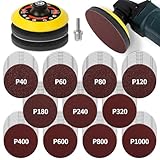
Pomsare 114PCS 5″ Angle Grinder Sanding Discs Kit
- Turn Your Grinder into a Sander - The 5-inch heavy duty backing pad is used...
- Updated Design - The reinforced backing pad is more durable than standard...
- Time and Effort Saving - Our angle grinder polishing wheel outperform...
- Compatible with Grinder and Drill - The backing pad screws onto your angle...
- Wide Application: The wood sanding discs are widely used for grinding and...
You’ll find the Pomsare 114PCS 5″ Angle Grinder Sanding Discs Kit a practical solution for tackling a range of sanding and polishing tasks. This kit is designed to work smoothly with angle grinders and drills, allowing you to switch tools without hassle. Its versatile discs help you handle different surfaces, from rough sanding to fine finishing.
Each disc is made with durable polyurethane and high-quality aluminum oxide grit, ensuring longevity and consistent performance. The foam backing pads offer a snug fit and reduce vibration, making your work more comfortable and precise. Plus, the 8mm drill sander attachment adds convenience for drill users.
Maintenance is straightforward since the hook and loop system lets you replace discs quickly. The discs cover a broad grit range, from coarse 40 grit to ultra-fine 1000 grit, so you can polish metals, wood, plastics, and glass effectively. This variety helps you achieve professional results without needing multiple kits.
Keep in mind, the 5-inch discs are best suited for medium to large surfaces and may not be ideal for very detailed work. The foam pads provide cushioning but may wear faster under intense, continuous use. Users new to angle grinder sanding might need some time to adapt to the tool’s feel.
Best for: DIY enthusiasts and professionals needing versatile sanding discs compatible with multiple power tools for various materials.
What We Like:
- Broad grit range supports sanding, polishing, and finishing
- Compatible with angle grinders and drills, including a drill attachment
- Reinforced foam backing pads reduce vibration for smoother work
- Durable materials ensure reliable use across different projects
Specification
| Specification | User Benefit |
|---|---|
| 5-inch disc size | Covers medium to large surface areas efficiently |
| Grit range 40 to 1000 | Allows for both rough sanding and fine polishing |
| Hook and loop attachment | Enables quick disc changes for uninterrupted workflow |
| Foam backing pads | Reduces vibration, improving comfort and control |
| 8mm drill sander attachment | Expands usability to drills for added versatility |
| Polyurethane and aluminum oxide grit | Provides durable, consistent sanding performance |
100PCS 4″ Sanding Discs with Backing Pad Set
- High-Performance Sandpaper Material: Crafted from premium aluminum oxide...
- Universal Compatibility with Top Power Tool Brands: This kit includes a...
- Versatile Sander Conversion for Grinders & Drills: Easily transform your...
- Complete 100-Piece Grit Assortment for Every Project: Never run out of the...
- What's Included & Hassle-Free Setup: You will receive 100PCS premium...

The 100PCS 4″ Sanding Discs with Backing Pad Set offers a practical solution for sanding tasks across various materials. Whether you’re working on metal, wood, or rubber, this set provides a wide range of grits from 40 to 800 to handle rough shaping and fine finishing with ease. Its versatility helps streamline your workflow by covering multiple sanding needs in one kit.
Designed for convenience, the set includes a 4-inch hook and loop backing pad and an 8mm drill adapter. This makes it compatible with many common tools like angle grinders and household drills. Changing discs is quick and straightforward, reducing downtime and keeping your project moving smoothly.
Durability is a key feature of these aluminum oxide discs. Their clog-resistant surface helps maintain performance over time, even during heavy use. This design also simplifies cleaning and maintenance, allowing you to get more work done without frequent replacements.
While the set only comes with one backing pad and drill adapter, it remains a flexible choice for many users. Keep in mind that the 4-inch disc size best suits smaller to medium surface areas. The hook and loop attachment may wear with extended use but is easy to replace as needed.
Best for: DIY enthusiasts and professionals seeking a versatile sanding solution compatible with various tools for metal, wood, and rubber projects.
What We Like:
- Wide grit range from 40 to 800 supports both rough and fine sanding.
- Hook and loop backing pad enables fast, simple disc changes.
- Clog-resistant aluminum oxide discs maintain consistent sanding quality.
- Compatible with popular angle grinders and drills using the included adapter.
- Durable design supports extended use with minimal maintenance.
Specification
| Specification | User Benefit |
|---|---|
| Grit Range | Covers tasks from heavy material removal to polishing |
| Disc Size | 4-inch discs suitable for detailed and medium areas |
| Backing Pad Type | Hook and loop system allows quick and easy disc swaps |
| Drill Adapter Size | 8mm adapter fits common drills for versatile use |
| Disc Material | Aluminum oxide resists clogging for longer performance |
Factors to Consider When Choosing Sanding Discs for Angle Grinder
When you’re picking out sanding discs for your angle grinder, it’s important to think about the disc material and grit size so they suit your specific project. You’ll want to make sure the disc diameter matches your grinder, too. Also, take a look at the backing pad — it should provide good stability while you work. And one more thing: always double-check the maximum RPM rating to keep things safe and running smoothly.
Disc Material Types
Although choosing the right sanding disc might seem straightforward, understanding the different disc materials can dramatically improve your grinding results. Zirconia alumina discs deliver high strength and excel in heavy-duty grinding on tough metals. If you want a versatile option, aluminum oxide discs offer solid performance for general grinding and finishing.
Ceramic abrasive discs cut faster and last longer but tend to cost more. Keep in mind that the disc material affects heat resistance and clogging resistance, which are vital for maintaining efficiency. Also, different materials suit specific surfaces. Zirconia works well for metal, aluminum oxide is great for wood or plastic, and ceramic is ideal when you need durability and speed.
Picking the right disc material ensures you get the best balance of durability, cutting efficiency, and suitability for your project. It’s worth taking the time to match the disc to the job—it really makes a difference in the results you get.
Grit Size Selection
Since grit size directly impacts how much material you remove and the finish you achieve, choosing the right one is essential for your sanding project. Lower grit sizes like 40 or 60 offer a coarse abrasive surface, perfect for heavy stock removal and rough shaping.
If you need to smooth or polish surfaces, higher grits such as 120, 240, or even 1000 provide a finer finish. The material you’re working on and the finish you want dictate your grit choice. Picking the wrong grit can slow your progress, remove too much material, or leave an unwanted texture.
Disc Diameter Compatibility
How do you guarantee your sanding disc fits your angle grinder perfectly? First, make sure the disc diameter matches your grinder’s specified size, usually 4 or 5 inches. Using a disc that’s too large or too small can cause unsafe operation and poor performance.
Next, check the arbor hole size, such as 7/8 inch or 5/8-11 thread, to ensure it fits securely on your grinder’s spindle. Also, pick a disc diameter that fits your task. Larger discs cover more surface but demand more power and control, while smaller discs offer precision.
Matching diameter means you’ll get proper coverage without overextending or causing imbalance. This careful compatibility guarantees safety, efficiency, and the best sanding results every time.
Backing Pad Features
Three key backing pad features determine how well your sanding discs perform on an angle grinder. First, the material and construction, whether foam or rubber, affect flexibility, durability, and vibration absorption. So, choose one that suits your project’s demands.
Second, verify the backing pad matches your grinder’s spindle size, like 5/8-11 or 8mm, for secure attachment and safe use.
Finally, consider the pad’s thickness and cushioning. Thicker pads offer better surface finish and can conform to uneven surfaces more effectively. High-quality pads often have reinforced edges and sturdy hook-and-loop systems. These features extend the pad’s lifespan and keep your discs firmly in place.
Paying attention to these features helps you get consistent, professional results every time you sand.
Maximum RPM Ratings
When choosing sanding discs for your angle grinder, you need to pay close attention to the maximum RPM rating to guarantee safe and effective use. This rating shows the highest speed the disc can handle without risking failure or safety hazards. If you exceed this limit, the disc might wobble, break, or even send debris flying, putting you in danger.
Most industrial discs handle speeds up to 13,300 RPM, but always double-check before use. Matching the disc’s RPM rating with your grinder’s speed ensures ideal performance and safety. Using a disc beyond its rated RPM also shortens its lifespan and can compromise your sanding quality.
Application Surface Suitability
Although sanding discs may look similar, choosing the right one for your angle grinder depends heavily on the surface you’re working with. Each disc is designed for specific materials like metal, wood, plastic, or glass, which directly impacts its effectiveness and the finish you achieve.
Pay attention to grit size: lower grits (40-80) handle heavy sanding and material removal, while higher grits (400-1000) are better for polishing and delicate finishes. The abrasive type, such as zirconia alumina or aluminum oxide, also affects performance and durability on different surfaces.
Picking the appropriate disc prevents surface damage, cuts down your work time, and helps you achieve a smooth, professional finish every time. Always match your disc to your material for the best results.
Attachment Mechanism Types
How you attach your sanding disc to the angle grinder can make a big difference in convenience and performance. There are two main attachment mechanisms: hook and loop (Velcro) and screw-on (threaded). Hook and loop discs let you swap discs quickly with a simple peel-and-stick action, perfect for jobs needing frequent changes.
On the other hand, screw-on discs thread securely onto the grinder’s spindle, offering a stable hold ideal for heavier-duty tasks. You’ll want to check your grinder’s spindle type and the disc’s backing pad to confirm compatibility. Using the proper attachment mechanism not only boosts performance but also keeps you safe by ensuring the disc stays stable during operation.
Choose the right type based on your tool and task requirements. It really depends on what you’re working on and how often you need to change discs. Pick what feels right for your job and your grinder.
Durability and Lifespan
Since durability directly affects both performance and cost-efficiency, you should prioritize sanding discs made from high-quality abrasive materials like zirconia alumina or aluminum oxide. These materials resist wear and maintain effectiveness longer. Look for discs with reinforced backing and strong bonding to prevent tearing during use, extending their lifespan.
Keep in mind that coarser grits wear out faster than finer ones because they remove more material. To get the most life out of your discs, avoid applying excessive pressure and operate within the recommended RPM range. Regularly inspect your discs for wear or clogging and replace them promptly to guarantee consistent results and protect your workpiece and tool.
Prioritizing these factors will help you choose durable sanding discs that save time and money. It’s all about working smarter, not harder, and making sure your tools last as long as possible.
Frequently Asked Questions
How Do I Safely Dispose of Used Sanding Discs?
You should first remove any dust or debris from your used sanding discs. Then, check if your local recycling center accepts abrasive materials. If not, wrap the discs in newspaper or plastic to prevent injury and place them in your regular trash.
Avoid burning them, as they may release harmful chemicals. Always wear gloves when handling used discs to protect your hands from sharp edges or residual particles. It’s a simple way to stay safe while disposing of them properly.
Can Sanding Discs Be Used on Materials Other Than Metal and Wood?
Sanding discs aren’t just one-trick ponies. You can use them on plastics, fiberglass, and even paint surfaces. Just make sure you pick the right grit and backing for your material to avoid damage.
Softer materials need finer grits, while tougher ones can handle coarser discs. If you’re working with delicate surfaces, start slow and test a small area. That way, you’ll get smooth results without any unwanted scratches.
What Is the Difference Between Hook and Loop and Adhesive Backing Discs?
The main difference between hook and loop and adhesive backing discs is how they attach to your angle grinder. Hook and loop discs use a Velcro-like system, letting you quickly swap discs without hassle. Adhesive backing discs stick firmly with glue, offering a stronger hold but take more effort to change.
You’ll find hook and loop convenient for frequent changes. On the other hand, adhesive discs suit longer, tougher jobs where disc slippage isn’t an option. So, it really comes down to how often you plan to switch discs and the kind of work you’re doing.
How Do Environmental Conditions Affect Sanding Disc Performance?
Like a sailor battling sudden storms, you’ll find that humidity and dust can make or break your sanding disc’s performance. High moisture weakens adhesive bonds, causing discs to slip or peel. Dust clogs abrasive surfaces, reducing efficiency and lifespan.
Extreme temperatures can harden or soften the backing, affecting grip and control. So, you’ve got to adjust your environment or disc choice to keep your sanding smooth and steady.
Are There Any Health Risks Associated With Using Sanding Discs?
Yes, you face health risks when using sanding discs. Dust and particles can irritate your eyes, skin, and lungs, especially if you’re sanding materials like wood, metal, or fiberglass. You might inhale harmful substances, leading to respiratory issues.
To protect yourself, always wear safety gear like goggles, gloves, and a dust mask or respirator. Working in a well-ventilated area also helps reduce exposure to dangerous dust and fumes. It’s better to be safe and keep your health in check while working.
Conclusion
So, you want the “perfect” sanding disc, huh? Well, lucky you. These top picks practically do the sanding for you (almost). Whether you’re drowning in a sea of discs or just want to avoid turning your angle grinder into a disco ball, these choices have your back.
Just remember, picking the right disc isn’t rocket science. It’s more like “grab and sand.” But you’ll thank me later when your projects actually look good.